Plizio Visual Lab
Ahu Tongariki
Weather…
Water temperature…
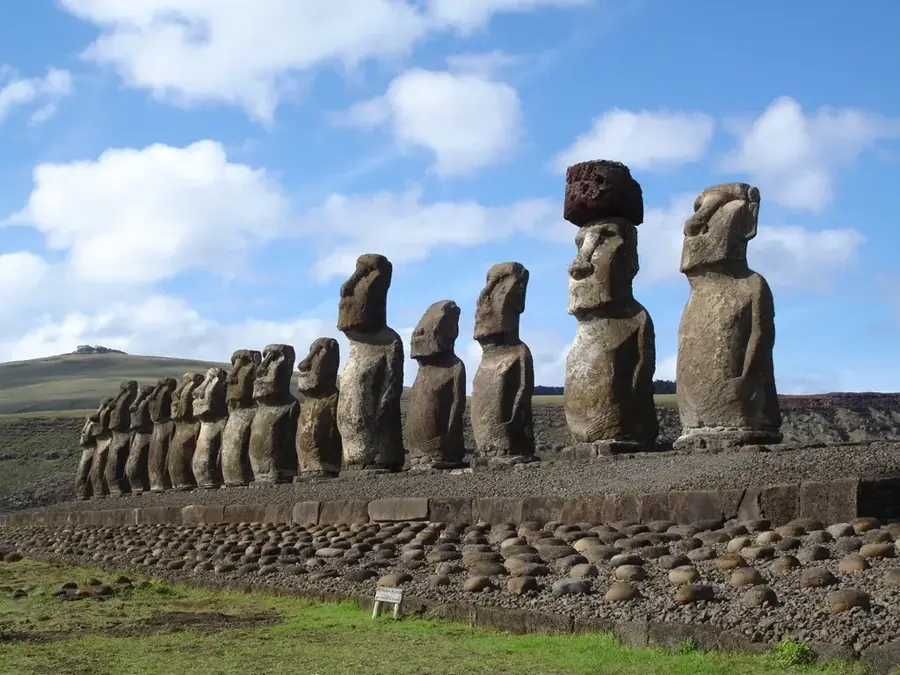
Ahu Tongariki is the largest and most impressive ceremonial site on Easter Island (Rapa Nui). On a massive stone platform, the ahu, 15 monumental Moai statues stand proudly with their backs to the Pacific Ocean. This site represents the pinnacle of megalithic construction in the Rapa Nui culture and served as a major religious and social center. In 1960, the site was almost completely destroyed by a massive tsunami triggered by an earthquake off the Chilean coast; the multi-ton statues were swept hundreds of meters inland. During the 1990s, Ahu Tongariki was restored in an ambitious international project led by archaeologist Claudio Cristino and supported by the Japanese company Tadano. Today, the site can be admired in its full glory and features a sweeping spectacle, especially at sunrise. The varying sizes and features of the 15 statues indicate that they represent different ancestors or chiefs. Tongariki is a symbol of the resilience and cultural heritage of the Rapa Nui people.
- Location: Chile
- Top sights: Hotu Iti · San Pedro · Te Pa-Haha-Tea
Best time to visit & climate
The most pleasant time to visit is Oct–Dec.
| Jan | Feb | Mar | Apr | May | Jun | Jul | Aug | Sep | Oct | Nov | Dec | |
|---|---|---|---|---|---|---|---|---|---|---|---|---|
| Avg °C | 24 | 24 | 24 | 23 | 22 | 21 | 20 | 19 | 19 | 20 | 21 | 22 |
| Rain mm | 33 | 25 | 39 | 63 | 89 | 73 | 52 | 40 | 50 | 40 | 47 | 32 |
📋 Practical info
Geography
Facts
- Largest ceremonial platform on Easter Island.
- Consists of 15 monumental Moai statues.
- Destroyed by a massive tsunami in 1960.
- Restored between 1992 and 1995.
- The platform is approximately 100 meters long.
- Located near the Poike volcano on the east coast.
Explore nearby
Notable places around
Route planner — Car & Motorhome
Where do you start? We build the route here, with stops and country notes along the way.
© OpenStreetMap contributors · OpenRouteService
Sights in the town Ahu Tongariki (9)
Ahu
Archaeological site on Easter Island. Stone platform for ceremonies.
Petroglifos
Rock carvings on Easter Island. Depict motifs of the Rapa Nui culture.
Umu Pae
Archaeological site on Easter Island. Earth oven used for cooking.
Hare Vaka
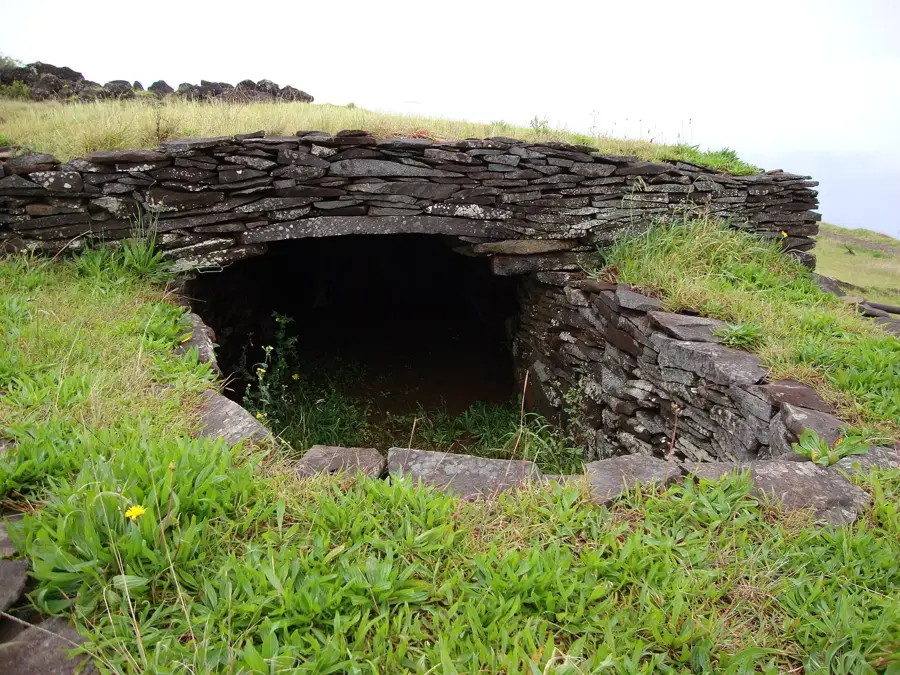
Archaeological site on Easter Island. Remains of a traditional house.
Moai
Stone sculpture on Easter Island. Artwork of the Rapa Nui culture.
Sights nearby
Frequently asked questions
How many Moai stand on Ahu Tongariki?
When is the best time for photos?
Was the site damaged by a tsunami?
Are you allowed to touch the platform (Ahu)?
Are there toilets there?
Ahu Tongariki: where is it located?
Ahu Tongariki: what is there to see?
Ahu Tongariki: when is the best time to visit?
Ahu Tongariki: why is it worth visiting?
History & landmarks
More places