Plizio Visual Lab
Antofagasta
ℹ️Practical info — Antofagasta
▾
🌤 Weather — 5 days
📍 Nearby
Sights nearby
💡 Tips
- The climate is extremely arid as it borders the Atacama Desert; sun protection and hydration are essential.
- Take a sunset stroll along the 'Costanera', the very long and scenic coastal promenade.
- Tap water is generally safe but has a high mineral content and strong taste; most visitors prefer bottled water.
- Shared taxis (colectivos) are a common, inexpensive, and fast way to navigate the city.
- Temperatures drop significantly in the evening due to the desert climate, always carry a light jacket.
🍽 Food
A rich, traditional Chilean seafood soup, best enjoyed at the Terminal Pesquero (fish market).
Fried empanadas filled with local seafood and cheese, a classic coastal snack.
Fresh raw fish cured in citrus juices, widely available in coastal restaurants and the central market.
🛍 Shopping · 🧘 Quiet spots
Great for fresh produce, affordable local eateries, and experiencing daily city life.
A modern waterfront shopping center with views of the ocean.
The impressive ruins of a massive 19th-century silver foundry, especially striking at dusk.
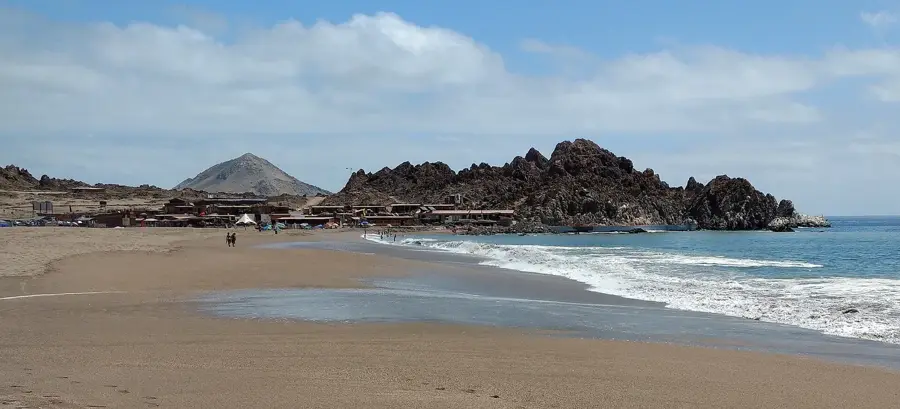
A pleasant, calm beach area that is relatively peaceful in the early mornings.
Water temperature…
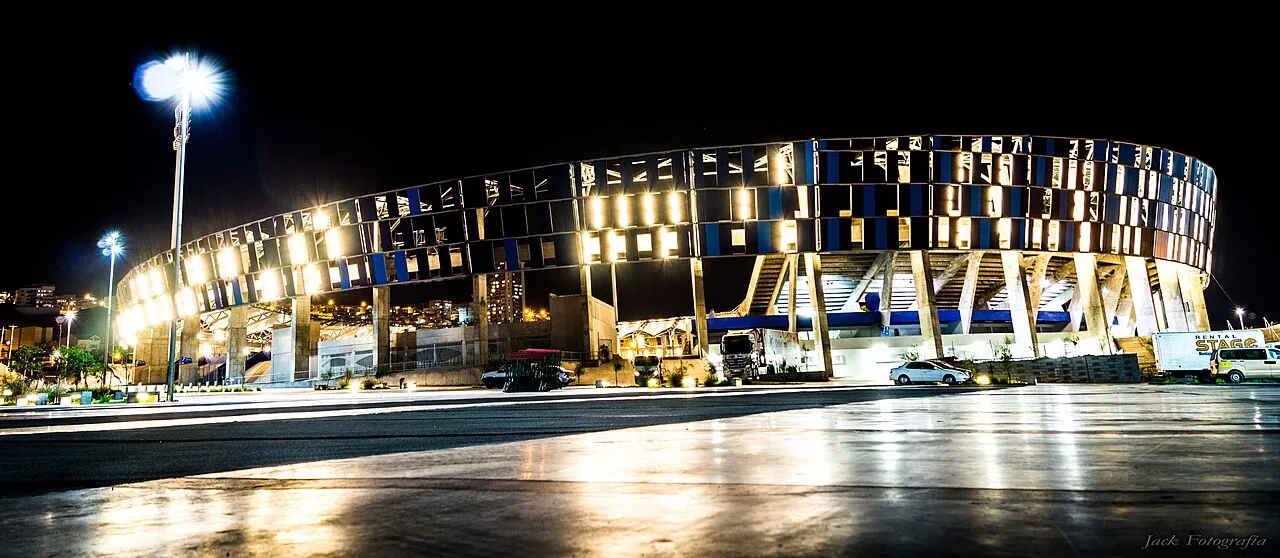
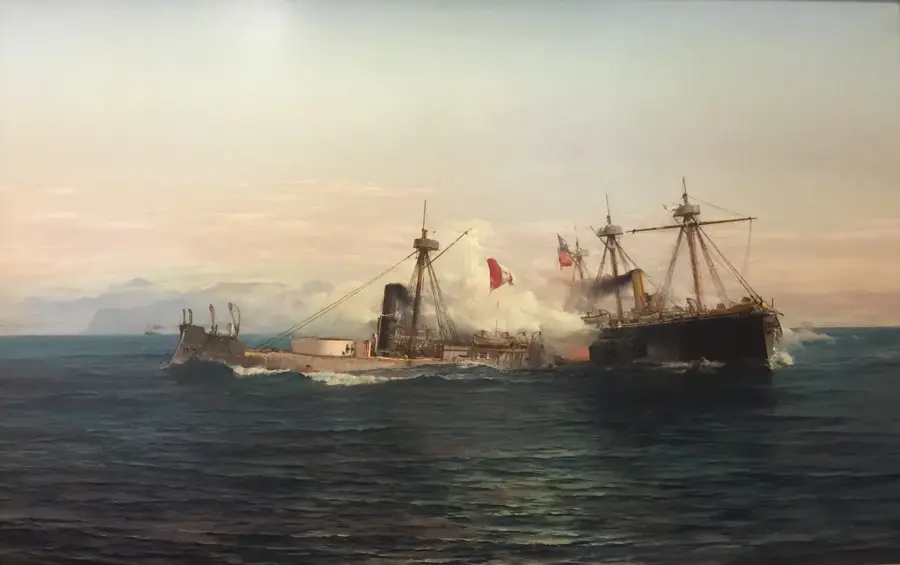
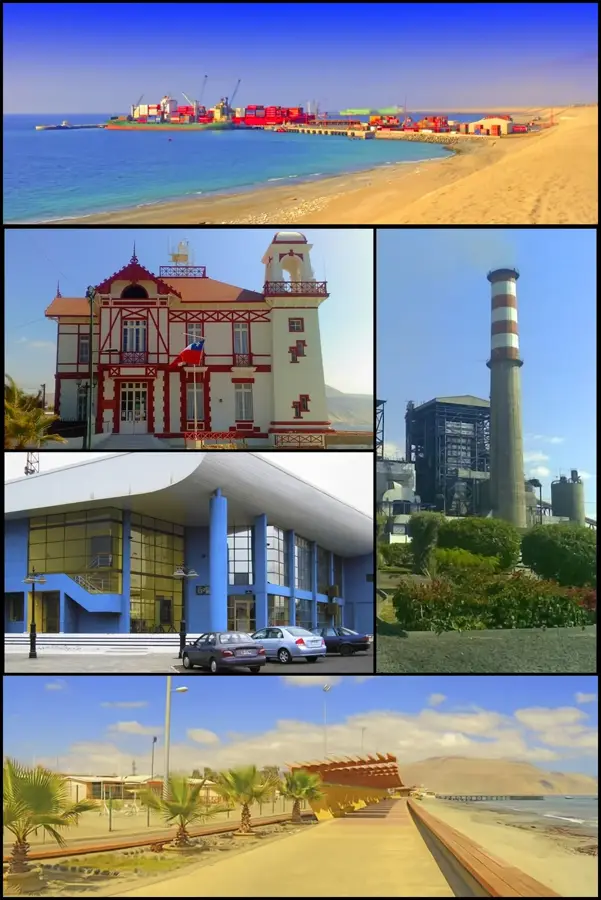
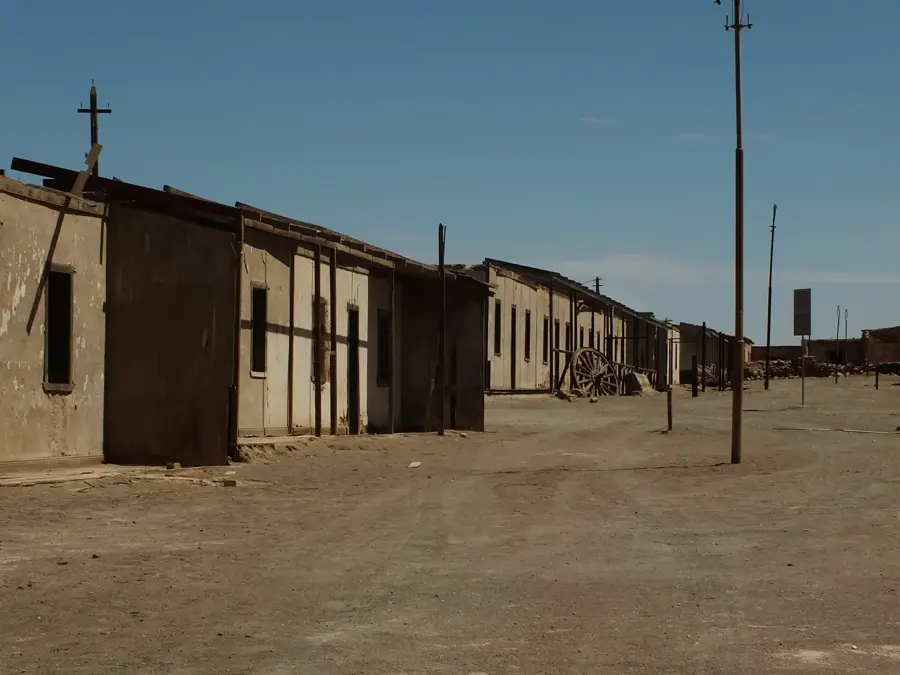
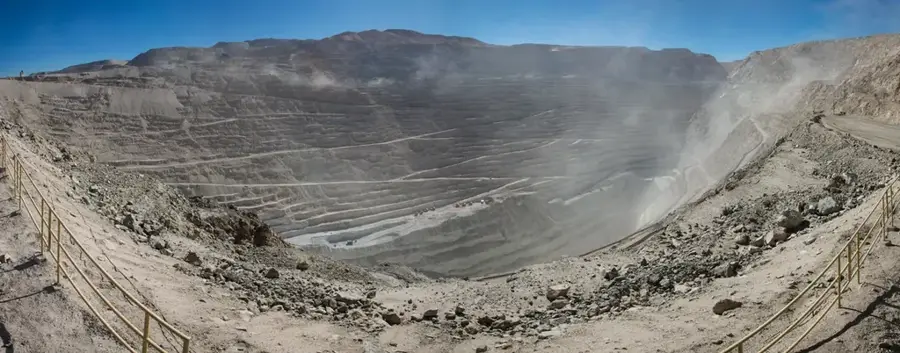
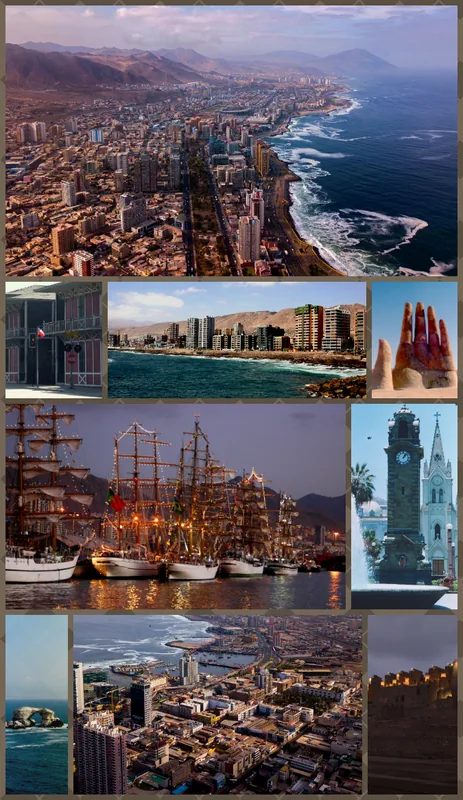
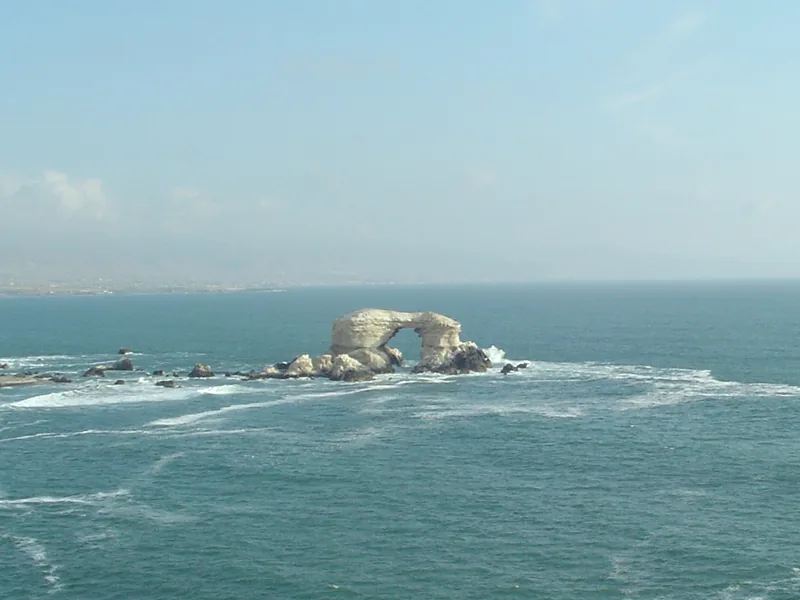
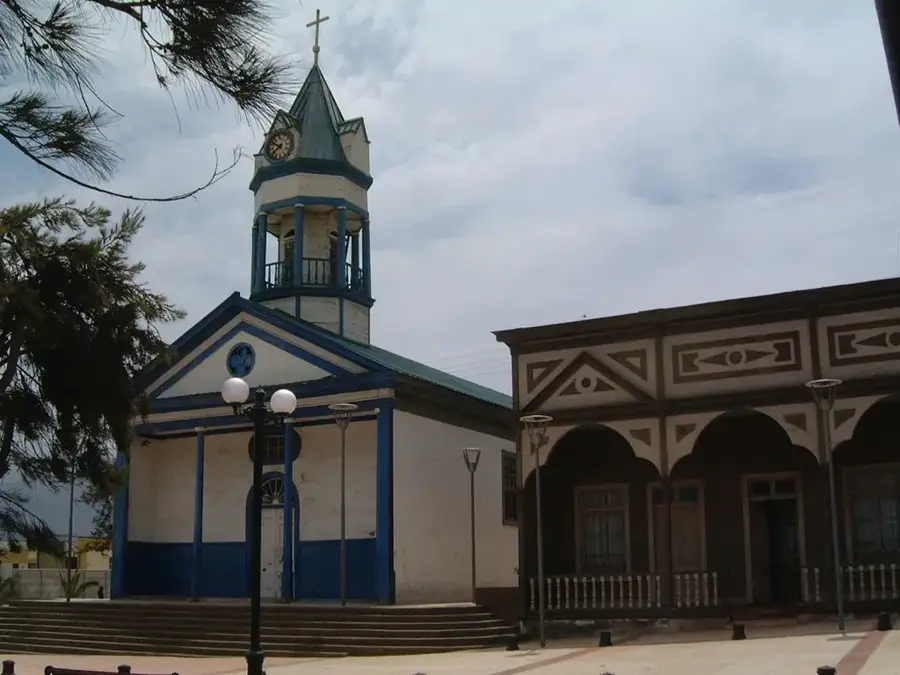
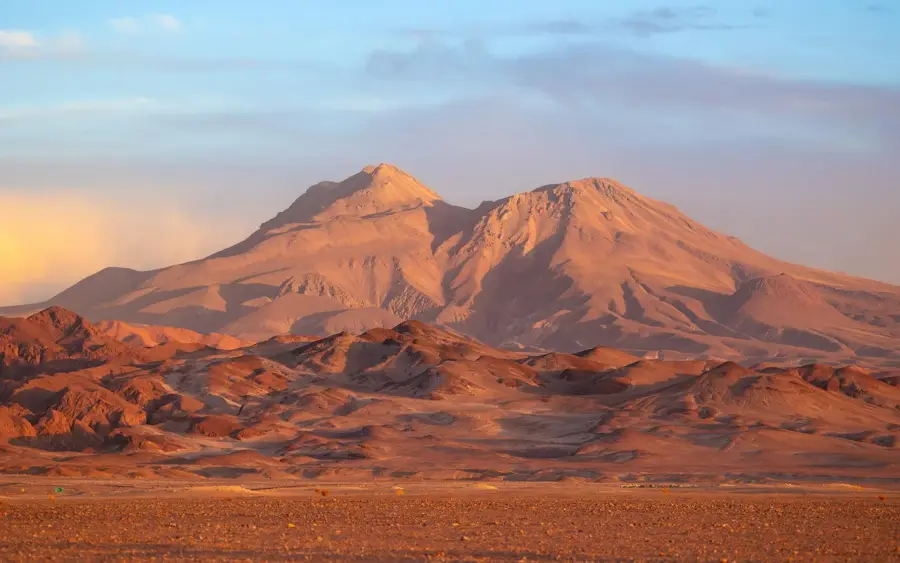
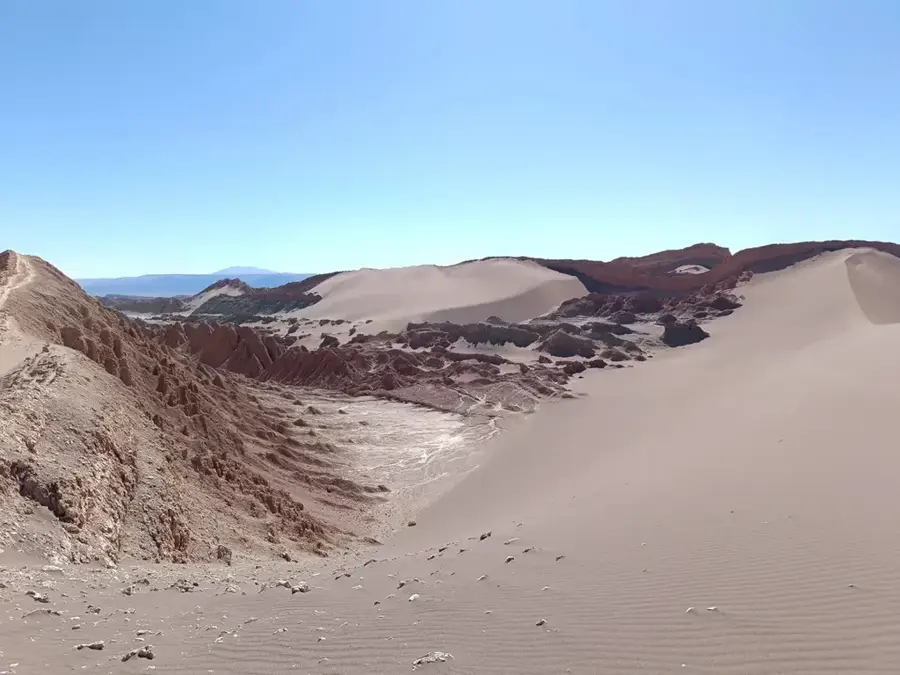
Antofagasta, known as the 'Pearl of the North,' is a major port city and the capital of the Antofagasta Region in northern Chile. Situated on a narrow strip of land between the Pacific Ocean and the Coastal Range of the Andes, the city’s development has been fundamentally shaped by its geography and its mineral wealth. Founded in 1868 as La Chimba under Bolivian sovereignty, it quickly became a focal point for the silver and saltpeter (nitre) mining booms. The economic and territorial disputes over these resources eventually triggered the War of the Pacific in 1879, resulting in Chile’s annexation of the city. Today, Antofagasta serves as the primary export gateway for the region’s massive copper production, including output from Minera Escondida, the world's highest-producing copper mine. The city’s urban landscape is a blend of modern high-rises and historic landmarks, such as the Barrio Histórico with its 19th-century British-influenced architecture and the old railway station that connects to Bolivia. Due to its location in the Atacama Desert, one of the driest places on Earth, Antofagasta relies heavily on advanced seawater desalination plants for its domestic water supply. The most famous landmark is 'La Portada,' a natural rock arch located in the ocean just north of the city, carved by thousands of years of marine erosion. The city is also a significant academic center, housing major universities and research institutes focused on mining and astronomy. The exceptionally clear skies of the surrounding desert have made the area a global hub for space observation; the Paranal Observatory, located about 120 kilometers south of the city, houses some of the world's most sophisticated telescopes. Economically, Antofagasta features a high standard of living but also faces challenges related to industrial pollution and high costs, reflecting its status as a vital cog in the global mining industry.
- Location: Chile
- Top sights: Museo Histórico del Salitre ex Casa Abaroa · Museo Regional de Antofagasta · Teatro Municipal de Antofagasta
- Population: ~401.096 (2026)
Best time to visit & climate
The most pleasant time to visit is Jan–Mar.
| Jan | Feb | Mar | Apr | May | Jun | Jul | Aug | Sep | Oct | Nov | Dec | |
|---|---|---|---|---|---|---|---|---|---|---|---|---|
| Avg °C | 21 | 22 | 20 | 19 | 17 | 16 | 15 | 15 | 15 | 16 | 17 | 19 |
| Rain mm | 1 | 2 | 1 | 0 | 0 | 2 | 1 | 2 | 0 | 0 | 0 | 1 |
Geography
Facts
- Founded in 1868 as a port for the silver mines of Caracoles.
- Located 1,130 kilometers north of the Chilean capital, Santiago.
- The city’s desalination plant produces over 1,000 liters per second.
- Antofagasta handles over 50% of Chile's mining exports.
- The historic district features a scale replica of London's Big Ben.
- The Atacama fault line passes directly through the region.
- Paranal Observatory is operated by the European Southern Observatory.
- The Port of Antofagasta is a major terminal for Bolivian transit trade.
Explore nearby
Notable places around

Route planner — Car & Motorhome
Where do you start? We build the route here, with stops and country notes along the way.
© OpenStreetMap contributors · OpenRouteService
Sights in the town Antofagasta (13)
Frequently asked questions
What makes Antofagasta so economically important?
What is 'La Portada'?
What is the climate like in Antofagasta?
Are there good beaches?
How far is it to the Atacama Desert?
Antofagasta: where is it located?
Antofagasta: what is there to see?
Antofagasta: when is the best time to visit?
Antofagasta: why is it worth visiting?
History & landmarks
Nature
More places