Plizio Visual Lab
Atacama Desert
Weather…
Water temperature…
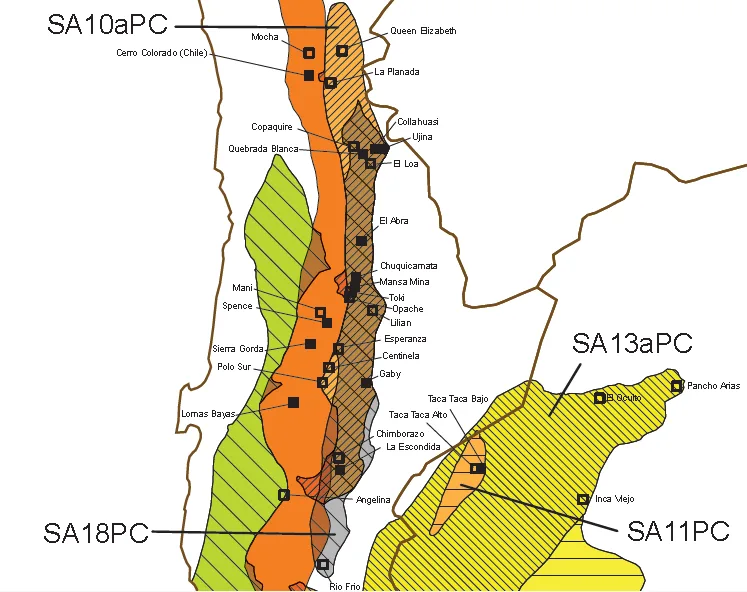
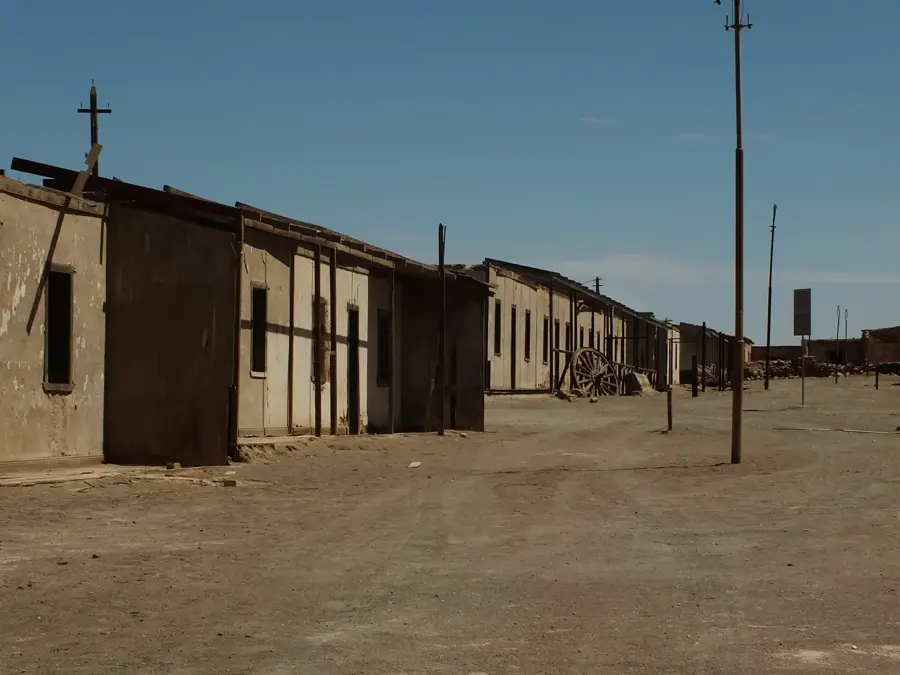
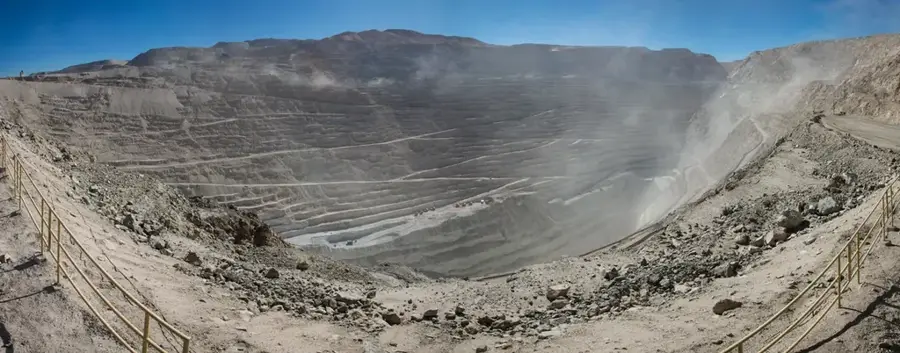
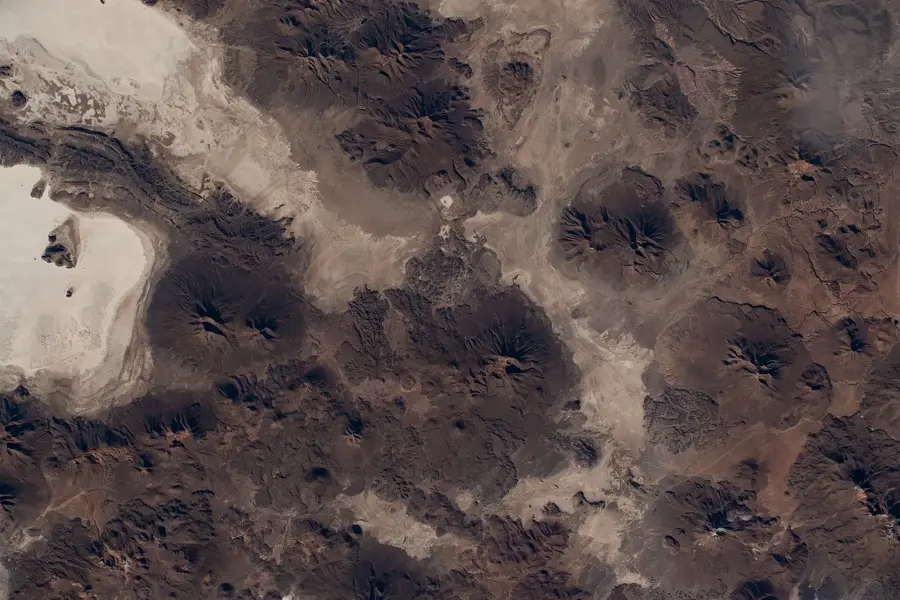
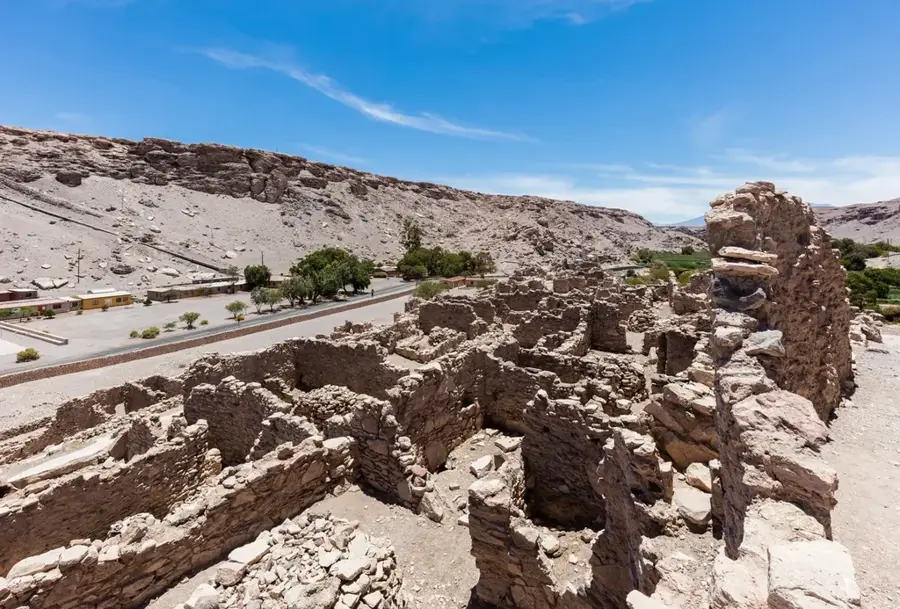
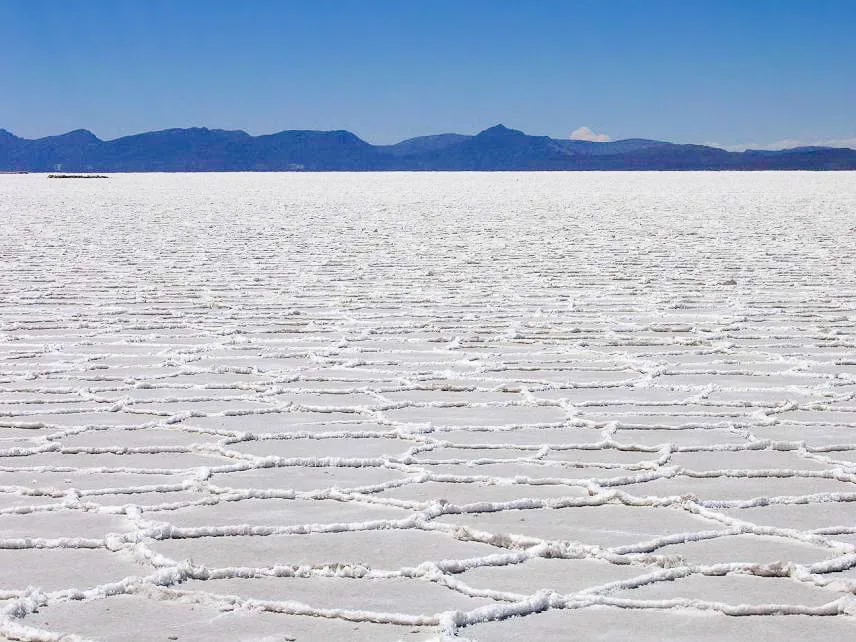
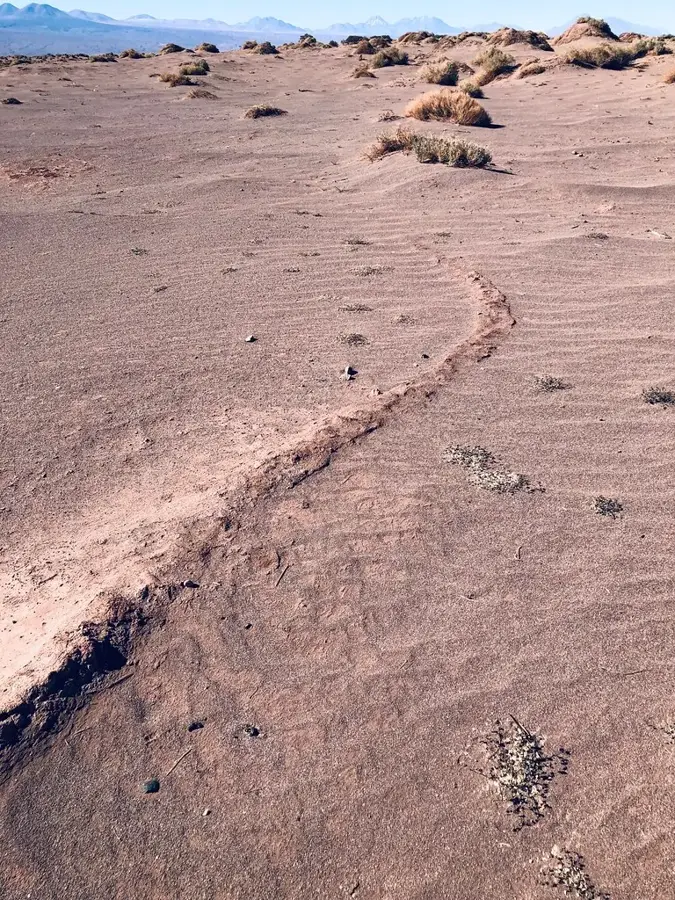
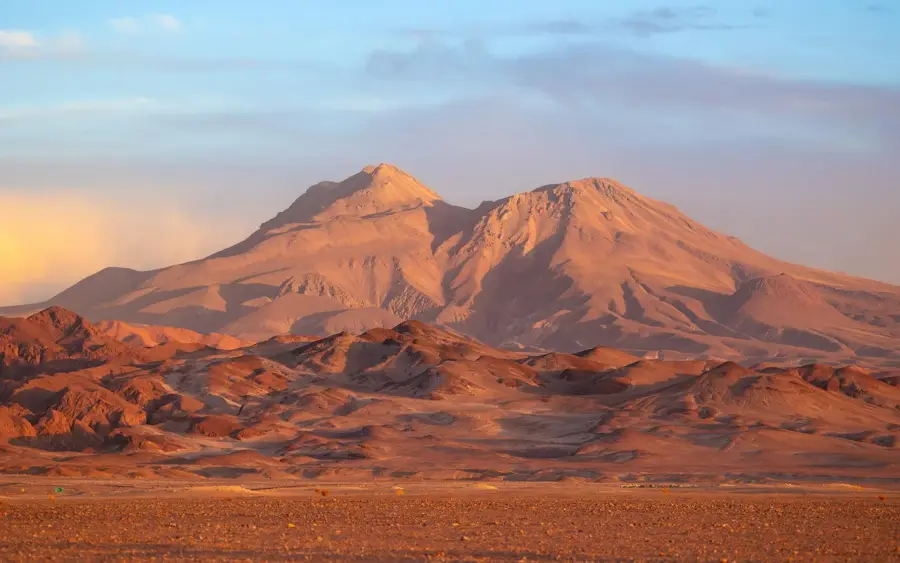
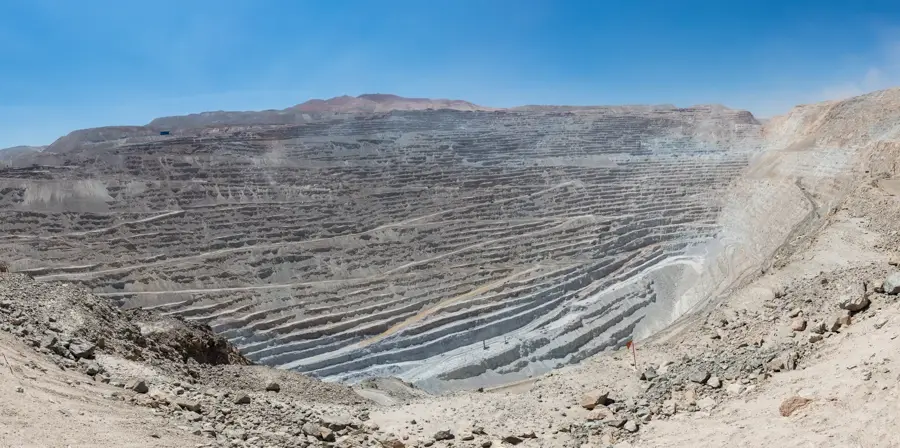
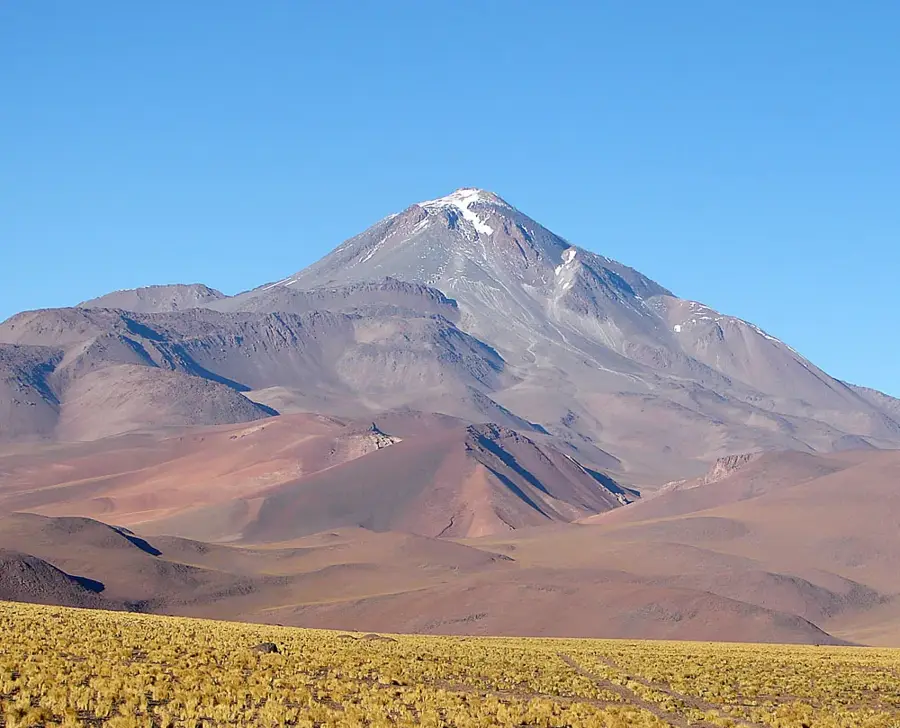
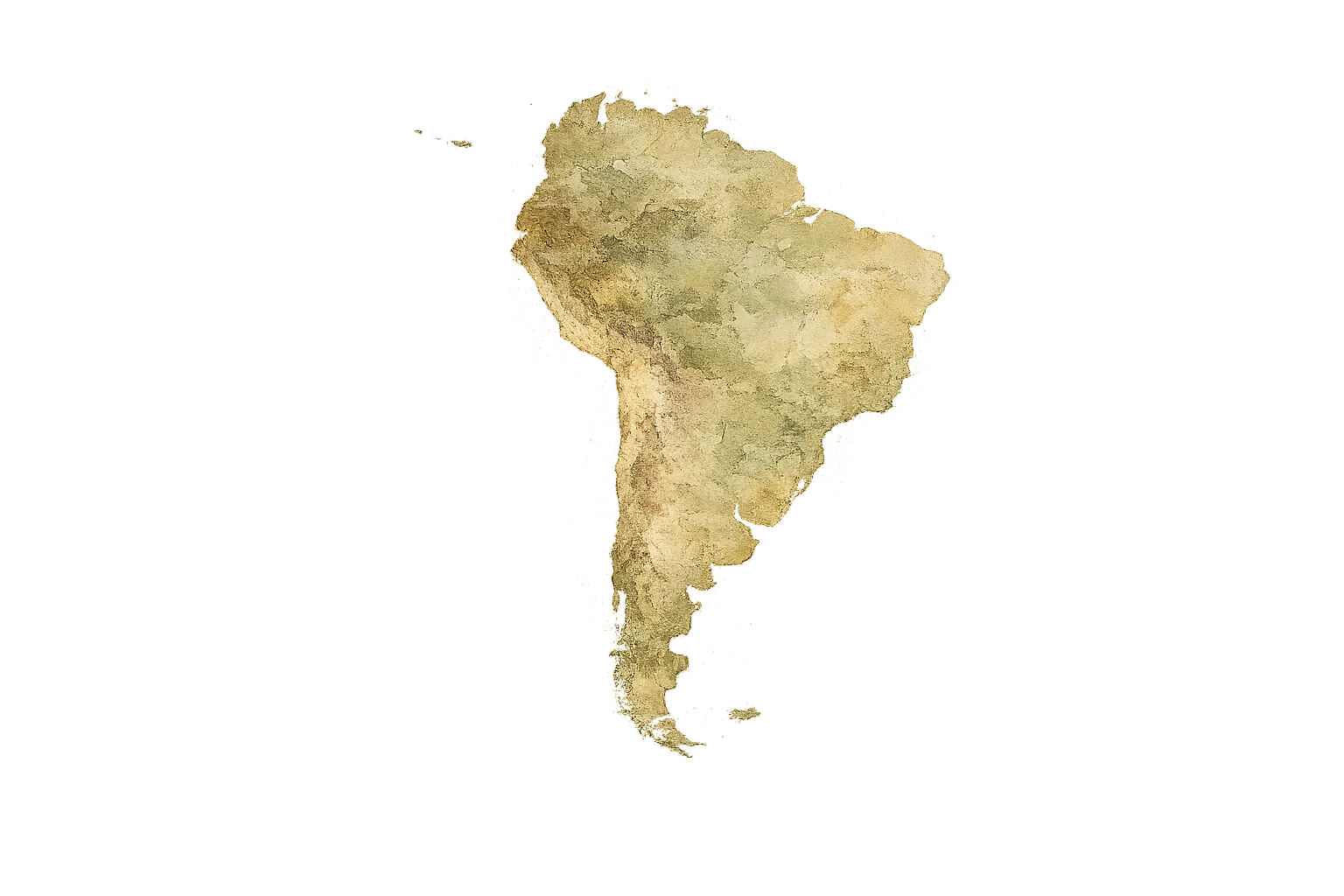
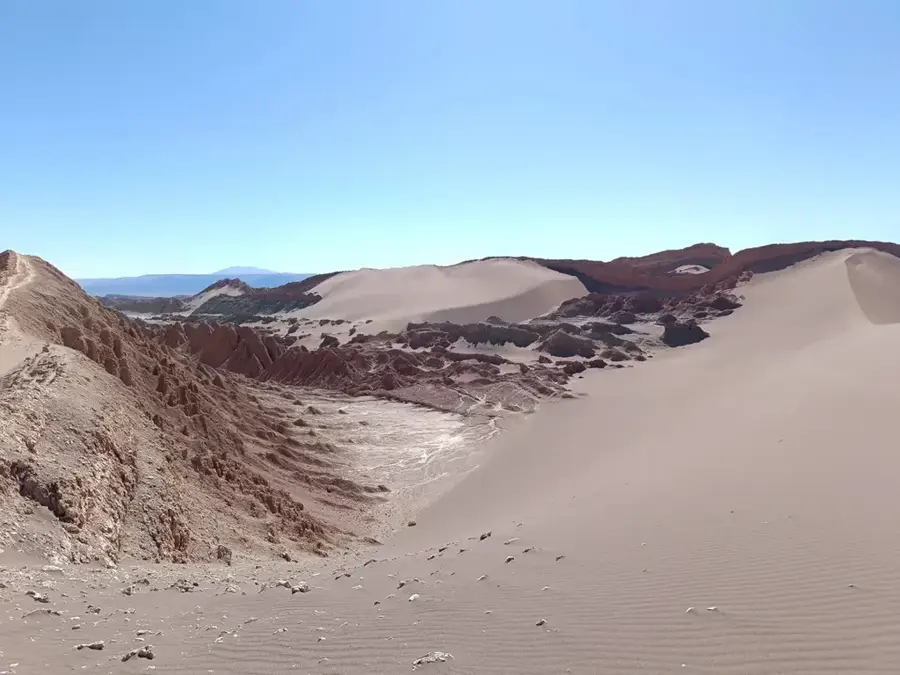
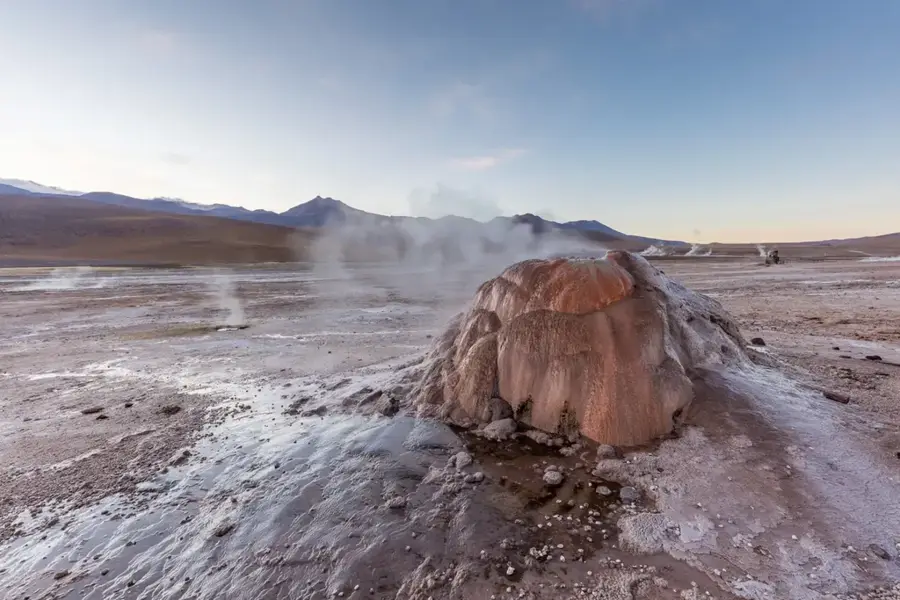
The Atacama Desert in northern Chile is widely regarded as the driest non-polar place on Earth. Spanning approximately 105,000 square kilometers, this high-altitude plateau is positioned between the Chilean Coastal Range and the Andes Mountains. Its extreme aridity is caused by a temperature inversion from the cold Humboldt Current and the rain shadow effect of the Andes, resulting in decades-long dry spells in certain areas. The geography features vast salt flats like the Salar de Atacama, high-altitude geyser fields such as El Tatio, and the eroded landscapes of the Valle de la Luna. Because of its dry air and lack of light pollution, it is a premier destination for global astronomy, hosting the ALMA radio telescope array. Beyond its natural wonders, the Atacama is a vital mining hub, containing some of the world's largest deposits of copper and lithium, which are crucial for modern electronics.
Best time to visit & climate
The most pleasant time to visit is Jan, Feb, Dec.
| Jan | Feb | Mar | Apr | May | Jun | Jul | Aug | Sep | Oct | Nov | Dec | |
|---|---|---|---|---|---|---|---|---|---|---|---|---|
| Avg °C | 15 | 15 | 14 | 12 | 8 | 7 | 7 | 8 | 10 | 12 | 13 | 15 |
| Rain mm | 5 | 6 | 3 | 2 | 1 | 1 | 1 | 1 | 0 | 1 | 2 | 3 |
📋 Practical info
Geography
Facts
- The desert is estimated to be approximately 15 million years old.
- Parts of the Atacama have had no recorded rainfall for over 400 years.
- Salar de Atacama covers 3,000 square kilometers, Chile's largest salt flat.
- The El Tatio geysers are located at an altitude of 4,320 meters.
- The region contains more than 40% of the world's known lithium reserves.
- The ALMA observatory consists of 66 high-precision radio antennas.
Explore nearby
Notable places around

Route planner — Car & Motorhome
Where do you start? We build the route here, with stops and country notes along the way.
© OpenStreetMap contributors · OpenRouteService
Sights nearby
Frequently asked questions
How to avoid altitude sickness?
When is the best time for stargazing?
What should you definitely pack?
Do you need a 4x4 vehicle?
Are there ATMs in San Pedro de Atacama?
Atacama Desert: where is it located?
Atacama Desert: when is the best time to visit?
Atacama Desert: why is it worth visiting?
Nearby cities
History & landmarks
More places