Plizio Visual Lab
Oum Hadjer

ℹ️Practical info — Oum Hadjer
▾
🌤 Weather — 5 days
📍 Nearby
Sights nearby
💡 Tips
- Visit the Batha River bed in the early morning to witness local life before the midday heat sets in.
- Oum Hadjer is a cash-only economy; ensure you carry enough CFA Francs as ATMs are non-existent.
- If invited for a tea ceremony, accept at least three glasses to honor the local tradition of hospitality.
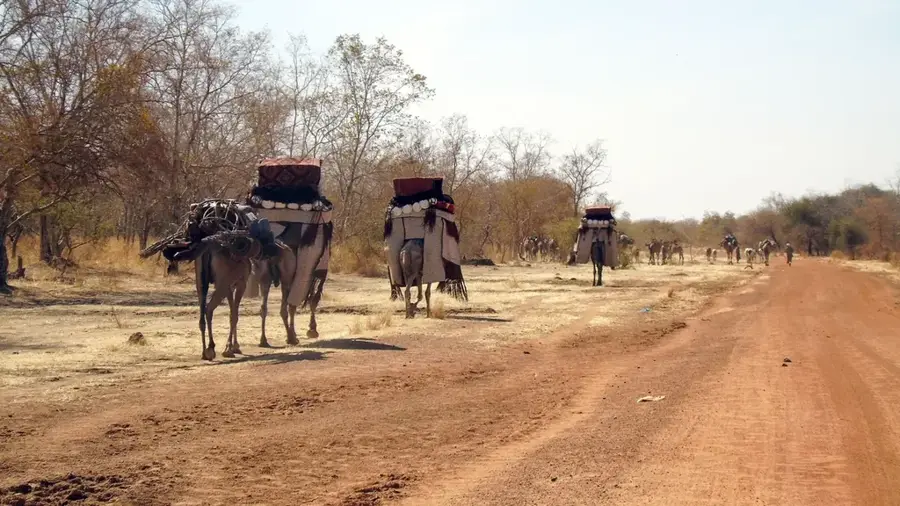
- Use the town as a strategic rest stop when traveling the long route between N'Djamena and Abéché.
- Be mindful of the rainy season (July to September), which can make the surrounding unpaved roads impassable.
🍽 Food
A fermented pearl millet porridge, a nutritious regional staple often prepared fresh by market vendors.
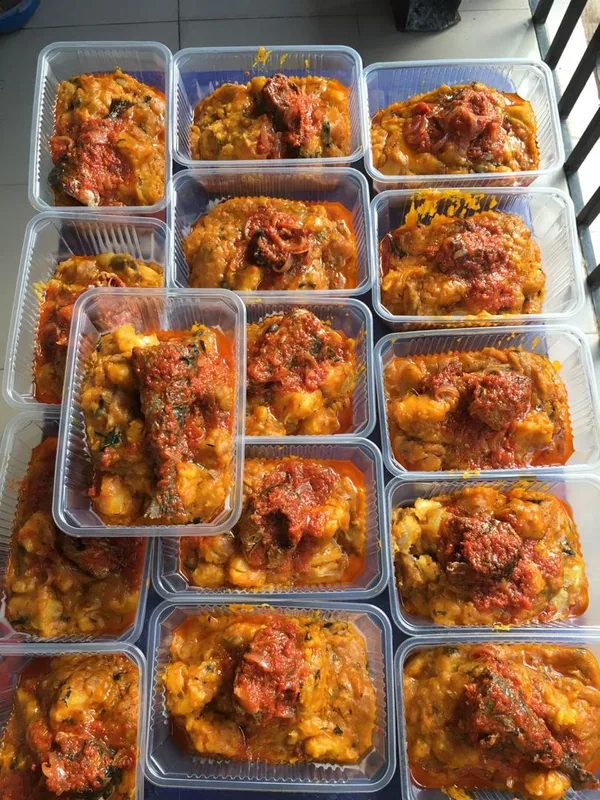
A savory okra and peanut stew, best enjoyed with kissar (fermented flatbread) in local eateries.
Spiced peanut-crusted meat skewers, typically sold by street vendors near the main market area.
🛍 Shopping · 🧘 Quiet spots
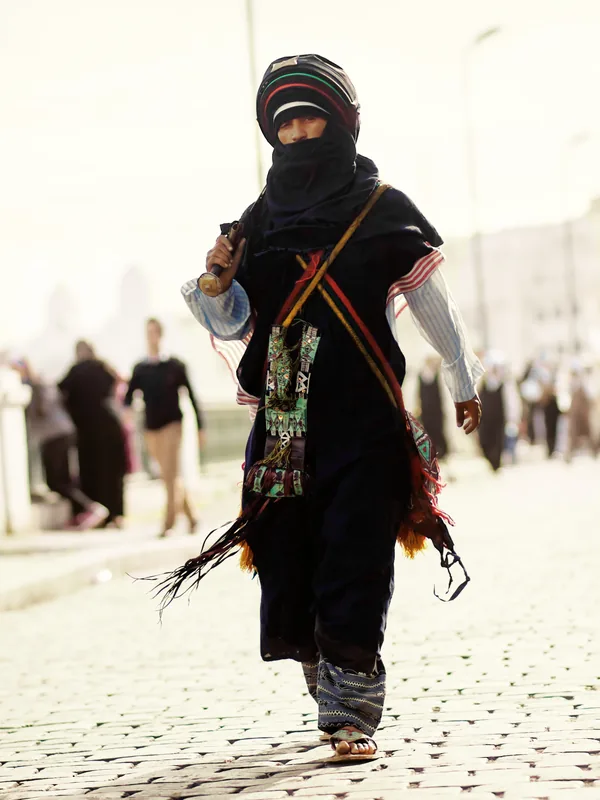
Look for colorful textiles and hand-woven baskets unique to the Batha region.
Purchase local karkanji (dried hibiscus) and ginger to recreate authentic Chadian tea at home.
A rare green space in the city, providing a shaded spot for a quiet break.
Outside the rainy season, the dry riverbed gives vast, peaceful areas for a stroll on the outskirts.
Water temperature…
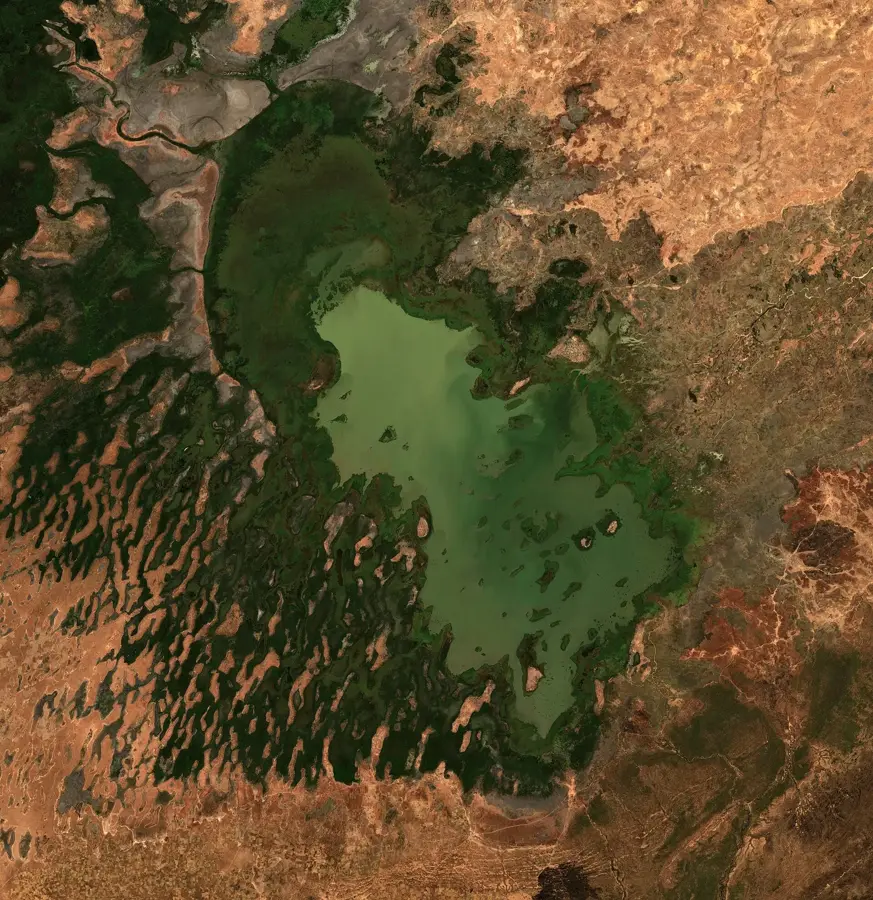
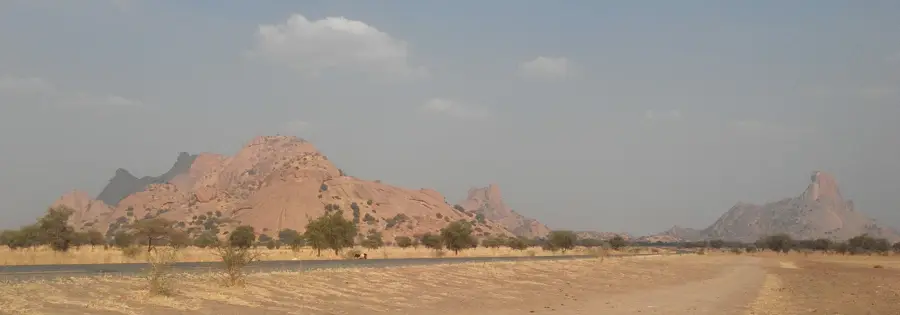
Oum Hadjer is a significant town in the Batha region of central Chad, strategically located on the main road between N'Djamena and Abéché. The town is bisected by the seasonal Batha River, spanned by one of the country's most important bridges connecting the east with the west. Due to its location, Oum Hadjer has historically been a contested strategic point during political conflicts and insurgencies. Geographically, the surroundings are characterized by the typical Sahelian landscape with thorn savannas and vast plains that briefly turn green during the rainy season. The local economy focuses on lively market trade, livestock rearing, and agriculture, with millet and peanuts being the primary crops. With a population of approximately 26,000 residents, the town serves as an essential rest stop for travelers and traders on the trans-African route. The climate is semi-arid with a distinct dry season that drastically reduces the water level of the Batha River. Oum Hadjer remains a vital hub for national unity and economic exchange within the country.
- Location: Chad
- Population: ~37.941 (2023)
Best time to visit & climate
The most pleasant time to visit is Jan, Nov, Dec.
| Jan | Feb | Mar | Apr | May | Jun | Jul | Aug | Sep | Oct | Nov | Dec | |
|---|---|---|---|---|---|---|---|---|---|---|---|---|
| Avg °C | 24 | 27 | 30 | 33 | 34 | 33 | 30 | 27 | 28 | 29 | 27 | 24 |
| Rain mm | 0 | 0 | 0 | 1 | 10 | 33 | 131 | 226 | 72 | 14 | 0 | 0 |
Geography
Facts
- Significant town located in the Batha region of Chad.
- Situated on the banks of the seasonal Batha River.
- Features a strategic bridge on the east-west national axis.
- Central stopping point on the National Highway 1.
- Population is approximately 26,000 residents.
- Important marketplace for peanuts and livestock trade.
Explore nearby
Notable places around

Route planner — Car & Motorhome
Where do you start? We build the route here, with stops and country notes along the way.
© OpenStreetMap contributors · OpenRouteService
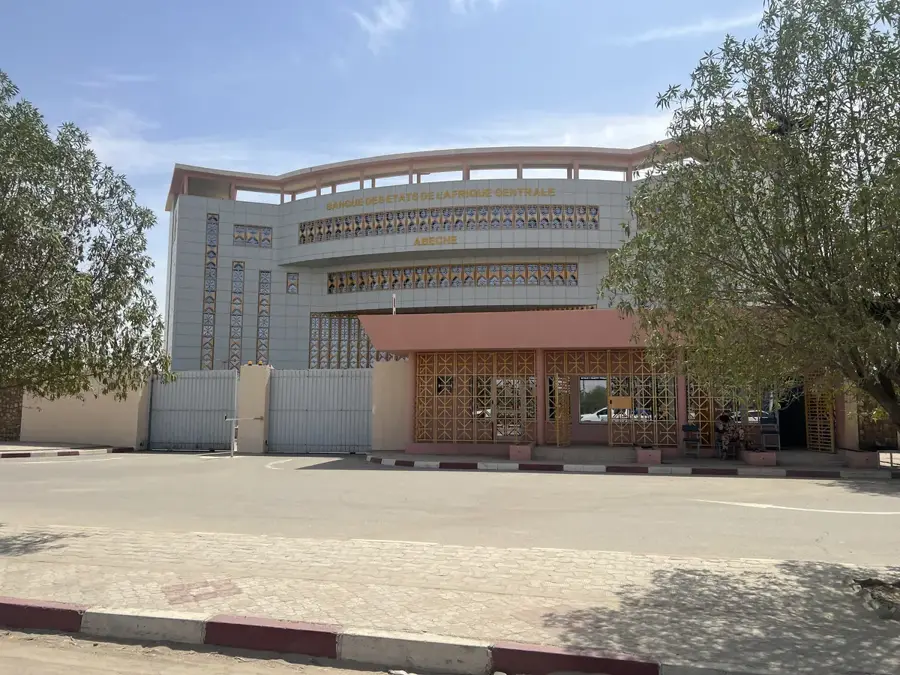
Sights in the town Oum Hadjer (1)
Frequently asked questions
What characterizes Oum Hadjer?
How long is a stay worthwhile?
Is it developed for tourism?
What to watch for when traveling to Oum Hadjer?
Which culture dominates?
Oum Hadjer: where is it located?
Oum Hadjer: when is the best time to visit?
Oum Hadjer: why is it worth visiting?

Nearby cities
Nature
More places