Plizio Visual Lab
Tago Site
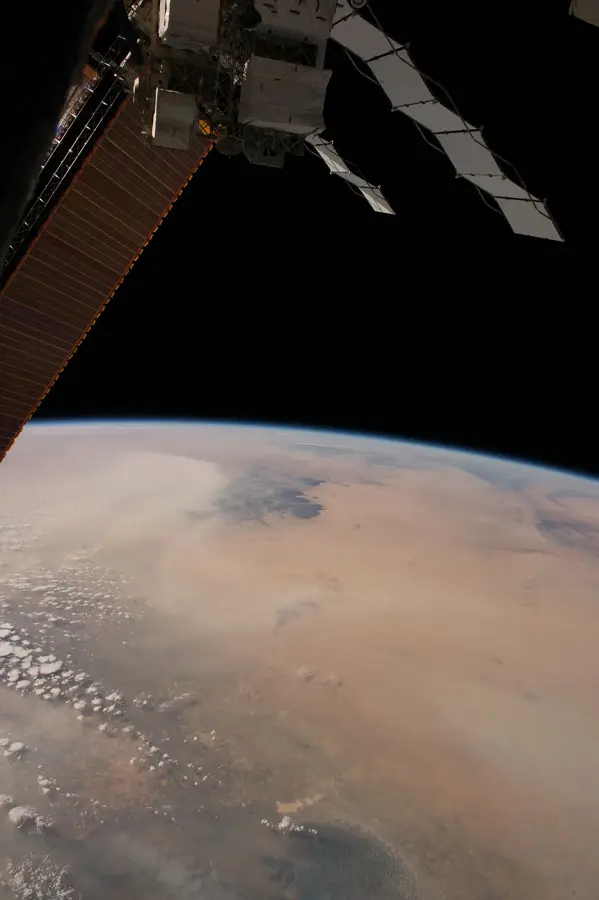
Weather…
Water temperature…
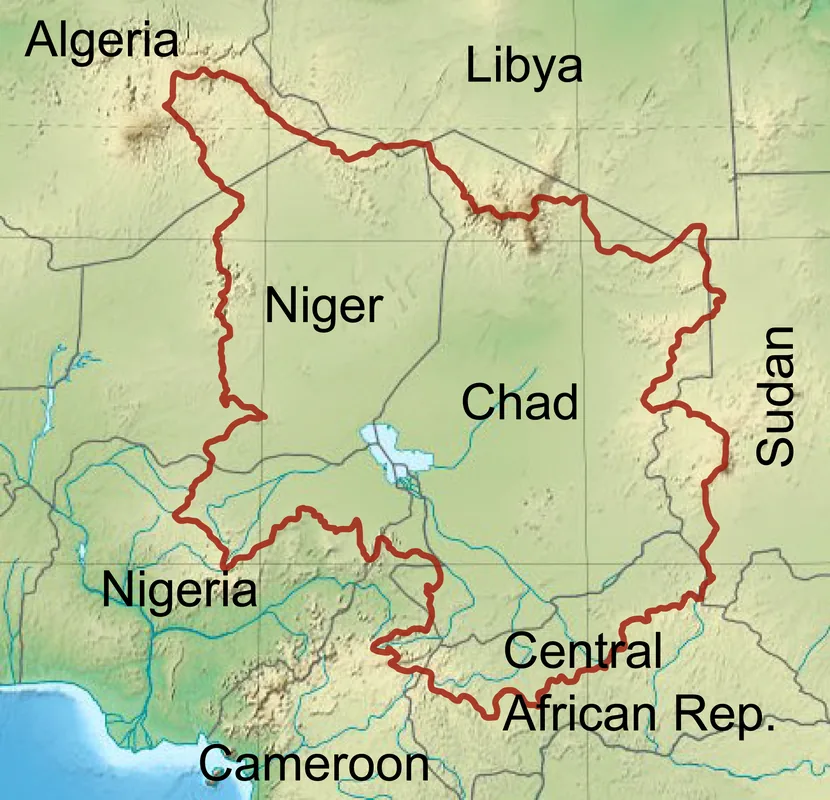
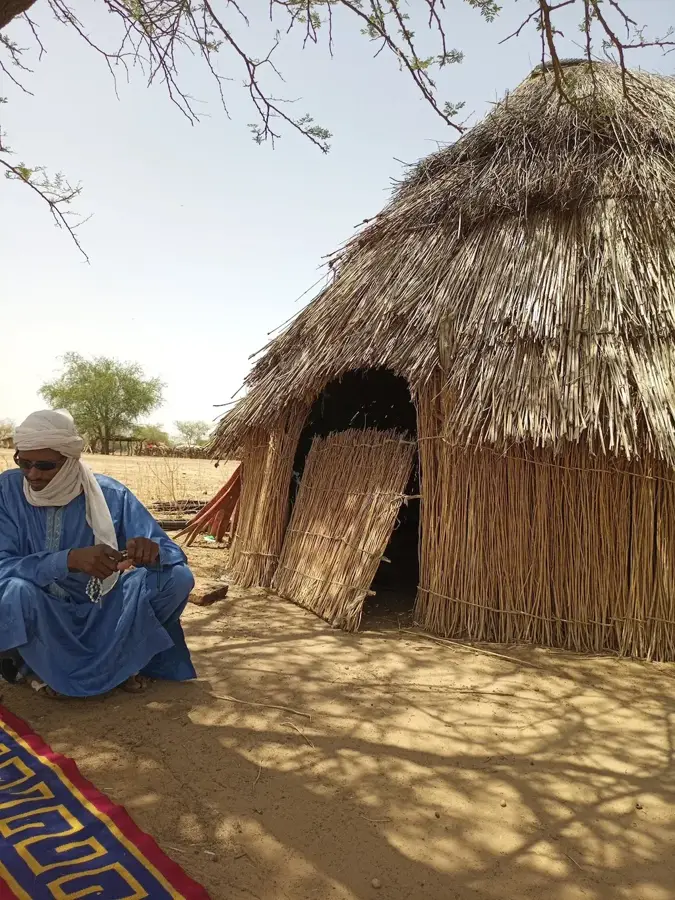
Tago is a prominent Sao site in the southern Lake Chad basin, primarily known for its monumental archaeological remains. The settlement was strategically positioned in a resource-rich region, evolving into a major center for craftsmanship. Notable finds include large-scale statues and ritual vessels that reflect the complex spiritual world of the Sao inhabitants. Like many Sao towns, Tago was fortified, indicating a period of political instability and a need for organized collective defense. The archaeological layers at Tago document the transition from the Late Stone Age to the fully developed Iron Age in Central Africa. Inhabitants utilized the fertile alluvial soils for intensive agriculture, which supported a substantial urban population. Today, Tago serves as a key subject of study for researchers examining migration patterns and cultural exchanges between the Lake Chad basin and the forested regions to the south.
- Location: Chad
- Nearby: Massaguet (42 km)
Best time to visit & climate
The most pleasant time to visit is Jan, Nov, Dec.
| Jan | Feb | Mar | Apr | May | Jun | Jul | Aug | Sep | Oct | Nov | Dec | |
|---|---|---|---|---|---|---|---|---|---|---|---|---|
| Avg °C | 23 | 27 | 31 | 34 | 35 | 33 | 30 | 28 | 28 | 29 | 27 | 24 |
| Rain mm | 0 | 0 | 0 | 3 | 17 | 57 | 127 | 195 | 82 | 22 | 0 | 0 |
📋 Practical info
Geography
Facts
- Tago is among the largest Sao settlements in the Chari-Baguirmi region.
- Statues measuring up to 50 centimeters in height have been excavated here.
- The site contains remnants of massive enclosure walls made of sun-dried bricks.
- The primary period of habitation at Tago spanned the 9th to 15th centuries AD.
- Residents of Tago were highly skilled in the production of copper jewelry.
- The settlement is situated on a natural plateau above the seasonal flood line.
Explore nearby
Notable places around
Route planner — Car & Motorhome
Where do you start? We build the route here, with stops and country notes along the way.
© OpenStreetMap contributors · OpenRouteService
Sights nearby
Frequently asked questions
What is the Tago site?
Is the area public?
What should one bring for a visit?
Are there signposts there?
Is it photogenic?
Tago Site: where is it located?
Tago Site: when is the best time to visit?
Tago Site: why is it worth visiting?

Nearby cities
History & landmarks



More places