Plizio Visual Lab

Fort Sibut
Plizio editorial teamData Sources
Historical site
—°1
Fort Sibut (Central African Republic)

Weather…

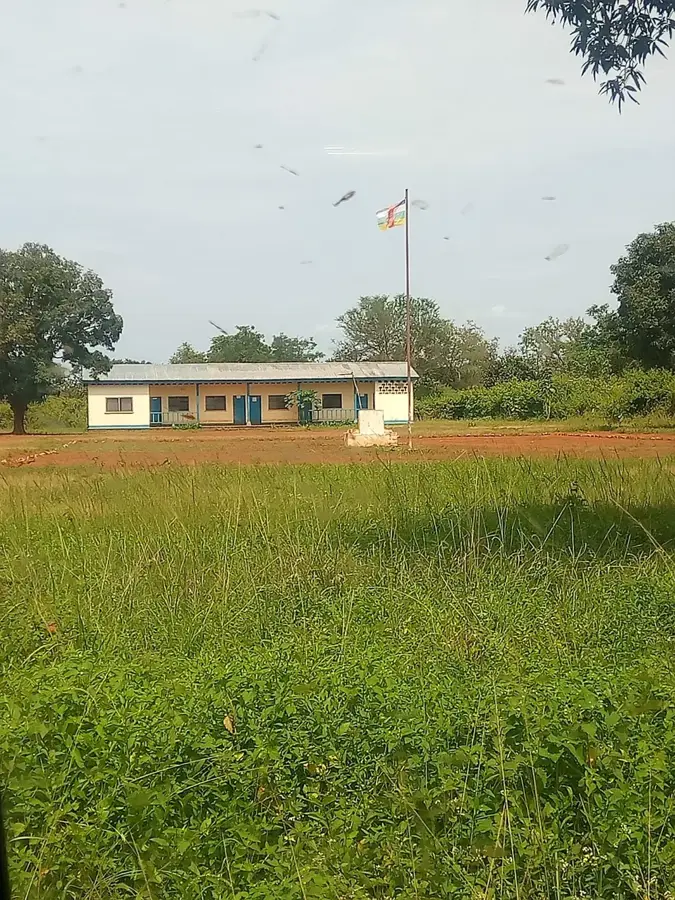
Fort Sibut, now the city of Sibut, was established in 1899 by French colonial forces under the original name Fort-de-la-Kémo. It was later renamed to honor a French officer who died in the region during the early stages of the colonial administration. Geographically, the outpost was situated at a vital crossroads that controlled the primary route from Bangui to the northern territories of the Gribingui basin. During the turn of the 20th century, the fort served as an essential logistical hub for the movement of goods and troops between the Ubangi River and the Lake Chad basin. The development of the settlement was closely tied to the installation of the first telegraph lines and the construction of the earliest maintained roads in Central Africa. Sibut played a central role in the administration of the Kémo-Ibingui region and served as a major collection point for local rubber production. The city's layout still reflects aspects of colonial urban planning, designed for military efficiency and administrative oversight. As a historic gateway to the north, Sibut remains a significant landmark in the history of the logistical development of the African interior.

Best time to visit & climate

The most pleasant time to visit is Jan, Nov, Dec.

JanFebMarAprMayJunJulAugSepOctNovDec
Avg °C272928272726252525252526
Rain mm53394100124155209194217211523

📋 Practical info

🚪
Visiting
The extensive historical site, reminiscent of the French colonial era, is primarily a location of regional importance today. A visit focuses mainly on the remaining landmarks and structures located in the outer areas of the current settlement.
🕒
Typical hours
Since these are largely historically significant public areas and landmarks, there are typically no strictly regulated opening hours here. Sightseeing and walks through the town are therefore comfortably possible at any time during daylight hours.
📷
Photography
The characteristic architecture of the colonial buildings, though many are quite heavily weathered, provides highly interesting contrasts with the surrounding natural landscape. The unposed local street scenes offer an authentic impression of daily life.
⏱️
Time needed
A stopover purely to explore the remaining historical structures and the small center of the settlement usually takes little more than about an hour. It is mostly considered a rather short stopover on a longer journey continuing further north.
Combine with
Since this historically steeped town often serves as an important transit point to the north, a short stay can be very well integrated into a longer overland journey. The surrounding rugged landscape also provides fascinating glimpses into the regional nature.
🧭
Getting there
Basic accessibility depends extremely heavily on the fluctuating quality of the main overland roads, which can vary significantly depending on the current season. A reliable, sturdy off-road vehicle is often absolutely mandatory for traveling in this remote region.
💡
Insider tip
Always check with local authorities about the current security situation and road conditions before departing, as circumstances can change very rapidly here. Bringing along sufficient emergency provisions and plenty of drinking water is absolutely, highly recommended.

Geography

Coordinates
5.71600, 19.07100

Facts

  • The fort was originally founded in 1899 as Fort-de-la-Kémo.
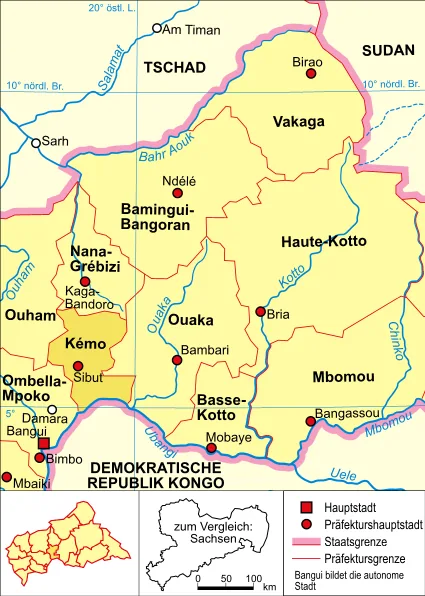
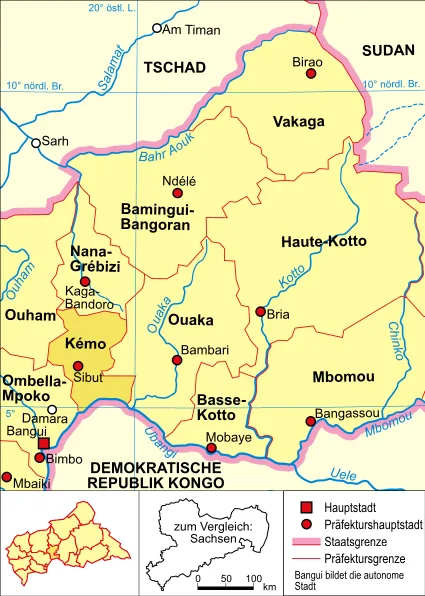
  • Sibut is located approximately 180 kilometers north of the capital, Bangui.
  • The town was renamed in honor of a French officer who perished at the site.
  • It was a major station on the first telegraph line connecting to Lake Chad.
  • During the colonial era, it was a critical collection point for wild rubber.
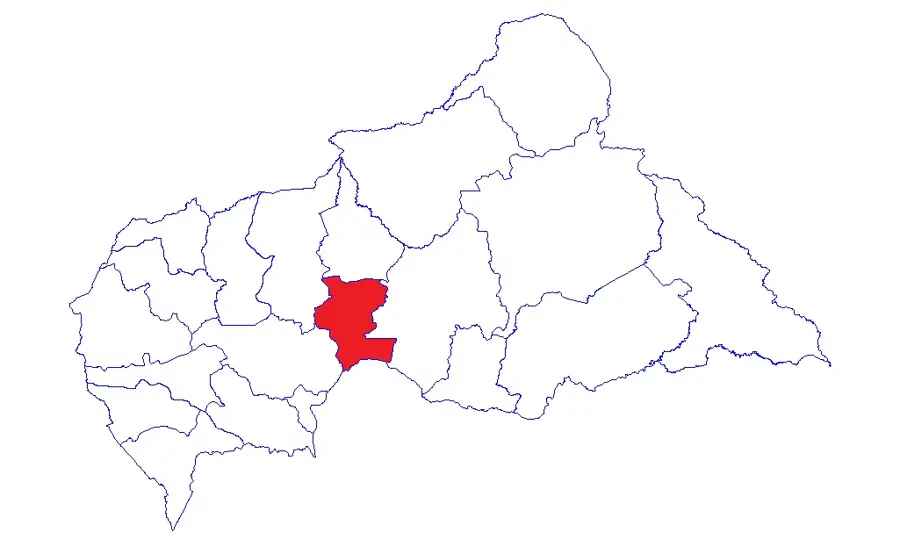
  • Sibut currently serves as the capital of the Kémo economic prefecture.

Explore nearby

Notable places around

Route planner — Car & Motorhome

Where do you start? We build the route here, with stops and country notes along the way.

Vehicle
Only stops with (optional):

© OpenStreetMap contributors · OpenRouteService

Sights in the town Fort Sibut (1)

Sibut📍 landmark

Sibut is a town in the Central African Republic. It lies on the Kémo River and is the capital of Kémo prefecture.

Sights nearby

Frequently asked questions

What is the history of Fort Sibut?
Originally founded as Fort de Possel, it was an important French outpost.
Why was Sibut strategically important?
It was located at the transition from the forest zone to the savanna and was a transport hub.
What can you see there today?
You can still find some administrative buildings from the colonial era and monuments.
When is the town festival in Sibut?
Sibut is known for its lively markets; special festivals often depend on local holidays.
Is Sibut a good stopover?
Yes, it is a popular stopover for travelers on their way from Bangui to the north.
Fort Sibut: where is it located?
Fort Sibut is located in Central African Republic.
Fort Sibut: when is the best time to visit?
The most pleasant time to visit is Jan, Nov, Dec.
Fort Sibut: why is it worth visiting?
Fort Sibut, now the city of Sibut, was established in 1899 by French colonial forces under the original name Fort-de-la-Kémo.
View on map → The Top 50 Attractions → OpenStreetMap →
Africa
Explore with Plizio Discover more places in Africa
More places in Central African Republic →

Nearby cities

History & landmarks