Plizio Visual Lab

Paul Valley

Plizio editorial teamData Sources
Forest
—°1
Paul Valley (Cape Verde)

Weather…

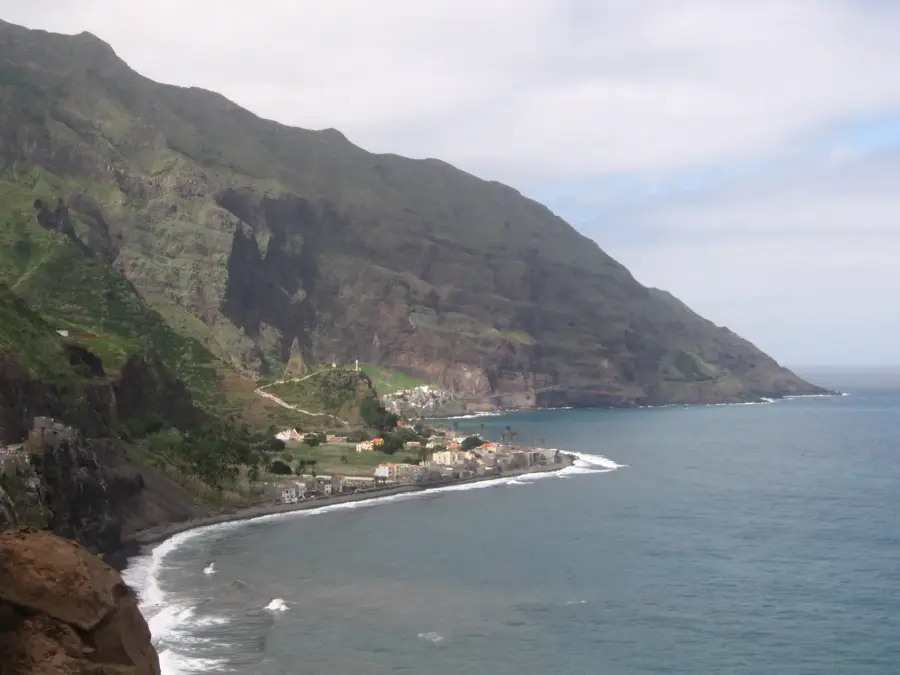
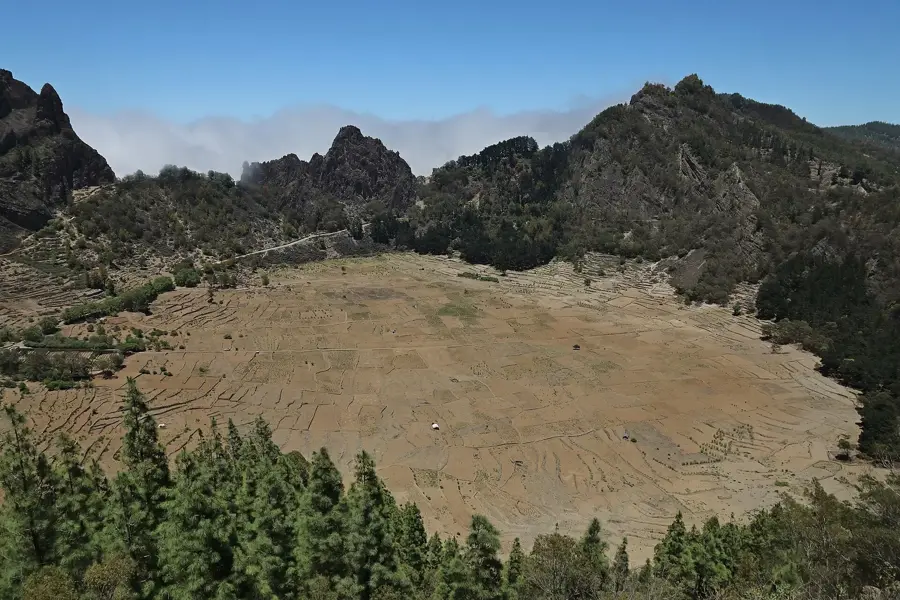
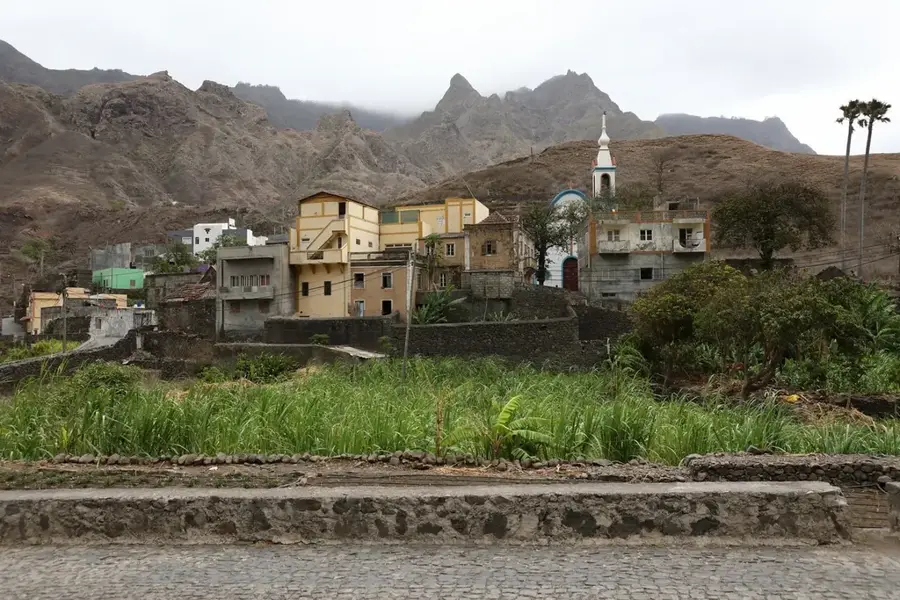
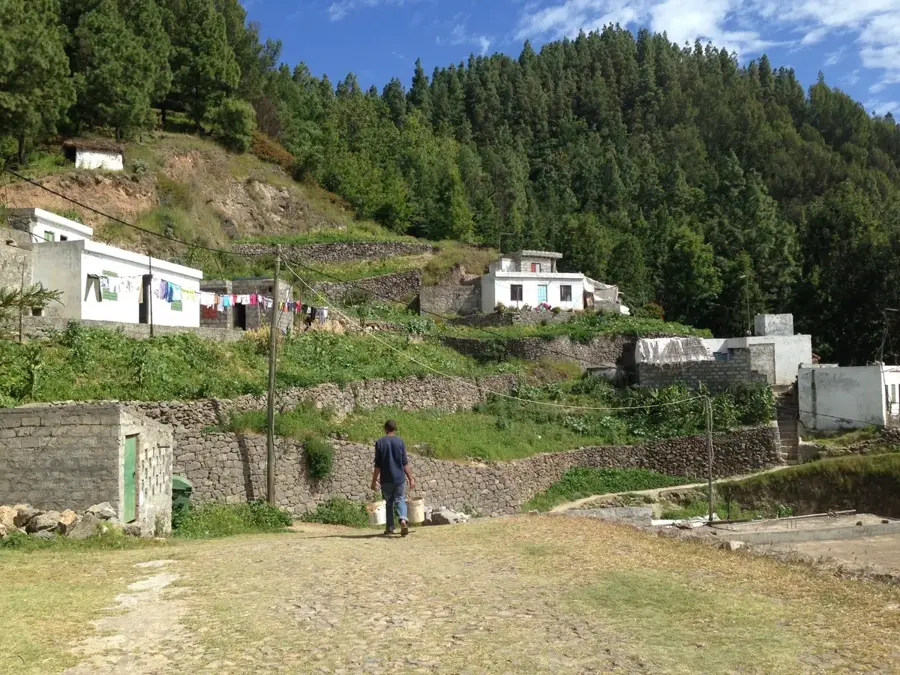
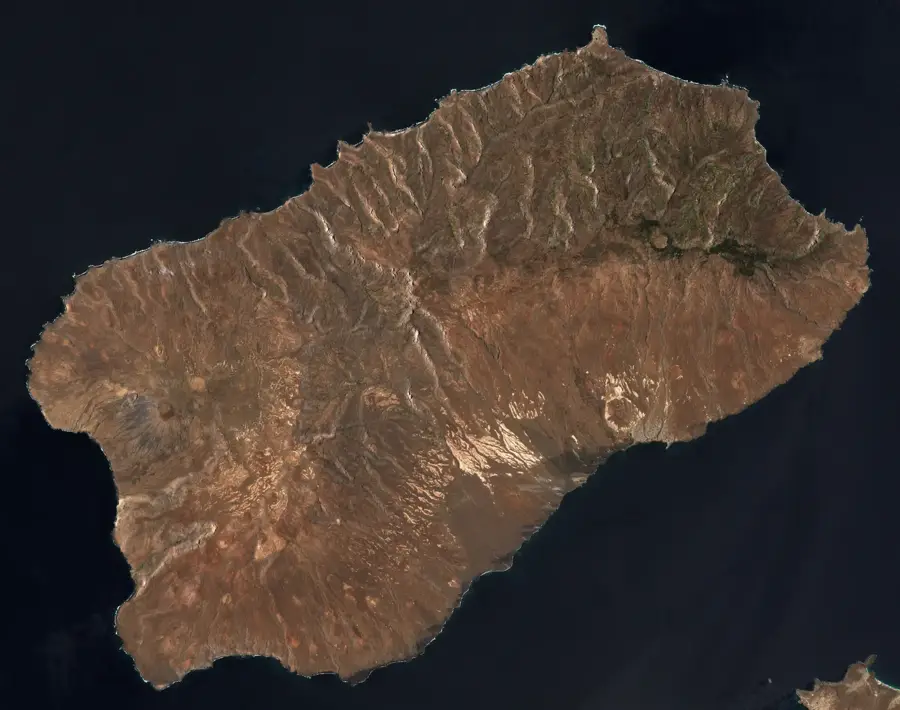
The Paul Valley (Vale do Paúl) on Santo Antão Island is the greenest and most fertile valley in the entire Cape Verdean archipelago. Extending from the high interior peaks down to the northern coast, it is characterized by spectacular terraced agriculture carved into steep mountain slopes. Thanks to high rainfall and numerous natural springs, sugarcane, coffee, bananas, and breadfruit trees thrive here in abundance. The valley is the heart of traditional grogue production, the Cape Verdean sugarcane spirit crafted in small artisanal distilleries known as 'trapiches.' Hikers treasure the Paul Valley for its challenging trails that wind through dense tropical vegetation and quaint, pretty villages. Geologically, the valley was formed by deep erosion into the volcanic massif, resulting in nearly vertical cliffs and dramatic vistas. Over centuries, local inhabitants have engineered a sophisticated irrigation system of stone channels called 'levadas' to manage the water supply. The atmosphere in the valley is peaceful and authentic, far removed from the influences of modern mass tourism. A visit to the Paul Valley is widely considered the ultimate nature experience for travelers seeking the raw, original spirit of Cape Verde.

Best time to visit & climate

The most pleasant time to visit is Mar–May.

JanFebMarAprMayJunJulAugSepOctNovDec
Avg °C212121222223242626262423
Rain mm413719147792846273750

📋 Practical info

🧭
Getting there
The valley is typically accessed from the coastal towns of Santo Antão, often by taking an 'aluguer' (shared minibus) to the upper crater. From the starting point, most visitors choose to hike downwards, enjoying the dramatic scenery as the valley opens up towards the sea.
📅
Best season
While the climate is generally pleasant year-round, the months immediately following the rainy season, from October to December, are dramatic. During this time, the steep terraces are exceptionally lush and green, showcasing the valley's renowned agricultural fertility.
⛰️
Terrain & paths
The hiking routes consist of a spectacular network of steep, cobbled mule tracks, narrow agricultural terraces, and winding dirt paths. The dramatic rock walls rise vertically on either side, meaning hikers will face continuous, sometimes strenuous descents.
🎒
What to bring
Sturdy walking shoes with excellent grip are crucial to safely navigate the steep, occasionally slippery cobbled paths. Sun protection, a lightweight daypack, and plenty of drinking water are essential for comfort during the prolonged downhill trek.
🅿️
Parking
Limited parking is available in the small villages dotting the valley floor, but independent driving is relatively uncommon for hikers. Most visitors prefer using local public transport for convenient point-to-point hikes without needing to return to a parked vehicle.
⚠️
Safety
It is essential to stick to the established trails, as wandering onto precarious agricultural terraces can lead to dangerous drop-offs. The weather in the high mountains can change rapidly, bringing sudden fog or rain that makes the stone paths unexpectedly slippery.
⏱️
Time needed
A full hike down the entire length of the valley typically takes about four to six hours at a comfortable, scenic pace. Those looking for a less demanding experience can opt for shorter, two-hour strolls in the lower, more accessible sections of the valley.

Geography

Coordinates
17.12000, -25.02000

Facts

  • The greenest and most fertile valley in Cape Verde.
  • Center of the traditional grogue (rum) production.
  • Features an intricate irrigation system called 'levadas'.
  • Major cultivation area for coffee and sugarcane.
  • Popular starting point for hikes to the Cova crater.
  • Vila das Pombas is the main settlement in the valley.

Explore nearby

Notable places around

Route planner — Car & Motorhome

Where do you start? We build the route here, with stops and country notes along the way.

Vehicle
Only stops with (optional):

© OpenStreetMap contributors · OpenRouteService

Sights in the town Paul Valley (1)

Antenna🌿 nature

The viewpoint by the antenna array provides a wide panorama over the verdant Paul Valley.

Sights nearby

Frequently asked questions

How difficult are the hikes?
There are various difficulty levels, but the paths are often steep and require sure-footedness.
What is grown in the valley?
Paúl is famous for coffee, sugar cane, bananas, and the local grogue spirit.
When is the valley greenest?
After the rainy season, from September to January, the vegetation is in full splendor.
How do you get to Paúl Valley?
Mostly by aluguer from Porto Novo via the spectacular mountain road or the coast.
Is there accommodation there?
Yes, there are welcoming eco-lodges and guesthouses right in the middle of the plantations.
Paul Valley: where is it located?
Paul Valley is located in Cape Verde.
Paul Valley: when is the best time to visit?
The most pleasant time to visit is Mar, May.
Paul Valley: why is it worth visiting?

The Paul Valley (Vale do Paúl) on Santo Antão Island is the greenest and most fertile valley in the entire Cape Verdean archipelago.
View on map → The Top 50 Attractions → OpenStreetMap →
Africa
Explore with Plizio Discover more places in Africa
More places in Cape Verde →

Nearby cities

History & landmarks

More places