Plizio Visual Lab
Pomorie
ℹ️Practical info — Pomorie
▾
🌤 Weather — 5 days
📍 Nearby
Sights nearby
💡 Tips
- Many visitors apply the black healing mud directly from Lake Pomorie; be prepared for the strong sulfur smell.
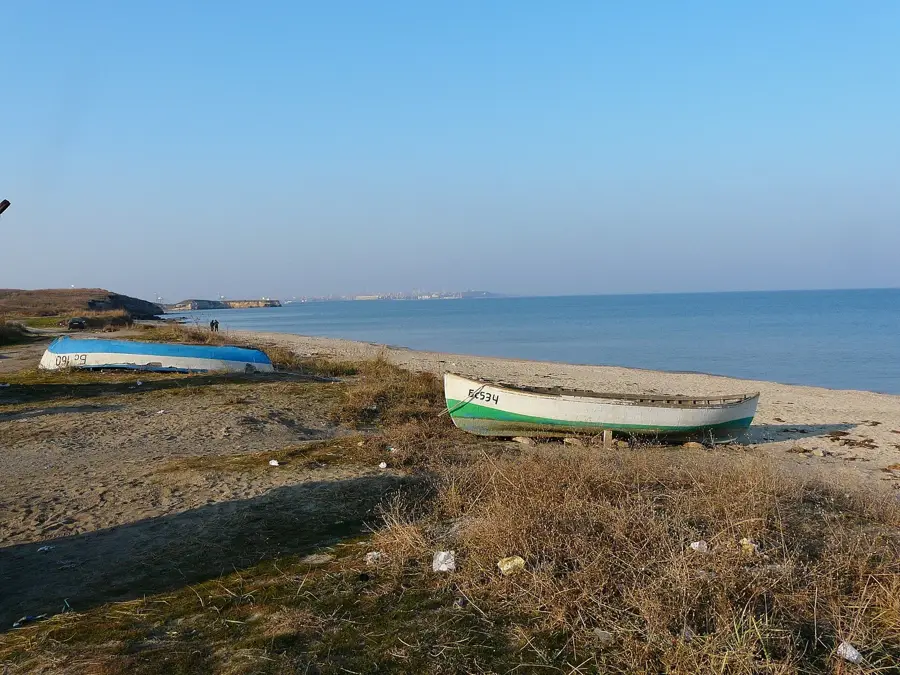
- The beaches here have unique dark sand due to its high iron and mineral content.
- Don't miss a local wine tasting; the region is one of Bulgaria's most renowned wine producers.
- The town is relatively flat, making it very pleasant for renting a bicycle and riding along the coastal path.
🍽 Food
Sample the local white wine, Dimyat, or the regional brandies at the town's wineries or local bars.
A local specialty that highlights both the fresh catch and the town's salt-producing heritage.
Enjoy them at the unpretentious seaside eateries along the town's long promenade.
🛍 Shopping · 🧘 Quiet spots
Buy therapeutic cosmetics, bath salts, and soaps from local pharmacies or specialized shops.
Purchase a bottle of Black Sea Gold straight from the winery shops in town.
A calm area away from the main beaches, great for bird watching and observing the mud-bathers.
An excellent, tranquil spot in the early morning to watch the local fishermen.
Water temperature…
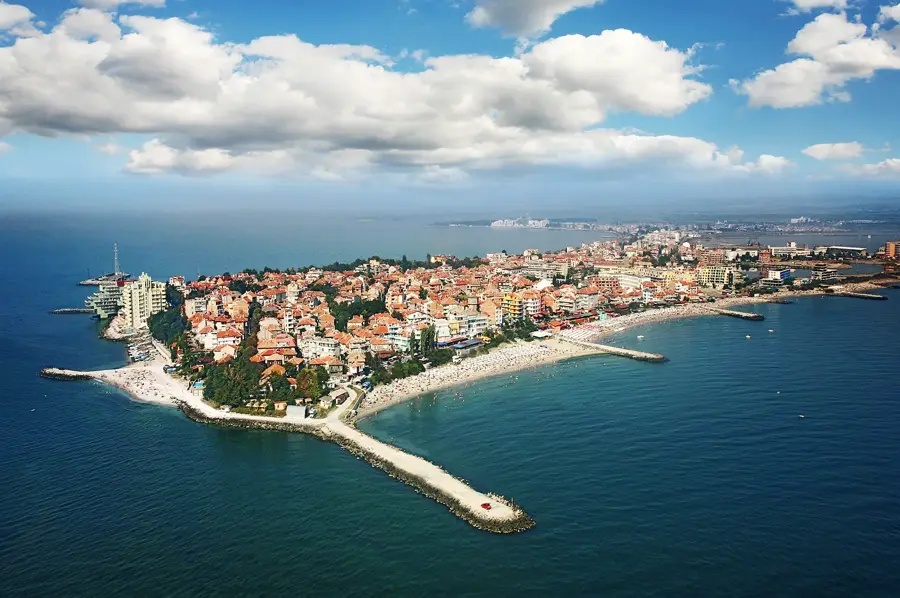
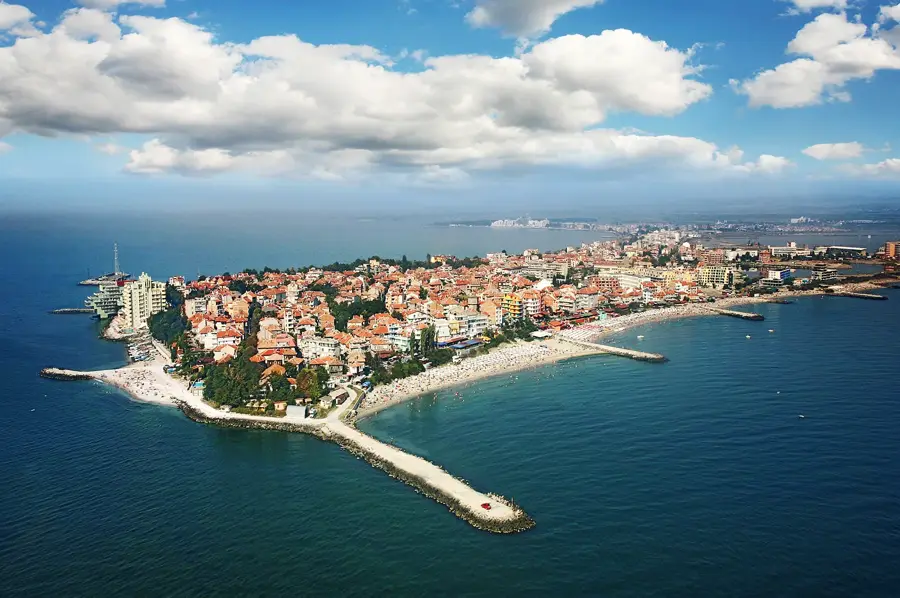
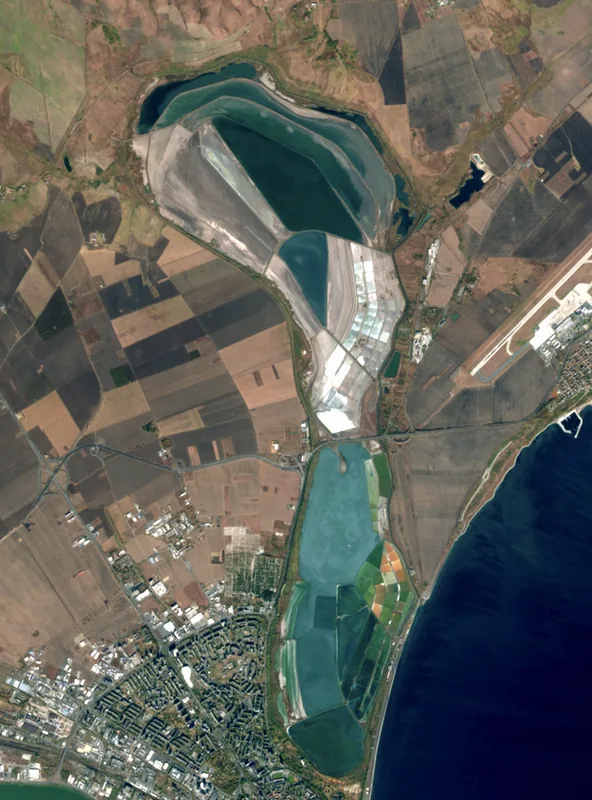
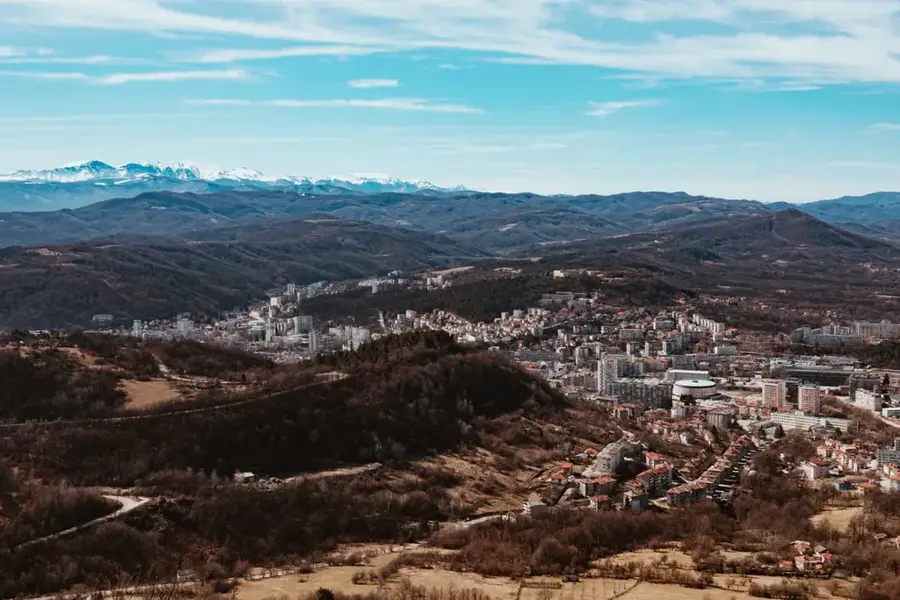
Pomorie is situated on a narrow rocky peninsula stretching 3.5 km into the Black Sea. Founded in the 4th century BC as Anchialos, it was historically a major center for salt production and maritime trade. Today, Pomorie is recognized as Bulgaria's leading balneological resort. The healing mud extracted from the hyper-saline Lake Pomorie is rich in minerals and is used to treat various musculoskeletal and skin conditions. The Salt Museum in town is the only one of its kind in Eastern Europe, showcasing ancient salt production techniques. Beyond its spa facilities, Pomorie gives significant historical sites, including the 2nd-century AD Thracian Beehive Tomb, famous for its unique architecture. The town's beaches are distinctive for their dark, iron-rich sand, which also possesses healing properties. The region is a prominent viticulture center; the local 'Black Sea Gold' winery is renowned for its high-quality wines and brandies. Located between Burgas and Nessebar, Pomorie serves as a quieter retreat that combines health tourism with rich historical heritage and excellent local food.
- Location: Bulgaria
- Top sights: Leten teat'r · Vagonetki · Severen plazh Pomorie
- Nearby: Chernomorets (12 km)
- Population: ~13.714
Best time to visit & climate
The most pleasant time to visit is Jun, Aug, Sep.
| Jan | Feb | Mar | Apr | May | Jun | Jul | Aug | Sep | Oct | Nov | Dec | |
|---|---|---|---|---|---|---|---|---|---|---|---|---|
| Avg °C | 3 | 4 | 7 | 11 | 17 | 22 | 25 | 25 | 20 | 15 | 10 | 5 |
| Rain mm | 65 | 47 | 45 | 34 | 45 | 49 | 47 | 26 | 52 | 68 | 46 | 63 |
Geography
Facts
- Only Salt Museum in Eastern Europe
- Famous for black healing mud
- Ancient Thracian beehive tomb
- Known for high-quality wine and brandy
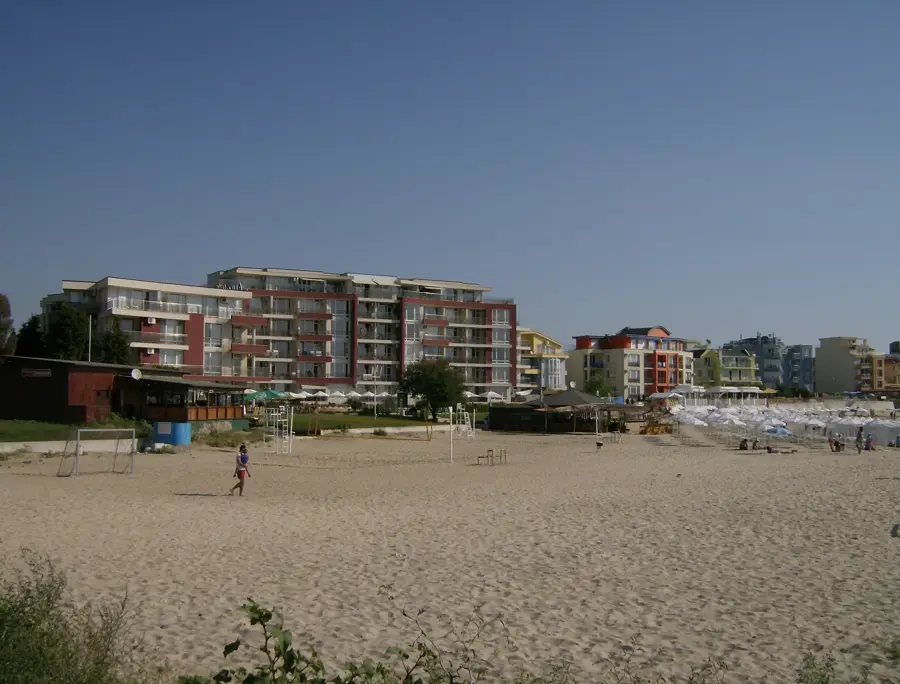
- Beaches with dark mineral sand
- St. George Monastery (19th century)
- Located on a 3.5 km long peninsula
- 20 km north of Burgas airport
Explore nearby
Notable places around
Route planner — Car & Motorhome
Where do you start? We build the route here, with stops and country notes along the way.
© OpenStreetMap contributors · OpenRouteService
Sights in the town Pomorie (8)
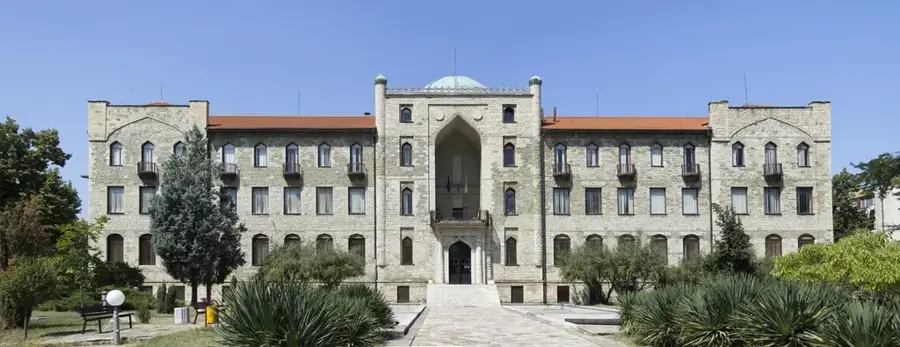
Pomorie Historical Museum🏛 museum
Houses artifacts from Pomorie's history, including Thracian and Roman relics.
Frequently asked questions
What is Pomorie famous for?
What is the Thracian beehive tomb?
Can you visit the Salt Museum?
How is the sand in Pomorie?
Are there wineries in the region?
Pomorie: where is it located?
Pomorie: what is there to see?
Pomorie: when is the best time to visit?
Pomorie: why is it worth visiting?

Nearby cities

History & landmarks