Plizio Visual Lab

Maritsa Valley
Plizio editorial teamData Sources
valley
—°
Maritsa Valley (Bulgaria)

Weather…

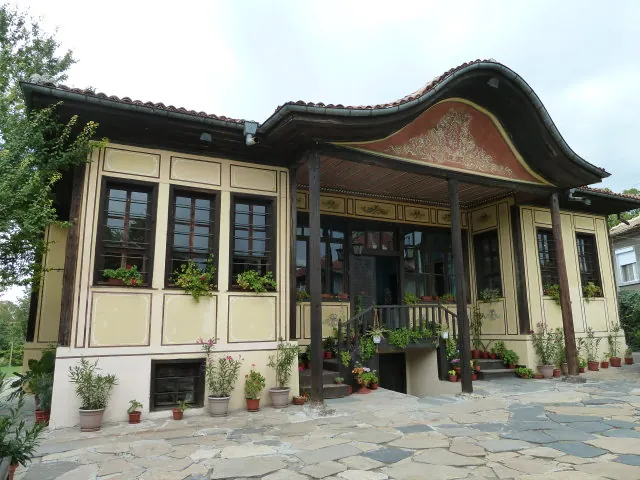
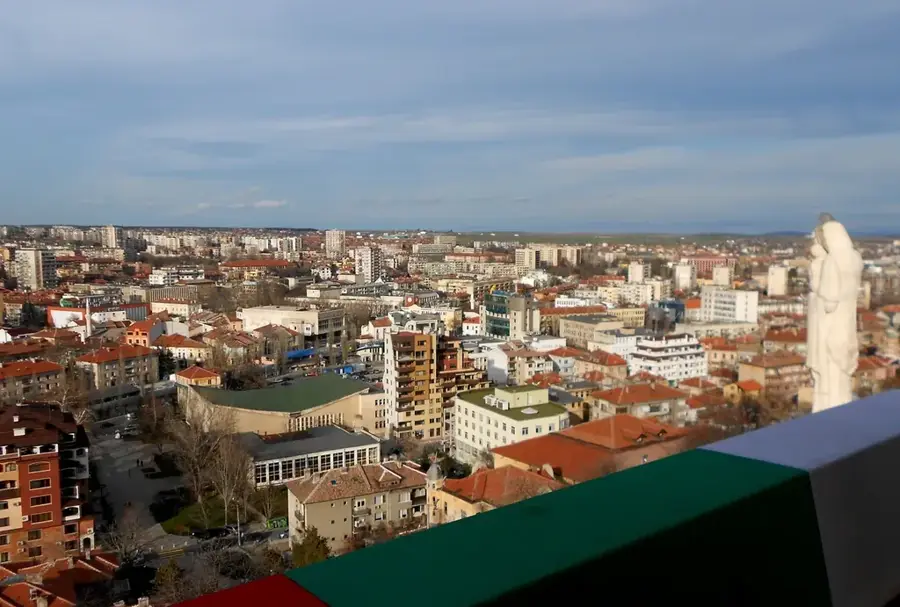
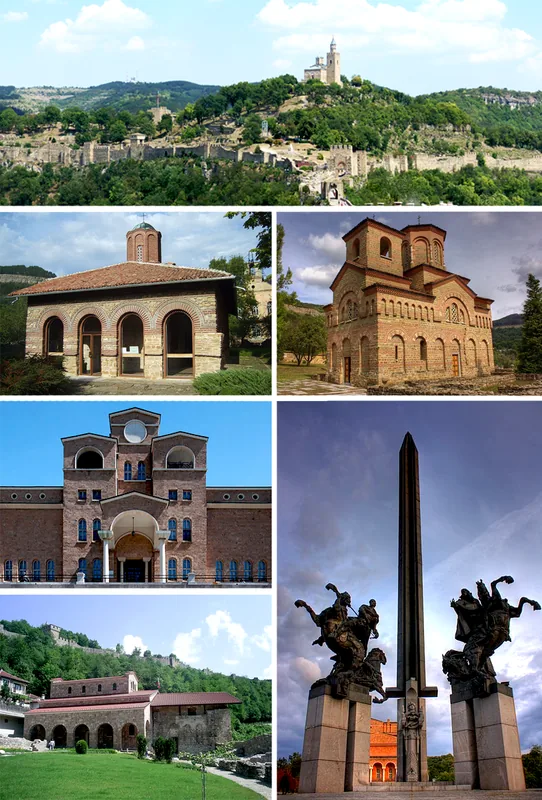
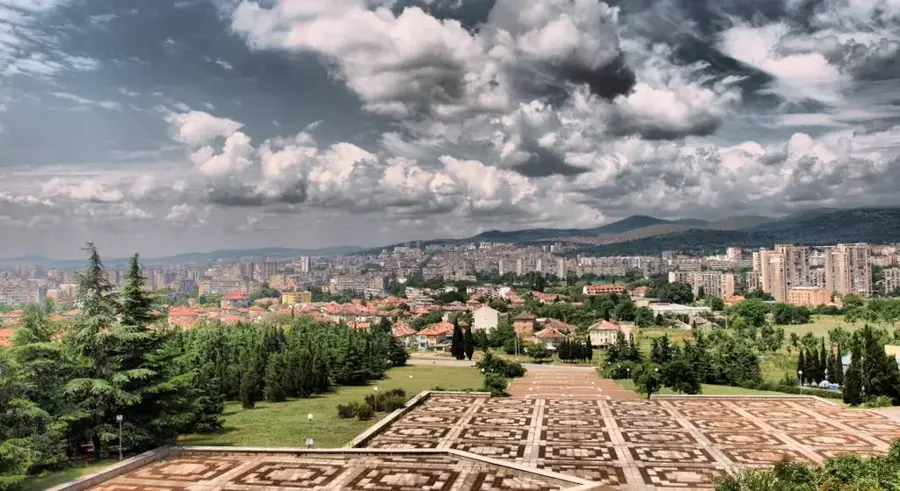
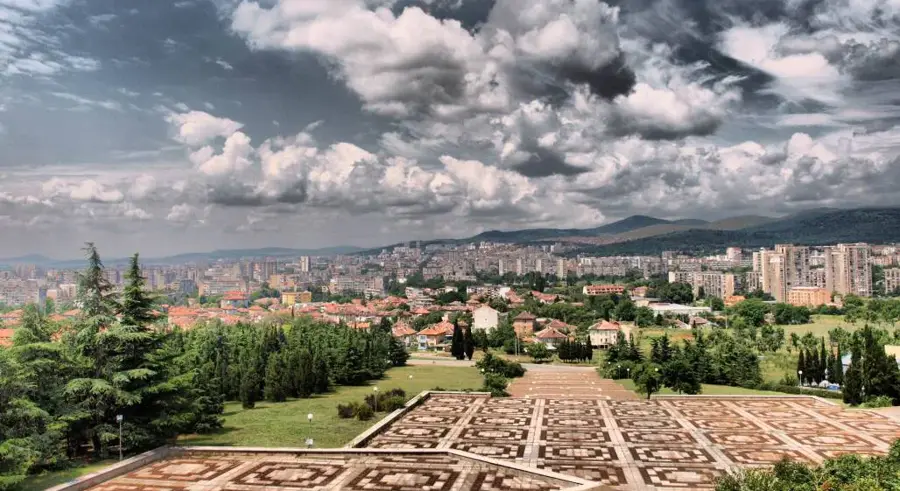
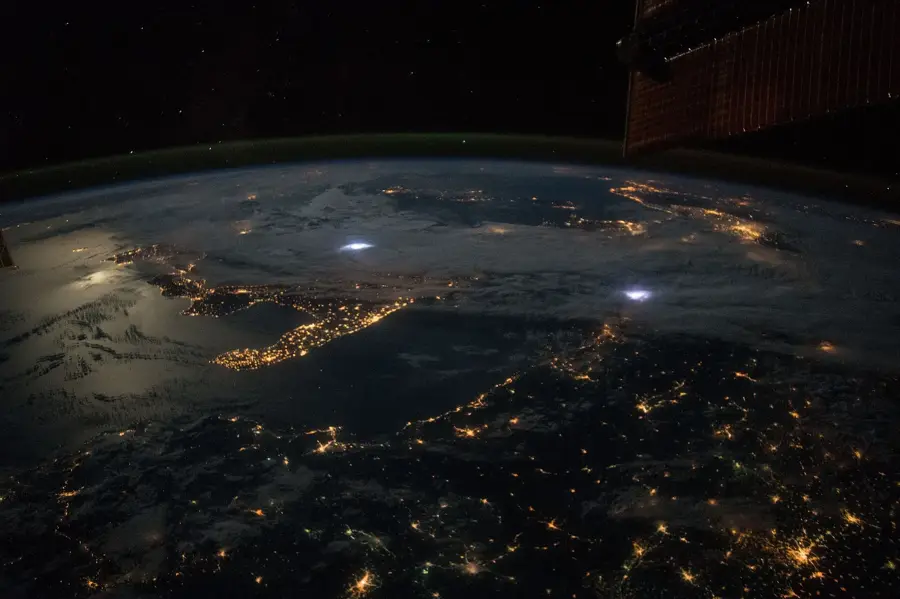
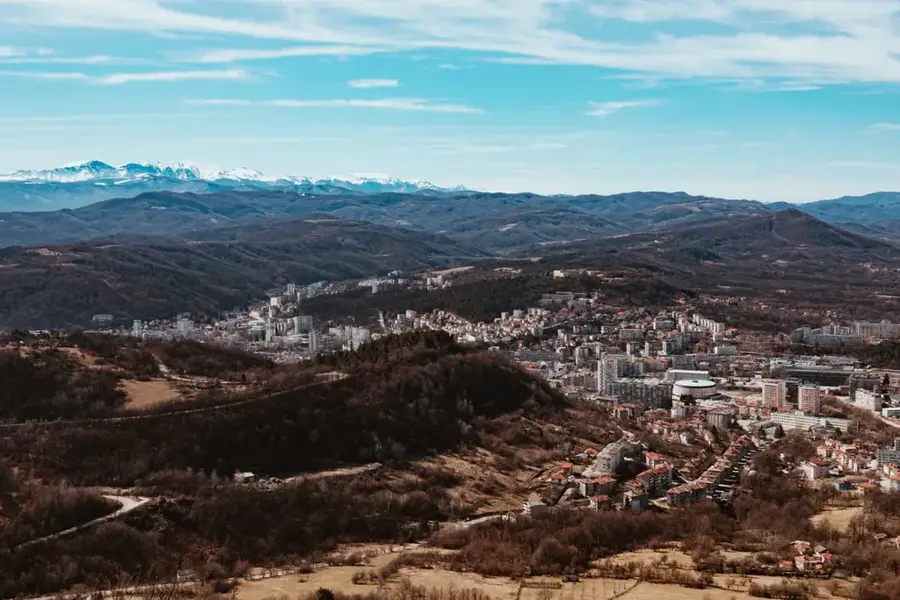
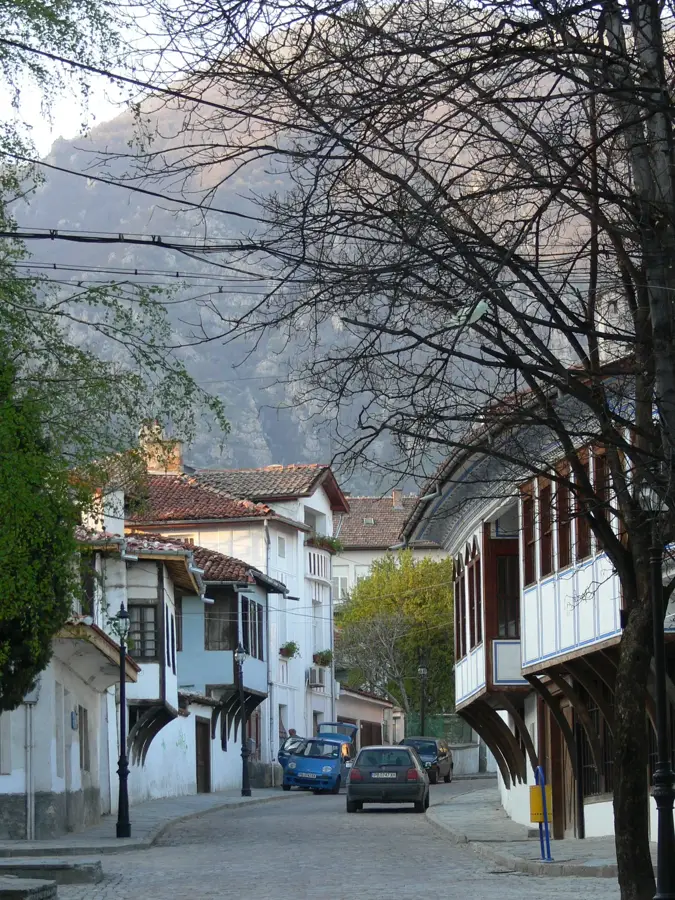
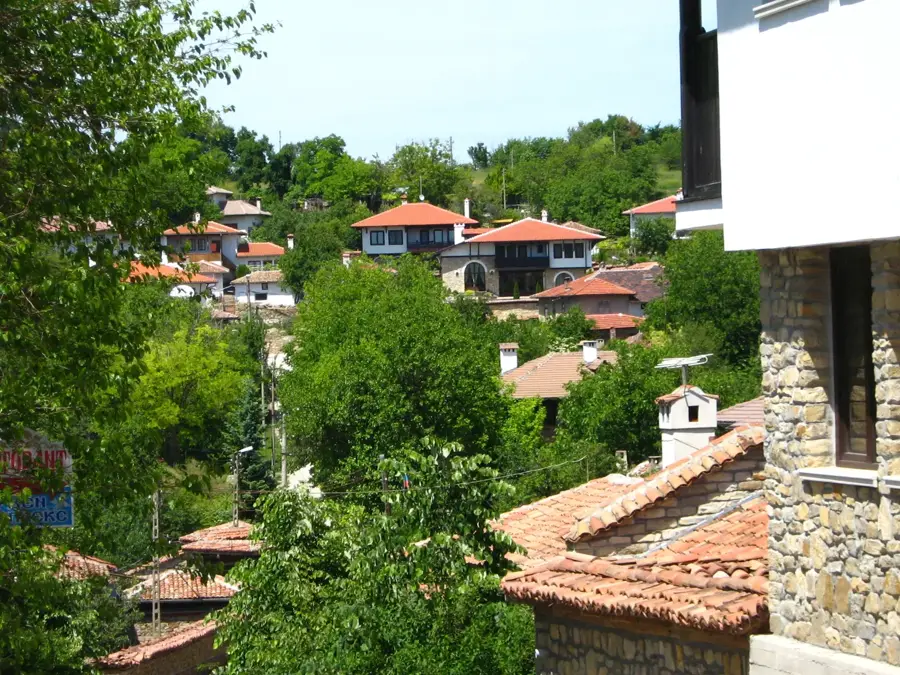
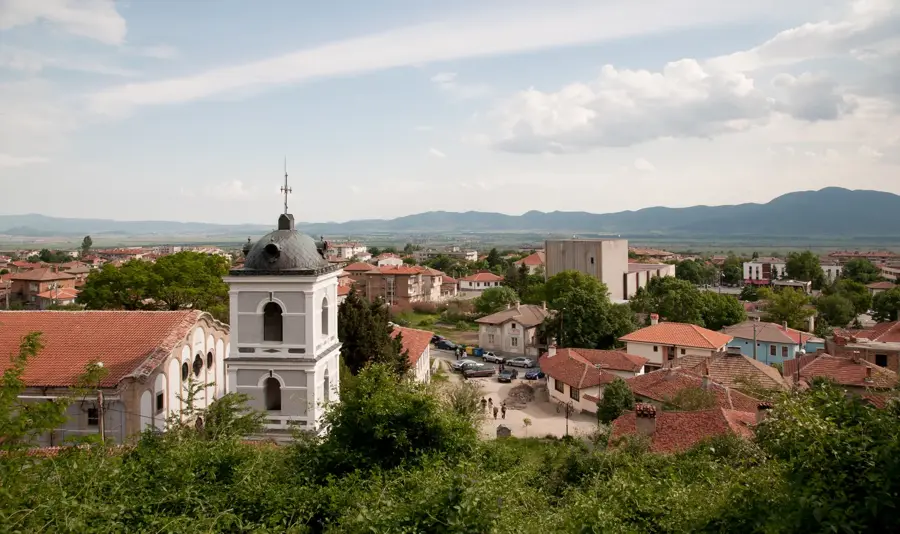
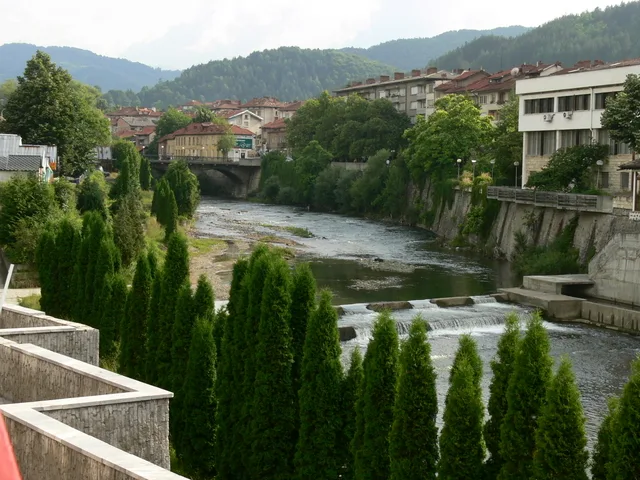
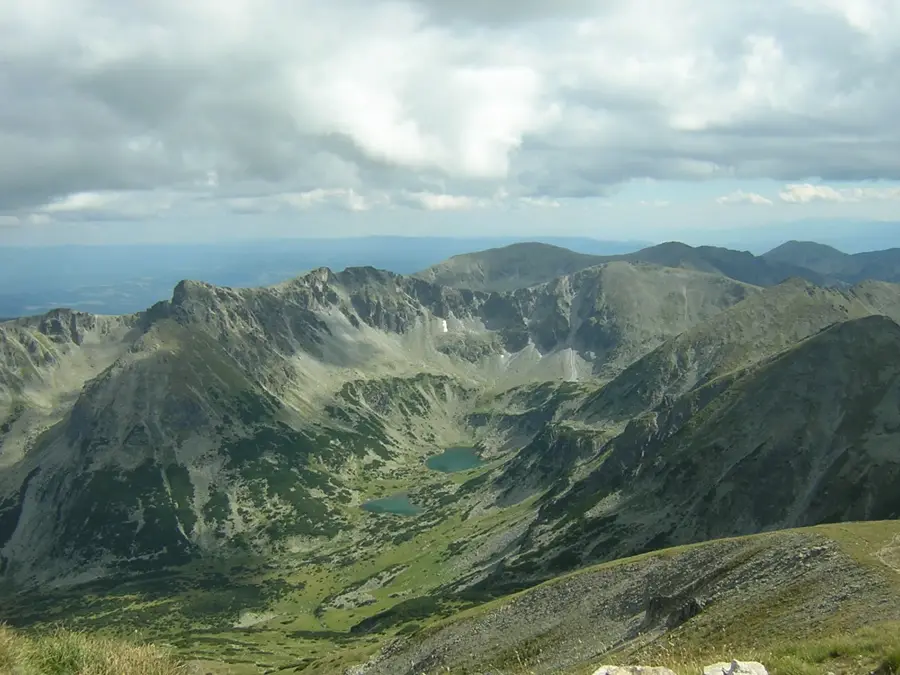
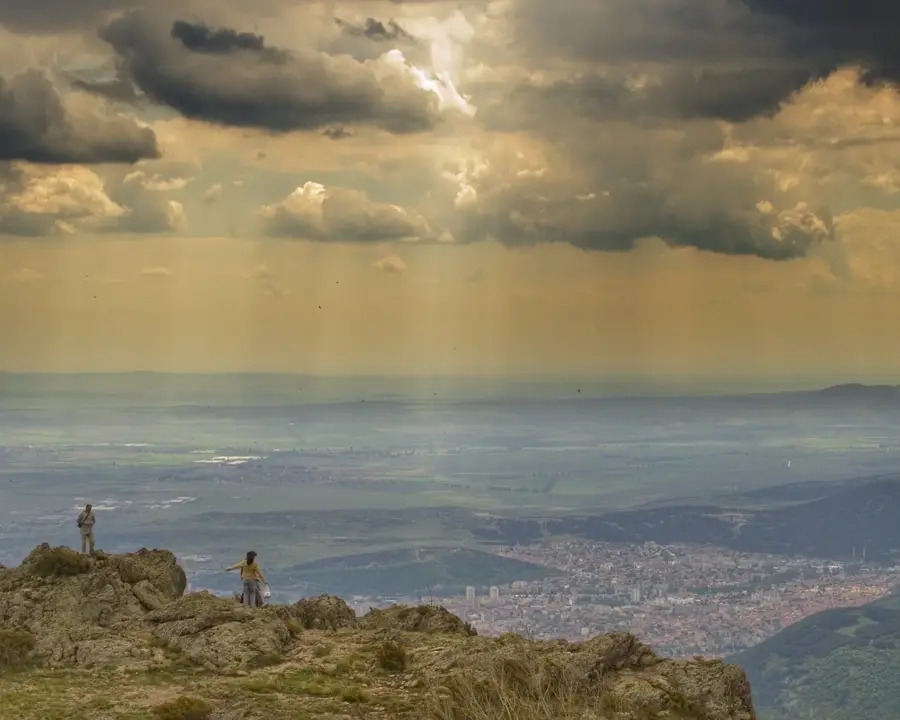
The Maritsa Valley, also known as the Upper Thracian Plain, stretches across the southern part of Bulgaria between the Sredna Gora Mountains to the north and the Rhodope Mountains to the south. This fertile alluvial plain is the country's most significant agricultural region and is traversed by the Maritsa River, which is considered one of the most water-rich rivers on the Balkan Peninsula. Geologically, it is a graben system filled with Tertiary and Quaternary sediments, which facilitated the formation of rich chernozem soils. Historically, the valley was a crossroads for ancient cultures, evidenced by numerous Thracian burial mounds and the ruins of the ancient city of Philippopolis in Plovdiv. The climate is moderately continental with a distinct Mediterranean influence, allowing for the cultivation of cereals, tobacco, cotton, and grapevines. The region is today a center for Bulgarian industry and logistics, with Plovdiv serving as the cultural and economic core.

Best time to visit & climate

The most pleasant time to visit is Jun, Aug, Sep.

JanFebMarAprMayJunJulAugSepOctNovDec
Avg °C1371217222525201483
Rain mm654953436264512950595167

📋 Practical info

🧭
Getting there
The vast lowland plain is highly accessible via the primary highway and rail networks traversing southern Bulgaria, such as the route connecting Sofia and Plovdiv. Countless secondary roads branch off to provide easy entry into the agricultural heartlands.
📅
Best season
Spring transforms the valley into a lively green landscape, making it a very pleasant time to drive through or walk. Autumn is also excellent, coinciding with local harvest seasons. Summer can be oppressively hot and completely exposed to the relentless sun.
⛰️
Terrain & paths
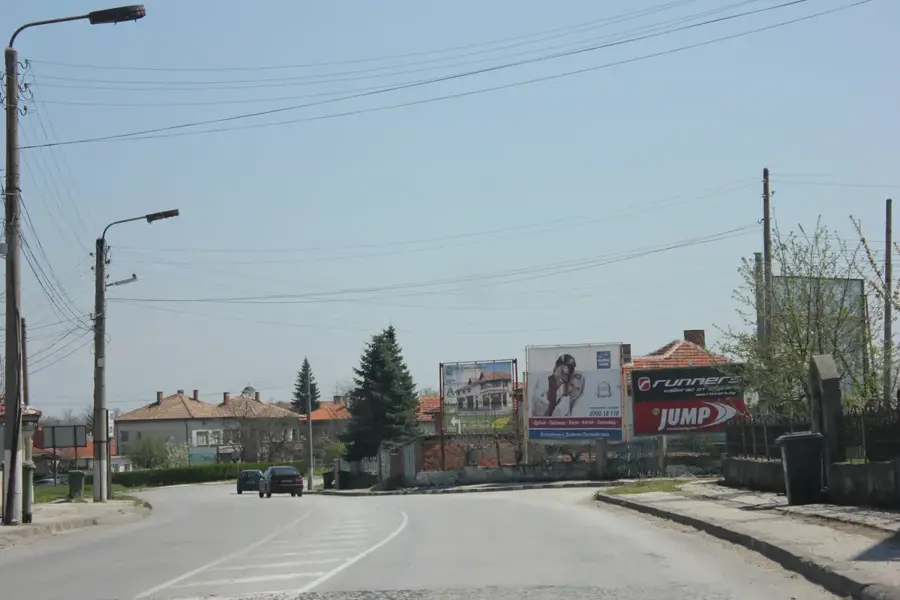
The predominant terrain is exceedingly flat, consisting largely of extensive agricultural fields, scattered small woodlands, and subtle rolling hills near the edges of the plain. Walking here mostly means following flat, unpaved agricultural tracks or rural dirt roads.
🎒
What to bring
Casual, comfortable walking attire is generally sufficient for most visitors. Since the plain has very little natural shade, bringing sunglasses, a wide-brimmed hat, generous sunblock, and plenty of water is crucial during the warmer months of the year.
🅿️
Parking
Finding a spot to park is rarely an issue; visitors usually pull over safely in town centers, at rural gas stations, or onto widened shoulders of agricultural access roads. Always ensure you are not blocking access for large farming machinery.
⚠️
Safety
The environment is generally very safe. The main hazards are related to extreme summer heat and exposure. Additionally, when walking along the quiet rural roads, pedestrians should always remain alert to passing agricultural vehicles and local traffic.
⏱️
Time needed
Most travelers experience the Maritsa Valley conceptually as a scenic backdrop during transit, spending a couple of hours driving through. Stopping specifically to appreciate a viewpoint or take a short walk along the flat agricultural paths usually takes around an hour.

Geography

Coordinates
42.10000, 25.50000

Facts

  • The plain covers an area of approximately 6,000 square kilometers.
  • The Maritsa River has a total length of 480 kilometers.
  • The average elevation of the plain is between 100 and 200 meters.
  • Plovdiv, the region's largest city, was founded over 6,000 years ago.
  • The valley produces about 90% of the Bulgarian rice crop.
  • The region records temperatures exceeding 40 degrees Celsius in summer.

Explore nearby

Notable places around
Route planner — Car & Motorhome

Where do you start? We build the route here, with stops and country notes along the way.

Vehicle
Only stops with (optional):

© OpenStreetMap contributors · OpenRouteService

Sights nearby

Frequently asked questions

Where is the Maritsa Valley located?
In southern Bulgaria, between the Balkan Mountains and the Rhodopes.
What role does it play in transport?
It is the most important corridor between Central Europe and Istanbul.
Is there significant industry there?
Yes, power plants, food industry, and textile factories are concentrated here.
What is agriculture like in the valley?
Very intensive, thanks to fertile soils and irrigation systems.
Which historical sites are located in the valley?
Plovdiv with its ancient theater and Thracian tombs.
Maritsa Valley: where is it located?
Maritsa Valley is located in Bulgaria.
Maritsa Valley: when is the best time to visit?
The most pleasant time to visit is Jun, Aug, Sep.
Maritsa Valley: why is it worth visiting?

The Maritsa Valley, also known as the Upper Thracian Plain, stretches across the southern part of Bulgaria between the Sredna Gora Mountains to the north and the Rhodope Mountains to the south.
View on map → The Top 50 Attractions → OpenStreetMap →
Europe
Explore with Plizio Discover more places in Europe
More places in Bulgaria →

Nearby cities

History & landmarks