Plizio Visual Lab
Caraiva
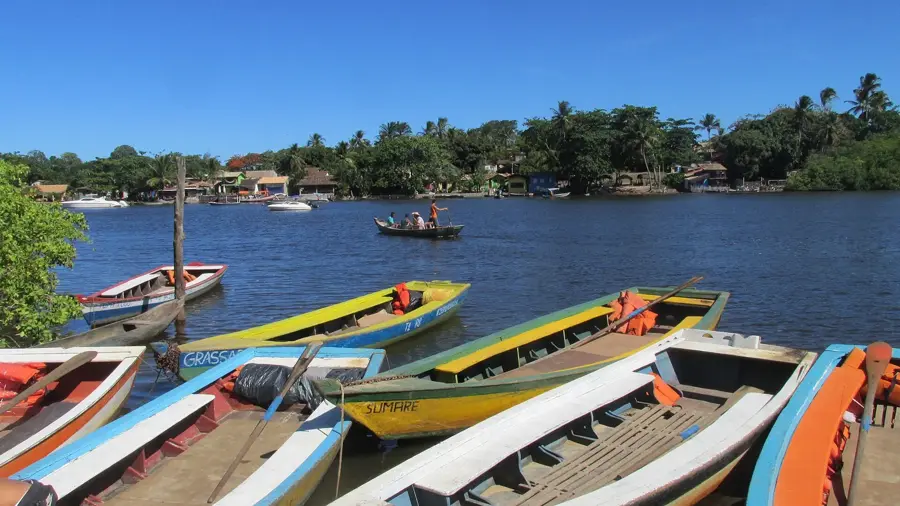
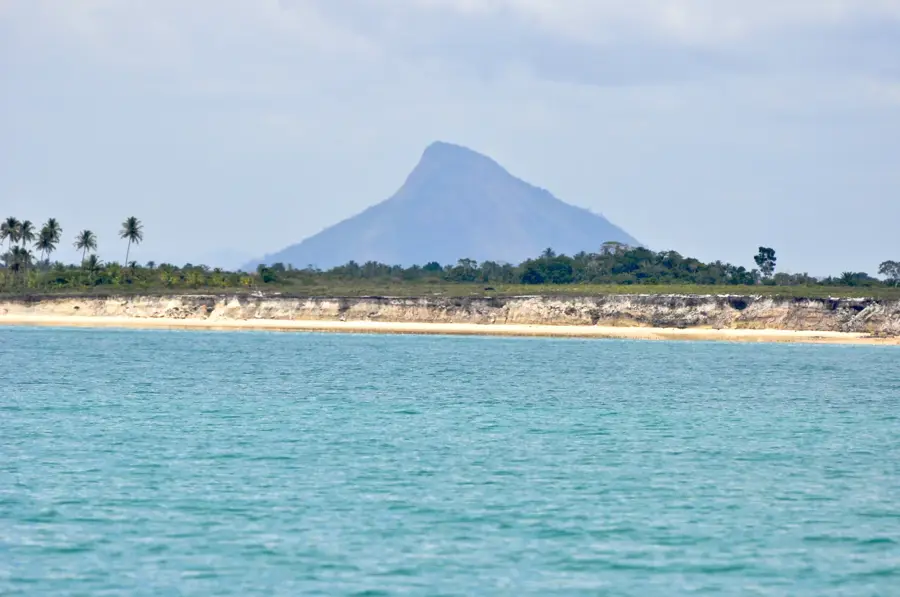
Visitors come to Caraíva to experience a village where motorized vehicles are banned and electricity was only introduced underground in 2007. The main activities center around the river mouth, where travelers can swim in both fresh and saltwater. A local tradition involves floating down the Caraíva River on inner tubes until reaching the ocean. The village has a strict preservation policy to maintain its sandy streets. Just 6 kilometers away lies Praia do Espelho, a beach known for its natural pools formed during low tide. The nearby Monte Pascoal National Park marks the spot where Portuguese explorers first sighted Brazilian land in 1500. Visitors can also engage with the Pataxó indigenous community at the Porto do Boi reserve, learning about their customs and trying traditional fish cooked in patioba leaves. Getting to Caraíva requires a multi-step journey. The closest major airport is in Porto Seguro, 70 kilometers away. From the Nova Caraíva parking area, travelers must cross the river by small wooden canoes to enter the village. The dry season between August and November has the best weather, as heavy summer rains can make the unpaved access roads impassable. Nightlife features traditional Forró dancing in venues near the riverbank.
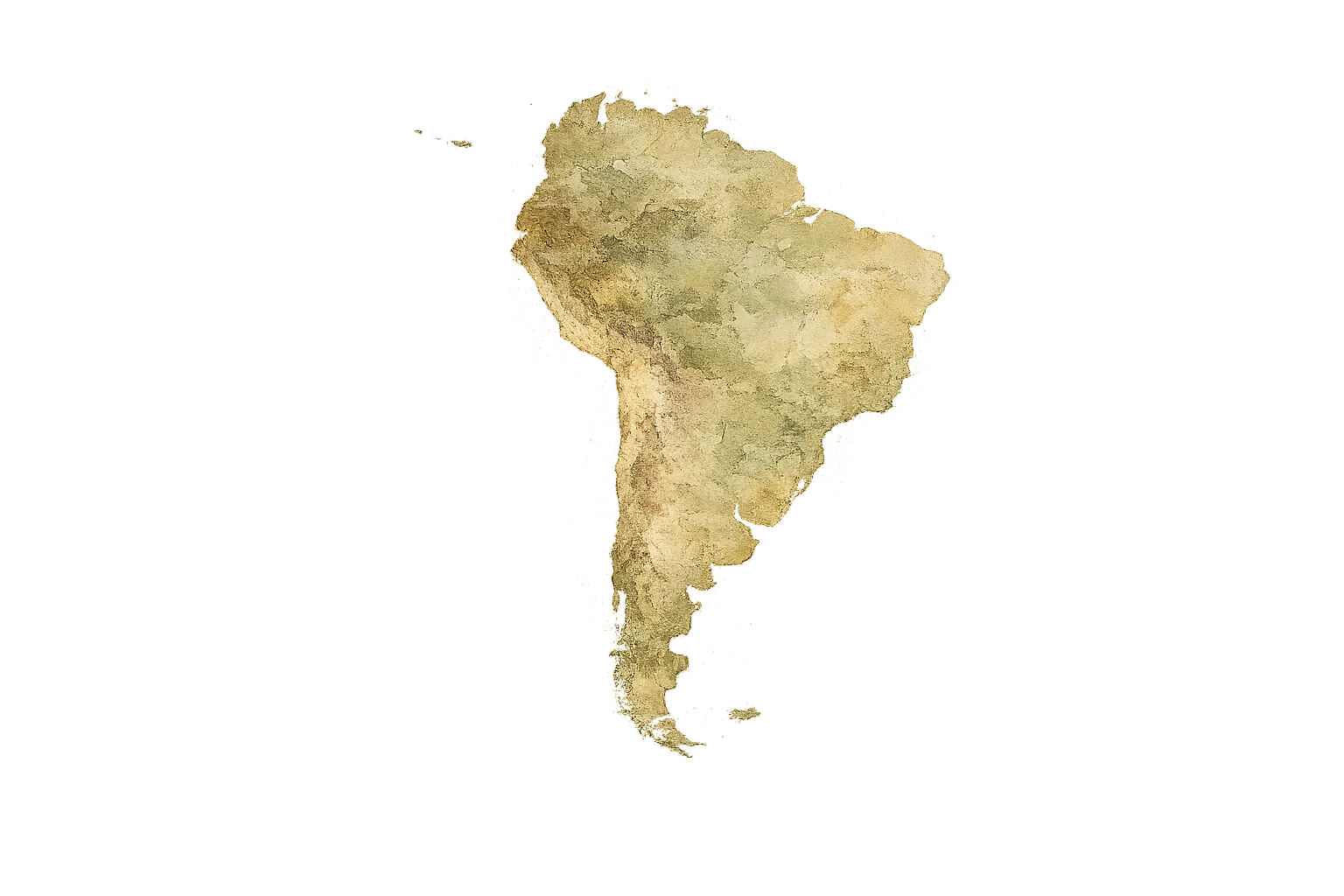
- Location: Brazil
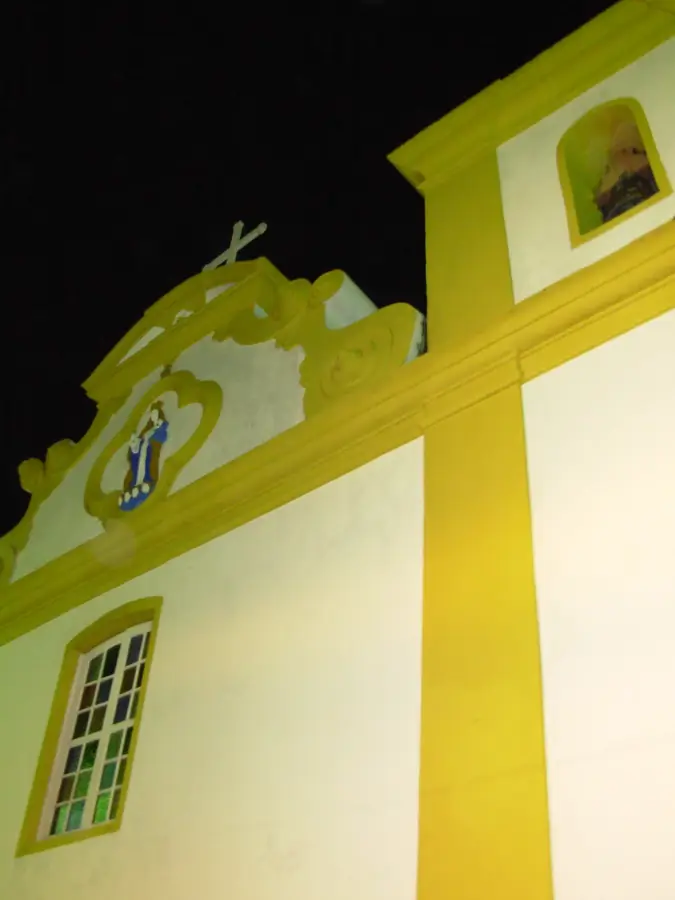
- Top sights: Prainha Xandó · Praia de Caraíva · Igreja São Sebastião
- Nearby: Trancoso (19 km)
Geography
Facts
- Motorized vehicles are banned
- Electricity arrived in 2007
- Located at a river mouth
- Pataxó indigenous reserve nearby
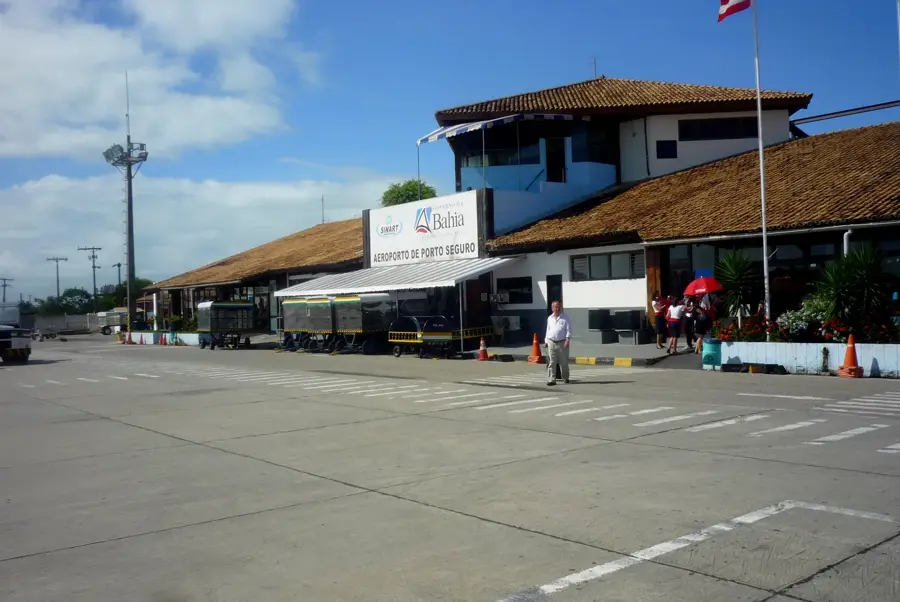
- 70 km from Porto Seguro
- Accessible only by wooden canoe
- Famous for Forró dancing
- Sandy streets without paving
Explore nearby
Notable places around
Route planner — Car & Motorhome
Where do you start? We build the route here, with stops and country notes along the way.
© OpenStreetMap contributors · OpenRouteService
Sights in the town Caraiva (3)
Frequently asked questions
Caraiva: where is it located?
Caraiva: what is there to see?
Caraiva: why is it worth visiting?
Nearby cities
More places