Plizio Visual Lab
Porto-Novo Botanical Garden

Weather…
Water temperature…
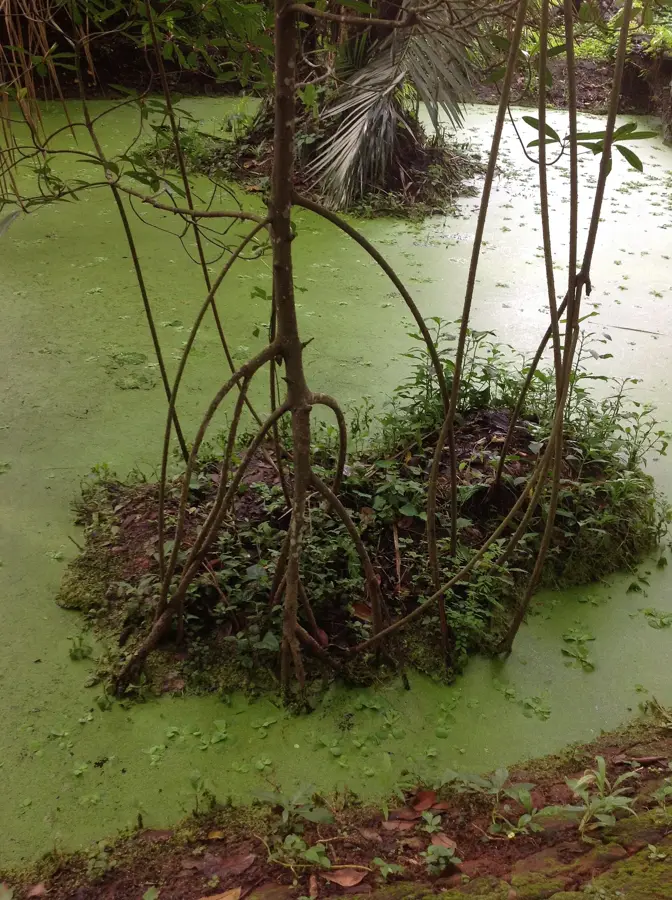
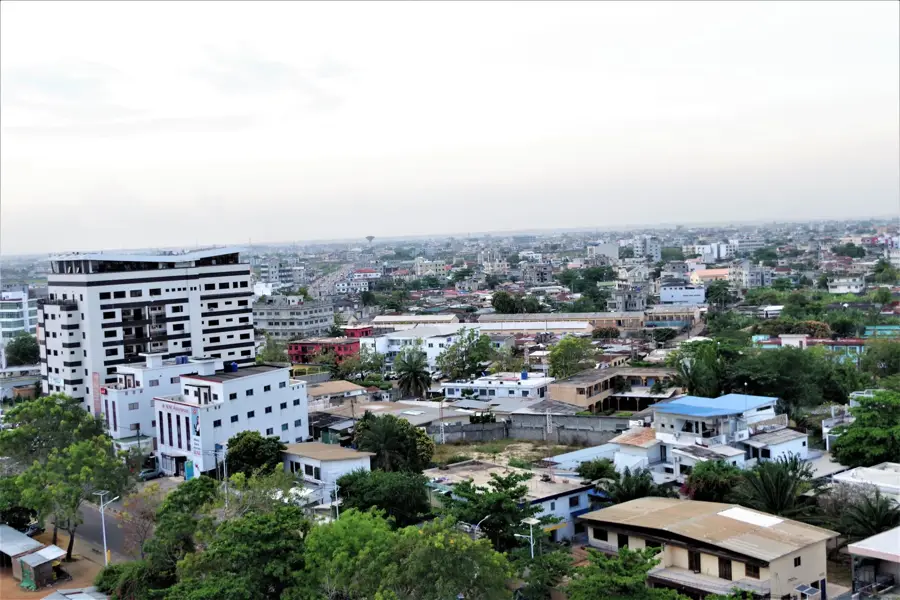
The Porto-Novo Botanical Garden, officially known as the Jardin des Plantes et de la Nature (JPN), is a significant historical green space in the capital of Benin. Established in 1905 during the French colonial era, it was founded on grounds that previously served as a sacred forest for local communities. The garden spans approximately five hectares and houses a wide variety of tropical plant species, including centuries-old kapok trees and rare medicinal herbs. Beyond its botanical importance, the JPN functions as a vital center for environmental education and the conservation of local flora and fauna. The architecture within the garden reflects colonial influences, while the layout of the paths preserves the traditional reverence for nature. Today, the garden serves both scientific research and as a peaceful retreat for city dwellers and tourists seeking to experience West African biodiversity within an urban setting. It stands as an important testament to Benin's ecological and cultural history.
- Location: Benin
- Top sights: Espace Ubuntu · Aux enfants du Bénin morts pour la liberté · Voodoo-Museum
- Nearby: Azizakouè (68 km)
Best time to visit & climate
The most pleasant time to visit is Jan, Feb, Dec.
| Jan | Feb | Mar | Apr | May | Jun | Jul | Aug | Sep | Oct | Nov | Dec | |
|---|---|---|---|---|---|---|---|---|---|---|---|---|
| Avg °C | 27 | 28 | 28 | 28 | 27 | 26 | 25 | 25 | 25 | 26 | 27 | 27 |
| Rain mm | 21 | 33 | 78 | 119 | 174 | 216 | 165 | 93 | 198 | 172 | 55 | 20 |
📋 Practical info
Geography
Facts
- The garden was officially established in 1905 by the colonial administration.
- It covers a total area of nearly 5 hectares in central Porto-Novo.
- Some of the kapok trees in the garden are over 200 years old.
- The facility houses more than 170 different plant species.
- There is a research center for the study of traditional medicinal plants.
- The garden is part of the national program for biodiversity protection.
Explore nearby
Notable places around



Route planner — Car & Motorhome
Where do you start? We build the route here, with stops and country notes along the way.
© OpenStreetMap contributors · OpenRouteService
Sights in the town Porto-Novo Botanical Garden (10)
Musée Da-Silva🏛 museum
Museum in Benin, located in Porto-Novo, with local history collections.
Temple des Zangbétô
Site in Porto-Novo associated with the Zangbétô secret society.
MUSEE D'ART ET HISTOEIQUE YORUBA🏛 museum
Museum in Porto-Novo presenting art and history of Yoruba culture.
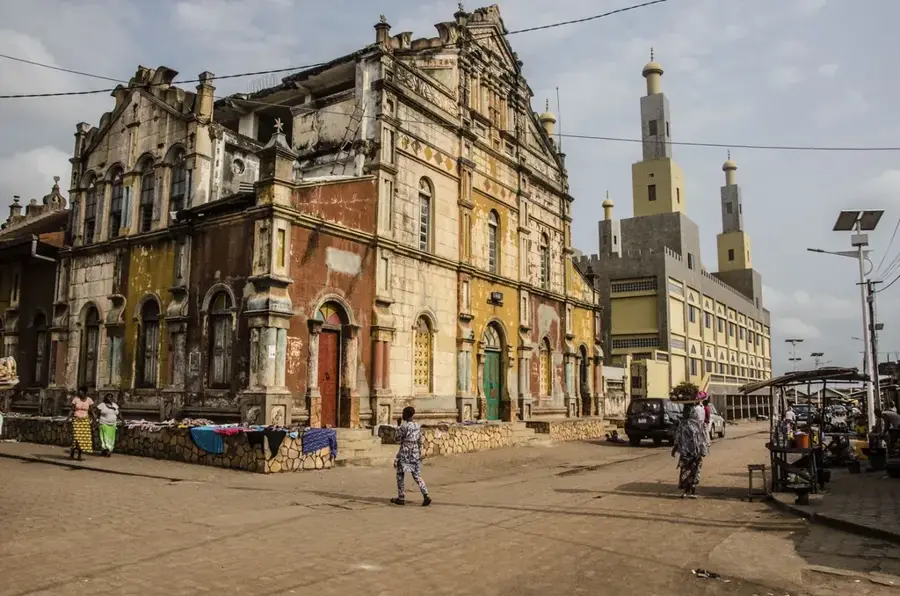
Grande Mosquée de Porto-Novo
Mosque in Porto-Novo, Ouémé, Benin, central place of worship for Muslims.
Kandévié Radio xôkon
Radio station in Porto-Novo broadcasting local programs and music.
Ouadada
Cultural center in Porto-Novo with restaurant, accommodation, art exhibitions, and concert stage.
Sights nearby
Frequently asked questions
What can you see in the Porto-Novo Botanical Garden?
Are there monkeys there?
Is entry free?
When is the best time to visit?
Are there guided tours?
Porto-Novo Botanical Garden: where is it located?
Porto-Novo Botanical Garden: what is there to see?
Porto-Novo Botanical Garden: when is the best time to visit?
Porto-Novo Botanical Garden: why is it worth visiting?

History & landmarks



Nature
More places