Plizio Visual Lab

Sonian Forest
Plizio editorial teamData Sources
Forest
—°4
Sonian Forest (Belgium)

Weather…

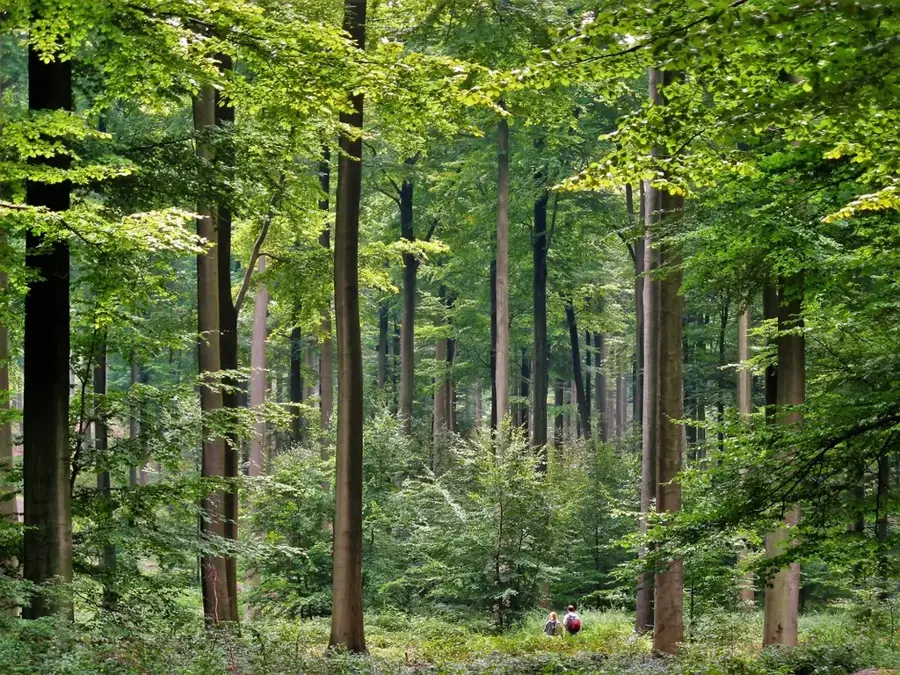
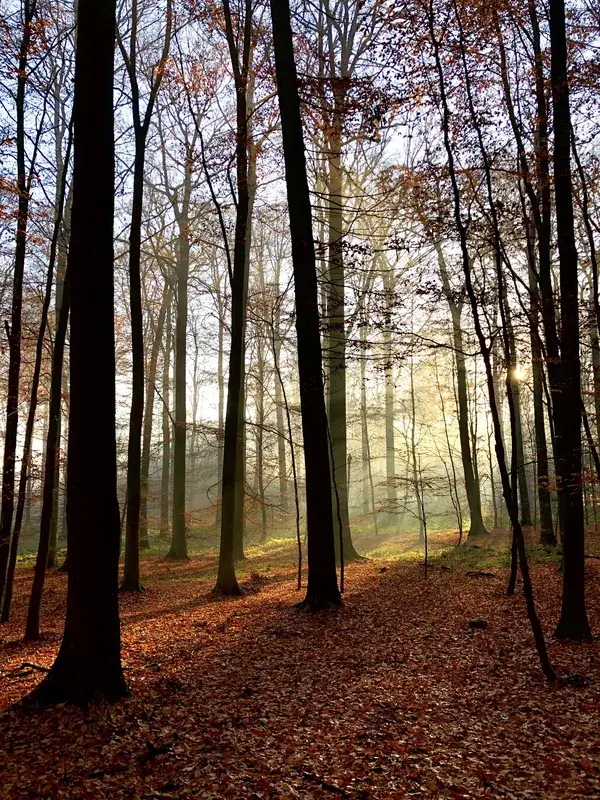
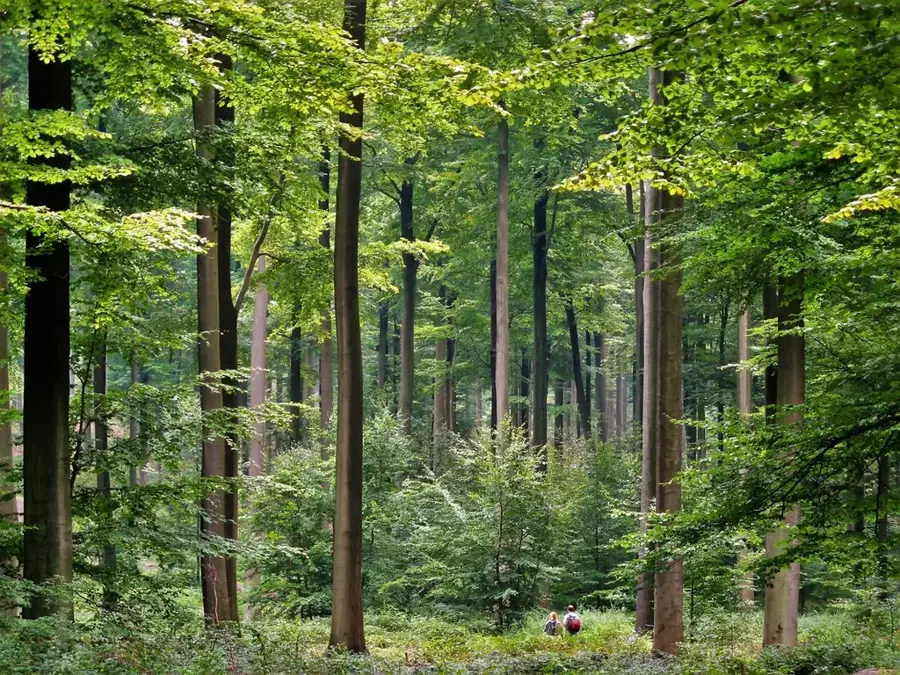
The Sonian Forest covers an area of approximately 4,400 hectares on the outskirts of Brussels and is one of the most significant forested areas in Central Europe. Since 2017, parts of the forest have been included in the UNESCO World Heritage site 'Ancient and Primeval Beech Forests of the Carpathians and Other Regions of Europe'. The forest is characterized by a dominant population of European beech trees, which make up about 80% of the canopy and are often referred to as a 'beech cathedral' due to their very tall and straight growth. Historically, the forest was once part of the vast Silva Carbonaria (Charcoal Forest) and served for centuries as a private hunting ground for the Dukes of Brabant and later the Habsburgs. Its geographical location is unique, as the forest spans across the three Belgian regions of Flanders, Wallonia, and the Brussels-Capital Region. It hosts a rich fauna, including roe deer, wild boars, and numerous bat species that find shelter in the ancient stands of trees. Through the construction of 'ecoducts' (wildlife bridges), fragmentation caused by major highways has been reduced in recent years. Today, the Sonian Forest serves not only nature conservation but is also a vital recreational area for the Brussels metropolitan region.

Best time to visit & climate

The most pleasant time to visit is Jun–Aug.

JanFebMarAprMayJunJulAugSepOctNovDec
Avg °C3361013171918151173
Rain mm696155385963757955636978

📋 Practical info

🧭
Getting there
The remarkably vast Sonian Forest is incredibly easily accessible straight from the bustling outskirts of Brussels using highly efficient local public transportation or by bike. Several beautifully designated entry points connect directly to the main urban network, offering exceptionally convenient approaches for all visitors.
📅
Best season
The absolute best time for a mesmerizing visit is undeniably during the spring when the majestic, ancient beech trees exhibit incredibly fresh green foliage. Alternatively, autumn provides stunningly spirited changing colors, while the dense tree canopy ensures pleasant, deeply shaded conditions during warmer summer months.
⛰️
Terrain & paths
You can confidently expect a generally flat to very gently undulating, peaceful landscape complete with impressively wide, exceptionally well-maintained forest paths. The main trails are mostly unpaved but remain quite easily accessible, making them utterly suitable for easy walking and wonderfully relaxed cycling throughout the woods.
🎒
What to bring
It is highly advisable to consistently wear completely comfortable, supportive walking shoes and always bring a lightweight, reliable waterproof jacket, as the regional weather can change rapidly. Carrying your own large water bottle and some highly energizing light snacks is strongly recommended for longer walks under the endless canopy.
🅿️
Parking
Visitors will typically find numerous designated, highly secure parking areas distributed intelligently along the outer edges of the entire forest near the main access roads from Brussels. During sunny weekends, these specific lots can fill up incredibly quickly, so arriving noticeably early is highly recommended for ultimate convenience.
⚠️
Safety
There are absolutely no extreme natural hazards present, but all visitors should definitely stay exclusively on the distinctly marked paths to diligently avoid disturbing the highly protected, fragile local wildlife. Be constantly cautious of surprisingly slippery sections on the trails right after heavy rainfall, and always respect the natural environment.
⏱️
Time needed
The vast majority of avid nature visitors enthusiastically tend to spend anywhere between two and four deeply relaxing hours extensively exploring the massive network of woodland trails. However, the sheer impressive size of the ancient forest easily allows for full-day, immersive excursions if you truly wish to wander much deeper into the untouched nature reserve.

Geography

Coordinates
50.76000, 4.41000

Facts

  • Covers an area of 4,421 hectares in the heart of Belgium.
  • Included in the UNESCO World Heritage list since 2017.
  • About 80% of the trees in the forest are European beeches (Fagus sylvatica).
  • The forest spans all three Belgian regions simultaneously.
  • It was once the exclusive hunting ground of the Dukes of Brabant.
  • Some of the beech trees in the reserve are over 200 years old.

Explore nearby

Notable places around
Route planner — Car & Motorhome

Where do you start? We build the route here, with stops and country notes along the way.

Vehicle
Only stops with (optional):

© OpenStreetMap contributors · OpenRouteService

Sights in the town Sonian Forest (4)

Deux tertes - Twee heuvels🏺 historical

Ancient tumuli or burial mounds located within the historic Sonian Forest.

Boitsfort-Etangs - Bosvoorde-Vijvers🏺 historical

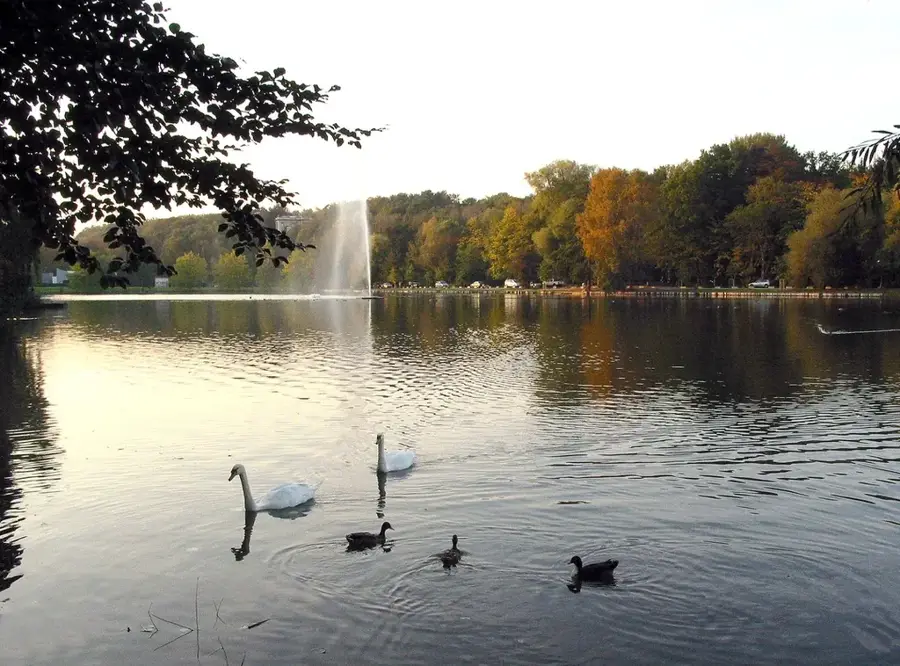
An archaeological site near the ponds of Boitsfort in the Sonian Forest.

Château de La Fougeraie - Kasteel van Fougeraie🏰 castle

A grand early 20th-century castle situated on the edge of the Sonian Forest.

Château Fond'Roy - Kasteel Fond'Roy🏰 castle

A historic estate and castle located near the Sonian Forest in the Uccle area.

Sights nearby

Frequently asked questions

Where is the Sonian Forest located?
It stretches along the southeastern edge of Brussels across all three regions of Belgium.
Is the forest a UNESCO World Heritage site?
Parts of its ancient beech forests are recognized as a UNESCO World Heritage site.
What is the most common tree species?
The beech tree dominates the forest, forming a kind of 'cathedral of trees'.
Are there riding paths in the forest?
Yes, there is a well-developed network of paths specifically for riders.
Can the forest be reached by public transport?
Yes, several tram, bus, and train lines lead directly to the forest edge.
Sonian Forest: where is it located?
Sonian Forest is located in Belgium.
Sonian Forest: what is there to see?
Highlights include Deux tertes - Twee heuvels, Boitsfort-Etangs - Bosvoorde-Vijvers, Château de La Fougeraie - Kasteel van Fougeraie.
Sonian Forest: when is the best time to visit?
The most pleasant time to visit is Jun, Aug.
Sonian Forest: why is it worth visiting?

The Sonian Forest covers an area of approximately 4,400 hectares on the outskirts of Brussels and is one of the most significant forested areas in Central Europe.
View on map → The Top 50 Attractions → OpenStreetMap →
Europe
Explore with Plizio Discover more places in Europe
More places in Belgium →

Nearby cities

More places