Plizio Visual Lab

Port of Comodoro Rivadavia
Plizio editorial teamData Sources
Port
—°15
Port of Comodoro Rivadavia (Argentina)

Weather…

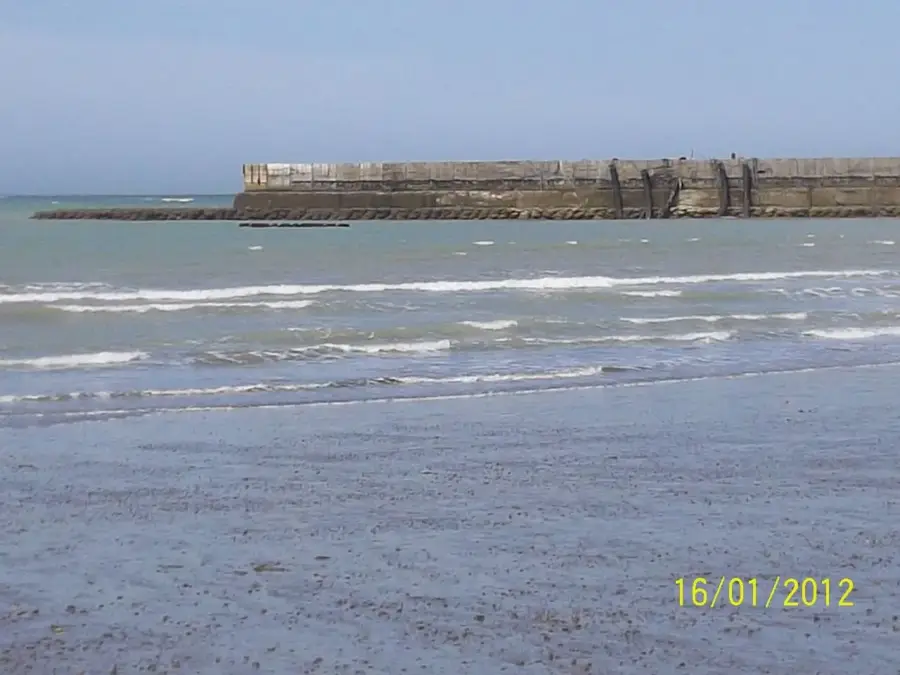
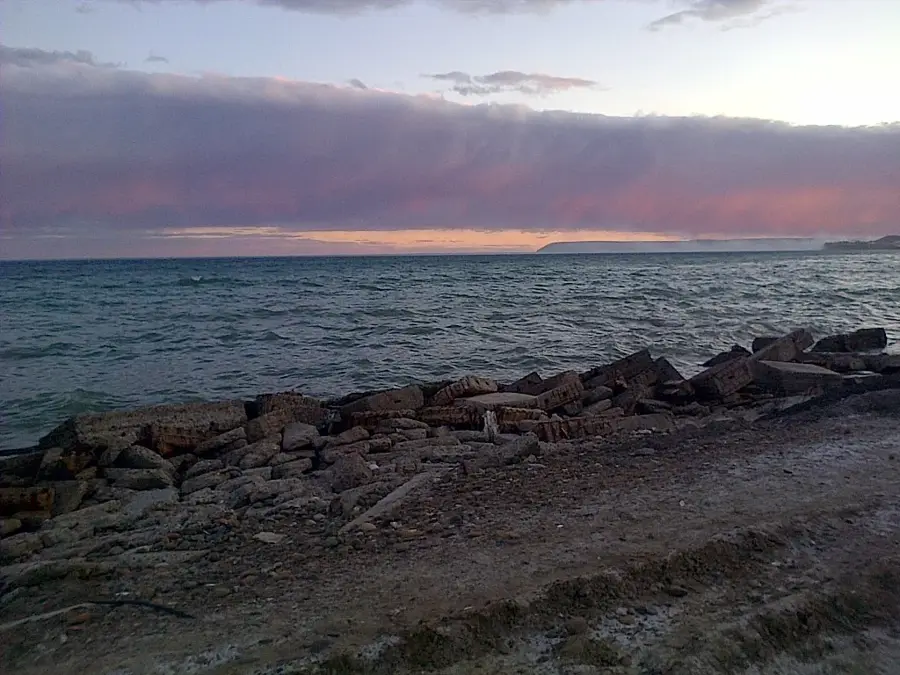
The Port of Comodoro Rivadavia is a vital logistical hub in the Patagonian province of Chubut, closely intertwined with Argentina's petroleum history. Since the discovery of oil in the region in 1907, the port has evolved from a simple landing stage into a modern multipurpose facility. It primarily serves the export of crude oil and the import of heavy machinery for the oil and gas industry, as well as for wind energy projects throughout Patagonia. Its strategic location on the San Jorge Gulf makes it a sheltered deep-water port, which is also of great importance to the regional fishing industry. In recent decades, significant investments have been made in port infrastructure, including the extension of piers and the improvement of container storage facilities. Beyond its economic function, the port stands as a symbol of industrial pioneering in southern Argentina and a gateway for the international trade of Chubut Province.

Best time to visit & climate

The most pleasant time to visit is Jan, Feb, Dec.

JanFebMarAprMayJunJulAugSepOctNovDec
Avg °C1818151296569111416
Rain mm92240283336283016131519

📋 Practical info

🏭
What is this place?
This Patagonian port serves as a vital export hub for the regional petroleum industry. Its deep-water docks handle crude oil and refined products, underpinning the local economy and connecting the area to global markets.
🚪
Visiting
The port's operational areas are typically restricted to authorized personnel, but visitors can observe the loading activities from public viewpoints. Guided tours are rarely offered; the best view is from the coastal road overlooking the docks.
👀
Where to view it
The most accessible public viewpoint is along the Costanera, where you can see the port basin and tanker loading arms. For a panoramic perspective, drive up to the Cerro Chenque lookout above the city.
🧺
Local products
While the port itself handles bulk petroleum, nearby markets and shops offer Patagonian specialty foods such as lamb, seafood, and regional wines. Occasional street vendors sell artisan crafts made from local materials.
📆
Active season
The port operates year-round, but activity peaks during the austral summer (November to March) when weather conditions are milder. During these months, shipping schedules are more frequent and the port's industrial rhythm is at its highest.
Nearby
Combine a visit with the nearby Rada Tilly beach, excellent for a relaxed afternoon after seeing the industrial docks. The Museo Regional de Comodoro Rivadavia has insights into the area's oil history and natural heritage.

Geography

Coordinates
-45.86400, -67.46600

Facts

  • Region saw Argentina's first oil discovery in 1907
  • Port is located on the strategic San Jorge Gulf
  • Key transshipment point for wind turbine components
  • Features a slipway facility for ship repairs
  • Export center for crude oil from the Golfo San Jorge Basin
  • Essential base for the Patagonian high-seas fishing industry

Explore nearby

Notable places around
Route planner — Car & Motorhome

Where do you start? We build the route here, with stops and country notes along the way.

Vehicle
Only stops with (optional):

© OpenStreetMap contributors · OpenRouteService

Sights in the town Port of Comodoro Rivadavia (15)

Museo Nacional del Petróleo🏛 museum

This museum is built around the historic Well No. 2, where oil was first discovered in Argentina in 1907.

🕒 Mo-Fr 09:00-17:00; Sa 10:00-17:00; Su 14:00-18:00

CEPTur Centro de Exposición y Promoción Turística🏛 museum

An exhibition and tourist promotion center housed within a historic, restored power plant building.

🕒 Mo-Fr 08:30-20:00; Sa 15:00-18:00

Monumento al Gaucho🏺 historical

A sculptural monument celebrating the traditional heritage and culture of the Argentine gaucho.

Monolito recordatorio en homenaje del pueblo a los aviadores Prospero Palazzo y César Brugo🏺 historical

A commemorative stone monolith honoring the pioneering aviators Próspero Palazzo and César Brugo.

Poléa🏺 historical

An industrial monument featuring a giant pulley, reflecting the region's mechanical and oil-extraction heritage.

Anfiteatro🎭 culture

An open-air amphitheater featuring terraced seating for public performances and local events.

Iglesia de los santos de los últimos días⛪ religious

A meetinghouse facility serving the local congregation of the Latter-day Saints.

Iglesia Guadalupe⛪ religious

A place of worship dedicated to the Virgin of Guadalupe, a central figure in Latin American devotion.

Parroquia Cristo Trabajador⛪ religious

A Christian parish church dedicated to Christ the Worker, honoring the region's laboring population.

Mercado Concentrador de la Costa🎭 culture

A central coastal marketplace bustling with vendors selling fresh regional produce and goods.

Campo de jineteada "El Palenque"📍 landmark

A traditional rodeo field dedicated to displays of horsemanship and gaucho skills.

Cartel de Comodoro📍 landmark

A large, colorful sign spelling out the city's name, serving as a popular photographic spot for tourists.

Parroquia Nuestra Señora del Valle📍 landmark

A Christian parish church dedicated to Our Lady of the Valley (Nuestra Señora del Valle).

Mirador Del Barrio Ciudadela🌿 nature

An elevated neighborhood lookout offering panoramic viewpoints over the urban landscape of Comodoro Rivadavia.

Km 3🎡 recreation

A coastal resort and residential area, locally known as General Mosconi, situated just north of the city's central hub.

Sights nearby

Frequently asked questions

What is the port of Comodoro Rivadavia?
It is the port of Patagonia’s key oil city and a hub for industry, supply, and maritime transport. The city is strongly tied to energy and port economy.
Can you visit the port?
Parts of the port are usually not freely accessible because they are operational areas. For visitors, the waterfront, viewpoints, and city center are the more interesting parts.
When is the best time to go to Comodoro?
Early autumn and late spring are most pleasant, when the Patagonian wind is weaker. If you are near the coast, plan for changeable weather.
What is near the port?
Nearby are the city of Comodoro, coastal roads, and viewpoints over the Atlantic. The area combines port, industry, and Patagonian coastal scenery.
What is the port known for?
The port is closely tied to the city’s oil history and Patagonia’s resource economy. It stands for supply, exports, and the region’s maritime side.
Port of Comodoro Rivadavia: where is it located?
Port of Comodoro Rivadavia is located in Argentina.
Port of Comodoro Rivadavia: what is there to see?
Highlights include Museo Nacional del Petróleo, CEPTur Centro de Exposición y Promoción Turística, Monumento al Gaucho.
Port of Comodoro Rivadavia: when is the best time to visit?
The most pleasant time to visit is Jan, Feb, Dec.
Port of Comodoro Rivadavia: why is it worth visiting?
The Port of Comodoro Rivadavia is a vital logistical hub in the Patagonian province of Chubut, closely intertwined with Argentina's petroleum history.
View on map → The Top 50 Attractions → OpenStreetMap →
South America
Explore with Plizio Discover more places in South America
More places in Argentina →

Nearby cities

Nature

More places