Plizio Visual Lab

Musalla Complex
Plizio editorial teamData Sources
ruin
—°3
Musalla Complex (Afghanistan)

Weather…

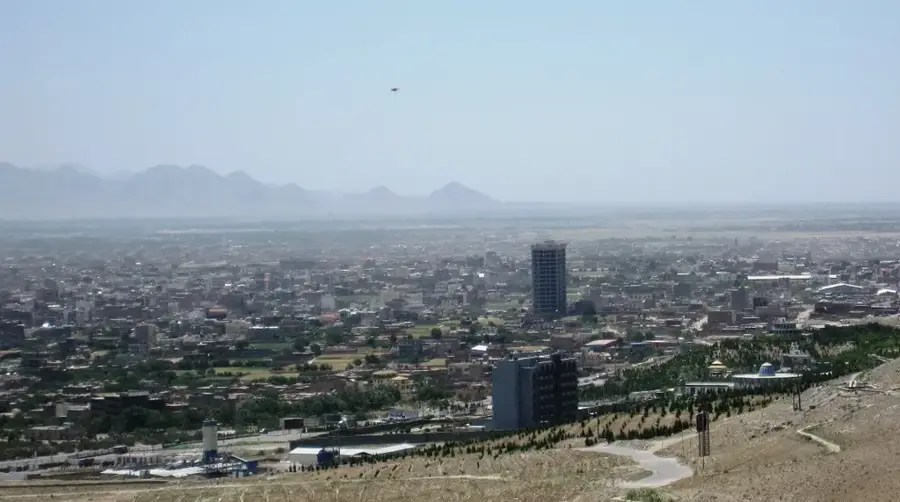
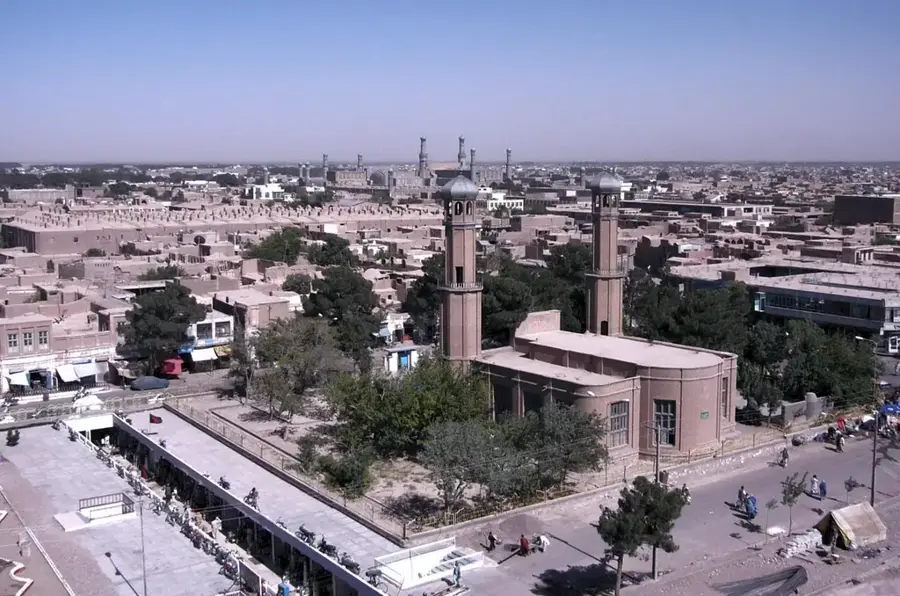
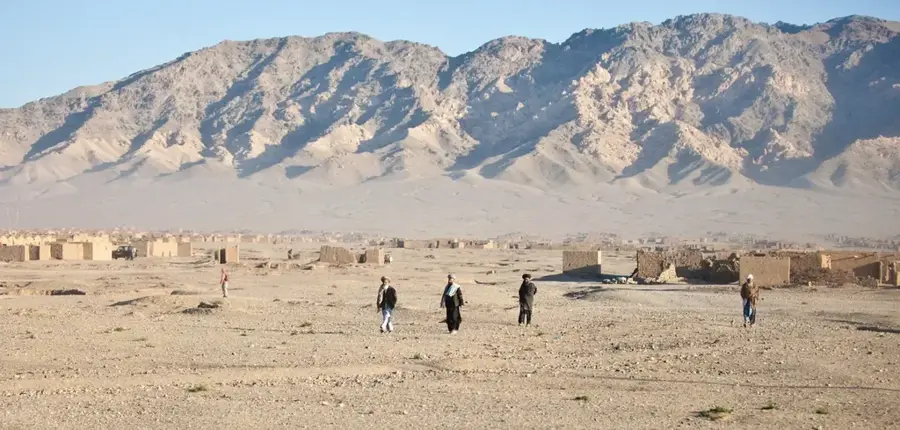
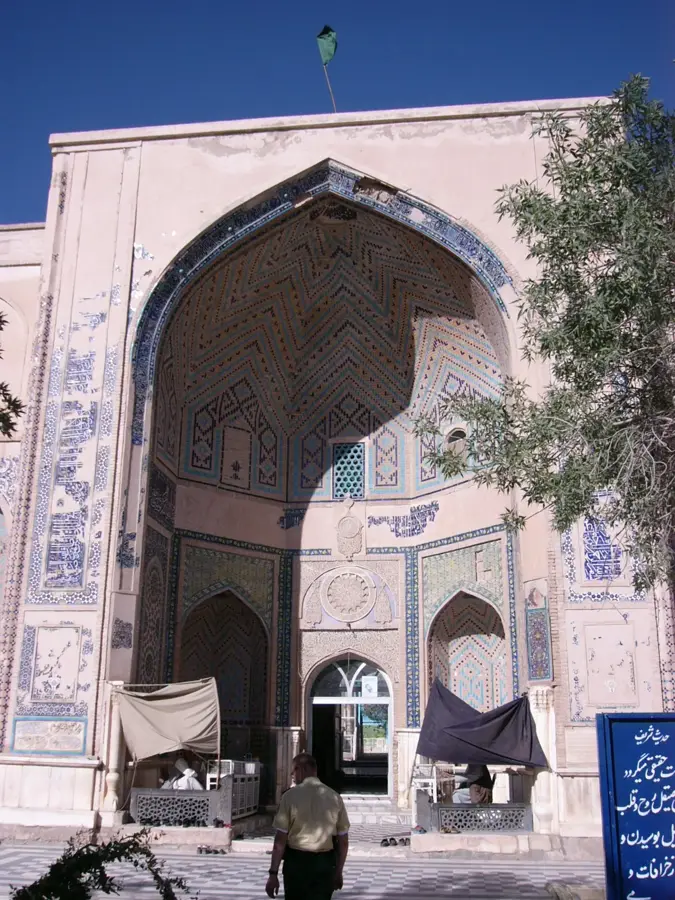
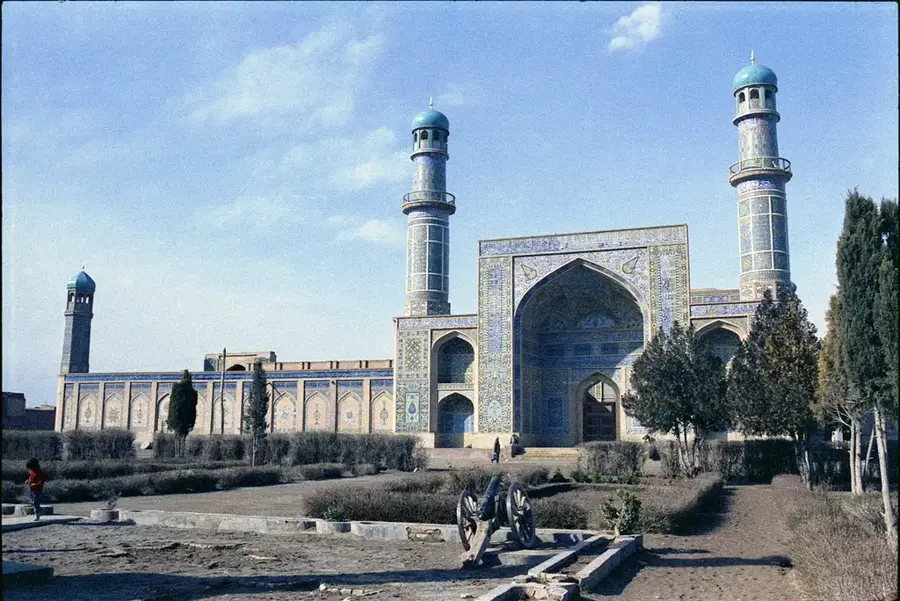
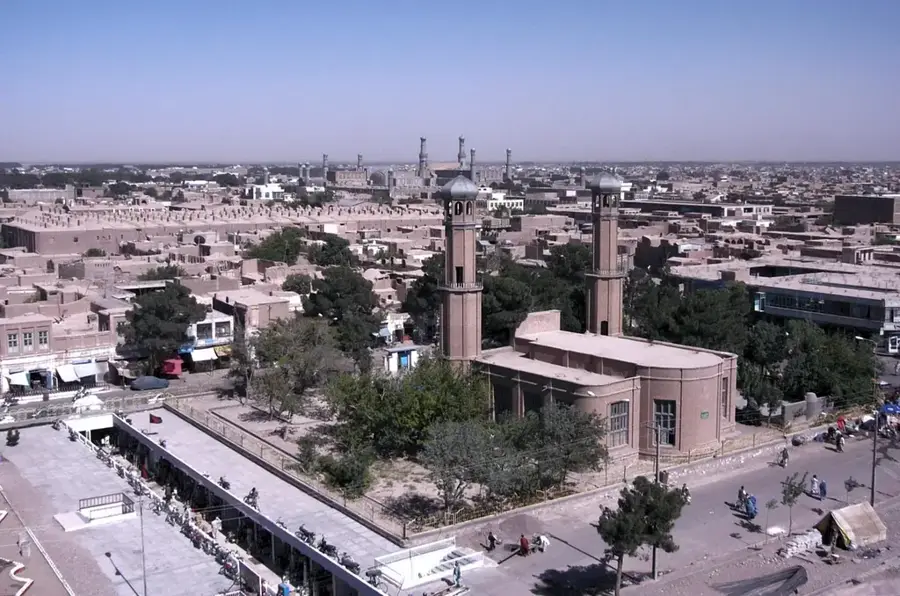
The Musalla Complex in Herat was once one of the most magnificent architectural ensembles of the 15th-century Timurid Renaissance. Commissioned by Queen Gawhar Shad, the wife of Shah Rukh, it included a large mosque, a madrasa (theological school), and a mausoleum. The complex was famous for its size, the symmetry of its design, and above all, for its exquisite mosaic tile decoration in bustling shades of blue, green, and turquoise. Unfortunately, most of this masterpiece was deliberately destroyed in 1885. British and Afghan troops demolished the mosque and madrasa to create a clear field of fire against a feared Russian invasion, which never occurred. Today, only a few remnants of the complex remain, including several towering minarets and the Mausoleum of Gawhar Shad. These remaining fragments, though only a fraction of the original complex, still testify to the incredible artistry and architectural genius of the Timurid era.

Best time to visit & climate

The most pleasant time to visit is May, Aug, Sep.

JanFebMarAprMayJunJulAugSepOctNovDec
Avg °C35101621252725201584
Rain mm3745423510100033239

📋 Practical info

🚪
Visiting
The complex allows visitors to view the towering, intricately tiled ancient minarets and the remaining mausoleums from the outside, marveling at the enduring Timurid architecture. Access to the inner structures may be restricted or require special local permission depending on ongoing restoration work.
🕒
Typical hours
Visiting hours are usually aligned with standard daytime schedules, with mornings being the most pleasant time to walk the grounds before the midday heat sets in. It is common for historical sites in the region to close briefly around midday and on Friday afternoons for prayers.
📷
Photography
The surviving minarets, with their traces of exquisite blue tilework, provide phenomenal subjects for architectural photography, especially against a clear blue sky. Always be mindful and discreet with your camera, strictly avoiding photographing local residents without seeking explicit consent first.
⏱️
Time needed
An average visit lasts approximately 45 minutes to an hour, giving you ample time to walk around the base of the minarets and absorb the immense scale of the ruined complex. Taking a slower pace allows you to appreciate the remaining delicate geometric patterns on the crumbling brickwork.
Combine with
The complex is historically linked and physically close to the magnificent Herat Citadel and the Friday Mosque, creating a cohesive narrative of the city's golden age. Plan to visit all these major Islamic architectural sites sequentially to fully experience the rich history of Herat.
🧭
Getting there
Situated on the outskirts of the central city layout, the complex is easily accessible by taking a short taxi ride from most downtown accommodations. Ensure you arrange for reliable transportation in advance, as wandering the immediate surrounding neighborhoods on foot might not be recommended.
💡
Insider tip
Dressing extremely conservatively is absolutely mandatory for both men and women when exploring anywhere in the city, especially near respected historical Islamic sites. It is highly advisable to arrange your visit through a verified local guide who understands the current security protocols.

Geography

Coordinates
34.35510, 62.18510

Facts

  • Built in the early 15th century.
  • Commissioned by Queen Gawhar Shad.
  • Included a mosque, madrasa, and mausoleum.
  • Famous for its tile mosaics.
  • Mostly destroyed intentionally in 1885.
  • Destruction was to create a field of fire.
  • Only 5 minarets and the mausoleum remain.
  • A high point of Timurid architecture.

Explore nearby

Notable places around
Route planner — Car & Motorhome

Where do you start? We build the route here, with stops and country notes along the way.

Vehicle
Only stops with (optional):

© OpenStreetMap contributors · OpenRouteService

Sights in the town Musalla Complex (3)

Gawharshad Musalla Complex📍 landmark

Initiated in 1417, the Gawharshad Musalla Complex is a sprawling Timurid Islamic site renowned for its intricately tiled, towering minarets.

Tomb of Molana Vaeez Kashefi📍 landmark

This Islamic mausoleum honors Molana Vaeez Kashefi, featuring traditional architectural elements characteristic of the surrounding Timurid complex.

Tomb of Molana Abdul Rahman Jami📍 landmark

The Tomb of Molana Abdul Rahman Jami serves as an Islamic pilgrimage site dedicated to the revered 15th-century Persian poet.

Sights nearby

Frequently asked questions

What was the Musallā Complex?
It is a historic complex of monuments and ruins with religious and cultural significance. Today, mainly fragments and remains survive.
Can you visit the Musallā Complex?
Often yes, but more as an outdoor visit than a fully developed attraction. Access can change with local conditions.
How much time do you need there?
Usually 30 minutes to 1 hour. If you want historical context and photos, a slightly longer stop is worthwhile.
Is the Musallā Complex good for photos?
Yes, especially if you like ruins, lines, and textures. Morning or late-afternoon light usually works best.
Why is the complex historically important?
It represents the region’s religious and urban history. For many travelers, it is a key place for understanding the past.
Musalla Complex: where is it located?
Musalla Complex is located in Afghanistan.
Musalla Complex: what is there to see?
Highlights include Gawharshad Musalla Complex, Tomb of Molana Vaeez Kashefi, Tomb of Molana Abdul Rahman Jami.
Musalla Complex: when is the best time to visit?
The most pleasant time to visit is May, Aug, Sep.
Musalla Complex: why is it worth visiting?

The Musalla Complex in Herat was once one of the most magnificent architectural ensembles of the 15th-century Timurid Renaissance.
View on map → The Top 50 Attractions → OpenStreetMap →
Asia
Explore with Plizio Discover more places in Asia
More places in Afghanistan →

Nearby cities

Nature

More places