Plizio Visual Lab
Chaghcharan
ℹ️Practical info — Chaghcharan
▾
🌤 Weather — 5 days
📍 Nearby
Sights nearby
💡 Tips
- Due to the high altitude, be prepared for cold nights even in summer.
- Modest dress is strictly required; women should wear a headscarf.
- Cash is king here; ensure you have enough Afghanis before arriving.
- Transport out of the city can be irregular, so plan your onward journey well in advance.
🍽 Food
Find this rice dish with carrots and raisins at traditional local guesthouses.
Meat-filled dumplings often served with yogurt in small, family-run eateries.
Look for street vendors grilling fresh meat skewers in the late afternoon.
🛍 Shopping · 🧘 Quiet spots
Explore the central bazaar for traditional textiles and everyday goods.
Ask locals for merchants selling regional rugs made in the surrounding highlands.
Walk along the Hari River for a peaceful escape from the dusty streets.
Take a short hike to the outskirts for panoramic views of the valley.
Water temperature…
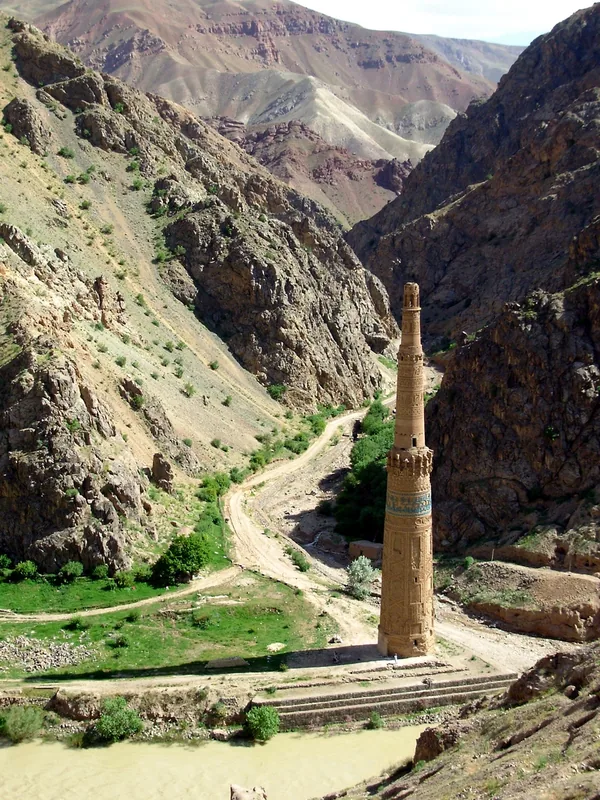
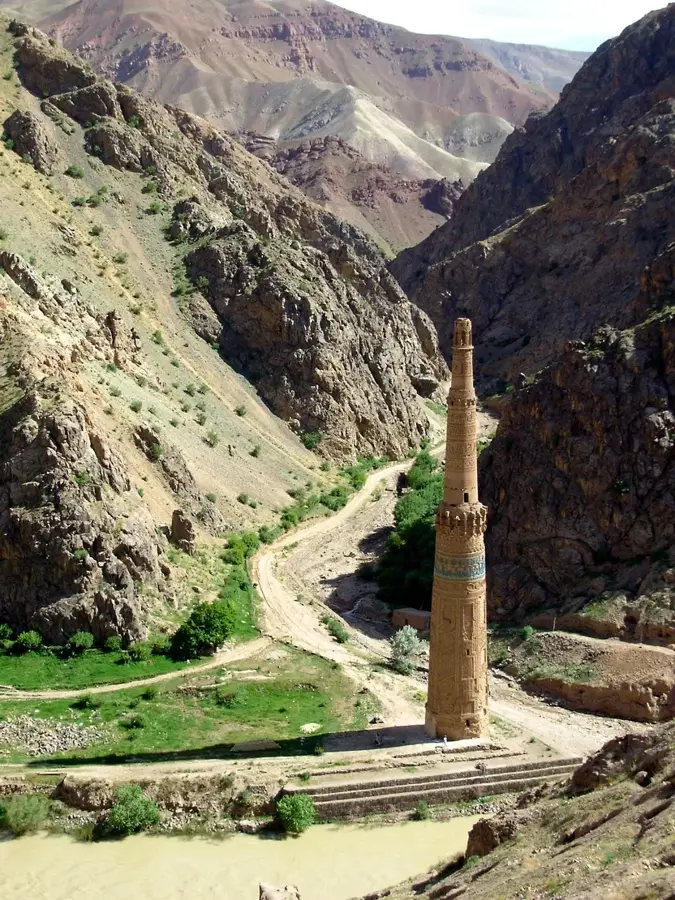
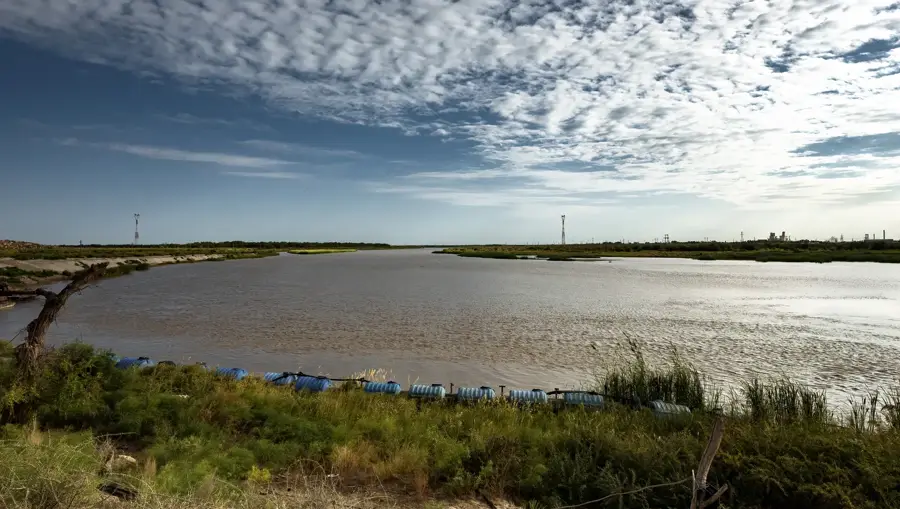
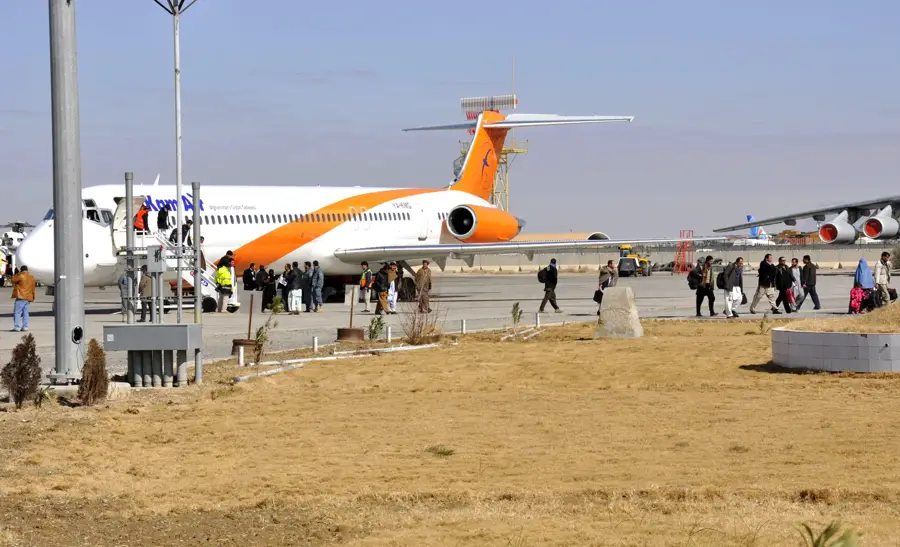
Chaghcharan, officially renamed Firuzkoh in 2014, is the capital of Ghor Province in central-western Afghanistan. It is situated on the southern bank of the Hari River at an elevation of approximately 2,230 meters, making it one of the highest and most isolated provincial capitals in the country. The name Firuzkoh (meaning 'Mountain of Victory') was chosen to honor the historic summer capital of the Ghurid Empire, which ruled much of Central and South Asia during the 12th and 13th centuries. Geographically, the city is defined by the rugged terrain of the central highlands, which creates significant logistical challenges; Chaghcharan is often cut off from Herat and Kabul during the winter months due to heavy snowfall. The climate is semi-arid and continental, with bitter winters and dry, warm summers. The local economy is primarily pastoral and agricultural, with residents relying on sheep and goat herding and the cultivation of wheat along the riverbanks. The demographic makeup of Chaghcharan is a blend of Tajiks and Hazaras, contributing to a rich tapestry of local traditions and Persian-based dialects. While the city itself is relatively small, it serves as the vital administrative, commercial, and educational heart of Ghor Province, hosting a regional hospital and Ghor University. The nearby Minaret of Jam, a UNESCO World Heritage site located further down the Hari River, stands as a testament to the region's glorious architectural past. In recent decades, the city has seen gradual improvements in infrastructure, including a regional airport that provides a crucial link to the rest of the country, bypassing the difficult mountain roads.
- Location: Afghanistan
- Population: ~15.000 (2026)
Best time to visit & climate
The most pleasant time to visit is Jun–Aug.
| Jan | Feb | Mar | Apr | May | Jun | Jul | Aug | Sep | Oct | Nov | Dec | |
|---|---|---|---|---|---|---|---|---|---|---|---|---|
| Avg °C | -7 | -5 | 1 | 6 | 11 | 15 | 18 | 16 | 12 | 7 | 1 | -5 |
| Rain mm | 34 | 41 | 43 | 35 | 16 | 3 | 2 | 2 | 3 | 6 | 30 | 29 |
Geography
Facts
- The city sits at an elevation of 2,230 meters in the Ghor mountains.
- The Hari River flows through the city, providing water for the valley.
- Chaghcharan was officially renamed Firuzkoh in 2014.
- It was historically the heartland of the powerful Ghurid Empire.
- Winter road travel to Kabul can take several days due to terrain.
- The city's population is predominantly Tajik and Hazara.
- Agriculture is limited to wheat and barley in the river valleys.
- The local airport serves as a critical link during winter isolation.
Explore nearby
Notable places around
Route planner — Car & Motorhome
Where do you start? We build the route here, with stops and country notes along the way.
© OpenStreetMap contributors · OpenRouteService
Sights in the town Chaghcharan (1)
Frequently asked questions
Where is Tschaghtscharan located?
What is the challenge?
What can you do there?
Are there tourist facilities?
What is the best preparation?
Chaghcharan: where is it located?
Chaghcharan: when is the best time to visit?
Chaghcharan: why is it worth visiting?
