Plizio Visual Lab

Lowveld Plains
Plizio editorial teamData Sources
Relief
—°
Lowveld Plains (Zimbabwe)

Weather…

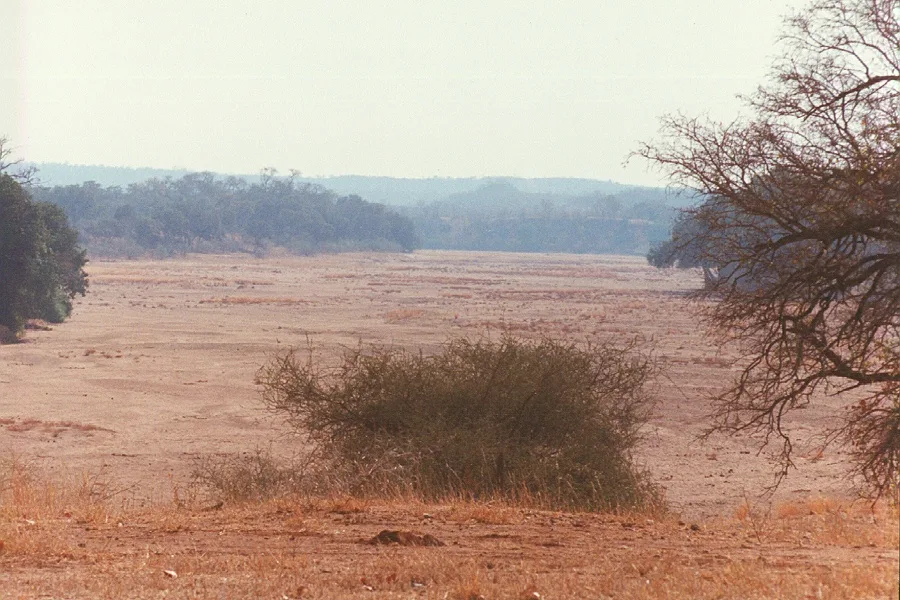
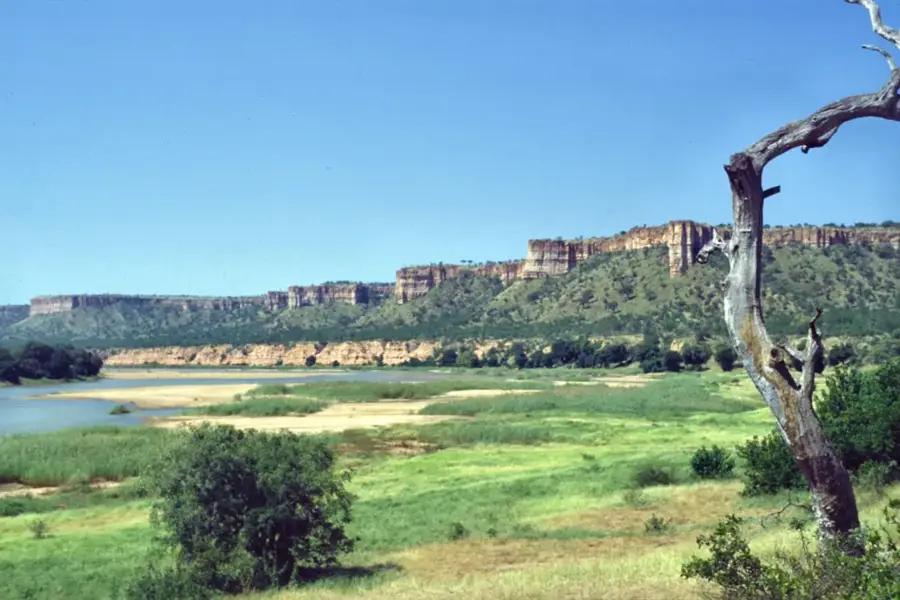
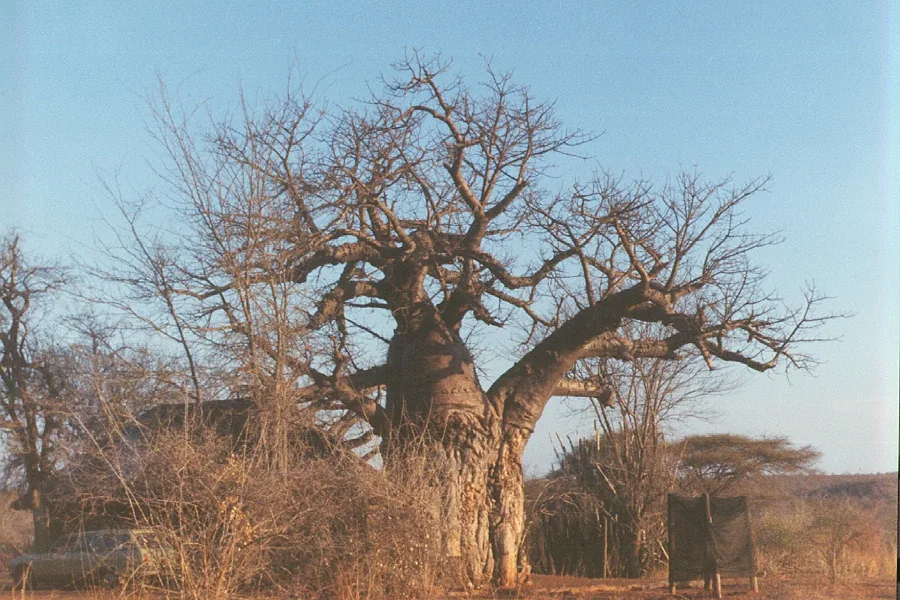
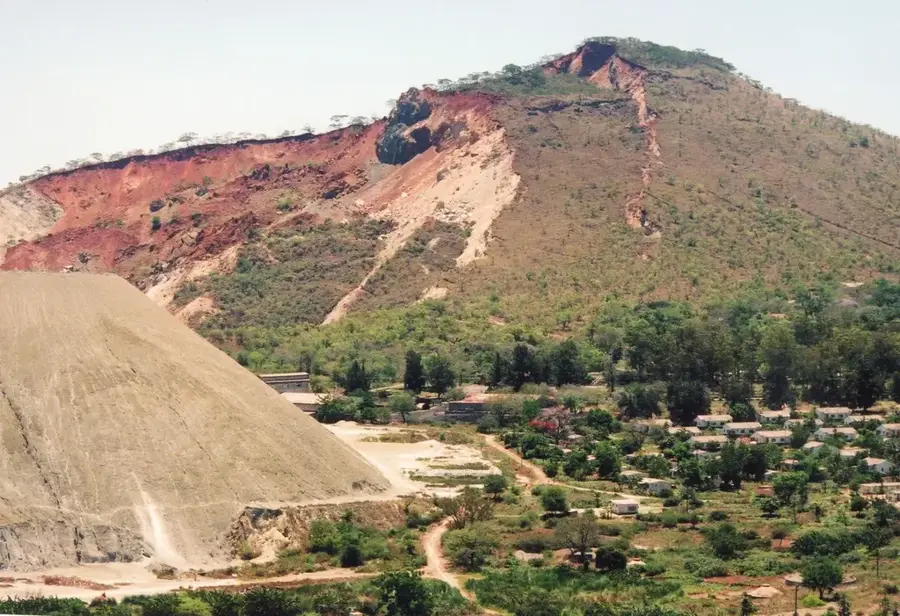
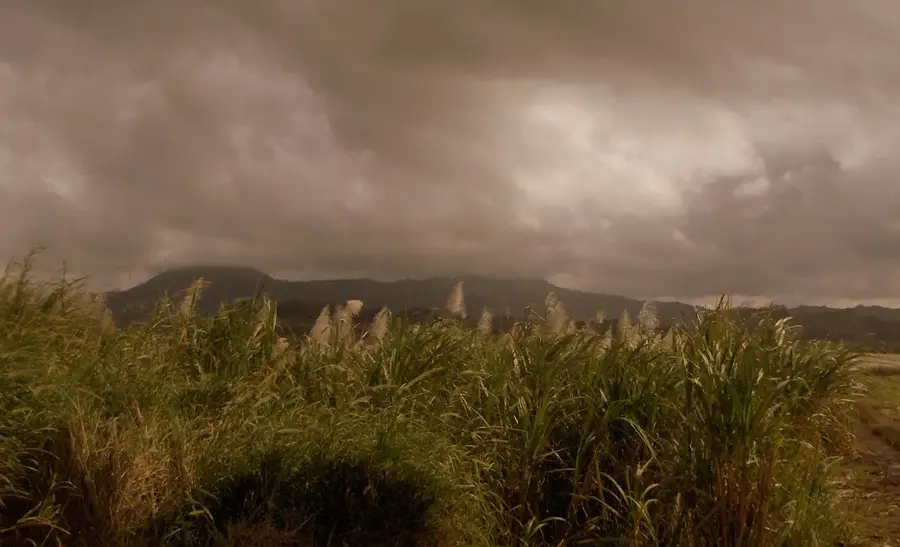
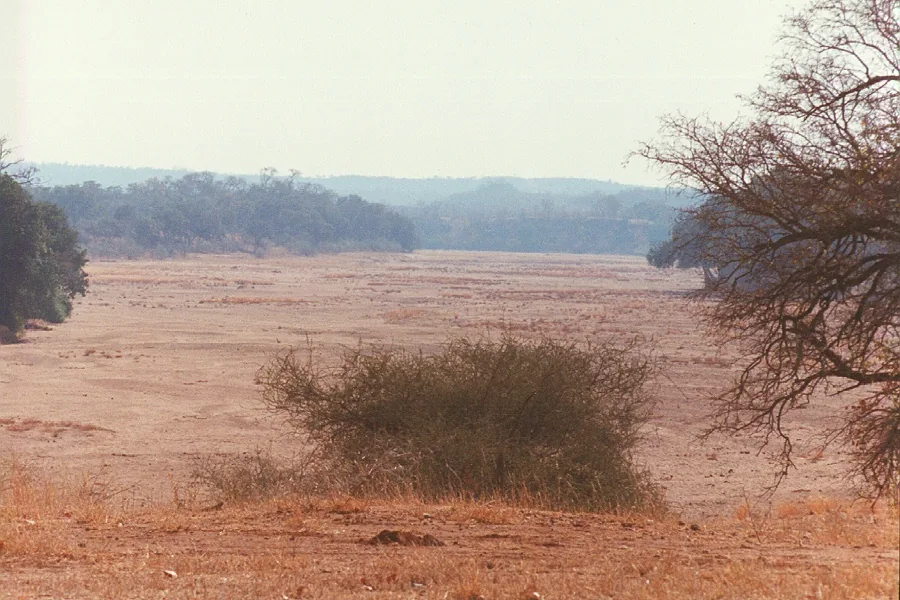
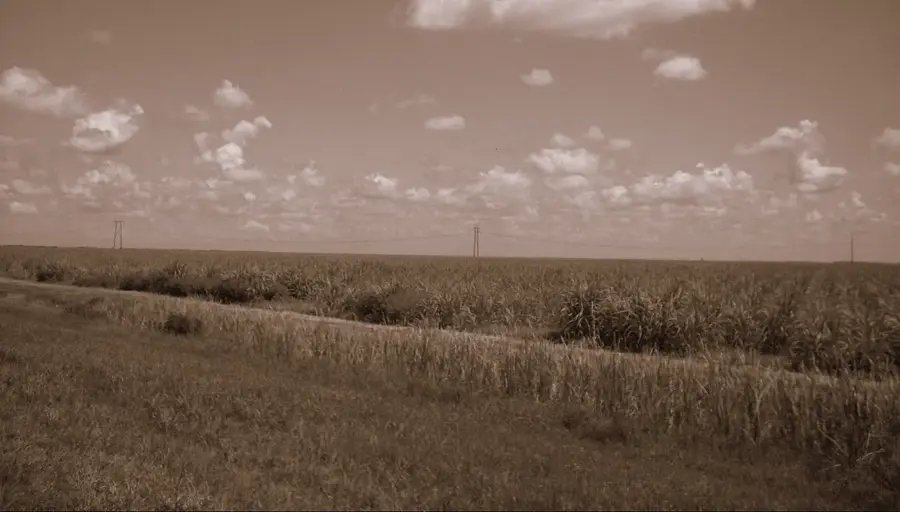
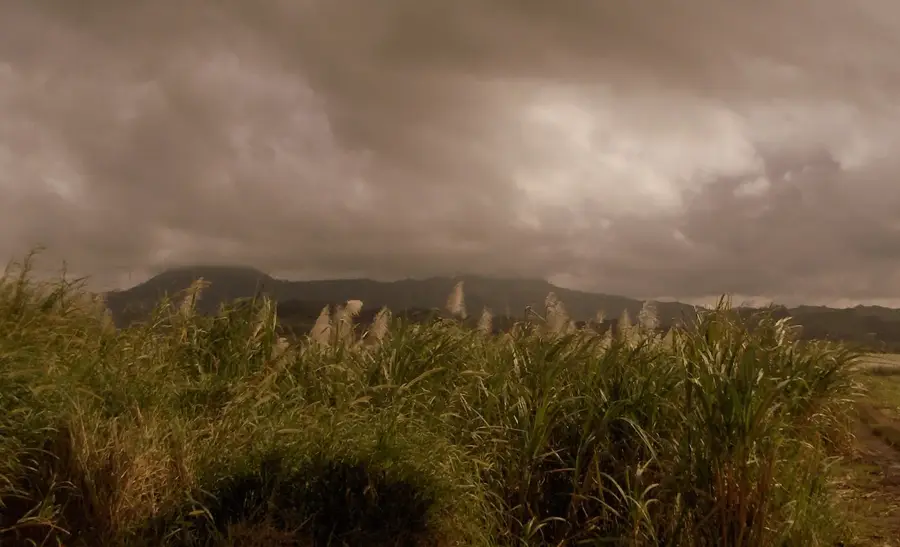
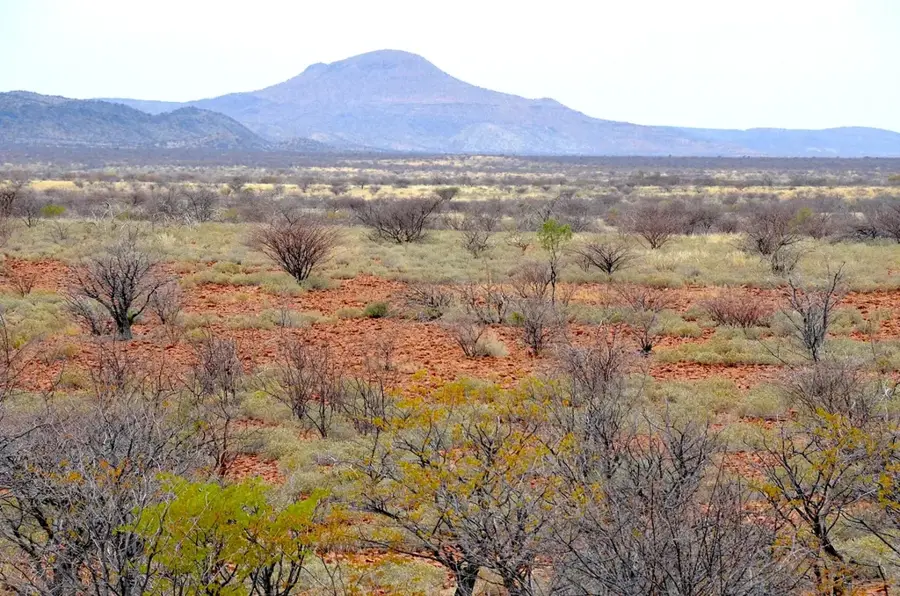
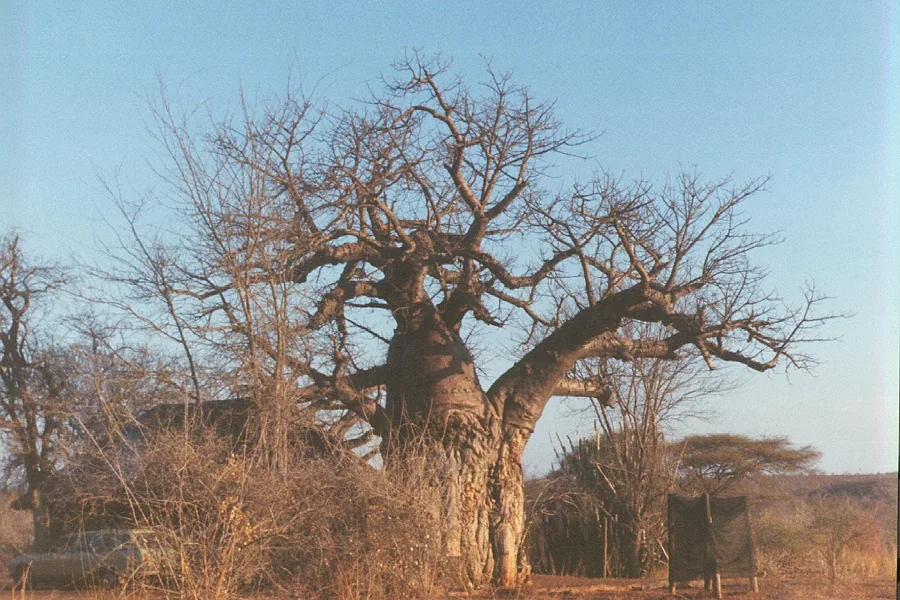
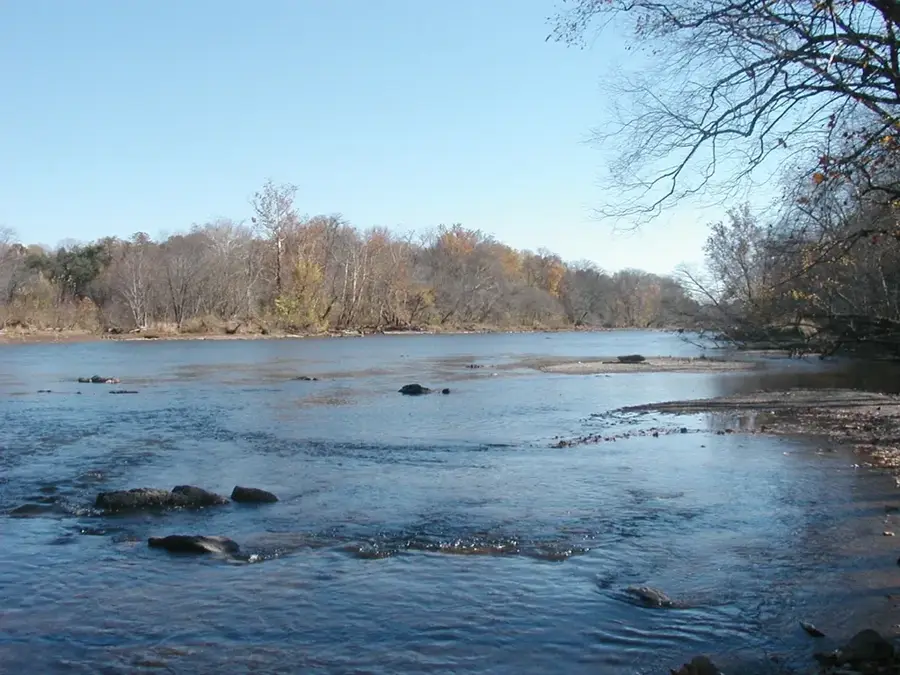
The Lowveld Plains in southeastern Zimbabwe form a vast, flat to gently rolling landscape that extends at an altitude of only 300 to 600 meters above sea level. These extensive areas are characterized by a semi-arid climate with hot summers, mild winters, and relatively low rainfall. The natural vegetation is dominated by dry savannas, acacias, mopane trees, and characteristic baobabs. Despite the arid conditions, the area is of great economic importance, as huge sugarcane and citrus plantations have been created here through extensive irrigation systems. Aside from agriculture, the Lowveld Plains also encompass large private wildlife reserves and conservancy areas, such as the Malilangwe Wildlife Reserve, which are dedicated to protecting endangered species such as the black rhino. These plains offer a rugged, authentic African wilderness experience far away from the large tourist crowds.

Best time to visit & climate

The most pleasant time to visit is May, Jun, Aug.

JanFebMarAprMayJunJulAugSepOctNovDec
Avg °C282827252220192224272828
Rain mm9277612810743112259104

📋 Practical info

🧭
Getting there
These extensive southeastern plains are accessible via the main regional roads leading towards the border areas. A robust 4x4 vehicle is frequently required to navigate the less maintained rural routes.
📅
Best season
The cooler, dry months of winter present the best opportunity for exploration with manageable temperatures. The wet summer season often renders many dirt tracks entirely impassable due to deep mud.
⛰️
Terrain & paths
The landscape consists of broad, relatively flat expanses characterized by scrub and woodland savanna. Unpaved roads can be heavily corrugated, making for a bumpy and slow-paced journey.
🎒
What to bring
Sturdy boots, a wide-brimmed hat, and strong sunblock are vital for the harsh savanna environment. Always carry extra spare tires, emergency tools, and significant reserves of fuel and water.
🅿️
Parking
Safe parking is usually found at regional administrative centers, local lodges, or designated park gates. When stopping in the wild, ensure the ground is solid and clear of tall, dry grass.
⚠️
Safety
Extreme temperatures and long distances between settlements are the most significant hazards. Inform someone of your travel plans, beware of wild animals, and avoid driving completely after dark.
⏱️
Time needed
Traversing the extensive plains can take several days depending on your exact route and destinations. Even a brief transit passing through will typically require a full day of dedicated driving.

Geography

Coordinates
-21.50000, 31.80000

Explore nearby

Notable places around
Route planner — Car & Motorhome

Where do you start? We build the route here, with stops and country notes along the way.

Vehicle
Only stops with (optional):

© OpenStreetMap contributors · OpenRouteService

Sights nearby

Frequently asked questions

What makes the Lowveld-Ebene special?
It is a vast lowland region known for its rich wildlife and hot temperatures.
Is the region accessible year-round?
Yes, generally, but roads can be temporarily impassable after heavy rains.
What should one look out for regarding clothing?
Light, breathable clothing and sun protection are essential due to the intense heat.
Is the area safe for self-driving?
Yes, with a 4x4 vehicle and good preparation, travel is very feasible.
Are there parking options there?
Parking is mostly possible in designated areas or at accommodations; wild parking should be avoided.
Lowveld Plains: where is it located?
Lowveld Plains is located in Zimbabwe.
Lowveld Plains: when is the best time to visit?
The most pleasant time to visit is May, Jun, Aug.
Lowveld Plains: why is it worth visiting?

The Lowveld Plains in southeastern Zimbabwe form a vast, flat to gently rolling landscape that extends at an altitude of only 300 to 600 meters above sea level.
View on map → The Top 50 Attractions → OpenStreetMap →
Africa
Explore with Plizio Discover more places in Africa
More places in Zimbabwe →

Nearby cities

History & landmarks
Nature
More places