Plizio Visual Lab

Quang Ninh Coal Basin
Plizio editorial teamData Sources
mine
—°10
Quang Ninh Coal Basin (Vietnam)

Weather…

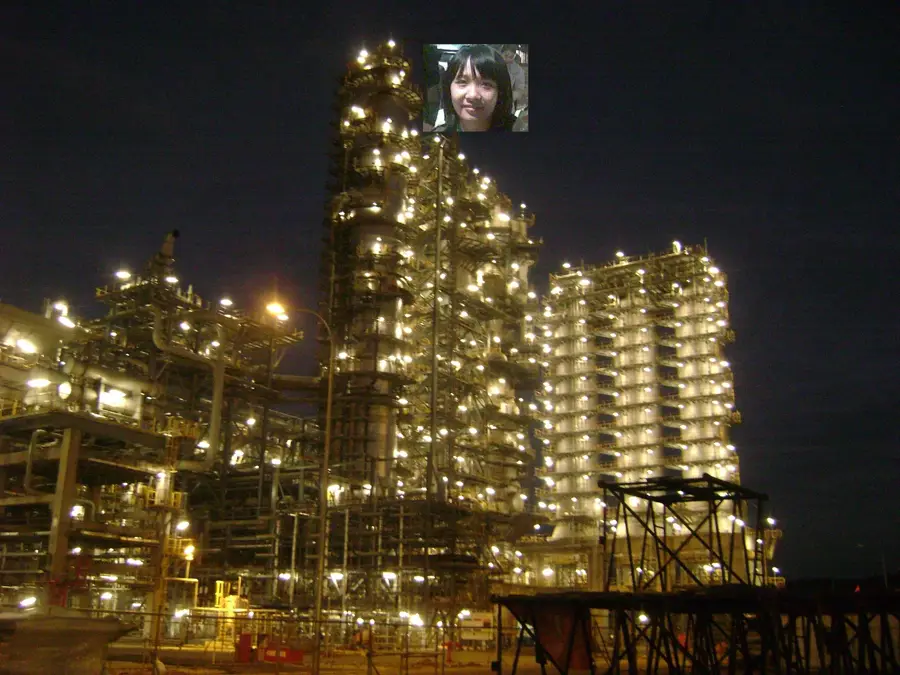
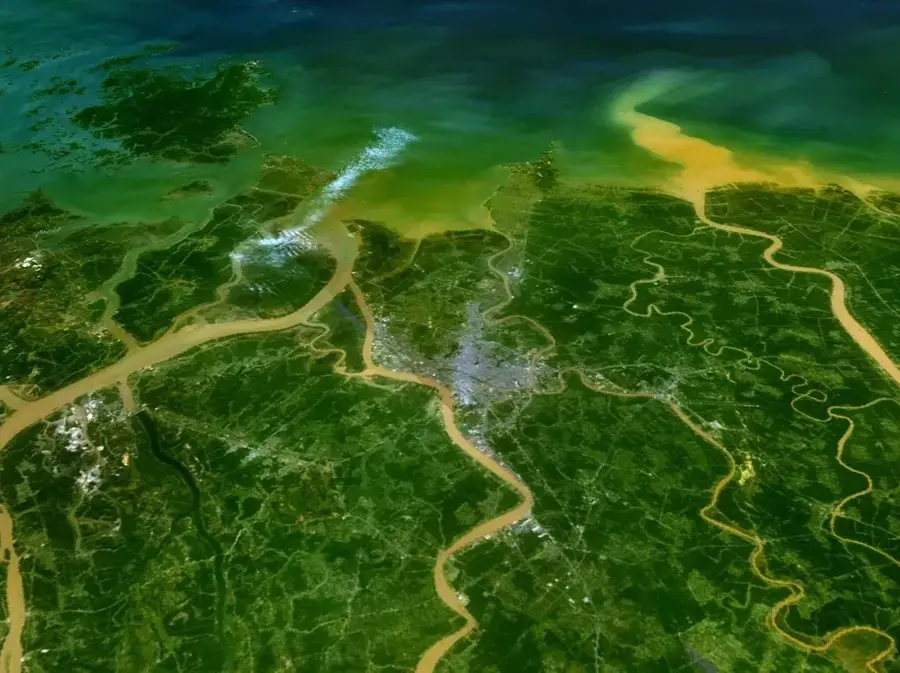
The Quang Ninh coal basin is the largest and most significant mining area in Vietnam, providing over 90% of the country's total coal production. The deposit stretches across a wide area along the northeastern coast, with the centers of Cam Pha, Hon Gai, and Uong Bi playing the key roles. The anthracite coal mined here is globally valued for its high calorific value and low sulfur content, making it a sought-after export commodity. The history of mining in the region began under French colonial rule at the end of the 19th century and permanently shaped the province's socio-economic structure. Today, the sector is managed by the state-owned VINACOMIN group, which operates both open-pit and underground mines. The coal is essential for Vietnam's energy supply, as it fuels numerous thermal power plants across the country. Simultaneously, the region faces the challenge of balancing industrial mining with environmental protection in the ecologically sensitive proximity to Halong Bay. Massive investments in modern extraction technologies and reclamation measures aim to minimize the impact on the ecosystem.

Best time to visit & climate

The most pleasant time to visit is Feb, Mar, Nov.

JanFebMarAprMayJunJulAugSepOctNovDec
Avg °C161821242728282827252117
Rain mm392550691682133023382401225128

📋 Practical info

🏭
What is this place?
This vast region serves as the most important coal reserve in Vietnam, fueling numerous power plants and heavy industry. It has significantly shaped the economic and industrial landscape of the nation for more than a century.
🚪
Visiting
Active mining areas are strictly industrial zones with extremely limited or no access for casual tourists due to severe safety and operational reasons. However, the immense scale of the surface operations can sometimes be glimpsed from a distance.
👀
Where to view it
Travellers journeying along the region's major highways towards the coast typically see large coal transport infrastructure. These routes often reveal prominent conveyor systems and the reshaped, terraced hillsides created by extensive open-pit mining.
🧺
Local products
The immediate vicinity is generally geared towards heavy industrial equipment and bulk mineral transport rather than souvenirs. However, nearby towns may offer regional meals, local snacks, and occasionally artifacts carved from high-quality anthracite.
📆
Active season
Extraction and transport operations typically run continuously throughout the entire year. Industrial activity might visibly slow down only during significant national holidays like Tet, or during periods of extremely severe weather and seasonal typhoons.
Nearby
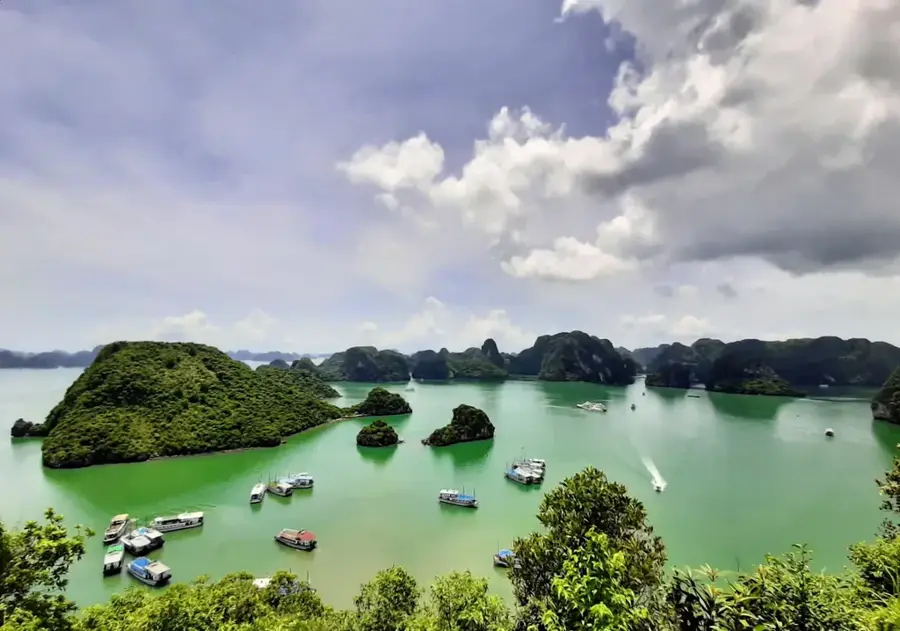
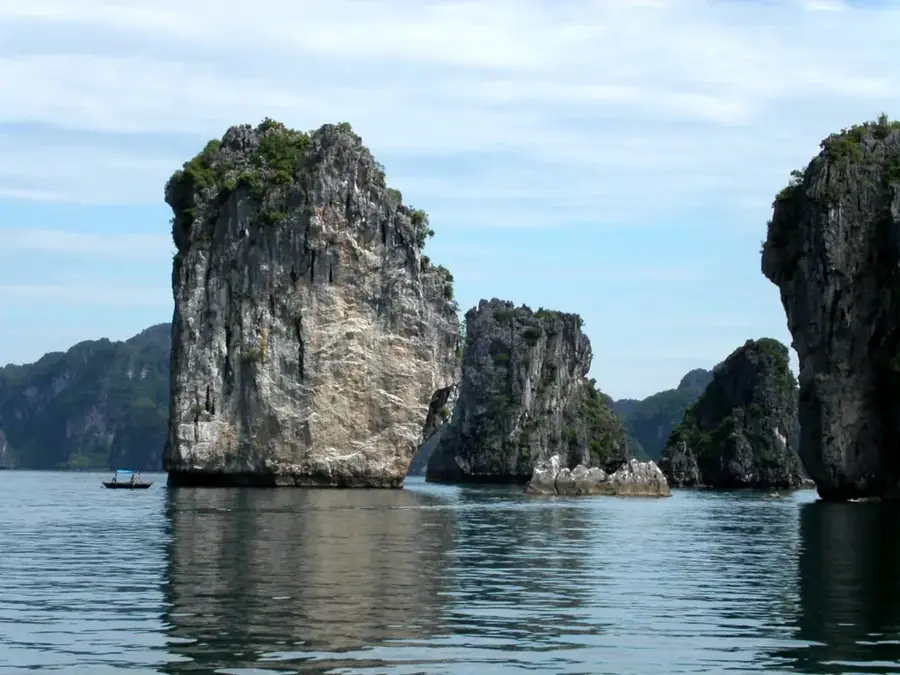
The industrial hinterland strongly contrasts with the nearby, world-famous Ha Long Bay. Visitors can usually transition smoothly from exploring the region's economic engine to cruising among pristine limestone karst formations in the calm sea.

Geography

Coordinates
21.04500, 107.19900

Facts

  • Quang Ninh has estimated reserves of over 3 billion tons of coal.
  • Coal mining accounts for approximately 15-20% of the province's GDP.
  • The port of Cam Pha is the most important terminal for coal exports.
  • VINACOMIN employs over 100,000 workers in the region.
  • Anthracite from Quang Ninh is exported to over 20 countries worldwide.
  • The French Coal Company of Tonkin was founded as early as 1888.

Explore nearby

Notable places around

Route planner — Car & Motorhome

Where do you start? We build the route here, with stops and country notes along the way.

Vehicle
Only stops with (optional):

© OpenStreetMap contributors · OpenRouteService

Sights in the town Quang Ninh Coal Basin (10)

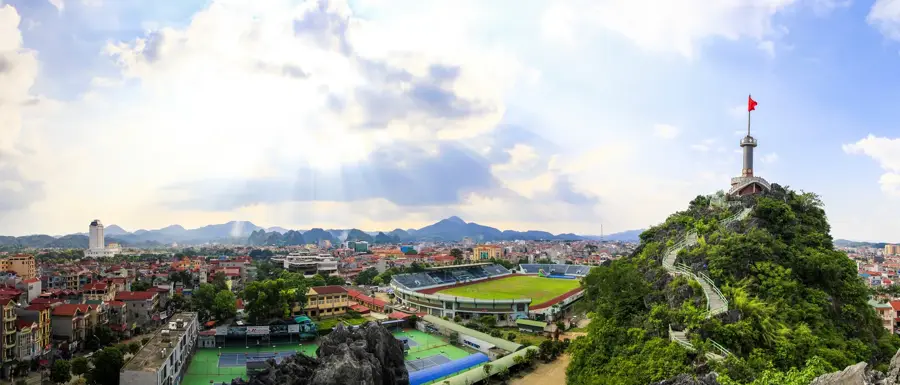
High long mountain📍 landmark

A prominent ridge offering views over the industrial coal mining landscapes of Quang Ninh province.

Su Tu Mountain🌿 nature

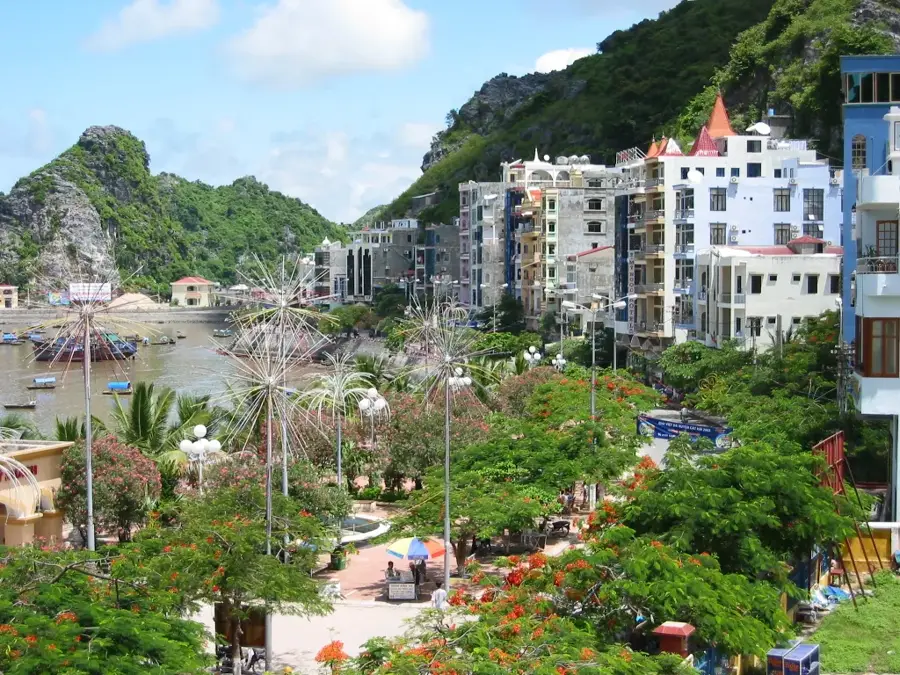
A mountain peak shaped like a crouching lion, overlooking the coastal city and the bay beyond.

Nhà Văn hóa Công Nhân Cẩm Phả🎭 culture

A large community theatre and cultural hub built to serve the mining families of Cam Pha city.

Khu vui chơi thiếu niên nhi đồng🎡 recreation

A local amusement park in Cam Pha featuring rides and recreational spaces for families and children.

Hàng Mã Bà Dung⛪ religious

A traditional place of worship dedicated to local spirits, adorned with colorful ceremonial offerings.

Đền Cao Lâm📍 landmark

A Vietnamese folk temple set against a hillside, honoring historical figures and tutelary deities.

Nhà thờ Giáo xứ Cẩm Phả📍 landmark

A Catholic parish church in the center of the mining city, featuring a distinctive bell tower.

Chợ Suối Khoáng🎭 culture

A local neighborhood market selling daily goods and fresh produce near the area's thermal springs.

Chợ Km10 Quang Hanh🎭 culture

A roadside market at kilometer 10 where travelers stop for local snacks and regional specialties.

Yoko onsen🌿 nature

A luxury Japanese-style hot spring resort utilizing natural thermal mineral waters for relaxation.

Sights nearby

Frequently asked questions

What is the Quảng Ninh coal basin?
The largest coal mining area in Vietnam.
Can you visit the mines?
No, it is not a tourist destination.
What is nearby?
The famous Hạ Long Bay.
Is the area eco-friendly?
The industry puts a heavy strain on the environment.
What can you do nearby?
Take boat tours in the bay.
Quang Ninh Coal Basin: where is it located?
Quang Ninh Coal Basin is located in Vietnam.
Quang Ninh Coal Basin: what is there to see?
Highlights include High long mountain, Su Tu Mountain, Nhà Văn hóa Công Nhân Cẩm Phả.
Quang Ninh Coal Basin: when is the best time to visit?
The most pleasant time to visit is Feb, Mar, Nov.
Quang Ninh Coal Basin: why is it worth visiting?

The Quang Ninh coal basin is the largest and most significant mining area in Vietnam, providing over 90% of the country's total coal production.
View on map → The Top 50 Attractions → OpenStreetMap →
Asia
Explore with Plizio Discover more places in Asia
More places in Vietnam →

Nearby cities

History & landmarks
Nature
More places