Plizio Visual Lab
San José de Mayo
ℹ️Practical info — San José de Mayo
▾
🌤 Weather — 5 days
📍 Nearby
Sights nearby
💡 Tips
- Don't miss the historic Teatro Macció; check locally for free afternoon tours.
- Be aware of the afternoon siesta; many local shops close between 1 PM and 4 PM.
- The city center is very walkable; you can easily park near Plaza Treinta y Tres.
- Carry a thermos and mate cup to blend in with the locals relaxing in the parks.
🍽 Food
Look for a traditional parrillada near the center for excellent local beef.
The classic Uruguayan steak sandwich, served at cafes around Plaza Treinta y Tres.
Pick these up at local bakeries for a sweet afternoon snack.
🛍 Shopping · 🧘 Quiet spots
The main pedestrian street for clothing, souvenirs, and daily goods.
Check the main square on weekends for leather goods and mate accessories.
Features a small lake and green spaces, well-suited for a relaxed afternoon with mate.
Sit by the central fountain and watch the local rhythm of life.
Water temperature…
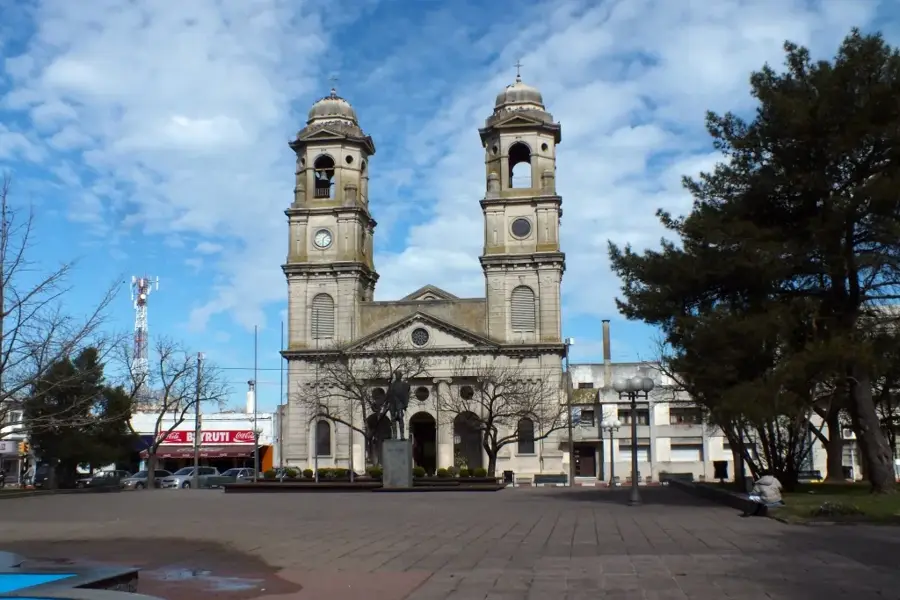
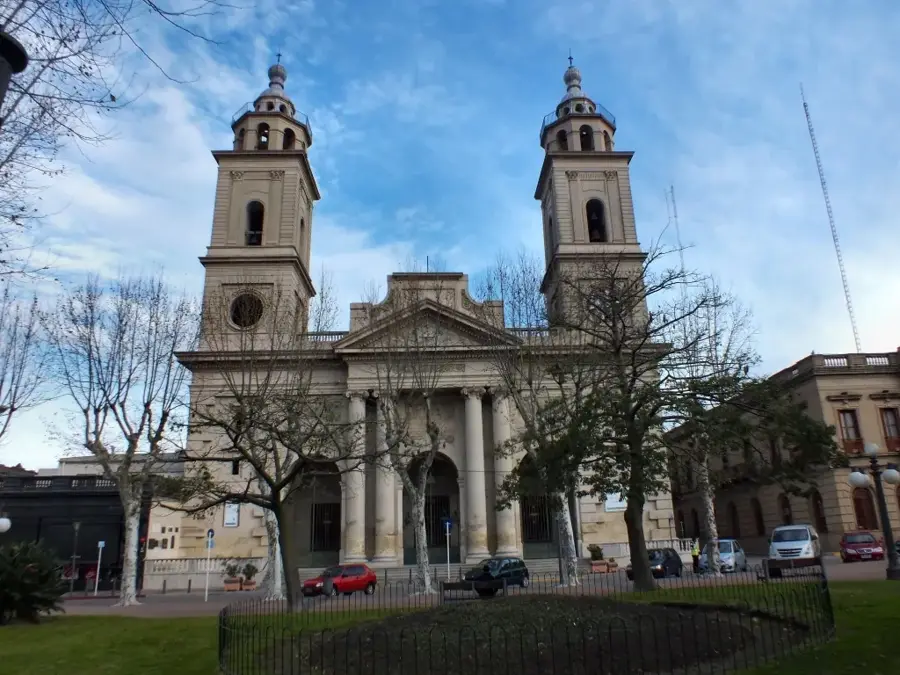
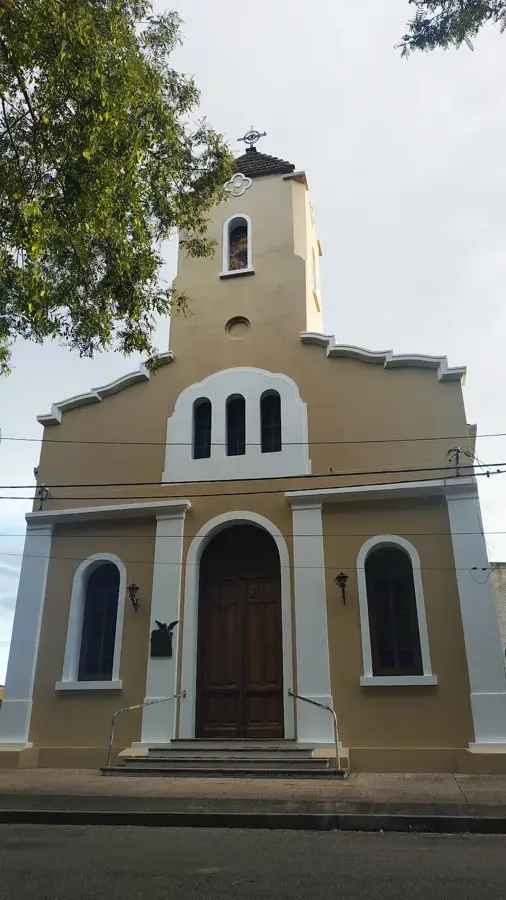
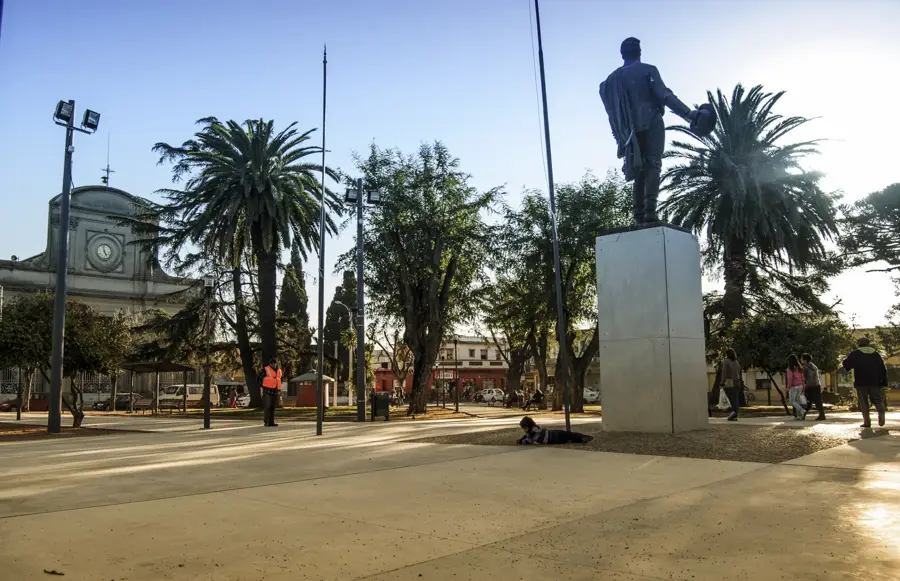
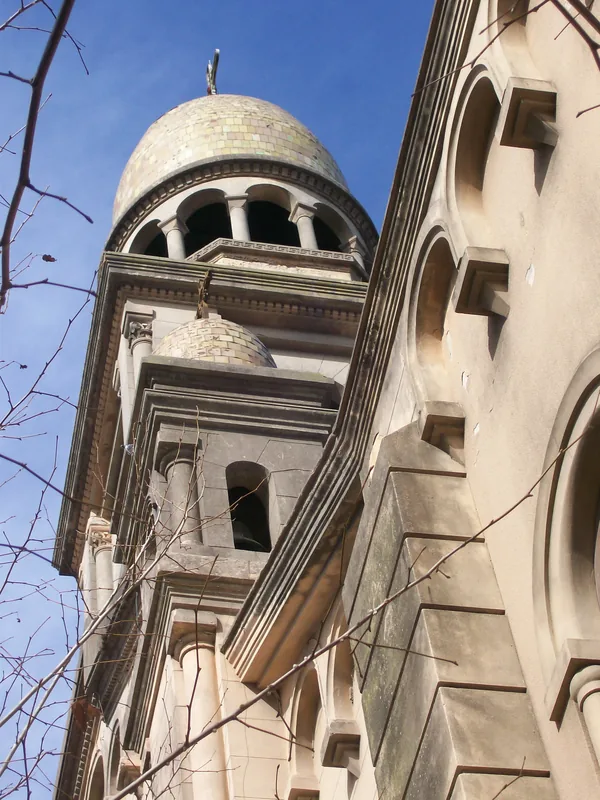
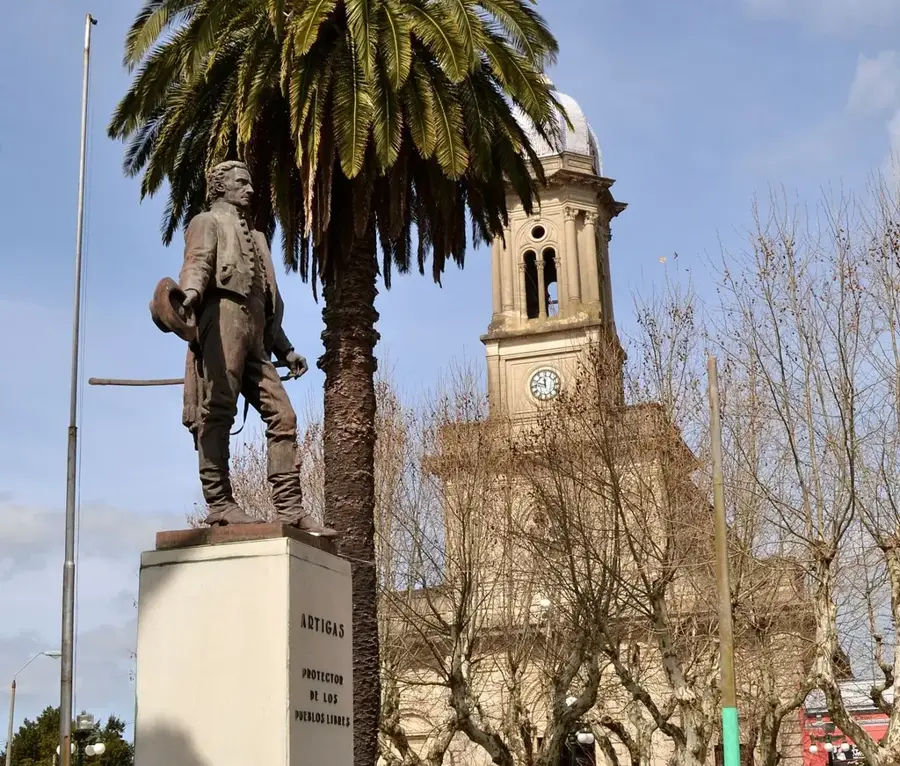
San José de Mayo, the capital of the San José Department in southern Uruguay, is a city renowned for its rich cultural heritage and its status as a major agricultural hub. Founded in 1783 by Spanish settlers from Asturias, the city was part of a larger colonial project to populate the region with hardworking farming families. Strategically located just 90 kilometers from Montevideo, it serves as the center of Uruguay's most important dairy-producing region, often called the 'dairy basin' of the country. The city's intellectual life has earned it the nickname 'City of the Scholars,' a legacy maintained through its bustling arts scene and historic institutions. The crown jewel of its architecture is the Teatro Macció, which opened in 1912 and remains one of the finest theaters in Uruguay, boasting a classic Italian-style hall and world-class acoustics. Another significant landmark is the Cathedral of San José de Mayo, a National Historic Monument known for its massive 60-meter-high dome and a clock made by Italian craftsmen. Historically, San José played a pivotal role in the nation's independence movements, serving as the seat of the provisional government in 1823. The urban layout follows a neat grid centered around Plaza Treinta y Tres, which is lined with historic buildings and orange trees. The city is also known for its agricultural festivals and the 'Exposición Ganadera,' one of the country's most important livestock shows. With its blend of traditional gaucho culture, high-end dairy production, and a deep appreciation for the performing arts, San José de Mayo gives a uniquely sophisticated provincial experience, combining economic productivity with a high standard of community life and historical preservation.
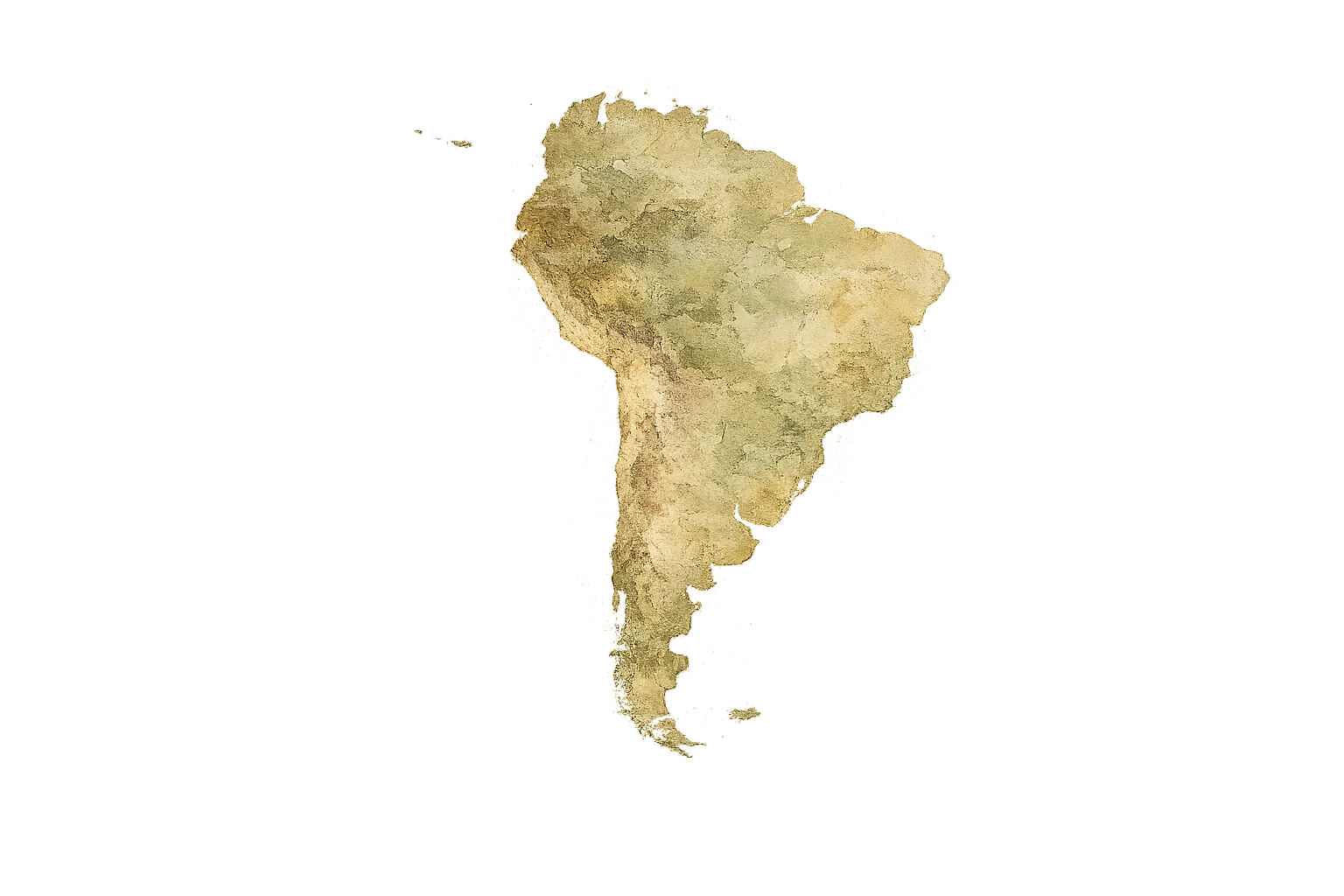
- Location: Uruguay
- Top sights: Playa vieja · Museo Wenceslao Varela · Teatro Maccio
- Nearby: Rodríguez (19 km)
- Population: ~36.529 (2026)
Best time to visit & climate
The most pleasant time to visit is Mar, Nov, Dec.
| Jan | Feb | Mar | Apr | May | Jun | Jul | Aug | Sep | Oct | Nov | Dec | |
|---|---|---|---|---|---|---|---|---|---|---|---|---|
| Avg °C | 24 | 23 | 21 | 17 | 14 | 11 | 10 | 11 | 13 | 16 | 19 | 22 |
| Rain mm | 99 | 106 | 122 | 103 | 88 | 96 | 92 | 99 | 99 | 108 | 95 | 89 |
Geography
Facts
- Founded on June 1, 1783, by settlers from the Asturias region.
- The city's population is approximately 36,500.
- The Cathedral of San José is the largest religious building in the interior.
- Located 90 km from the national capital, Montevideo.
- Known as the 'City of the Scholars' for its cultural prestige.
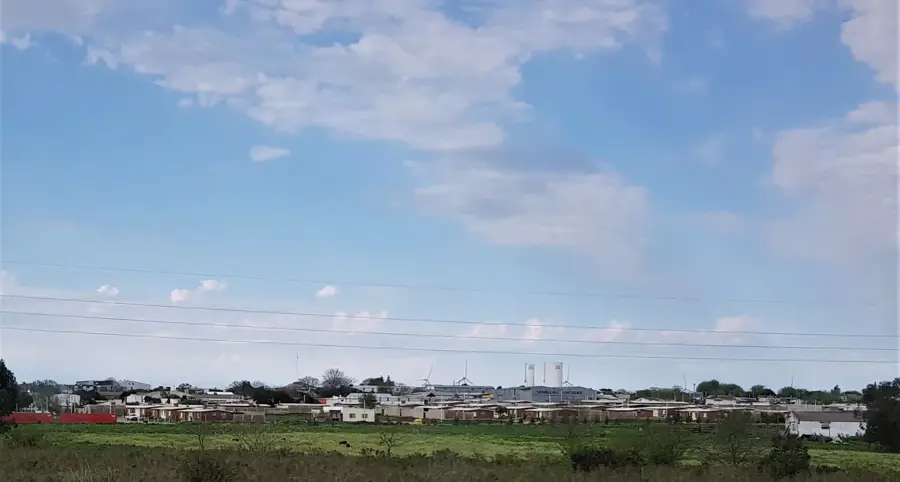
- The surrounding area is a major producer of cereals and dairy.
- Teatro Macció was built in memory of businessman Bartolomé Macció.
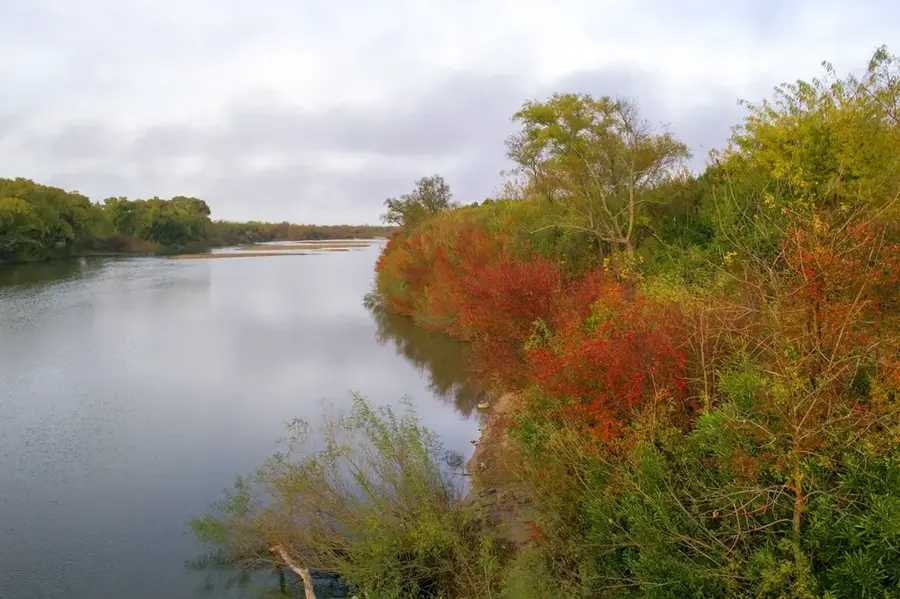
- The San José River is the primary water source for the city.
Explore nearby
Notable places around

Route planner — Car & Motorhome
Where do you start? We build the route here, with stops and country notes along the way.
© OpenStreetMap contributors · OpenRouteService
Sights in the town San José de Mayo (5)
Museo Wenceslao Varela🏛 museum
Museo Wenceslao Varela is a museum dedicated to preserving the life and works of the celebrated gaucho poet Wenceslao Varela.
Frequently asked questions
How many days for San José de Mayo?
When is the best time to visit?
How to travel to San José?
Regional cuisine?
Family friendly?
San José de Mayo: where is it located?
San José de Mayo: what is there to see?
San José de Mayo: when is the best time to visit?
San José de Mayo: why is it worth visiting?
Nearby cities

History & landmarks
Nature
More places