Plizio Visual Lab
Gigthis Archaeological Site
Weather…
Water temperature…
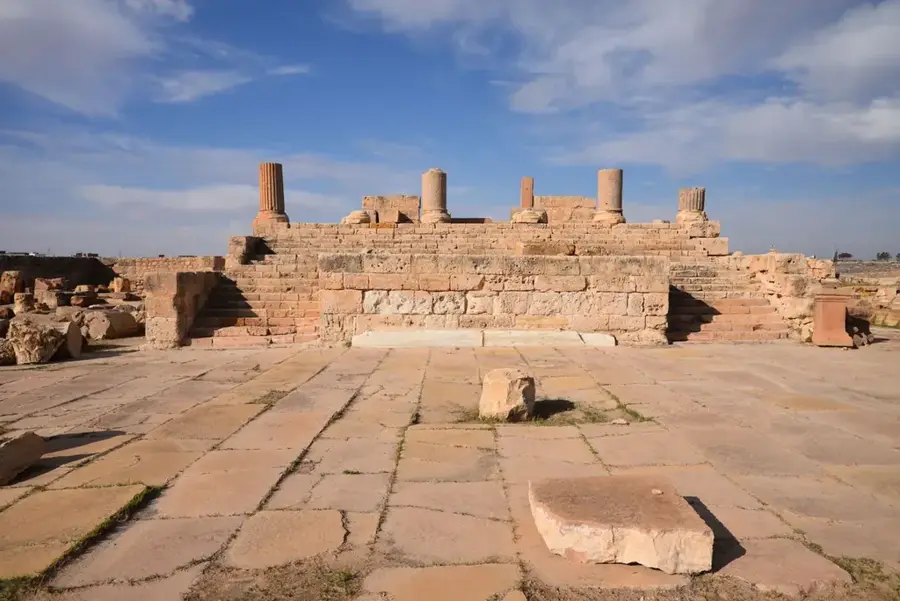
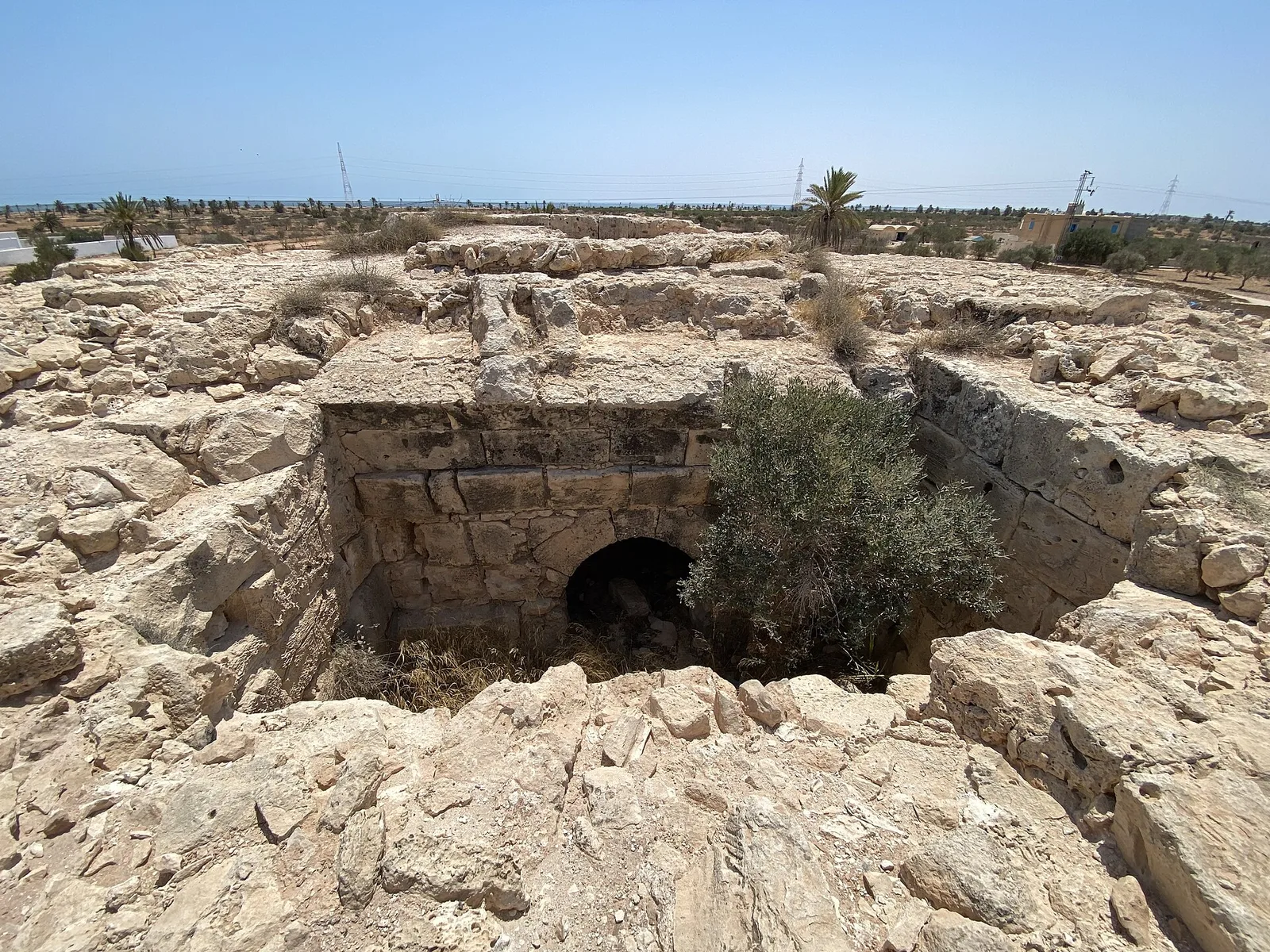
Gigthis is an extensive archaeological site located on the Gulf of Gabès in southeastern Tunisia, serving as a vital Punic and later Roman maritime hub. The city thrived as a key terminal for trans-Saharan trade routes, where goods from sub-Saharan Africa were loaded onto ships destined for Rome and other Mediterranean ports. During the 2nd century AD, particularly under Emperor Hadrian, Gigthis underwent significant urban development, resulting in a monumental forum area and impressive public monuments. Notable ruins include the Temple of Apollo and the Capitol, which stands as the focal point of the ancient civic center. The city's architecture demonstrates a unique blend of indigenous Punic influences and classic Roman styles, evidenced by the layouts of its private residences and public baths. Gigthis was also famous for its purple dye production and olive oil exports, which generated substantial wealth for its citizens. Its coastal location and well-preserved remains make it one of the most significant sites for understanding ancient maritime commerce in North Africa.
- Location: Tunisia
- Nearby: Ghardaia (32 km)
Best time to visit & climate
The most pleasant time to visit is Apr, May, Oct.
| Jan | Feb | Mar | Apr | May | Jun | Jul | Aug | Sep | Oct | Nov | Dec | |
|---|---|---|---|---|---|---|---|---|---|---|---|---|
| Avg °C | 11 | 12 | 15 | 19 | 22 | 26 | 29 | 29 | 27 | 23 | 17 | 13 |
| Rain mm | 13 | 17 | 22 | 14 | 10 | 4 | 0 | 3 | 24 | 26 | 34 | 32 |
📋 Practical info
Geography
Facts
- Punic in origin, later became a major Roman port
- Reached its peak in the 2nd century under Hadrian
- Key terminal for trans-Saharan trade caravans
- Features a monumental Capitol and a Temple of Apollo
- Famous for purple dye production and olive oil exports
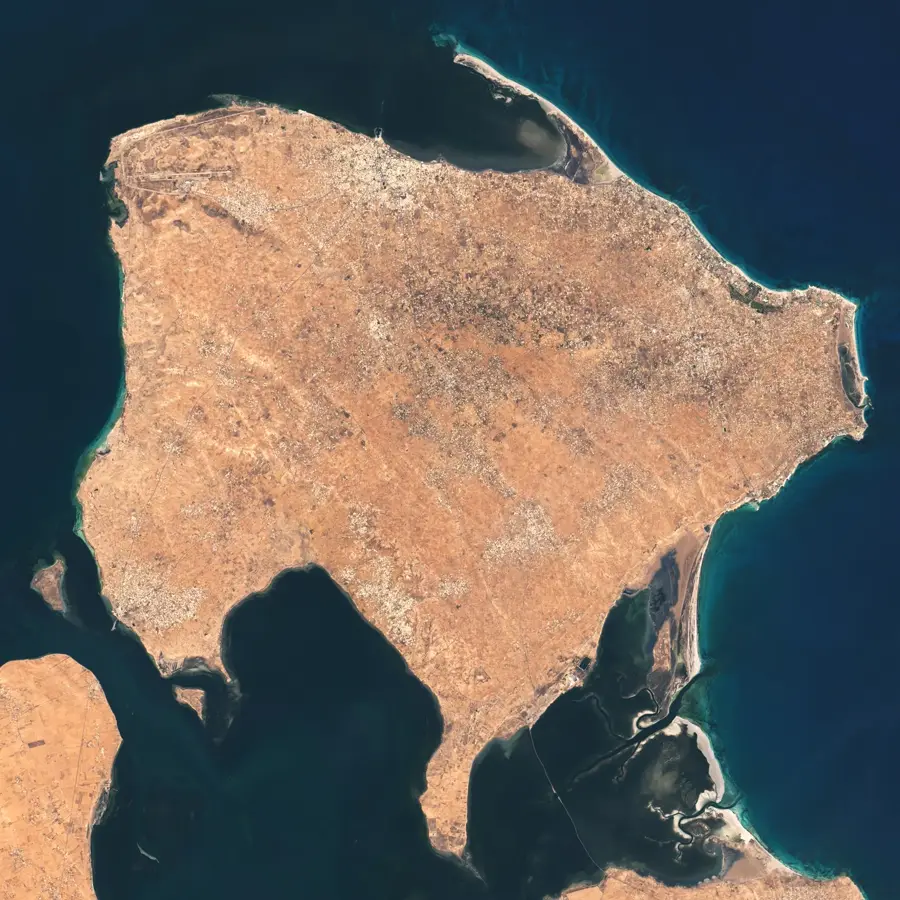
- Located on the coast directly opposite the island of Djerba
Explore nearby
Notable places around
Route planner — Car & Motorhome
Where do you start? We build the route here, with stops and country notes along the way.
© OpenStreetMap contributors · OpenRouteService
Sights in the town Gigthis Archaeological Site (1)
Sights nearby
Frequently asked questions
Where is Gigthis located?
What is the best way to get there?
Is a day trip worth it?
Are there entrance fees?
Is it very hot there?
Gigthis Archaeological Site: where is it located?
Gigthis Archaeological Site: when is the best time to visit?
Gigthis Archaeological Site: why is it worth visiting?

Nearby cities
History & landmarks