Plizio Visual Lab
Ruaha Wildlife Habitat
Weather…
Water temperature…
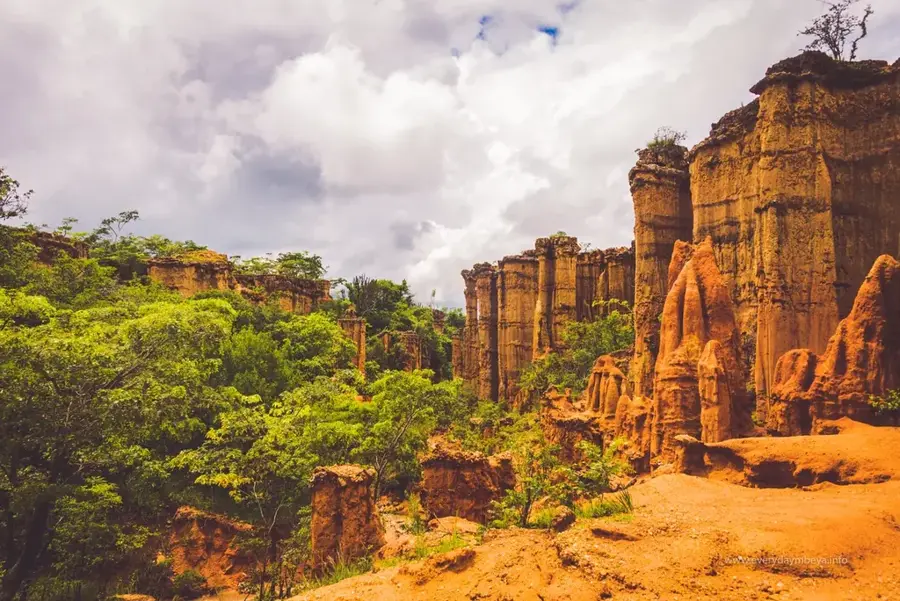
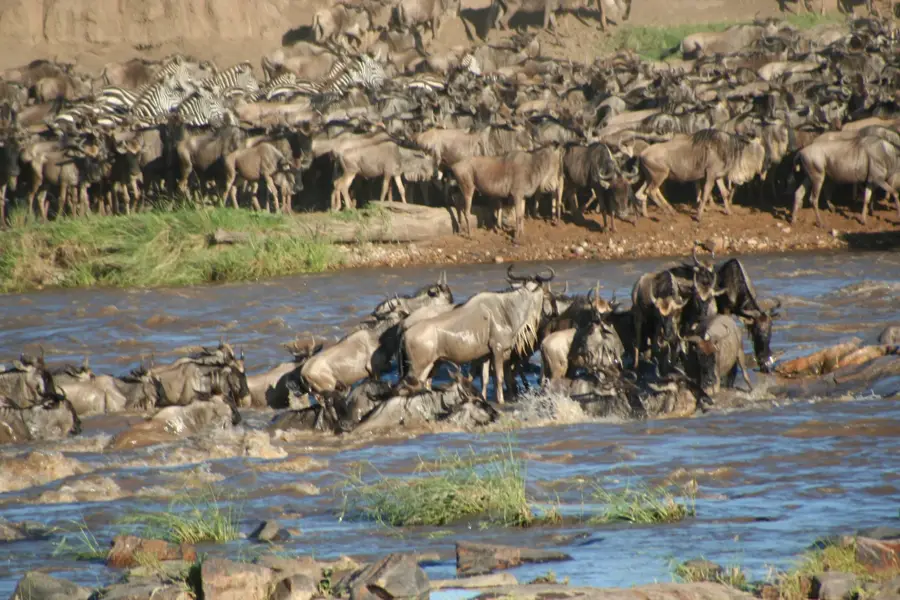
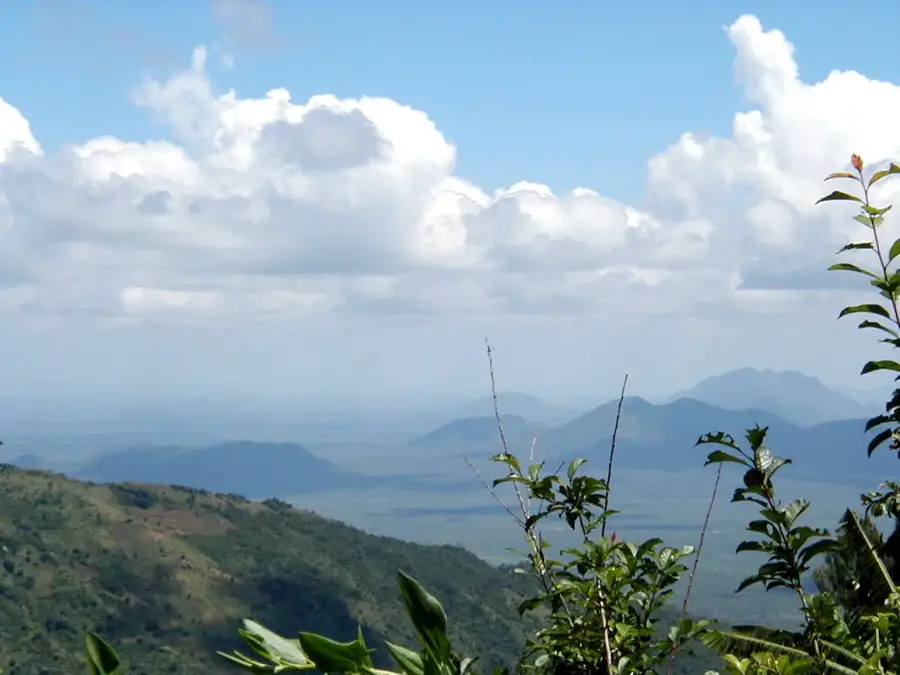
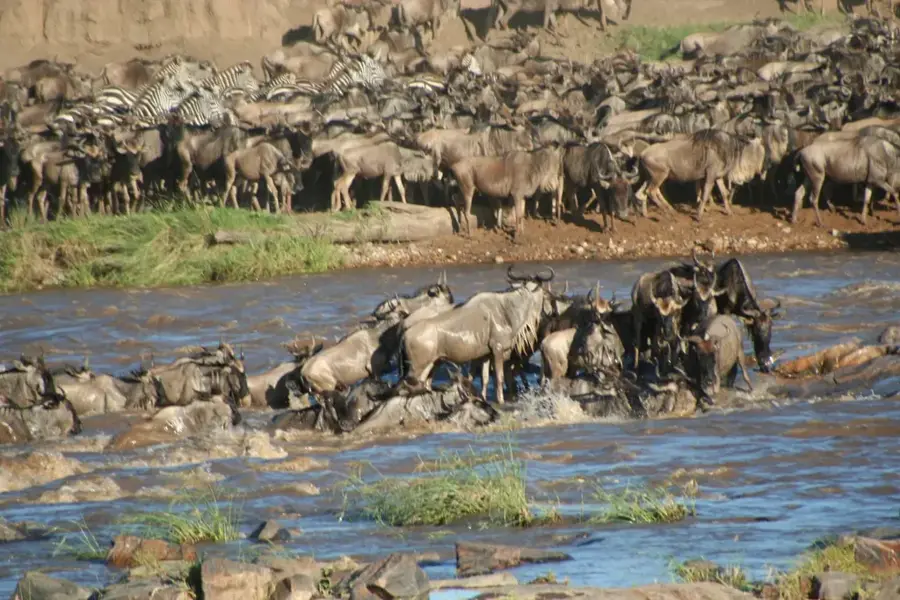
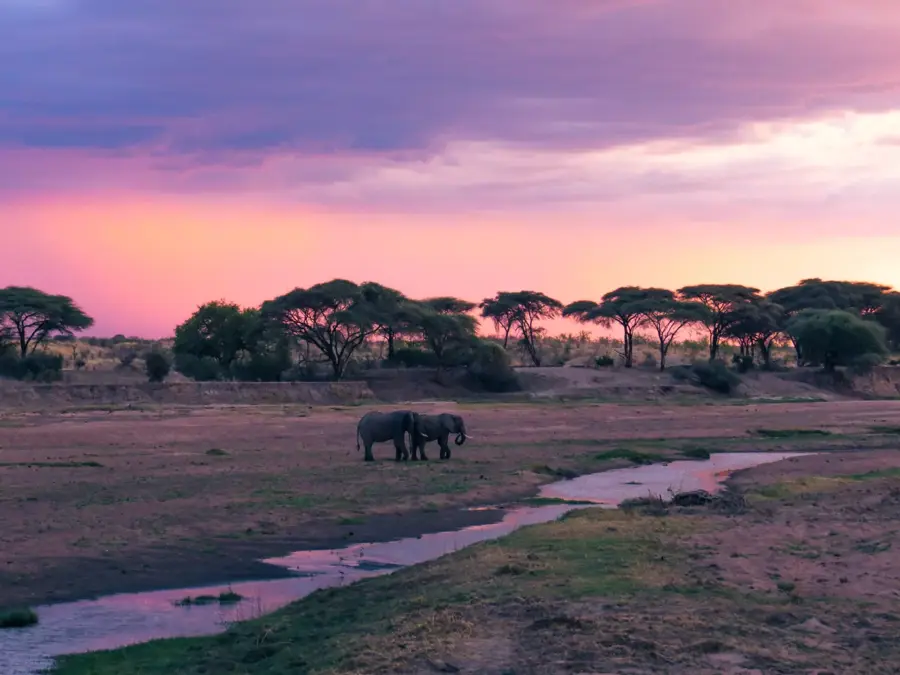
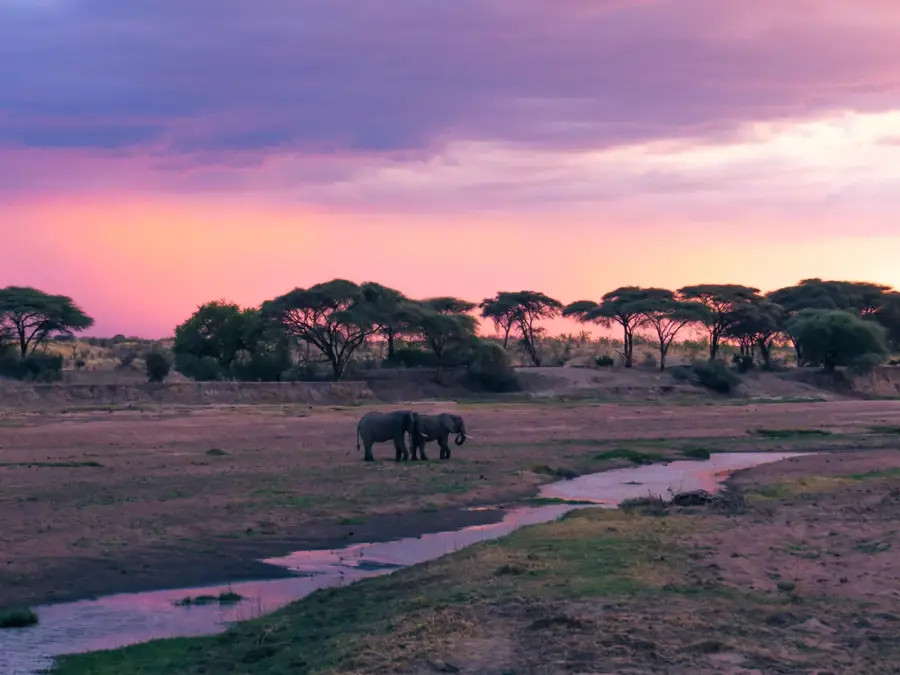
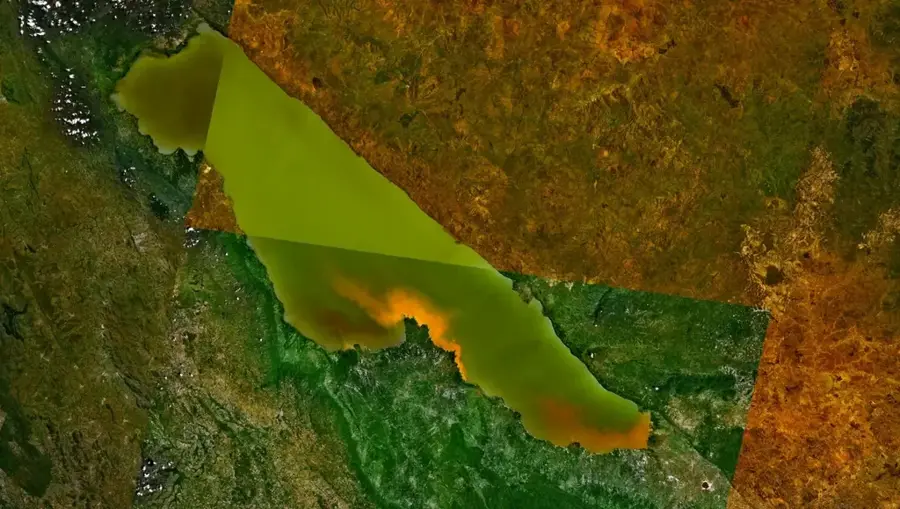
The Ruaha Wildlife Habitat within Ruaha National Park represents one of East Africa's largest and most pristine ecosystems. Situated in the heart of Tanzania, the region is geographically defined by the Great Ruaha River, which serves as the only permanent water source for an incredible variety of wildlife during the dry season. The park is globally renowned for its massive elephant populations and hosts one of the highest concentrations of lions in Africa. Historically, the region remained largely inaccessible for decades, a factor that contributed significantly to the preservation of its original wilderness; it was officially gazetted as a park in 1964. The habitat features a fascinating blend of semi-arid savannas, acacia woodlands, and monumental baobab trees. Contemporary conservation efforts focus on maintaining migratory corridors and managing critical water resources in the river's upper reaches. For visitors, Ruaha features an authentic wilderness experience away from mass tourism, where the balance between ecological integrity and sustainable travel is paramount. Research into predator-prey dynamics within this unique environment continues to provide vital data for global conservation science.
Best time to visit & climate
The most pleasant time to visit is Jun–Aug.
| Jan | Feb | Mar | Apr | May | Jun | Jul | Aug | Sep | Oct | Nov | Dec | |
|---|---|---|---|---|---|---|---|---|---|---|---|---|
| Avg °C | 21 | 21 | 21 | 21 | 21 | 19 | 19 | 21 | 23 | 25 | 25 | 23 |
| Rain mm | 213 | 151 | 190 | 112 | 29 | 4 | 2 | 1 | 2 | 22 | 90 | 205 |
📋 Practical info
Geography
Facts
- Ruaha is one of Tanzania's largest national parks, covering over 20,000 km².
- An estimated population of over 10,000 elephants resides here.
- The park is home to both Greater and Lesser Kudu antelope.
- More than 570 bird species have been recorded within the park's boundaries.
- The baobab trees in the park can live for well over 1,000 years.
- Ruaha is noted for its populations of the endangered African wild dog.
Explore nearby
Notable places around

Route planner — Car & Motorhome
Where do you start? We build the route here, with stops and country notes along the way.
© OpenStreetMap contributors · OpenRouteService
Sights nearby
Frequently asked questions
What is Ruaha animal habitat known for?
How do I reach the park?
Is there accommodation for families?
Which season is best?
Is malaria protection required?
Ruaha Wildlife Habitat: where is it located?
Ruaha Wildlife Habitat: when is the best time to visit?
Ruaha Wildlife Habitat: why is it worth visiting?

Nearby cities
History & landmarks
Nature
More places