Plizio Visual Lab

Rio Tinto Mines
Plizio editorial teamData Sources
mine
—°7
Rio Tinto Mines (Spain)

Weather…

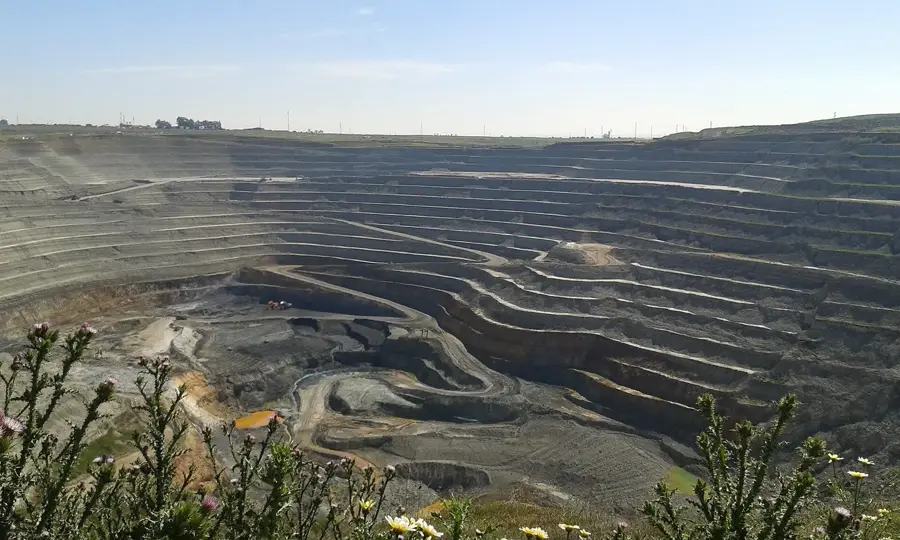
The Minas de Ríotinto in the Andalusian province of Huelva represent one of the oldest, most intensively used, and visually striking mining regions in the world. Iberians, Phoenicians, and later the Romans mined for copper, silver, and gold in this massive pyritic belt over 5,000 years ago. The landscape has literally been turned upside down by this millennia-old, extreme intervention in nature, transforming it into an alien-looking, rugged crater landscape. Particularly characteristic is the deep red Rio Tinto river, whose highly acidic and heavy-metal-rich water is populated by extremophile bacteria, attracting NASA scientists to research analogies for potential life on the planet Mars. In the late 19th century, mining was massively industrialized by a British consortium, which has left deep economic and architectural marks in the region to this day.

Best time to visit & climate

The most pleasant time to visit is May, Jun, Sep.

JanFebMarAprMayJunJulAugSepOctNovDec
Avg °C91013162025292924191310
Rain mm484958532851324717157

📋 Practical info

🏭
What is this place?
This historic site is a globally significant center for copper and iron mining with thousands of years of continuous activity, dramatically shaping the landscape. Its distinctive red waters give the surrounding Andalusian region a unique, almost extraterrestrial character that fascinates geology enthusiasts.
🚪
Visiting
Much of the massive mining complex can typically be explored through a dedicated mining park that organizes official tours, including an old railway ride. Parts of the abandoned open-pit mines and the vividly colored riverbanks are completely accessible for individual outdoor exploration.
👀
Where to view it
The most spectacular panoramic views of the colossal, multi-colored terraces of the Corta Atalaya open-pit mine can usually be seen from the official observation decks located along the designated tourist routes. Alternatively, driving along the local roads parallel to the Tinto River provides numerous striking viewpoints of the rusty water.
🧺
Local products
Visitors can often find artisanal souvenirs inspired by the region's rich mineral heritage, as well as locally produced Andalusian foods and wines in the nearby towns of the Huelva province. The mining park itself might occasionally offer specialized literature, geological specimens, and historical memorabilia related to the copper industry.
📆
Active season
The area is typically most bustling and accessible during the milder spring and autumn months, when the harsh Andalusian summer heat subsides, making outdoor exploration much more comfortable. The water volume and the striking visual impact of the red river tend to be at their best after periods of moderate seasonal rainfall.
Nearby
A visit here is perfectly paired with an excursion to the historic city of Huelva, or exploring the vast natural landscapes of the Sierra de Aracena and Picos de Aroche Natural Park just to the north. Alternatively, one can continue southwards to discover the famous Doñana National Park and the remarkable coastal beaches of the Costa de la Luz.

Geography

Coordinates
37.69170, -6.59360

Explore nearby

Notable places around
Route planner — Car & Motorhome

Where do you start? We build the route here, with stops and country notes along the way.

Vehicle
Only stops with (optional):

© OpenStreetMap contributors · OpenRouteService

Sights in the town Rio Tinto Mines (7)

Ermita de Santa Bárbara

Hermitage in Minas de Riotinto, dedicated to Saint Barbara, patron saint of miners.

Museo de Minas de Río Tinto🏛 museum

Museum in Minas de Riotinto of architectural importance, part of Andalusia's historical heritage.

Capilla Presbiteriana de Bellavista

Presbyterian chapel in the Bellavista neighborhood of Minas de Riotinto.

Locomotora n.º 201

Historic locomotive in Minas de Riotinto, displayed outdoors.

Mirador Cerro Colorado

Viewpoint in Minas de Riotinto, offering views of the surroundings.

Talleres Mina

Former railway station in Minas de Riotinto, now a tourist attraction.

Sights nearby

Frequently asked questions

Why is the Río Tinto river red?
Due to the high concentration of iron and other metals from the surrounding mines.
Can you visit the mines?
Yes, the Parque Minero de Riotinto provides tours, a mining train, and museum visits.
Is it true that NASA does research there?
Yes, the extreme conditions in the river resemble those on Mars, which is exciting for astrobiologists.
What was mined there?
Mainly copper, silver, and gold since the time of the Phoenicians and Romans.
Where is the mining area located?
In the province of Huelva, southwestern Andalusia.
Rio Tinto Mines: where is it located?
Rio Tinto Mines is located in Galicia, Spain.
Rio Tinto Mines: what is there to see?
Highlights include Ermita de Santa Bárbara, Museo de Minas de Río Tinto, Casa 21.
Rio Tinto Mines: when is the best time to visit?
The most pleasant time to visit is May, Jun, Sep.
Rio Tinto Mines: why is it worth visiting?

The Minas de Ríotinto in the Andalusian province of Huelva represent one of the oldest, most intensively used, and visually striking mining regions in the world.
View on map → The Top 50 Attractions → Most beautiful beaches → OpenStreetMap →
Europe
Explore with Plizio Discover more places in Europe
More places in Spain →

Nearby cities

History & landmarks