Plizio Visual Lab
Carcaixent
ℹ️Practical info — Carcaixent
▾
🌤 Weather — 5 days
📍 Nearby
Sights nearby
💡 Tips
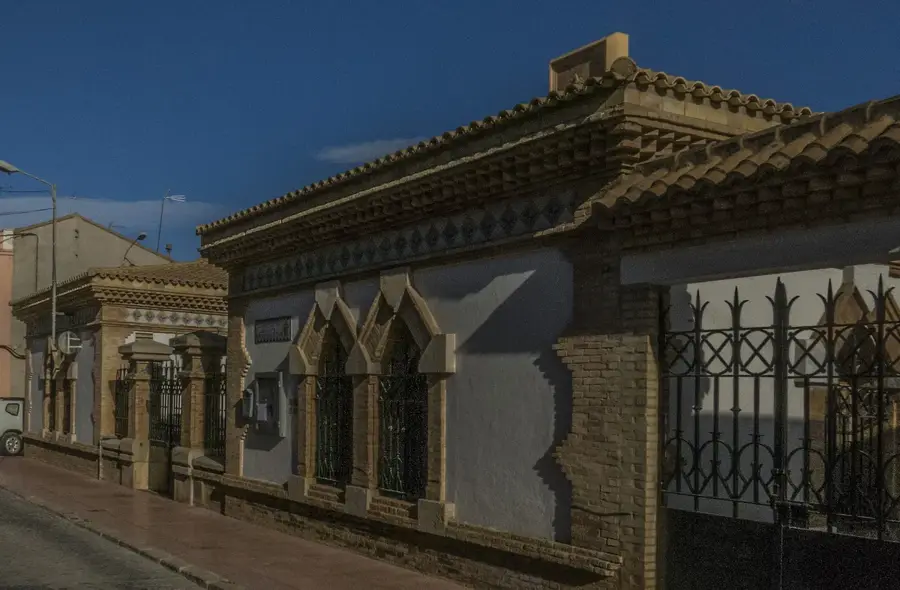
- Admire the modernist architecture, particularly the Magatzem de Ribera, a former orange warehouse.
- Walk through the surrounding orange groves; the scent of orange blossoms (azahar) is incredible in spring.
- Take advantage of the train station for a very easy day trip connection to Valencia.
- Summer afternoons can be intensely hot; follow the local custom of taking a post-lunch siesta.
- Visit the local market early in the morning for the freshest produce and a lively atmosphere.
🍽 Food
Buy the famous local citrus directly from the market or farm stands.
Enjoy this hearty traditional baked rice dish served in local family-run restaurants.
Try this refreshing cocktail made with local orange juice, cava, gin, and vodka at local bars.
🛍 Shopping · 🧘 Quiet spots
A first-rate sweet souvenir available at local grocery stores.
Visit a local panadería in the old town for fresh authentic baked goods.
A municipal natural area first-rate for a quiet picnic surrounded by nature.
Walk up to this hermitage for a peaceful, scenic view over the town.
Water temperature…
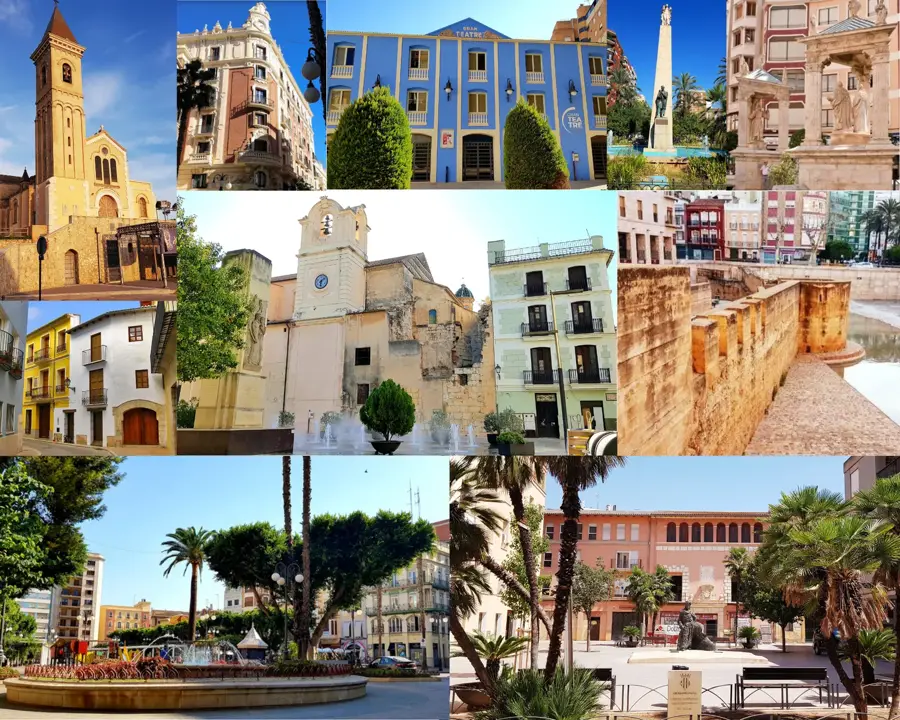
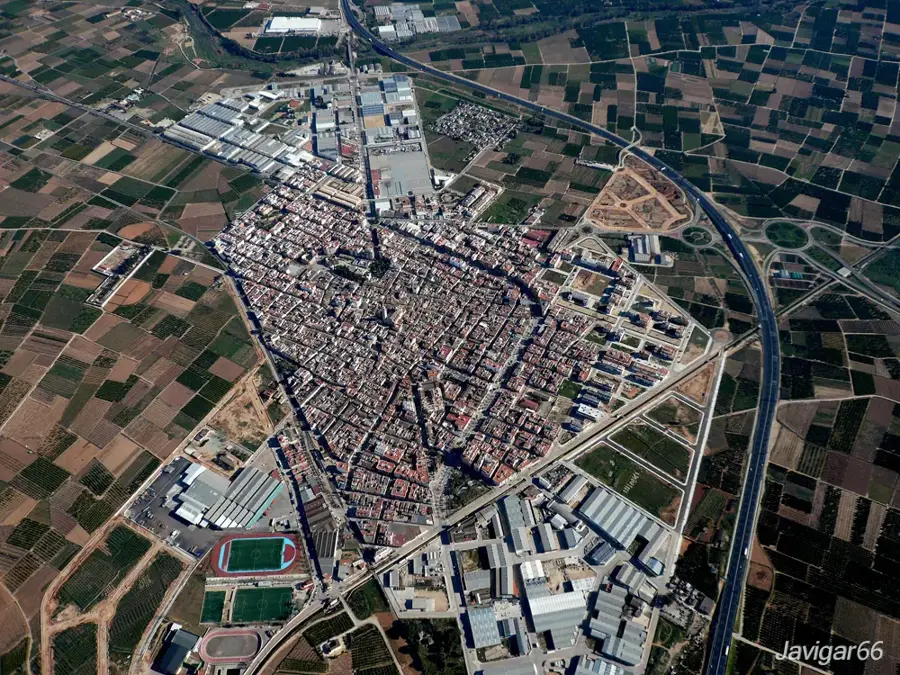
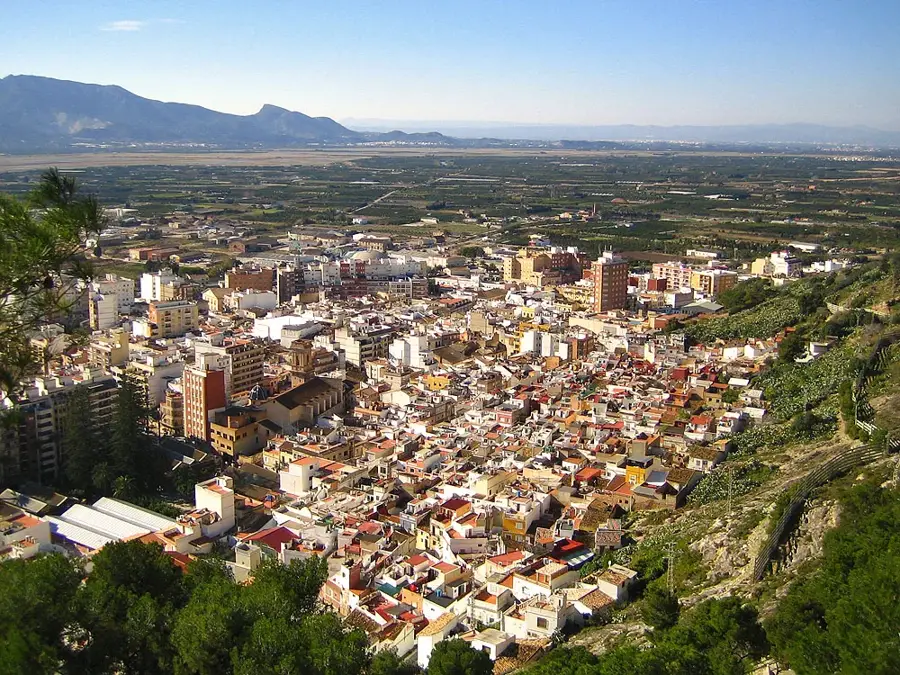
Carcaixent, often called the cradle of orange cultivation in Spain, is a town whose identity and prosperity are intrinsically linked to the golden fruit. The landscape is dominated by vast orange groves that emit a heady scent in the spring. A stroll through the town reveals magnificent Modernist architecture, built during the economic boom driven by the orange trade. The most notable example is the Magatzem de Ribera, a former orange warehouse that now serves as a cultural centre, showcasing the elegance of that era. Beyond its architecture, the town is a good base for exploring the nearby La Murta Natural Park, a valley of great botanical and scenic beauty. The culture of Carcaixent is a blend of agricultural traditions and Valencian vibrancy. The gastronomy reflects this, with dishes often featuring oranges, alongside regional specialities like paella and 'arròs al forn' (baked rice). The town also celebrates traditional festivals with great enthusiasm, including the Fallas in March and the main festival in October in honour of its patron saints. Practically, Carcaixent is easily reached from Valencia, just some 40 kilometres away, making it an easy day trip or a quiet base for exploring the region. Trains and buses run regularly. The best time to visit is in the spring to witness the orange blossom, or in autumn and winter during the harvest season, although the mild Mediterranean climate makes it a pleasant destination year-round.
- Location: Galicia, Spain
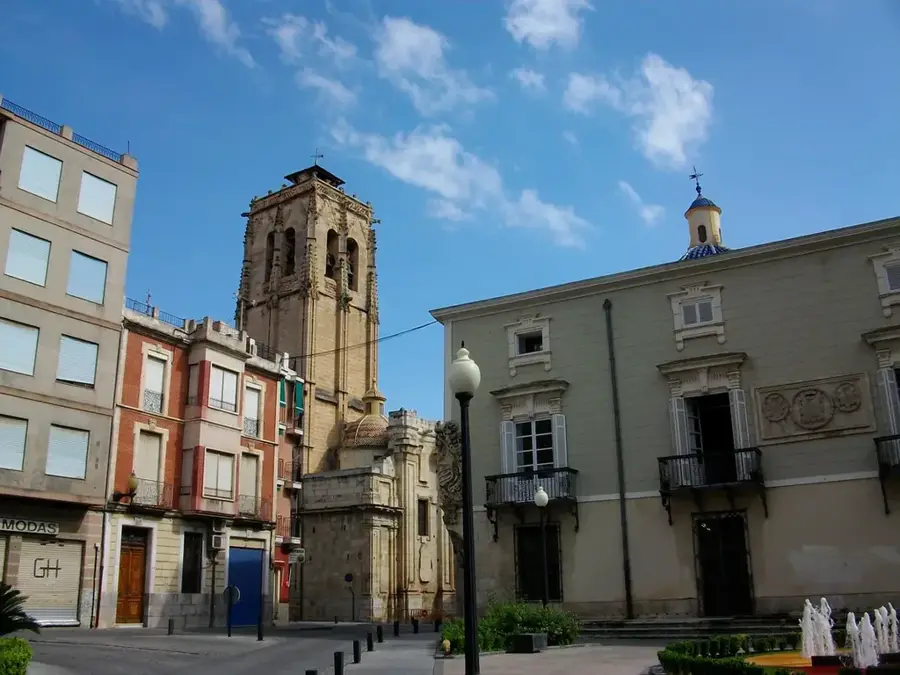
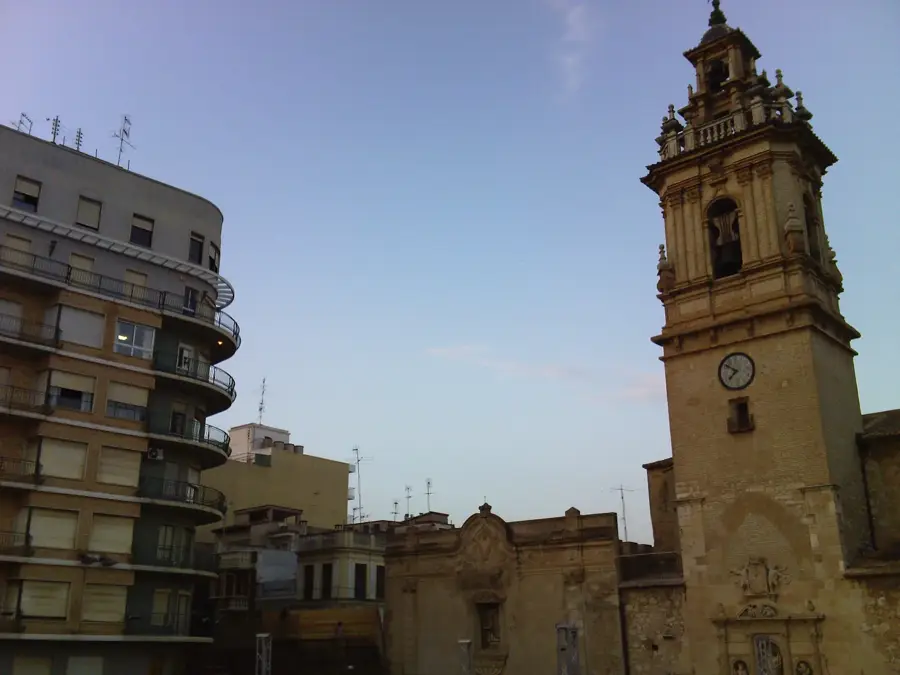
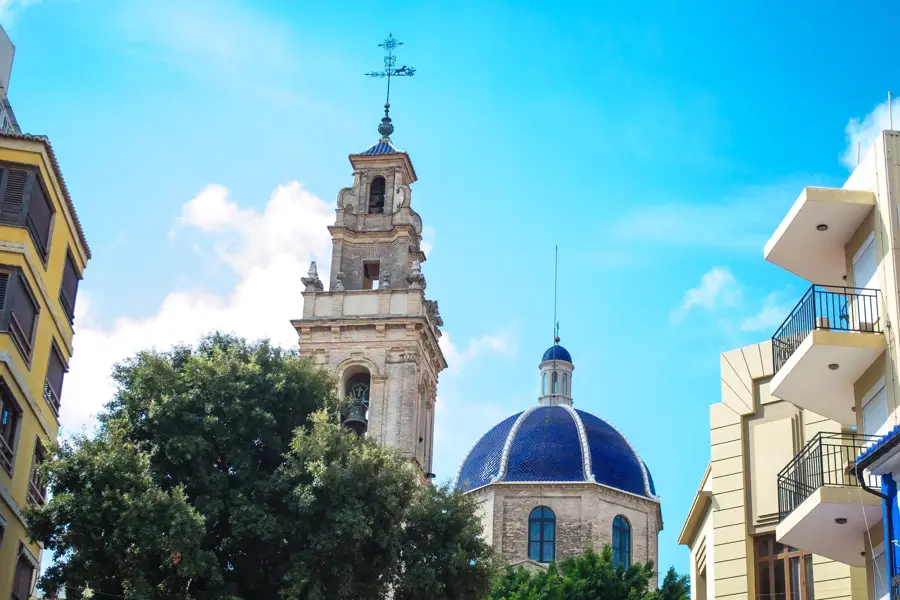
- Top sights: Piscina municipal · Antiguo convento de las Dominicas · Esglesia de l'assumpció
- Nearby: Algemesí (8 km)
- Population: ~21.735
Geography
Facts
- Known as the cradle of the orange in Spain.
- Rich Modernist architecture from the early 20th century.
- The Magatzem de Ribera is a landmark of the orange trade.
- Gateway to the La Murta y la Casella Natural Park.
- Easily accessible from Valencia by train.
- Celebrates the famous Fallas festival.
- Gastronomy includes paella and dishes with orange.
- Mild Mediterranean climate all year round.
Explore nearby
Notable places around


Route planner — Car & Motorhome
Where do you start? We build the route here, with stops and country notes along the way.
© OpenStreetMap contributors · OpenRouteService
Sights in the town Carcaixent (7)
Frequently asked questions
What is Carcaixent known for?
Are there architectural highlights?
Can you visit orange groves?
How far is it from Valencia?
What is the Aigües Vives Monastery?
Carcaixent: where is it located?
Carcaixent: what is there to see?
Carcaixent: why is it worth visiting?

Nearby cities