Plizio Visual Lab

Cabo de Gata
Plizio editorial teamData Sources
Landmark
—°
Cabo de Gata (Spain)

Weather…

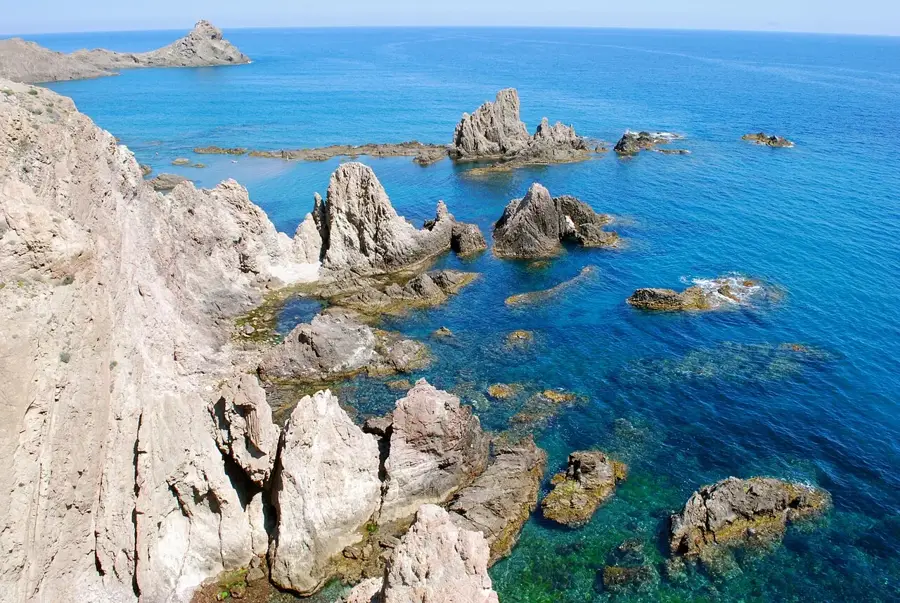
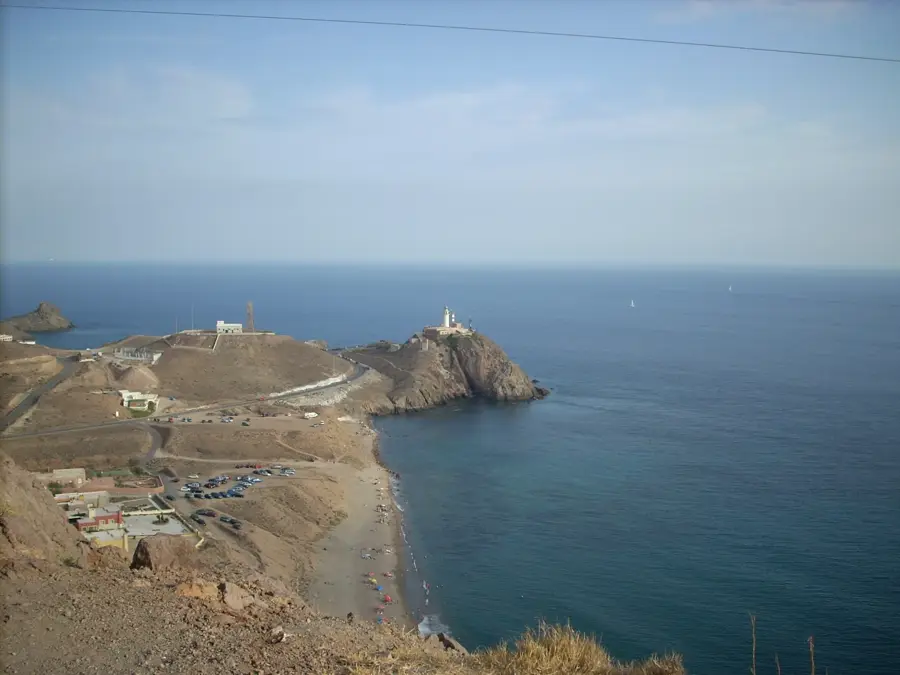
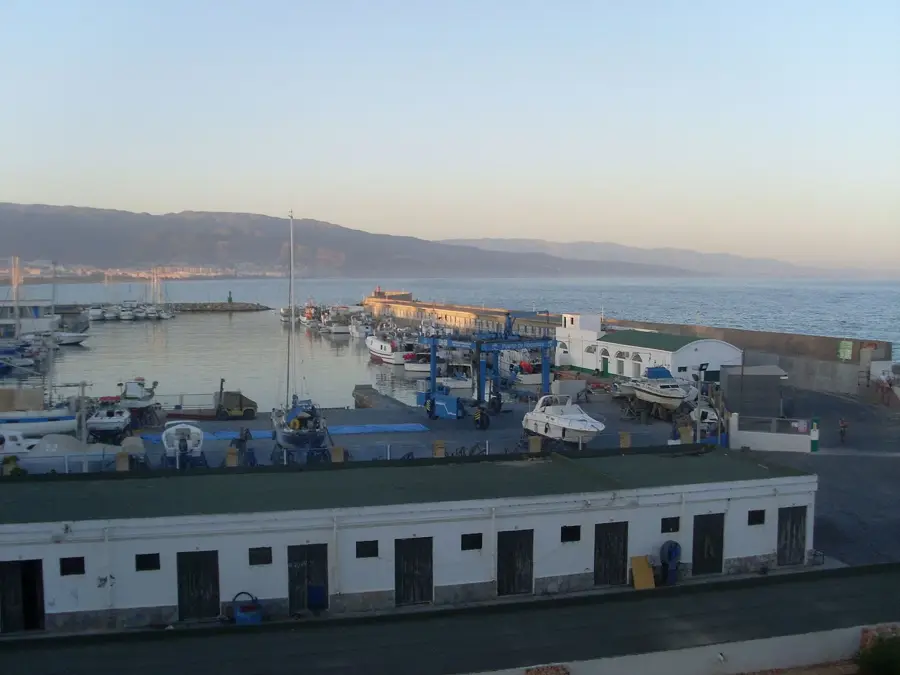
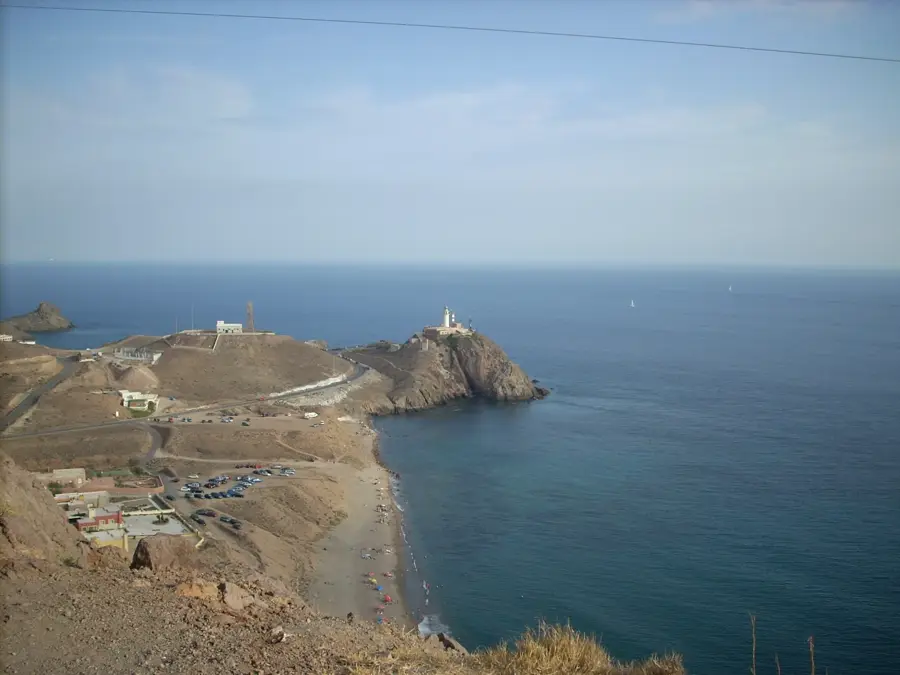
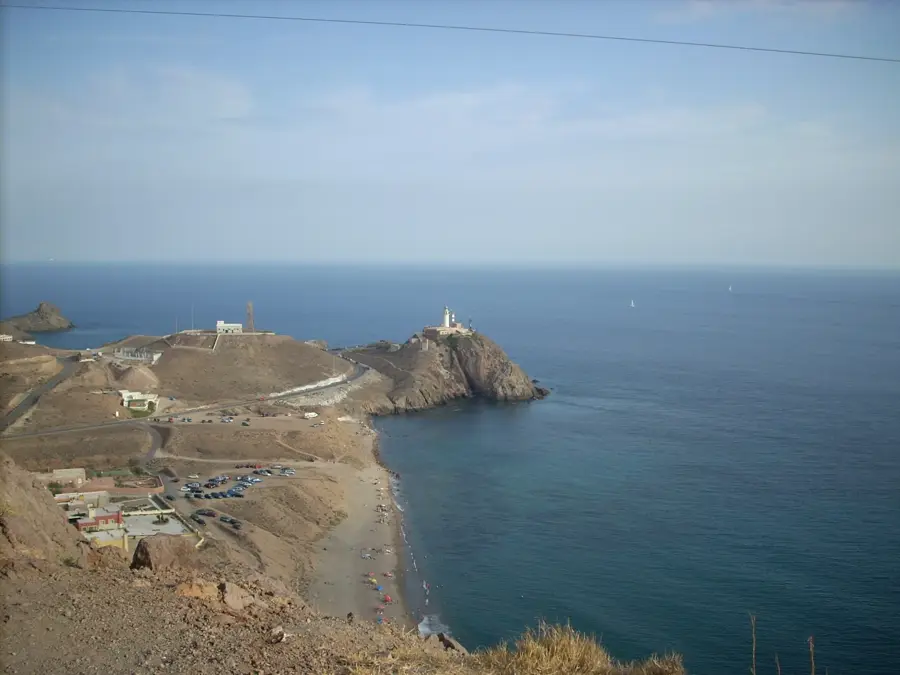
Cabo de Gata, located in the southeastern corner of the Iberian Peninsula in Andalusia, is Spain's most impressive and largest volcanic massif. This unique coastal landscape was formed millions of years ago through complex volcanic activity and was later uplifted, exposing spectacular cliffs, hidden coves, and ancient fossil reefs. With extremely low rainfall, this harsh, sun-drenched region is recognized as the driest place in all of continental Europe. Due to its outstanding geological features, endemic desert flora, and intact marine ecosystems, the area has been declared a Natural Park and a UNESCO Biosphere Reserve. Visitors and researchers alike are captivated by the dark basalt columns, the white salt flats, and the isolated, wild beauty of this pristine coastline.

Best time to visit & climate

The most pleasant time to visit is Jun, Jul, Oct.

JanFebMarAprMayJunJulAugSepOctNovDec
Avg °C141415161922242524211815
Rain mm362829301642721324337

📋 Practical info

🚪
Visiting
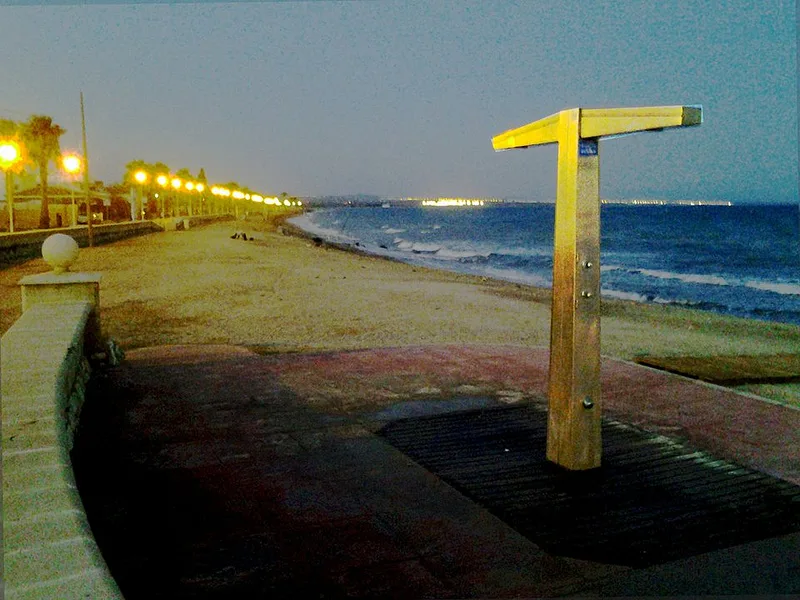
Cabo de Gata is a natural park and coastal landscape that is freely accessible. Beaches, cliffs, and volcanic rock formations can be explored on foot or by car.
🕒
Typical hours
As it is a natural park, there are no opening hours - the coast can be visited at any time. The visitor center has typical hours, often 10:00 AM to 6:00 PM.
📷
Photography
Photography of the landscape is allowed at any time and provides spectacular subjects. Drones are only allowed in the natural park with a special permit.
⏱️
Time needed
A short exploration of Cabo de Gata can take 1-2 hours, e.g., a beach walk. For hikes along the coast or to the lighthouses, allow a half to full day.
Combine with
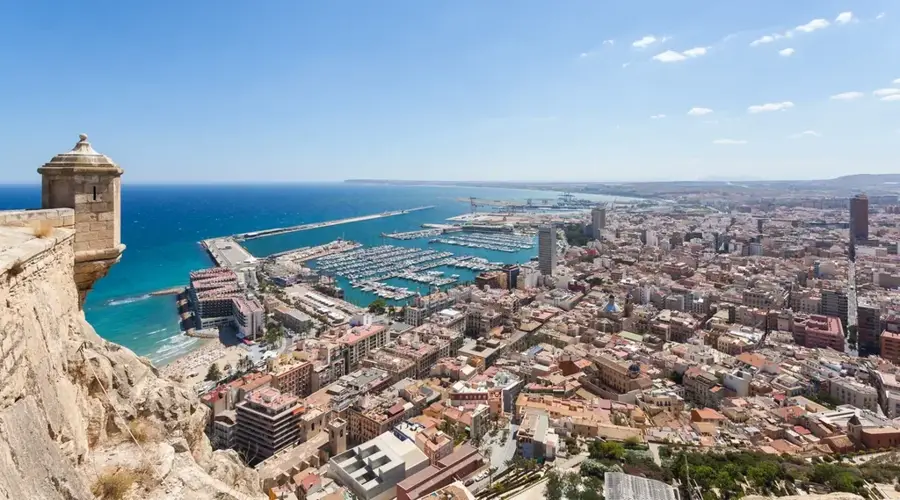
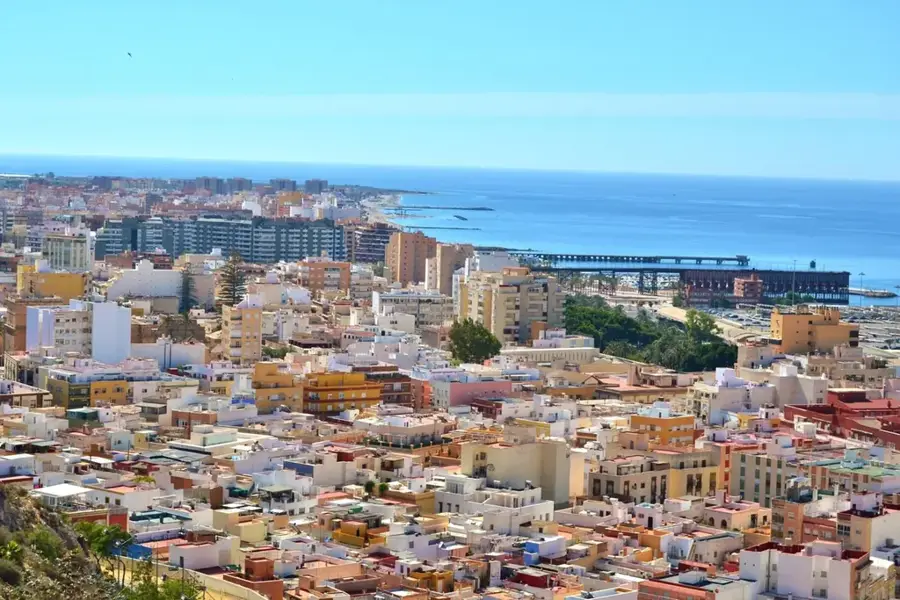
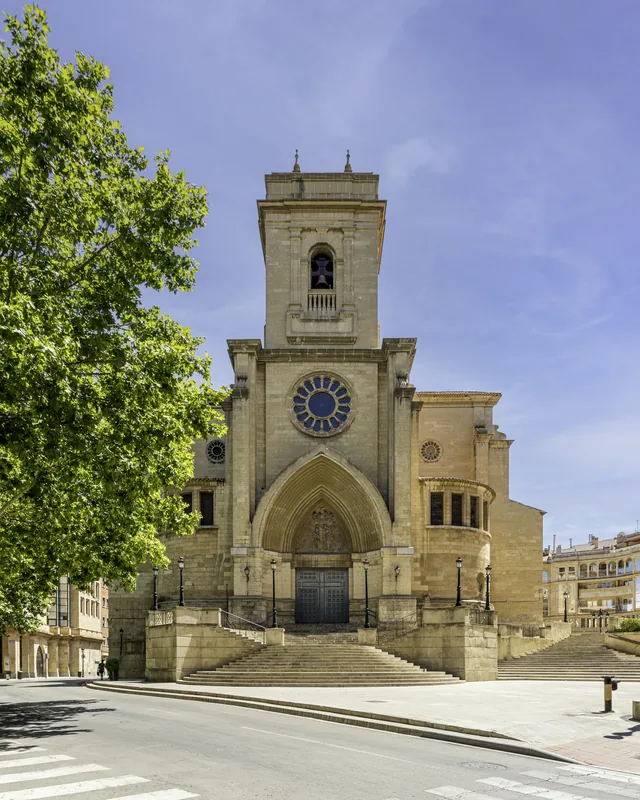
The natural park is in the province of Almería, and the city of Almería with its Alcazaba and cathedral is worth a visit. The nearby village of San José features accommodation and restaurants.
🧭
Getting there
The area is best reached by car via the A-7 highway and the coastal road AL-3106. There are several parking lots at the beaches; buses run from Almería but infrequently.
💡
Insider tip
Visit Playa de los Genoveses beach in the late afternoon when the light is soft and crowds are smaller. Bring plenty of water and sun protection as there is little shade.

Geography

Coordinates
36.72000, -2.20000

Explore nearby

Notable places around
Route planner — Car & Motorhome

Where do you start? We build the route here, with stops and country notes along the way.

Vehicle
Only stops with (optional):

© OpenStreetMap contributors · OpenRouteService

Sights nearby

Frequently asked questions

What makes Cabo de Gata special?
It is one of the driest regions in Europe and of volcanic origin.
Can you swim there?
Yes, there are beautiful, untouched beaches like Playa de los Genoveses.
Are there flamingos there?
Yes, they can often be seen in the salt flats (Las Salinas).
Which movies were filmed there?
Scenes from 'Indiana Jones' and 'Lawrence of Arabia' were filmed here.
Are there hiking trails?
Yes, many coastal paths connect secluded coves.
Cabo de Gata: where is it located?
Cabo de Gata is located in Galicia, Spain.
Cabo de Gata: when is the best time to visit?
The most pleasant time to visit is Jun, Jul, Oct.
Cabo de Gata: why is it worth visiting?

Cabo de Gata, located in the southeastern corner of the Iberian Peninsula in Andalusia, is Spain's most impressive and largest volcanic massif.
View on map → The Top 50 Attractions → Most beautiful beaches → OpenStreetMap →
Europe
Explore with Plizio Discover more places in Europe
More places in Spain →

Nearby cities

History & landmarks