Plizio Visual Lab
Níjar
ℹ️Practical info — Níjar
▾
🌤 Weather — 5 days
📍 Nearby
Sights nearby
💡 Tips
- Rent a car to explore the remote coves of Cabo de Gata, as public transport options are quite limited.
- The white village of Níjar is well-suited for an early morning stroll before the midday heat sets in.
- Look out for the traditional 'jarapas', colorful woven rugs crafted in the local artisan workshops.
- Bring your own water and shade when visiting the beaches, as many are completely natural without facilities.
🍽 Food
A hearty traditional dish made of toasted breadcrumbs, typically served in the local village restaurants.
A rustic pasta and rabbit stew, try this specialty in the traditional country inns of the region.
Enjoy the catch of the day right on the coast in fishing villages like San José or Las Negras.
🛍 Shopping · 🧘 Quiet spots
Colorful woven rugs that you can buy directly from the artisans in the town of Níjar.
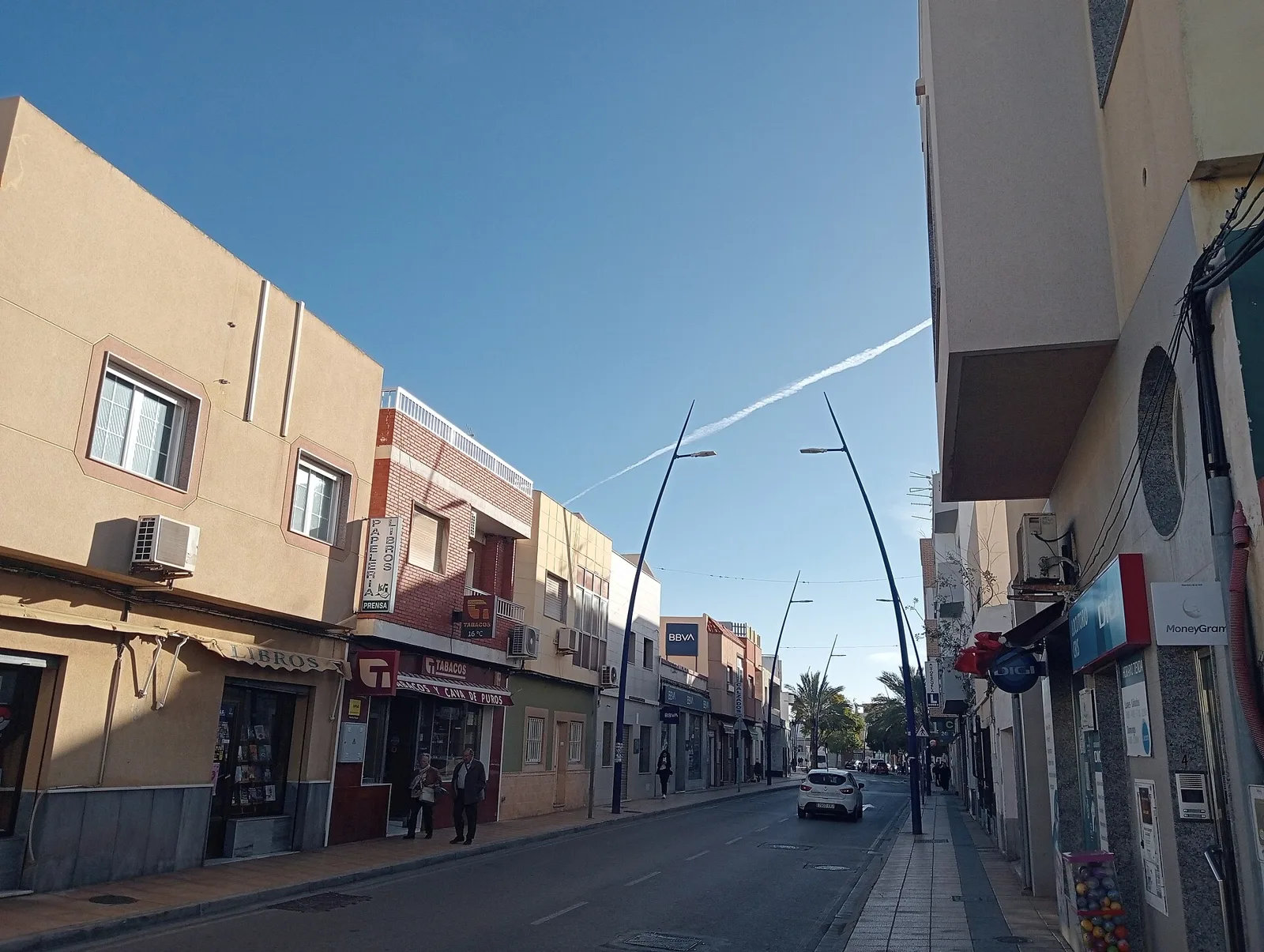
Distinctive glazed ceramics found in the many small craft shops lining the main street.
A striking, remote pebble beach accessible via a steep but rewarding walking path.
A small, peaceful fishing village convenient for watching the sunset over the volcanic rocks.
Water temperature…
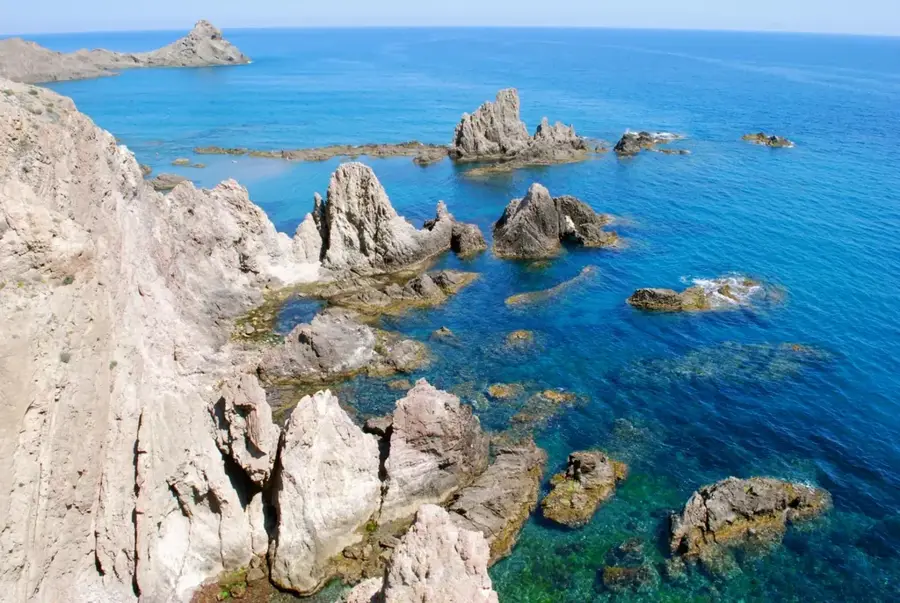
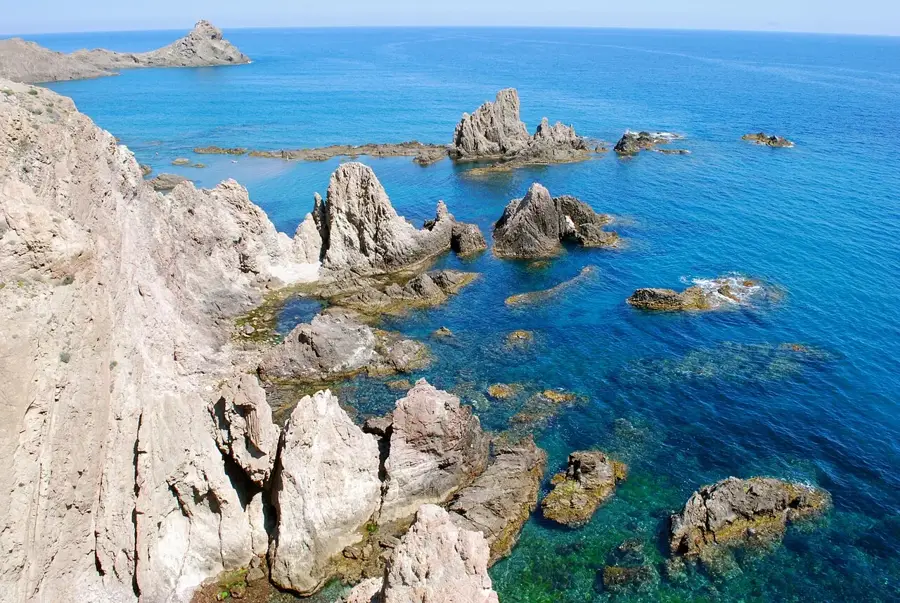
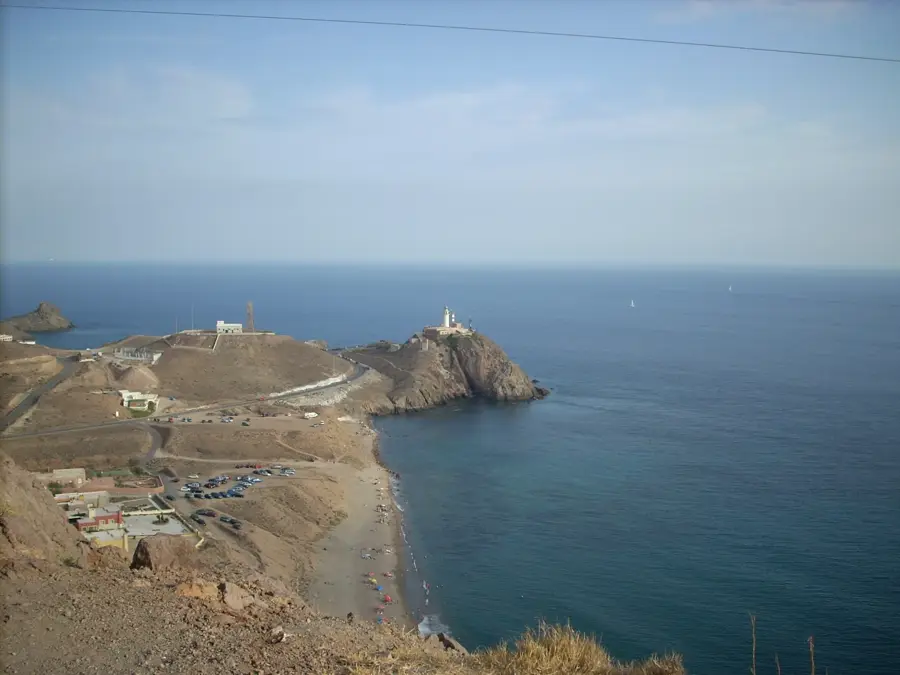
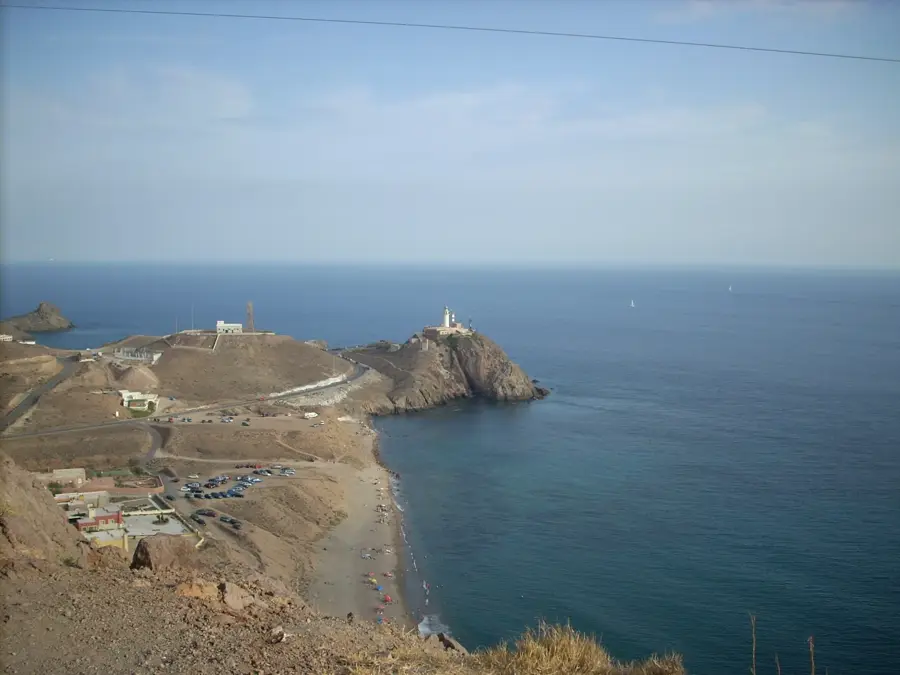
The municipality's coastal area is made up of the volcanic rocks of Cabo de Gata, where the cliffs plunge steeply into the Mediterranean Sea. The most distinctive geological formation here is the Cala de las Sirenas (Reef of the Sirens), where the remains of an ancient volcanic vent rise from the water as basalt columns, right at the base of the lighthouse. In this area, you will also find the steeply cliff-bordered Cala del Corralete and Cala Arena. In the southern parts of the natural park, difficult to access by car, lie isolated coves with dark sand or gravel. Around Cala Rajá and Cala de Punta Negra, the underwater rocky reefs favor the settlement of marine vegetation, especially Posidonia seagrass meadows. Cala Carbón, Cala del Búnker, Cala Chicré, and Cala de la Media Luna are located in the driest part of the peninsula. These coastal stretches are completely free of any built infrastructure. The area's annual rainfall is less than 200 millimeters, so the slopes bordering the coves are barren and covered with scrubby vegetation.
- Location: Spain
- Top sights: Playa del Barronal · Playa de Mónsul · Aljibe de la Testa
- Nearby: San José (Cabo de Gata) (7 km)
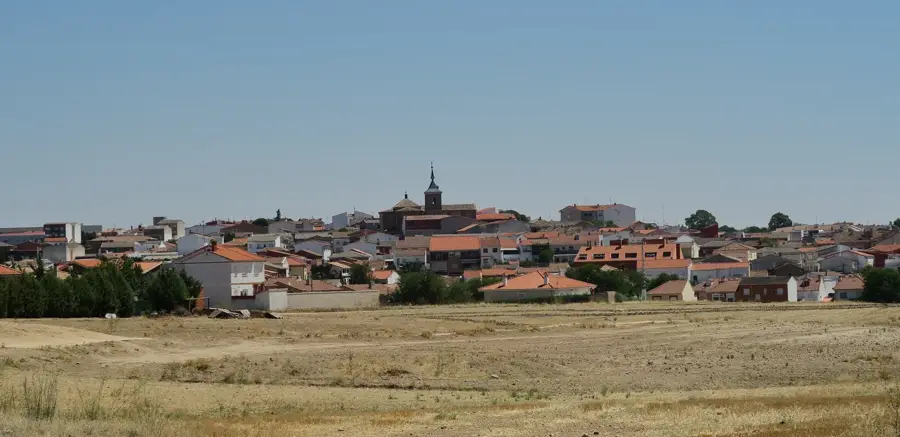
- Population: ~1.012
Best time to visit & climate
The most pleasant time to visit is Jun, Jul, Oct.
| Jan | Feb | Mar | Apr | May | Jun | Jul | Aug | Sep | Oct | Nov | Dec | |
|---|---|---|---|---|---|---|---|---|---|---|---|---|
| Avg °C | 14 | 14 | 15 | 16 | 19 | 22 | 24 | 25 | 24 | 21 | 18 | 15 |
| Rain mm | 36 | 28 | 29 | 30 | 16 | 4 | 2 | 7 | 21 | 32 | 43 | 37 |
Geography
Facts
- One of the largest municipalities by area.
- Part of Cabo de Gata Natural Park.
- Volcanic geological formations.
- Basalt columns of Arrecife de las Sirenas.
- Less than 200 mm of annual rainfall.
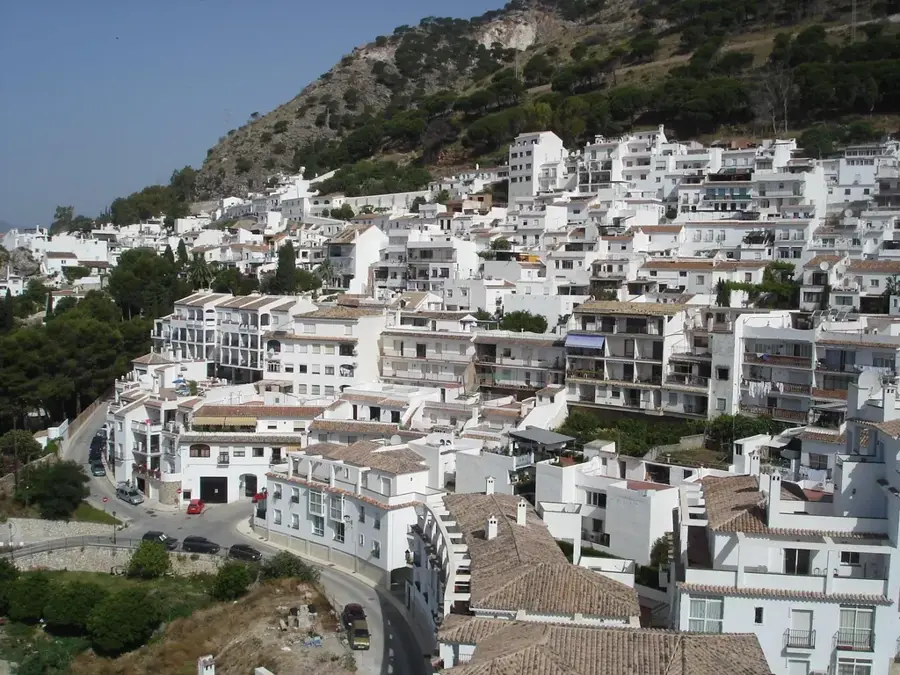
- Traditional white villages in the region.
- Historic local pottery industry.
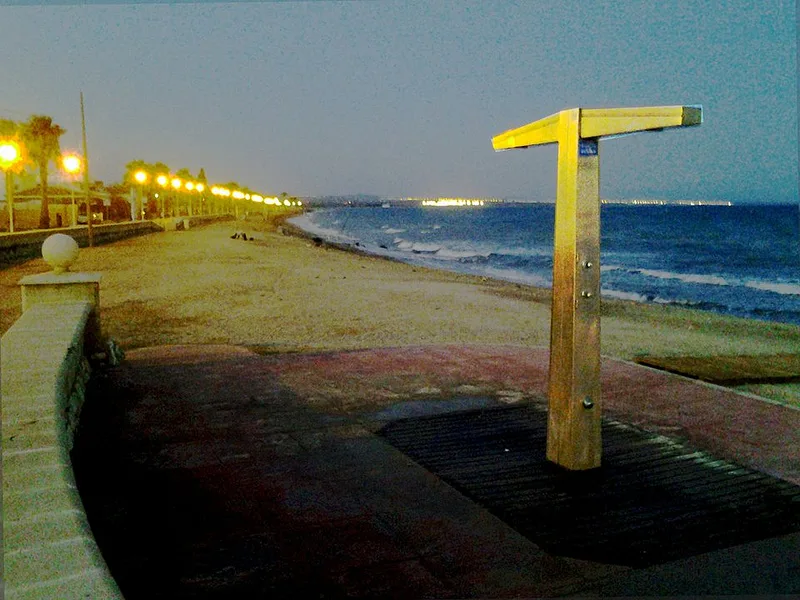
- No tourist infrastructure on southern beaches.
Explore nearby
Notable places around
Route planner — Car & Motorhome
Where do you start? We build the route here, with stops and country notes along the way.
© OpenStreetMap contributors · OpenRouteService
Your morning starts with a journey into the past at the Aljibe de la Testa, followed by a rewarding climb to the coastal Torre de vigilancia. Midday invites you to explore the hidden remnants at Cala del Búnker, offering history beside the sea. The afternoon is dedicated to relaxation on the golden sands of La Calilla. As evening approaches, watch the light transform the volcanic rocks at Cala de las Sirenas.
Aljibe de la Testa
Torre de vigilancia
Cala del Búnker
La Calilla
Cala de las Sirenas
A rainy morning at the Aljibe highlights the historical importance of water storage. By noon, the watchtower provides a windy vantage point over the misty coast. In the afternoon, the coves look dramatic under heavy clouds, but paths become muddy and slick. By evening, the damp sea air penetrates even waterproof layers, so an early return for a warm drink is highly recommended.
Aljibe de la Testa
Torre de vigilancia
Cala del Búnker
La Calilla
Cala de las Sirenas
A crisp winter morning with low sun highlights the ancient ruins beautifully. By noon, the sheltered coves are surprisingly mild, perfect for a short break. In the afternoon, the sea turns a deep blue, but the biting wind requires warm layers. Since the sun sets by 17:00, reach your final destination early to avoid the sudden drop in temperature after twilight.
Aljibe de la Testa
Torre de vigilancia
Cala del Búnker
La Calilla
Cala de las Sirenas
Pedal off your morning with the historic Aljibe de la Testa before cruising down to the iconic volcanic formations of Cala de las Sirenas. Midday brings you past the sweeping, breezy heights of Vela Blanca Poniente towards the secluded pebble shores of Cala Carbón. In the afternoon, you'll cycle to the famous cinematic sands of Playa de Mónsul. The journey concludes with the serene, untouched beauty of Playa del Barronal.
Aljibe de la Testa
Cala de las Sirenas
Vela Blanca Poniente
Cala Carbón
Playa de Mónsul
Playa del Barronal
A wet start on the bike demands full concentration on the slippery gravel tracks. By noon, driving rain along the coast limits visibility of the offshore reefs. In the afternoon, the dirt paths can turn into mud, making progress slow and taxing. Full waterproof gear and cautious braking are vital on the unpaved sections to ensure a safe journey.
Aljibe de la Testa
Cala de las Sirenas
Vela Blanca Poniente
Cala Carbón
Playa de Mónsul
Playa del Barronal
A crisp winter morning on two wheels offers crystal-clear views of the mountains. By noon, the sun warms the coastal paths to a pleasant level for active cycling. In the afternoon, the sea breeze cools down rapidly, requiring a windproof layer. Since it gets dark by 17:00, start your return journey early before the evening chill sets in.
Aljibe de la Testa
Cala de las Sirenas
Vela Blanca Poniente
Cala Carbón
Playa de Mónsul
Playa del Barronal
Drive to the historic Torre de vigilancia to start your day with sweeping sea views and ancient defenses. By midday, explore the historical curiosities of Cala del Búnker and navigate the dramatic volcanic landscapes of Vela Blanca Poniente. The afternoon is spent enjoying the crescent sands of Cala de la Media Luna and the famous dunes of Playa de Mónsul. End your day unwinding completely at the remote Playa del Barronal.
Torre de vigilancia
Cala del Búnker
Vela Blanca Poniente
Cala de la Media Luna
Playa de Mónsul
Playa del Barronal
A rainy day by car allows for comfortable exploration of the coast while staying dry. By noon, unpaved roads to the beaches can become slick and muddy, so careful driving is advised. In the afternoon, parking areas often provide a good view of the turbulent sea directly from the vehicle. Despite having a car, waterproof shoes are necessary for short walks to viewpoints.
Torre de vigilancia
Cala del Búnker
Vela Blanca Poniente
Cala de la Media Luna
Playa de Mónsul
Playa del Barronal
A sunny winter day is perfect for a coastal drive with exceptionally clear views. By noon, temperatures inside the car are pleasant, and the beaches invite solitary walks. In the afternoon, the low sun casts a golden glow over the volcanic landscape. Plan to head back by 17:00 as the air cools down instantly after the sun disappears.
Torre de vigilancia
Cala del Búnker
Vela Blanca Poniente
Cala de la Media Luna
Playa de Mónsul
Playa del Barronal
Sights in the town Níjar (6)
Frequently asked questions
What is Níjar's craftsmanship famous for?
Is Níjar part of the Cabo de Gata Natural Park?
What is there to see in the historical center?
When is the weekly market held?
What is a typical dish from the Níjar desert area?
Níjar: where is it located?
Níjar: what is there to see?
Níjar: when is the best time to visit?
Níjar: why is it worth visiting?

Nearby cities