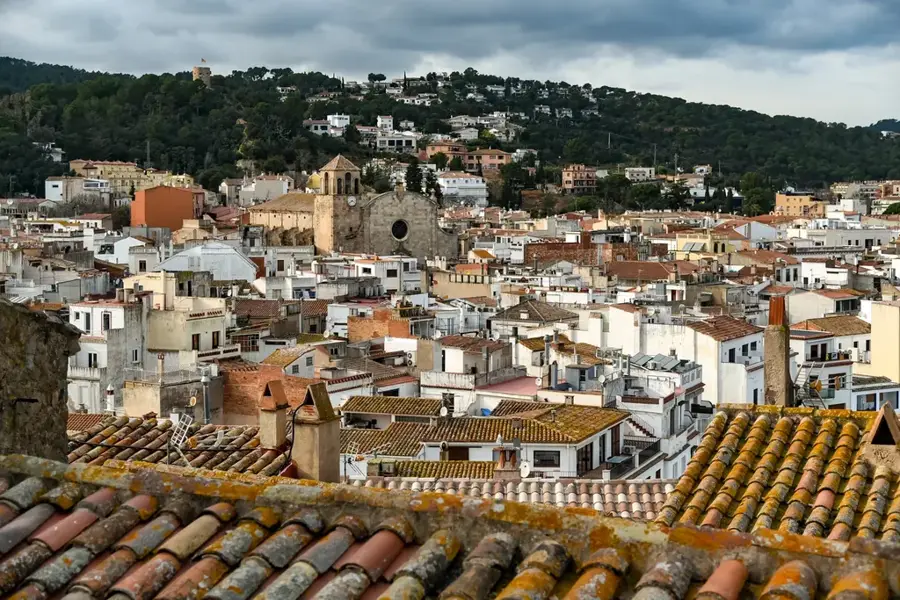
Medieval Fair
The old town (Vila Vella) transforms into a medieval village with craft stalls, historical performances, and local gastronomy.
PlizioGo
A traditional fisherman's stew made with monkfish, potatoes, and a layer of allioli.
Flavorful rice cooked in fish stock, best enjoyed at the waterfront restaurants.
Locally caught fresh prawns, typically served grilled with garlic and parsley.
Hand-painted plates and pottery found in the boutique shops of the old town.
Unique local jewelry and artisanal crafts tucked away inside the castle walls.
A small, hidden beach tucked behind the castle walls, usually quieter than the main beach.
The area around the lighthouse gives secluded spots with panoramic sea views.
Water temperature…
The old town (Vila Vella) transforms into a medieval village with craft stalls, historical performances, and local gastronomy.
Commemorations featuring institutional events, traditional human towers (castells), and local music throughout the city.
The summer main festival celebrates Saint Peter with a large fireworks display, beach concerts, and traditional dances.
The day of the book and the rose in Catalonia, when the streets of Tossa are filled with book stalls and flower vendors.
An annual carnival parade featuring colorful costumes, street music, and a costume competition along the beach promenade.
The winter festival honoring Saint Vincent includes traditional Catalan dances, Sardanes music, and local food markets.
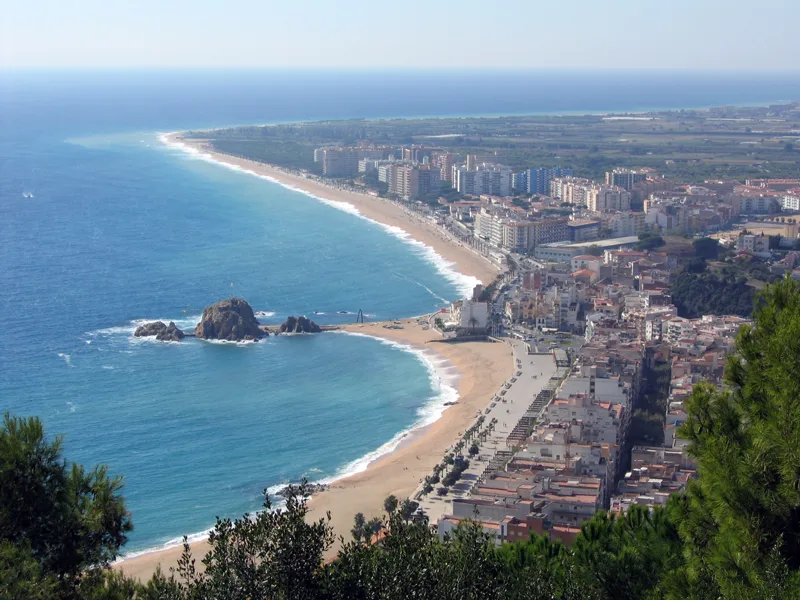
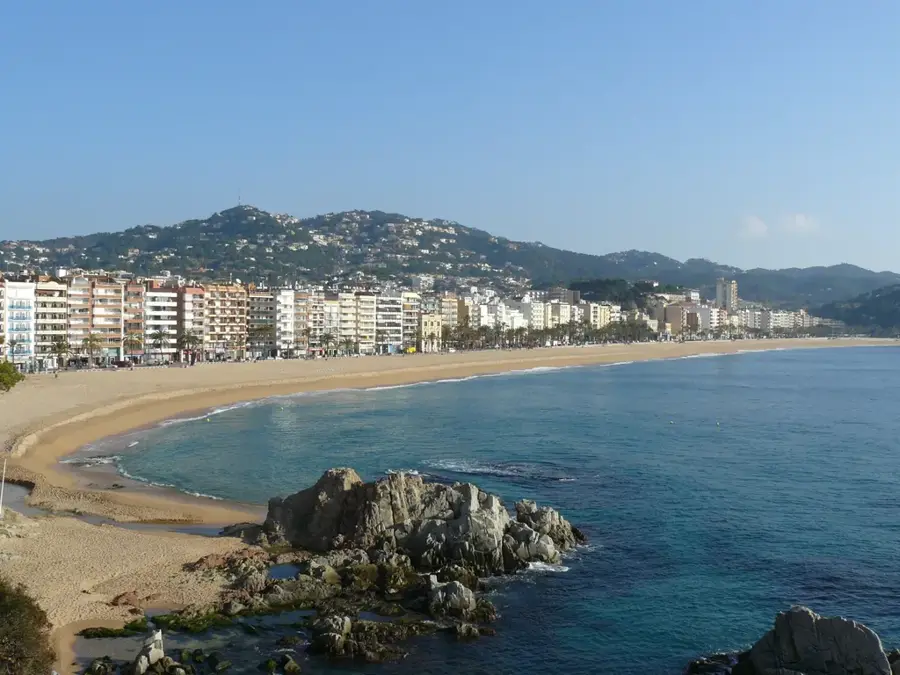
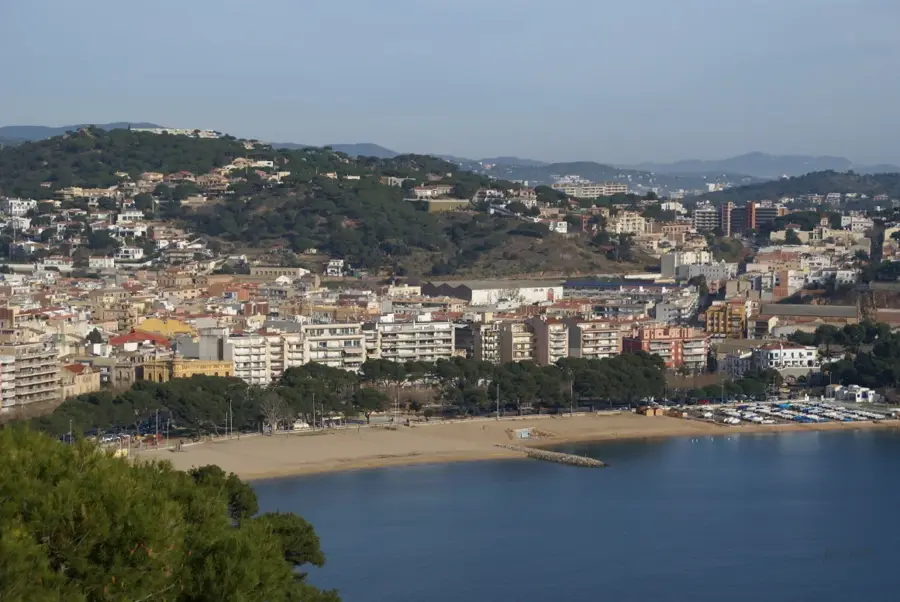
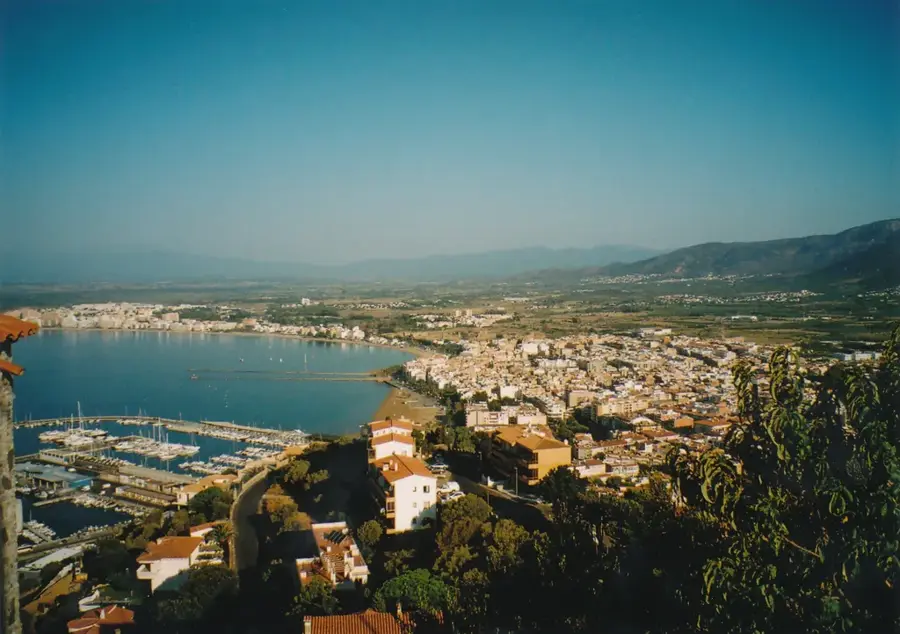
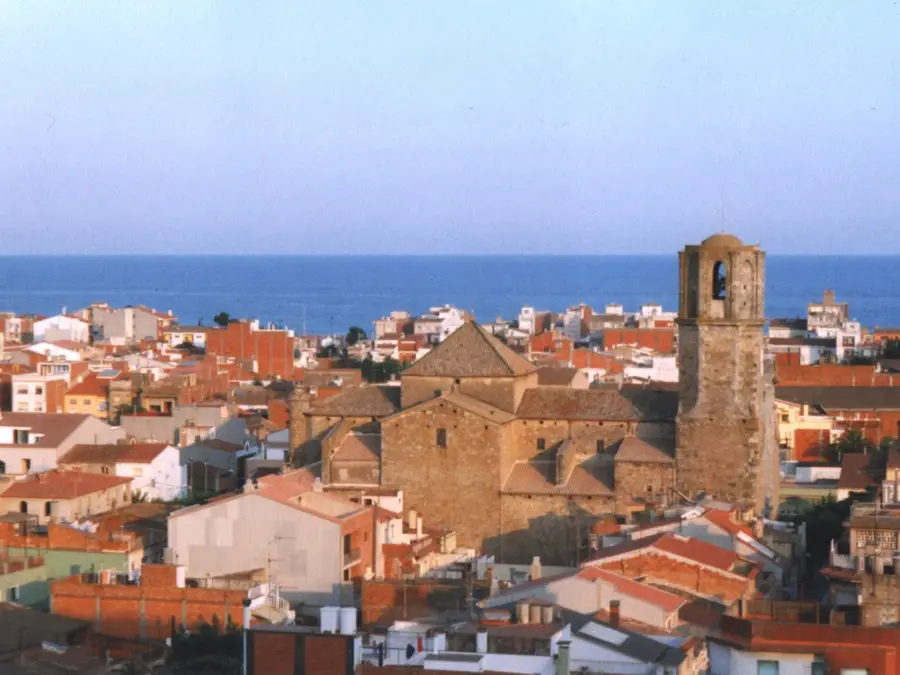
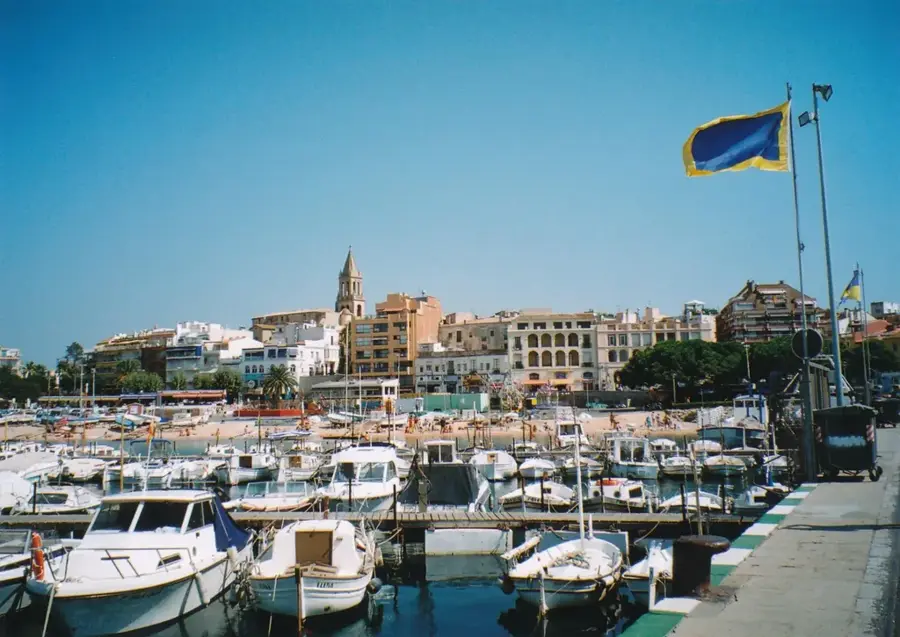
Tossa de Mar uniquely combines ancient history with Mediterranean splendor. The Vila Vella, built in the 12th century to defend against pirate raids, sits majestically on a rocky headland overlooking the sea. Within its fortified walls, narrow cobblestone streets wind up to the town lighthouse and pleasant local eateries. The town gained international fame in the 1950s when Hollywood star Ava Gardner filmed 'Pandora and the Flying Dutchman' here; a bronze statue now commemorates her stay. Beyond its medieval charm, Tossa has significant Roman heritage, such as the Els Ametllers villa dating back to the 1st century BC. The surrounding rocky coves, or 'calas', feature crystal-clear waters, making them a haven for snorkeling and sunbathing.
The most pleasant time to visit is Jun, Jul, Sep.
| Jan | Feb | Mar | Apr | May | Jun | Jul | Aug | Sep | Oct | Nov | Dec | |
|---|---|---|---|---|---|---|---|---|---|---|---|---|
| Avg °C | 12 | 11 | 13 | 14 | 17 | 21 | 24 | 24 | 22 | 19 | 16 | 13 |
| Rain mm | 53 | 45 | 65 | 78 | 69 | 40 | 39 | 47 | 73 | 105 | 71 | 43 |
See what it looks like near Tossa de Mar right now.
Tossa de Mar · 0.1 km · Open webcam on Windy · Webcams provided by Windy.com
Notable places around
Where do you start? We build the route here, with stops and country notes along the way.
© OpenStreetMap contributors · OpenRouteService
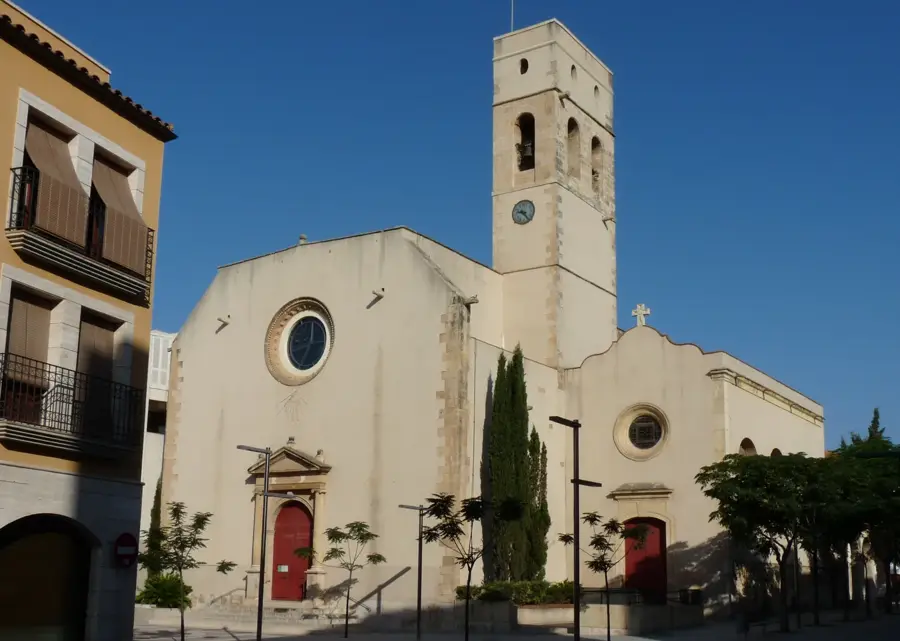
Explore the magnificent Vila Vella, walk to the lighthouse, and find Ava Gardner's statue. After a relaxing lunch on Platja Gran, dive into Roman history at Vil·la dels Ametllers and visit Sant Vicenç church.
The morning starts mystically in Vila Vella, where the rain darkens the ancient stone walls. An umbrella is a must in the steep, narrow alleys. At noon, the lighthouse offers a dramatic view of the grey, stormy Mediterranean. The wind often picks up here during the rain. In the afternoon, head to Platja Gran where raindrops hit the sand, then seek shelter among the mosaics of the Roman villa. In the evening, Sant Vicenç church provides a dry and peaceful spot for reflection before heading into a cozy local tavern.
The winter morning in Vila Vella is quiet and clear. Without the summer crowds, the watchtowers look even more imposing. At noon, the low winter sun warms the area by the lighthouse. The crisp air offers incredible visibility along the coast. In the afternoon, the empty Platja Gran invites for a meditative walk. The golden light enchants the Ava Gardner statue. Towards evening, the air turns chilly; the Roman villa and Sant Vicenç church radiate a special calm in the winter twilight.
Ride along the coast to the Can Magí tower and further to the idyllic Cala Pola bay. After a swim, return to Vila Vella and visit the municipal museum in the former governor's palace.
The morning in the saddle starts at Platja Gran, where the light rain calms the sea. Be careful on the wet promenade! At noon, cycle towards Torre de Can Magí. The climbs are tiring on wet asphalt, but the air is refreshingly crisp. In the afternoon, head to Cala Pola. The coastal path is challenging in the rain but offers wild natural beauty. Return to the castle. The day ends at the Municipal Museum, where you can warm up and keep the bikes safe while enjoying the artworks.
A cool winter morning starts at Platja Gran. The wind is fresh, but the sun glitters beautifully on the waves. At noon, cycle uphill to Torre de Can Magí. The effort keeps you warm, and the view over winter Tossa is priceless. In the afternoon, the route leads to the lonely Cala Pola. The coastal road is almost entirely yours, perfect for brisk riding in the cold. Late afternoon is the time for Vila Vella and the museum. When the sun is low, the castle stones look particularly warm.
Use the car to visit Vila Vella and the lighthouse in the morning before driving to the spectacular Cala Giverola bay. In the afternoon, return to Tossa for the Roman ruins and enjoy the main beach.
A rainy morning starts relaxed with a drive to Vila Vella. Park close to the wall entrance to stay dry. At noon, head to the lighthouse. Enjoy the view of the stormy sea directly from your warm car. In the afternoon, the coastal road leads to Cala Giverola. The sound of rain on the car roof creates a cozy atmosphere. The day concludes with the Roman villa and Platja Gran. The trip ends comfortably without you having to get wet.
A clear winter morning begins with a drive to Vila Vella. The parking lots are empty, and access to the castle is effortless. At noon, the panoramic road leads to the lighthouse. The winter sun makes the sea appear deep blue. In the afternoon, head to Cala Giverola. This stretch of road is a driver's dream, as there is hardly any traffic. The day ends at the Roman villa and Platja Gran. Sitting in your warm car, you can enjoy the sunset over the bay.
May-June and September are ideal: warm sea, fewer crowds, pleasant 22-27 degrees. July-August get packed, especially Platja Gran. In winter the old town Vila Vella is almost empty and magical at golden hour.
Tossa feels very safe, even after dark in the old town. Watch for pickpockets at the beach and bus station in peak season. The cliff paths around Cap de Tossa get slippery in rain, so wear closed shoes.
Tossa de Mar speaks Catalan and Spanish. A simple 'Bon dia' (hello) and 'Gràcies' (thanks) in Catalan goes a long way with locals. English works fine at the tourist office and beachfront restaurants, and you'll often hear French and German along the promenade.