Plizio Visual Lab
Fangak
ℹ️Practical info — Fangak
▾
🌤 Weather — 5 days
📍 Nearby
Sights nearby
💡 Tips
- Fangak is highly remote and surrounded by wetlands; expect most local travel to be by foot or small river boats.
- Mosquito nets and strong insect repellent are absolutely essential due to the vast Sudd swamps.
- Cash is critical here, as there is virtually no banking infrastructure; bring enough South Sudanese Pounds for your entire stay.
- Always ask for permission before taking photographs of local residents, as privacy and cultural respect are very important.
🍽 Food
The Sudd wetlands provide abundant fresh fish, typically roasted or stewed. Find it at local market food stalls.
A staple dough made from sorghum, often served with a savory okra or meat sauce.
Various wild and cultivated leafy greens cooked down into a rich, flavorful side dish.
🛍 Shopping · 🧘 Quiet spots
The central meeting place where you can find basic provisions, dried fish, and sorghum.
Look for handmade beadwork items occasionally sold by local women.
Find a calm spot along the riverbank to watch the slow-moving water and abundant birdlife.
A short walk from the town center reveals the vast, quiet expanse of the world's largest wetland.
Water temperature…
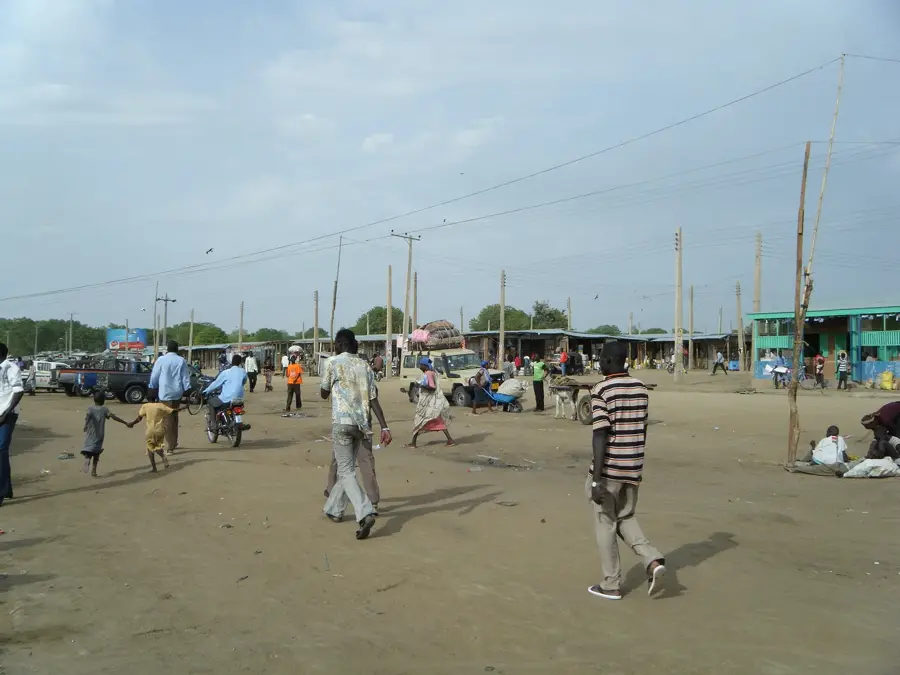
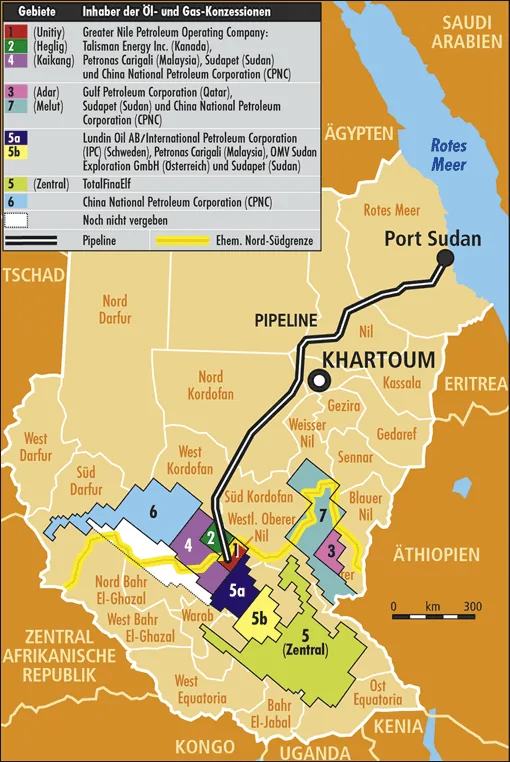
Fangak is located in Jonglei State, South Sudan, and is geographically divided into Old Fangak and New Fangak. The town is situated on the Phow River, a tributary of the White Nile, deep within the Sudd marshes, which defines its strategic significance and its isolation. Historically, the region gained prominence through the proposed Jonglei Canal project, which aimed to alter the regional waterways before it was halted by civil conflict. The inhabitants of Fangak are primarily from Nuer subgroups, whose lives are dictated by the hydrological cycles of the Nile and its seasonal floodplains. In recent years, Old Fangak has emerged as a crucial medical hub, providing essential healthcare services to populations in the otherwise inaccessible wilderness. Transportation is almost entirely river-based, with commercial barges providing the vital link to Malakal and Juba. The surrounding landscape consists of dense papyrus thickets and seasonally flooded grasslands that support a rich array of wildlife.
Best time to visit & climate
The most pleasant time to visit is Jan, Nov, Dec.
| Jan | Feb | Mar | Apr | May | Jun | Jul | Aug | Sep | Oct | Nov | Dec | |
|---|---|---|---|---|---|---|---|---|---|---|---|---|
| Avg °C | 29 | 31 | 33 | 33 | 31 | 28 | 27 | 26 | 27 | 28 | 29 | 29 |
| Rain mm | 0 | 0 | 3 | 24 | 85 | 109 | 135 | 165 | 147 | 95 | 6 | 2 |
Geography
Facts
- Fangak is positioned on the Phow River, a key navigation route through the Sudd.
- The settlement consists of two distinct locations known as Old Fangak and New Fangak.
- There are no permanent all-weather roads connecting Fangak to Juba or Malakal.
- Traditional Nuer wrestling is a major cultural event held periodically in the town.
- The Fangak river landing is a essential stop for barges moving goods along the Nile.
- The area is a significant breeding ground for numerous species of migratory birds.
Explore nearby
Notable places around



Route planner — Car & Motorhome
Where do you start? We build the route here, with stops and country notes along the way.
© OpenStreetMap contributors · OpenRouteService
Sights in the town Fangak (1)
Frequently asked questions
What characterizes Fangak?
What is the best way to travel to Fangak?
What is the best time for travel?
Is the area suitable for adventurers?
What should one bring on a trip?
Fangak: where is it located?
Fangak: when is the best time to visit?
Fangak: why is it worth visiting?

Nearby cities
History & landmarks

Nature
More places