Plizio Visual Lab

Lolibai Mountains

Plizio editorial teamData Sources
Mountain
—°
Lolibai Mountains (South Sudan)

Weather…

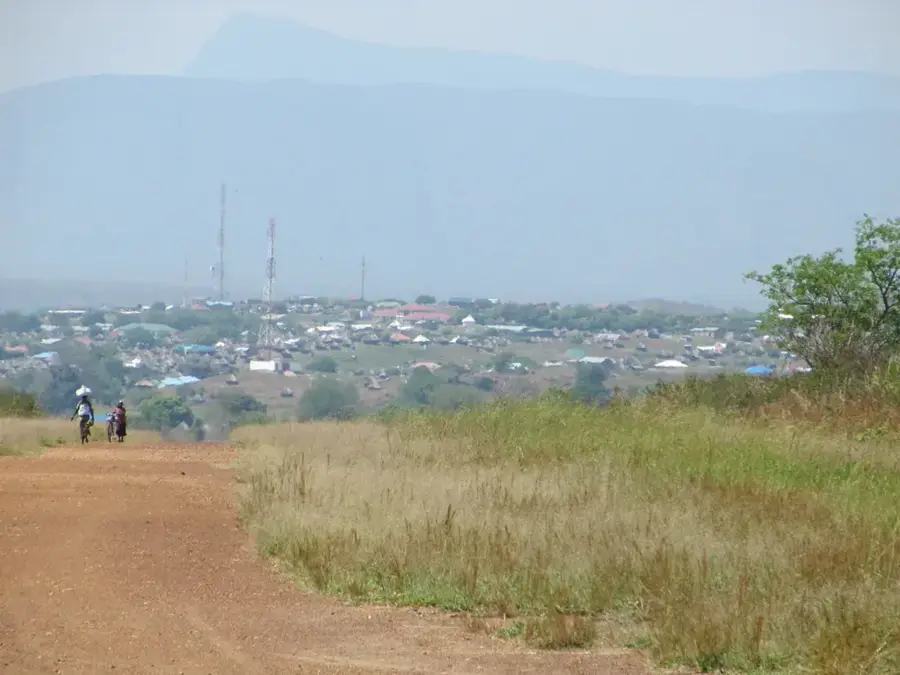
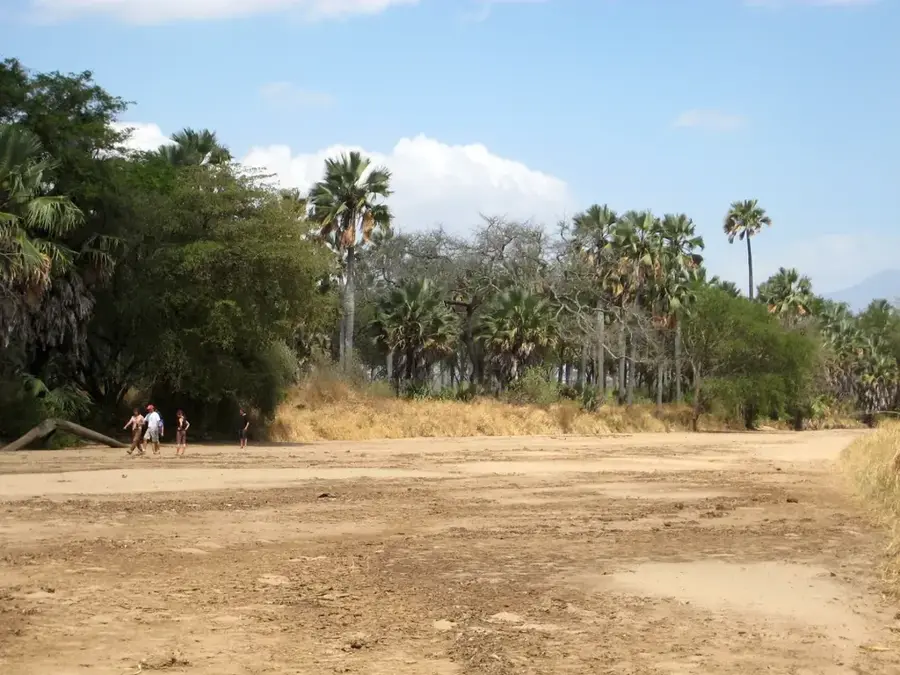
The Lolibai Mountains are a prominent mountain range in southern South Sudan, situated in Eastern Equatoria State near the Ugandan border. Part of the broader Imatong Massif, these mountains are distinguished by their steep granite cliffs and dense montane forests. The peaks reach significant altitudes and are frequently shrouded in mist, creating a humid microclimate that stands in stark contrast to the drier plains at the base of the range. Ecologically, the Lolibai Mountains are highly valuable, providing a sanctuary for rare wildlife species that have been displaced from lower elevations. Geologically, the range was shaped by ancient volcanic activity and subsequent erosion, resulting in a rugged and diverse topography. Local communities primarily reside in the fertile valleys, engaging in small-scale agriculture supported by perennial mountain streams. Due to its remote location and difficult accessibility, scientific research in the Lolibai Mountains remains limited, highlighting the area's potential for undiscovered biodiversity and archaeological sites.

Best time to visit & climate

The most pleasant time to visit is Jan, Nov, Dec.

JanFebMarAprMayJunJulAugSepOctNovDec
Avg °C242626242423222324232323
Rain mm141346828979829576956544

📋 Practical info

🧭
Getting there
Access to this mountain complex usually requires starting from a major town in Eastern Equatoria and traveling in a high-clearance 4x4 vehicle. Because the access routes are rough and unmarked, traveling with an experienced local guide is considered essential for a successful journey.
📅
Best season
The dry season, typically spanning from December to March, gives the most reliable travel conditions for reaching the granite formations. Heavy rainfall during the wet season severely impacts the dirt roads, often making the area totally inaccessible to wheeled transport.
⛰️
Terrain & paths
The landscape here is defined by impressive, massive granite outcrops that rise dramatically from expansive grasslands. Hiking involves traversing open savanna terrain interspersed with steep, rocky climbs where visitors must scramble over massive boulders.
🎒
What to bring
Sturdy hiking boots with excellent grip are highly recommended for safely negotiating the smooth and sometimes slippery granite surfaces. Visitors must bring a large supply of drinking water, a wide hat, and reliable sun protection due to the lack of tree cover in the grasslands.
🅿️
Parking
There are no established parking areas; vehicles are generally parked securely off the rough tracks near local settlements or at the base of the formations. Always leave your vehicle under the supervision of a local driver or a trusted community member.
⚠️
Safety
Because this area is remote, visitors must consult with regional authorities regarding the latest security conditions prior to arrival. Traveling with an established local guide is paramount, not only for navigating the unmarked terrain but also for ensuring respectful interactions with local communities.
⏱️
Time needed
Exploring the granite boulders and surrounding grasslands typically requires at least a full afternoon of hiking. Factoring in the substantial travel time from any major town, this outing is generally planned as a full-day excursion.

Geography

Coordinates
4.10000, 33.30000

Facts

  • The Lolibai Mountains contribute significantly to the Nile's water basin.
  • The range features dramatic waterfalls during the rainy season.
  • Ancient metamorphic rocks form the core of the mountain range.
  • The hills are a hotspot for various species of African orchids.
  • Local communities use the mountain slopes for terraced farming.
  • The area was a strategic lookout during regional conflicts.

Explore nearby

Notable places around

Route planner — Car & Motorhome

Where do you start? We build the route here, with stops and country notes along the way.

Vehicle
Only stops with (optional):

© OpenStreetMap contributors · OpenRouteService

Sights nearby

Frequently asked questions

Where are the Lolibai Mountains located?
They are located in the southern border region of the country.
Are there tourist centers there?
No, the area is completely undeveloped for tourism.
What is the journey like?
The journey is only possible with experienced companions and robust vehicles.
What is the biggest danger?
Loss of orientation and lack of medical care in case of emergency.
Is photography permitted?
Generally yes, but avoid military or strategic installations.
Lolibai Mountains: where is it located?
Lolibai Mountains is located in South Sudan.
Lolibai Mountains: when is the best time to visit?
The most pleasant time to visit is Jan, Nov, Dec.
Lolibai Mountains: why is it worth visiting?

The Lolibai Mountains are a prominent mountain range in southern South Sudan, situated in Eastern Equatoria State near the Ugandan border.
View on map → The Top 50 Attractions → OpenStreetMap →
Africa
Explore with Plizio Discover more places in Africa
More places in South Sudan →

Nearby cities

History & landmarks

Nature
More places