Plizio Visual Lab
Hudur
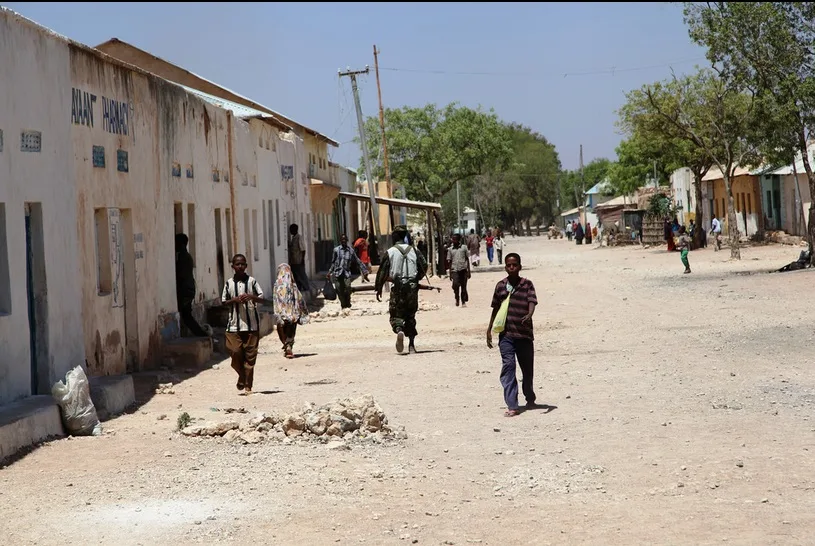
ℹ️Practical info — Hudur
▾
🌤 Weather — 5 days
📍 Nearby
Sights nearby
💡 Tips
- Time your visit around market days when livestock traders from across the Bakool region arrive.
- The climate is very dry; wear light cotton clothing and stay well-hydrated.
- Hudur is a major trade hub; having small denominations of cash is essential for local purchases.
- Locals highly value politeness; a simple 'As-salamu alaykum' goes a long way.
- Always check local travel advice due to the city's relatively remote location.
🍽 Food
Somali pancakes, often served with meat stew or honey for breakfast.
Fried pastries filled with meat or vegetables, a popular market snack.
Spiced rice, typically served with goat meat, a staple for main meals.
🛍 Shopping · 🧘 Quiet spots
A fascinating place to observe the trade of camels and goats.
Fresh spice blends like Xawaash, found in the market stalls.
The open plains just outside the town offer vast horizons and peace.
Greener spaces near government buildings are typically quieter spots.
Water temperature…
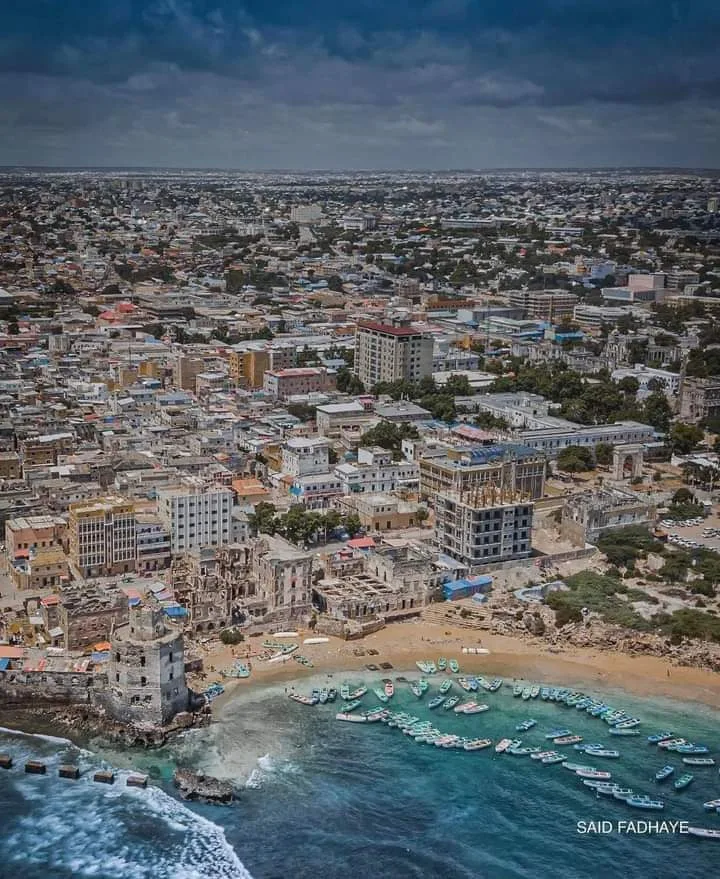
Hudur (Xuddur) is the capital city of the Bakool region in southwestern Somalia. Located in a semi-arid zone, the city serves as a crucial administrative and economic hub for the surrounding pastoralist communities. Historically, Hudur was a significant outpost during the Dervish resistance movement and played a notable role in colonial-era conflicts during the early 20th century. The population primarily consists of the Rahanweyn clans, giving the city a unique cultural and linguistic identity, characterized by the use of the Maay dialect. Geographically, Hudur is surrounded by flat scrublands, which are well-suited for the rearing of camels and goats. The city acts as a primary collection point for livestock, which is then distributed to other regions or prepared for export. Despite facing challenges such as recurrent droughts and political instability, Hudur remains a vital center for regional trade and social organization. The urban structure is mostly functional, although recent years have seen the development of some modern governmental facilities. Water security in the city relies heavily on deep artesian wells, which are indispensable for the livelihoods of its residents and their herds.
- Location: Somalia
- Nearby: Tiyeglow (68 km)
- Population: ~12.500 (2026)
Best time to visit & climate
The most pleasant time to visit is Jun, Jul, Dec.
| Jan | Feb | Mar | Apr | May | Jun | Jul | Aug | Sep | Oct | Nov | Dec | |
|---|---|---|---|---|---|---|---|---|---|---|---|---|
| Avg °C | 26 | 28 | 29 | 28 | 26 | 26 | 25 | 26 | 27 | 26 | 25 | 25 |
| Rain mm | 3 | 2 | 23 | 161 | 55 | 12 | 9 | 15 | 17 | 151 | 110 | 21 |
Geography
Facts
- Administrative capital of the Bakool region in southwestern Somalia.
- Significant hub for the trade of camels and small ruminant livestock.
- Cultural center for the Maay-speaking population of the region.
- Strategically important location during the Italian colonial administration.
- Relies on deep artesian wells to sustain its water requirements.
- Located in a region known for its traditional agro-pastoralist economy.
Explore nearby
Notable places around
Route planner — Car & Motorhome
Where do you start? We build the route here, with stops and country notes along the way.
© OpenStreetMap contributors · OpenRouteService
Frequently asked questions
Where is Xuddur located geographically?
Are there sights in Xuddur?
How is Xuddur best reached?
What is the weather like in this region?
What is the economic base?
Hudur: where is it located?
Hudur: when is the best time to visit?
Hudur: why is it worth visiting?

Nearby cities