Plizio Visual Lab
O Le Pupu-Pu'e National Park
Weather…
Water temperature…
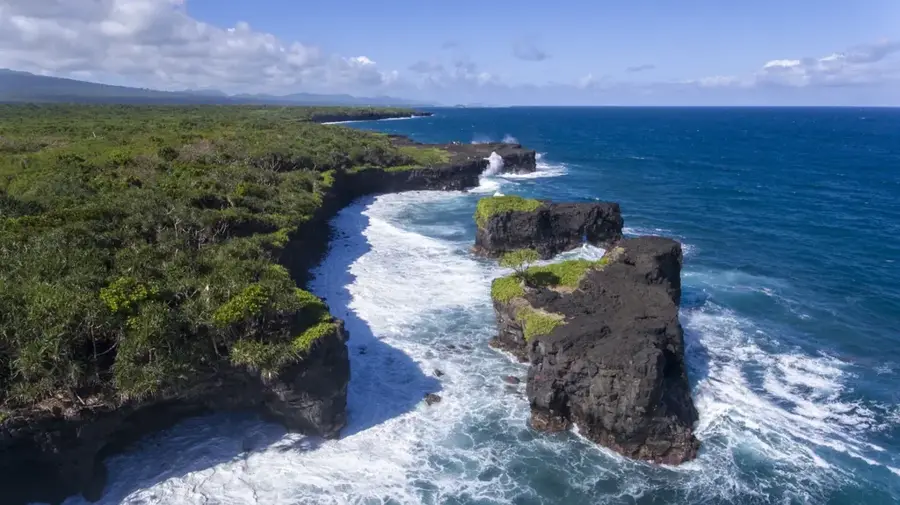
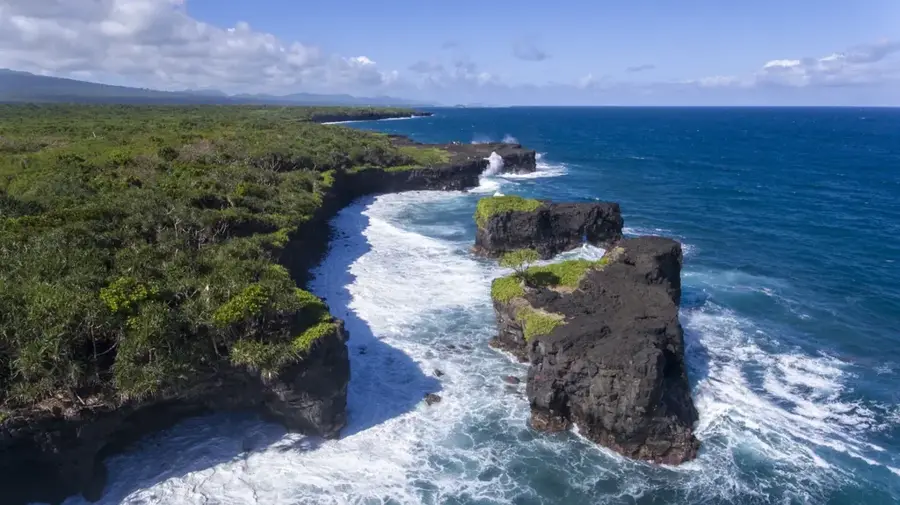
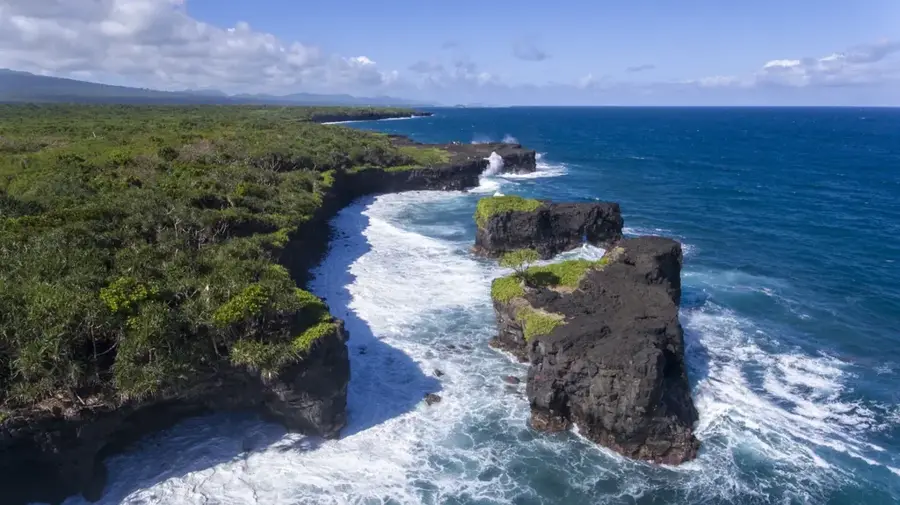
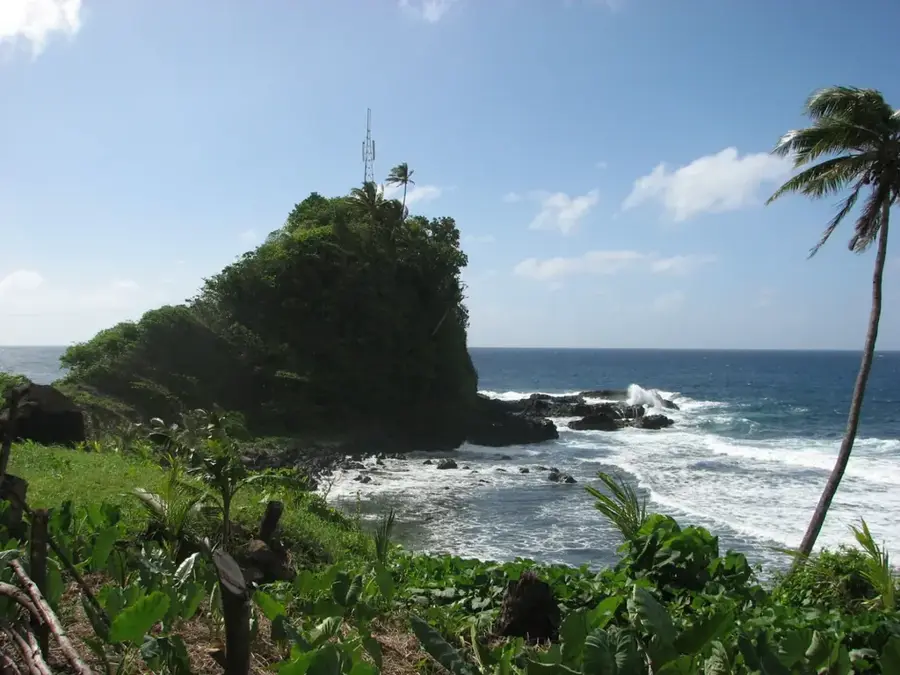
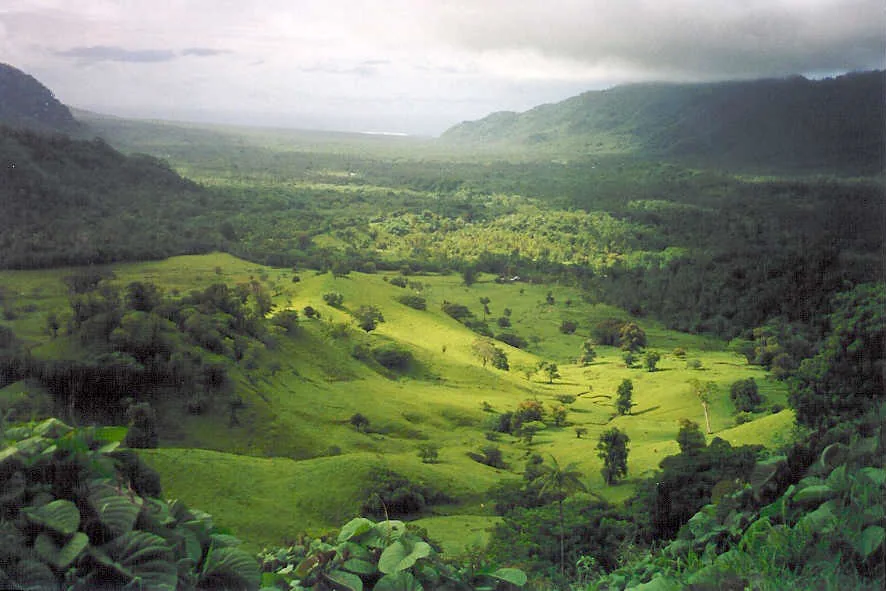
O Le Pupu-Pu'e National Park is the oldest and largest protected area in Samoa, spanning from the central mountain peaks of Upolu Island down to the rugged southern coastline. Established in 1978, the park encompasses a vast range of ecosystems, including primary lowland rainforests, montane forests, and dramatic coastal lava cliffs. Its name is derived from the Samoan words for 'lava field' (Pupu) and 'mountain' (Pu'e), reflecting its diverse topography. The park contains unique geological features such as the Pe'ape'a lava tube and several impressive waterfalls integrated into its river systems. Geologically, the area is defined by ancient volcanic flows that have formed natural arches and active sea blowholes along the coast. As a critical sanctuary for Samoa's endemic avian species and rare indigenous flora, it is a primary hub for terrestrial biodiversity conservation. Well-defined trails allow visitors to explore the dense interior wilderness and witness the unbridled power of the Pacific Ocean against the volcanic shore.
- Location: Samoa
- Top sights: Ma Tree · Togitogiga Waterfalls
- Nearby: Siumu Tai (4 km)
Best time to visit & climate
The most pleasant time to visit is Jul–Sep.
| Jan | Feb | Mar | Apr | May | Jun | Jul | Aug | Sep | Oct | Nov | Dec | |
|---|---|---|---|---|---|---|---|---|---|---|---|---|
| Avg °C | 28 | 28 | 28 | 28 | 28 | 28 | 27 | 27 | 27 | 28 | 28 | 28 |
| Rain mm | 269 | 247 | 175 | 181 | 135 | 88 | 78 | 57 | 91 | 146 | 224 | 240 |
📋 Practical info
Geography
Facts
- The park was formally established on 26 June 1978.
- It covers an extensive area of approximately 29 square kilometres.
- The park boundaries include Mount Fito, Upolu's highest peak at 1,149 metres.
- The coastline is characterized by 'ironbound' cliffs formed from basaltic lava.
- The park is a primary habitat for the endangered tooth-billed pigeon.
- The Pe'ape'a lava tube cave is a significant nesting site for white-rumped swiftlets.
Explore nearby
Notable places around


Route planner — Car & Motorhome
Where do you start? We build the route here, with stops and country notes along the way.
© OpenStreetMap contributors · OpenRouteService
Sights in the town O Le Pupu-Pu'e National Park (2)
Sights nearby
Frequently asked questions
Do I need a permit?
Are there guided hikes?
What is the highlight of the park?
Are pets allowed?
Are there information boards?
O Le Pupu-Pu'e National Park: where is it located?
O Le Pupu-Pu'e National Park: what is there to see?
O Le Pupu-Pu'e National Park: when is the best time to visit?
O Le Pupu-Pu'e National Park: why is it worth visiting?
Nearby cities


History & landmarks

More places