Plizio Visual Lab
Falefa
ℹ️Practical info — Falefa
▾
🌤 Weather — 5 days
📍 Nearby
Sights nearby
💡 Tips
- Expect to pay a small customary entry fee directly to the local family if you visit Falefa Falls.
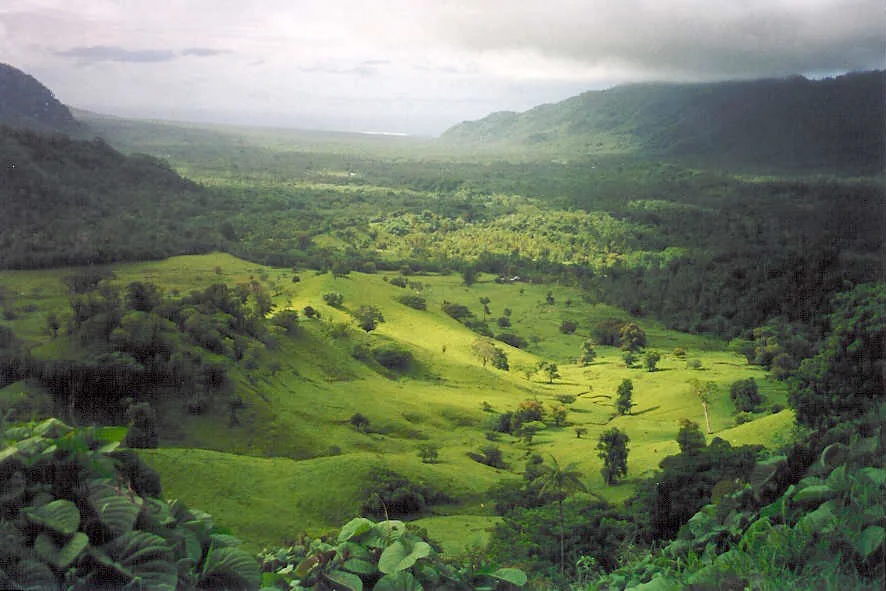
- The bridge crossing the Falefa River provides excellent, unobstructed views of the surrounding valley.
- Keep your voice lowered when passing village meeting houses (fale fono) out of respect for local chiefs.
- Combine a visit here with the nearby Piula Cave Pool for a refreshing swim.
🍽 Food
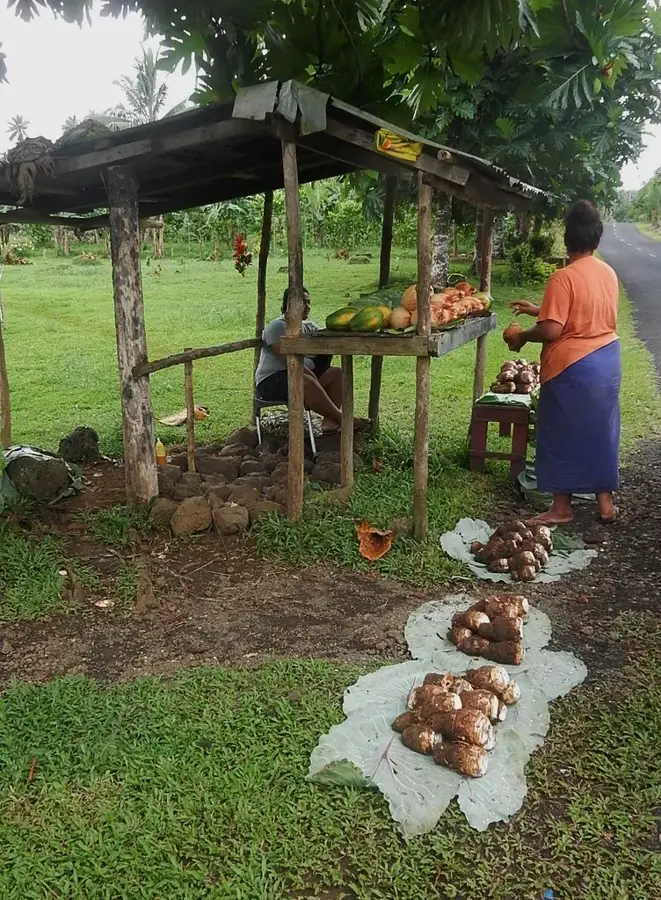
Local roasted cocoa drink, sometimes sold in blocks by the road.
A staple side dish available at village cookhouses.
Occasionally caught and cooked by locals along the riverbanks.
🛍 Shopping · 🧘 Quiet spots
Look for small signs selling cocoa blocks along the main road.
For seasonal local fruits directly from the village gardens.
Occasionally sold by local families near the popular tourist stops.
Find a peaceful spot to relax away from the busy bridge.
A serene viewpoint witnessing the river meeting the ocean.
Enjoy the cascading waters before any larger tour groups arrive.
Water temperature…
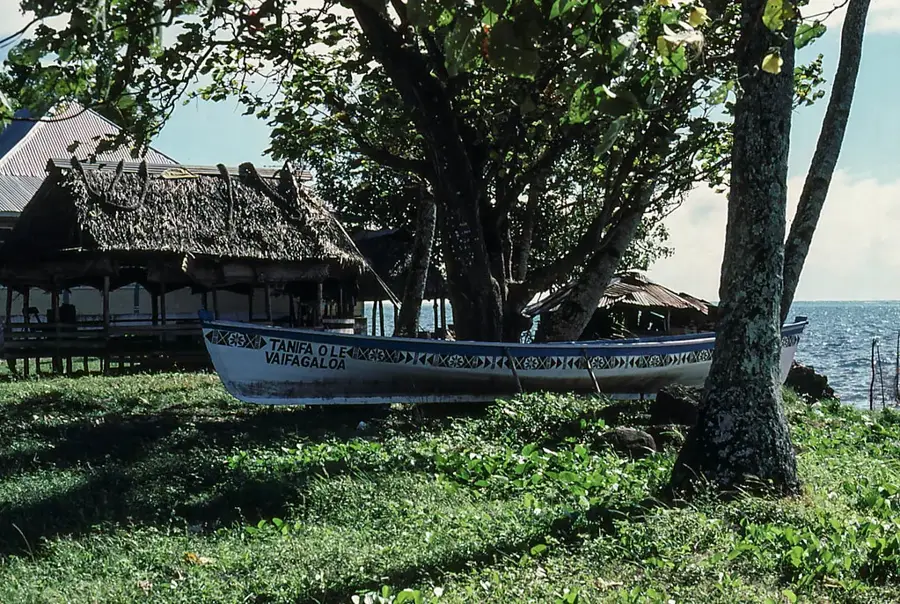
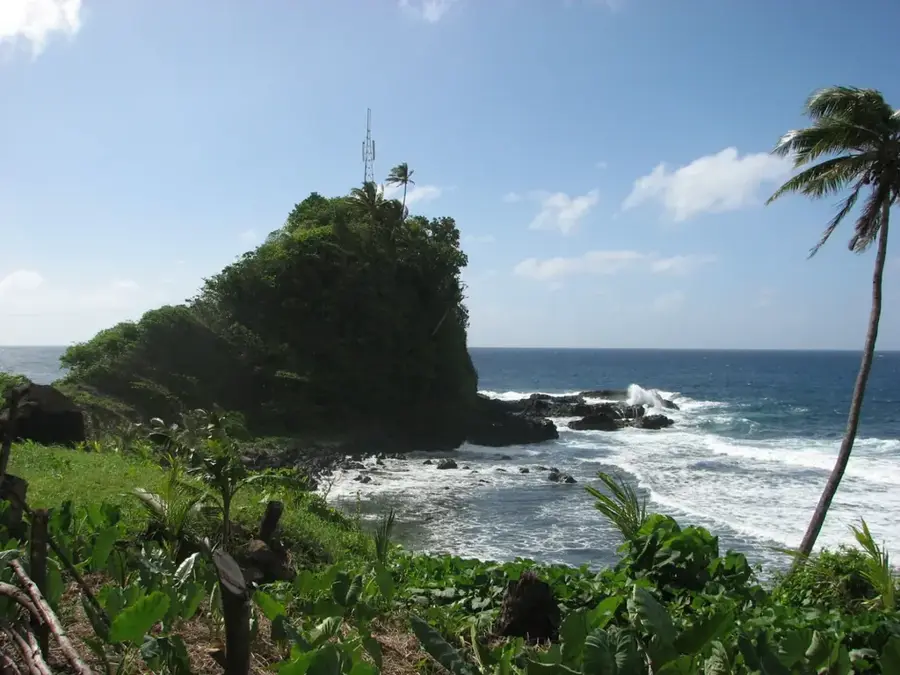
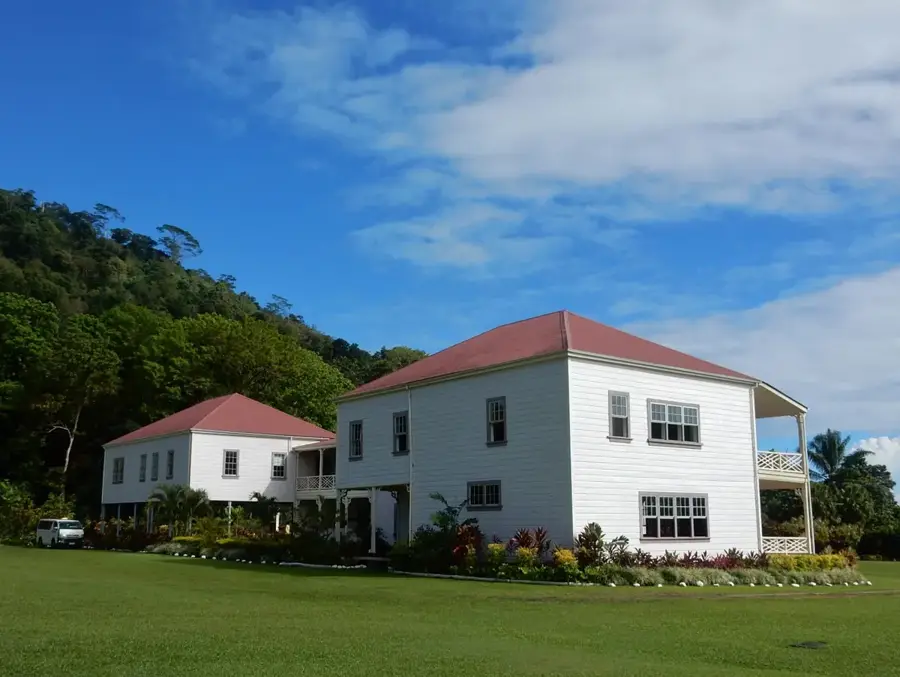
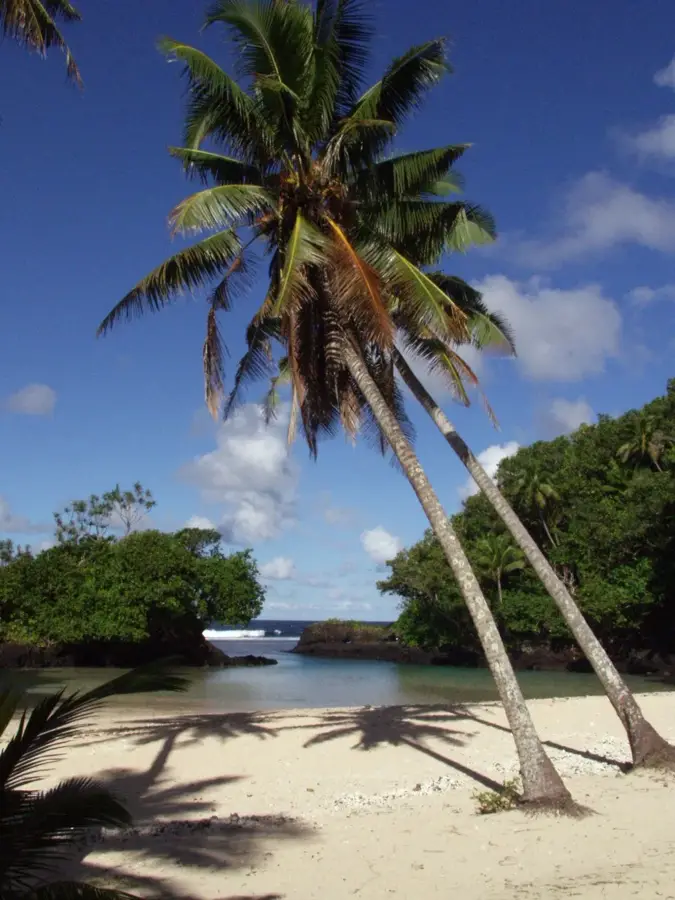
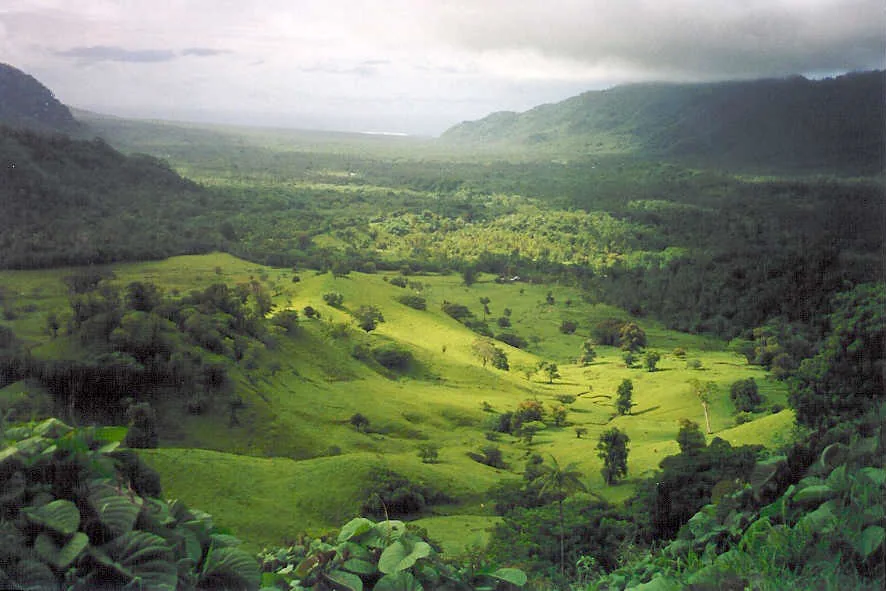
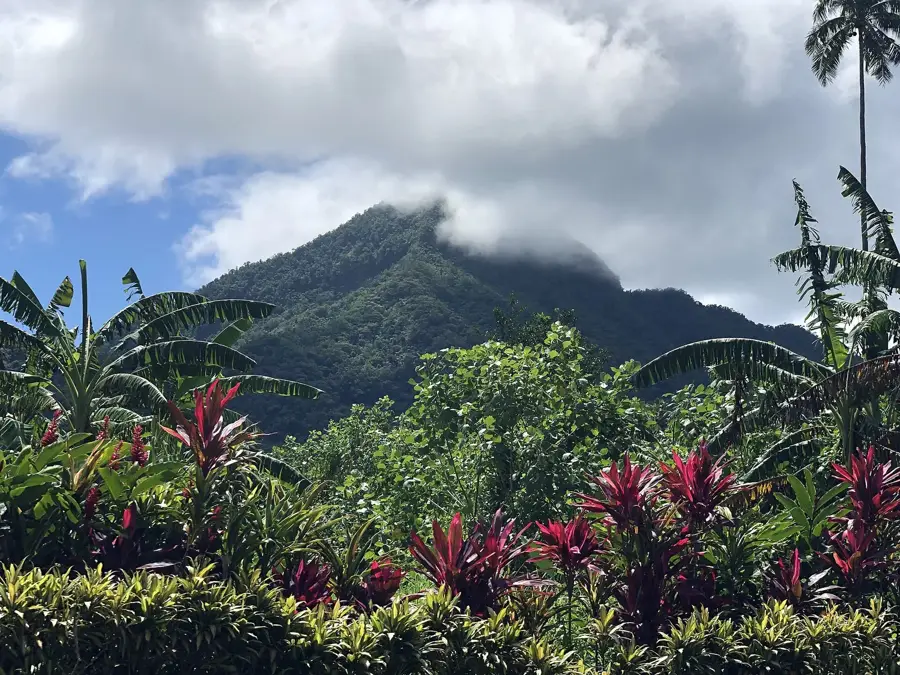
Falefa is a village of great historical and scenic importance located in eastern Upolu, situated at the entrance of the Falefa Valley. The settlement is famous for the Falefa Falls, a series of cascades located right at the village's edge that empty into the ocean. Historically, Falefa was a vital hub for the Atua region, playing a role in the island's strategic political alliances. The community takes pride in its traditional architecture, with the village layout organized around a central Malae surrounded by large churches and 'fale' structures. Its local economy is supported by fishing and agriculture, as the fertile valley provides well-suited conditions for growing taro and bananas. Falefa often serves as a staging point for travelers exploring the spectacular eastern coast and the Le Mafa Pass. Social structure is strictly hierarchical under the Fa'amatai system, with chiefs wielding significant authority over village affairs. The landscape is characterized by dense forests and rivers flowing through the valley to the sea. Religious practice is rigorous and provides the framework for social interaction within the village. Falefa remains a spirited example of the fusion of natural beauty and deep-seated Samoan tradition.
- Location: Samoa
- Nearby: Lufilufi (4 km)
- Population: ~1.346 (2012)
Best time to visit & climate
The most pleasant time to visit is Jul–Sep.
| Jan | Feb | Mar | Apr | May | Jun | Jul | Aug | Sep | Oct | Nov | Dec | |
|---|---|---|---|---|---|---|---|---|---|---|---|---|
| Avg °C | 28 | 28 | 28 | 28 | 28 | 28 | 27 | 27 | 27 | 28 | 28 | 28 |
| Rain mm | 269 | 247 | 175 | 181 | 135 | 88 | 78 | 57 | 91 | 146 | 224 | 240 |
Geography
Facts
- Falefa is positioned at the mouth of the Falefa River in the Atua district.
- The Falefa Falls are a well-known natural attraction located within the village.
- Historically, the village served as a key defensive point for the Atua region.
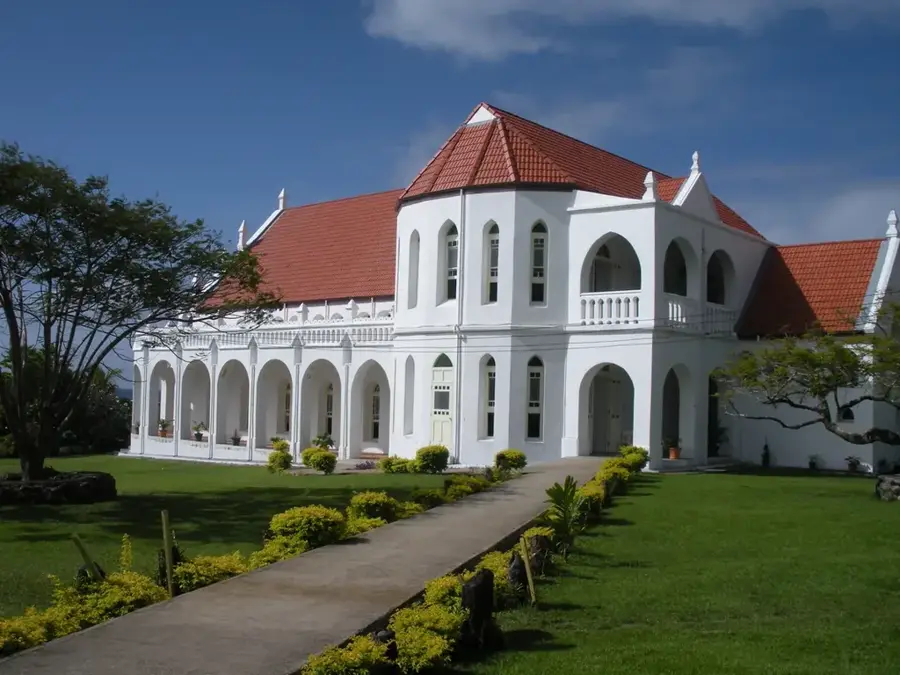
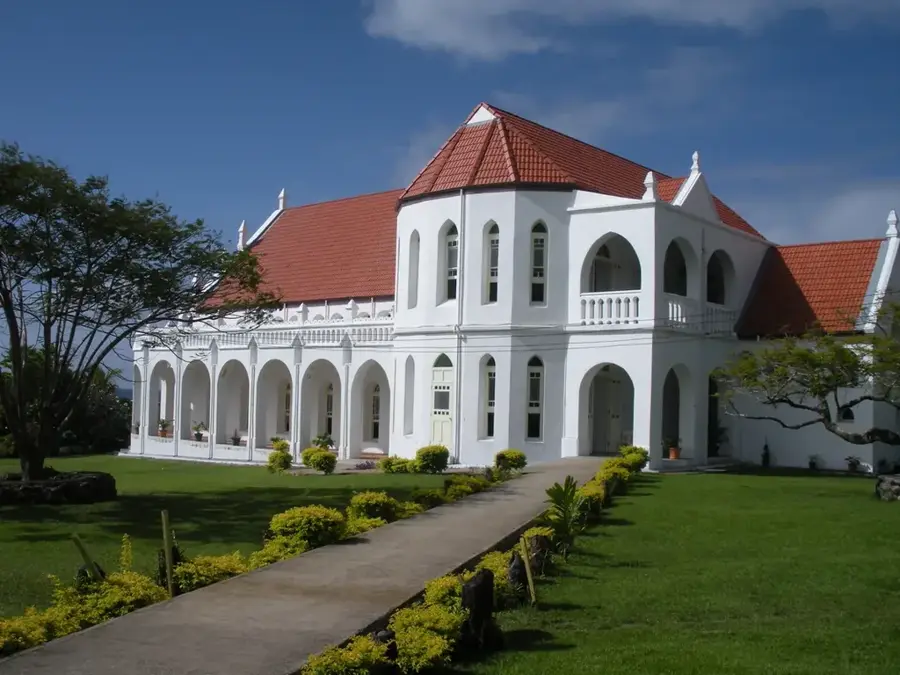
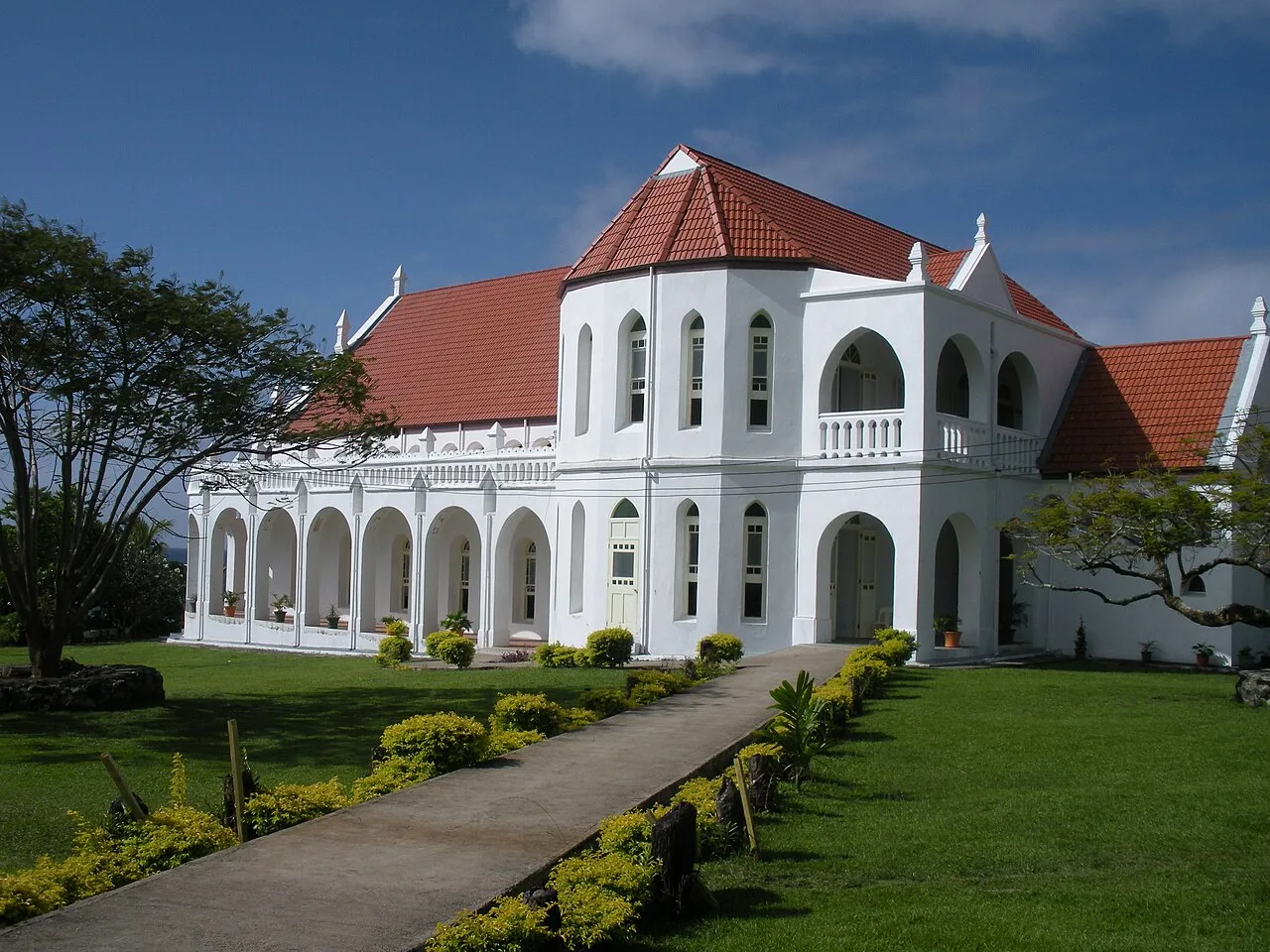
- The local Congregational Christian Church is a significant architectural landmark.
- Falefa is celebrated for the highly fertile lands of the surrounding valley.
- The main coastal road passes over a historic bridge right next to the waterfall.
Explore nearby
Notable places around



Route planner — Car & Motorhome
Where do you start? We build the route here, with stops and country notes along the way.
© OpenStreetMap contributors · OpenRouteService
Frequently asked questions
What is special about Falefa?
How much time should I plan for Falefa?
When is the best time to travel?
What is the best way to get to Falefa?
Are the waterfalls family-friendly?
Falefa: where is it located?
Falefa: when is the best time to visit?
Falefa: why is it worth visiting?
Nearby cities