Recolta Binelui Festival
Charity autumn fair in October with traditional food, crafts and music, blending tradition and community.
PlizioGo
A specific Prahova smoked cheese that you can buy from local producers along the main road.
Try traditional 'mici' or grilled pork at local eateries near the town center.
Being near the famous wine region, ask for a local Fetească Neagră at any restaurant.
Buy seasonal fruits and vegetables directly from farmers along the main street.
Small handcrafted items and icons can be found at the shop near the historical church.
A well-maintained green space, first-rate for a relaxing break under the shade of trees.
A quiet spot by the water, convenient for enjoying nature away from traffic.
Water temperature…
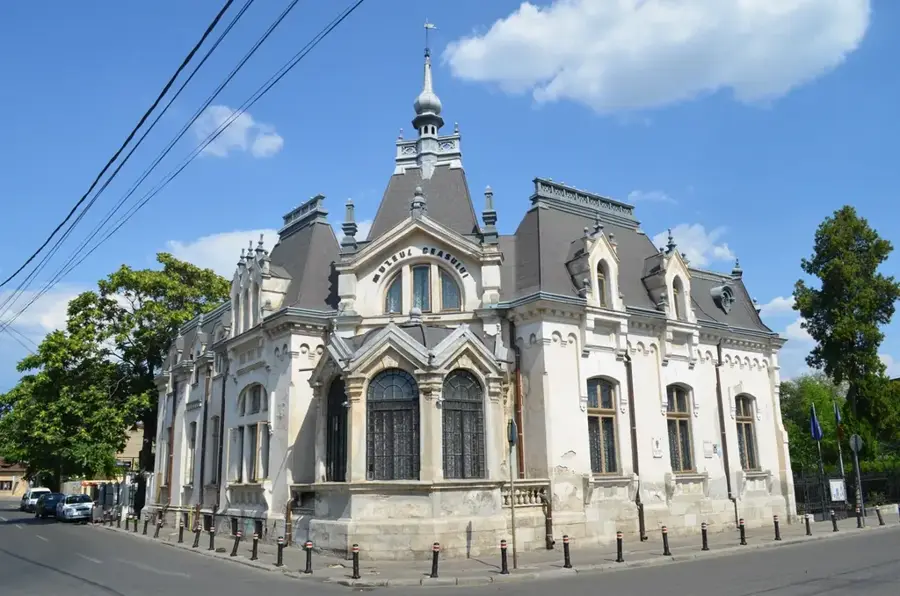
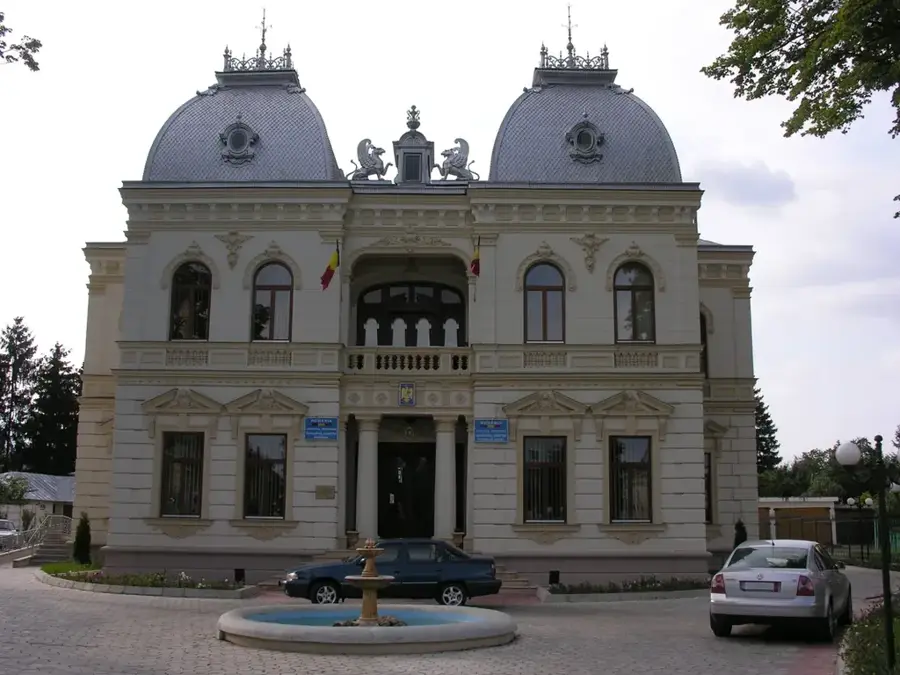
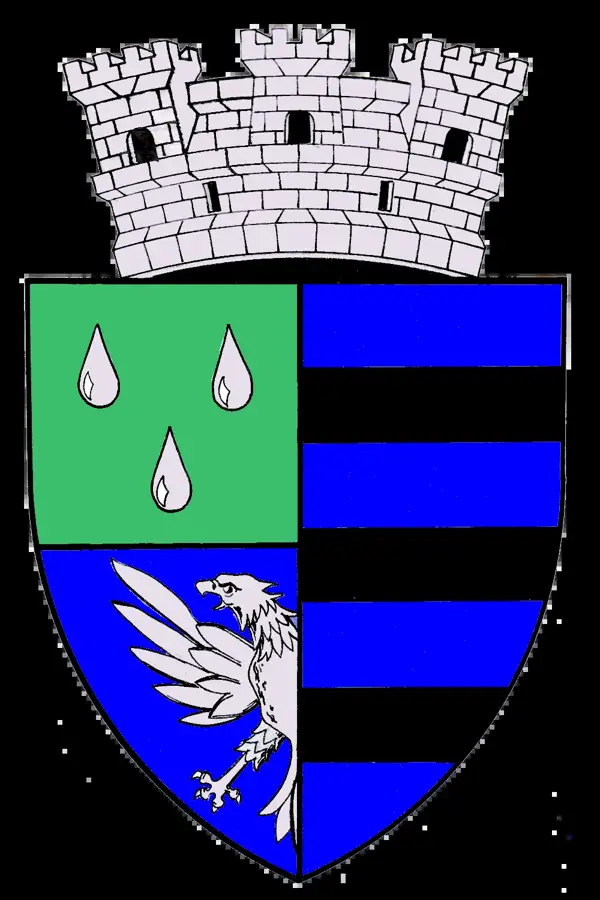
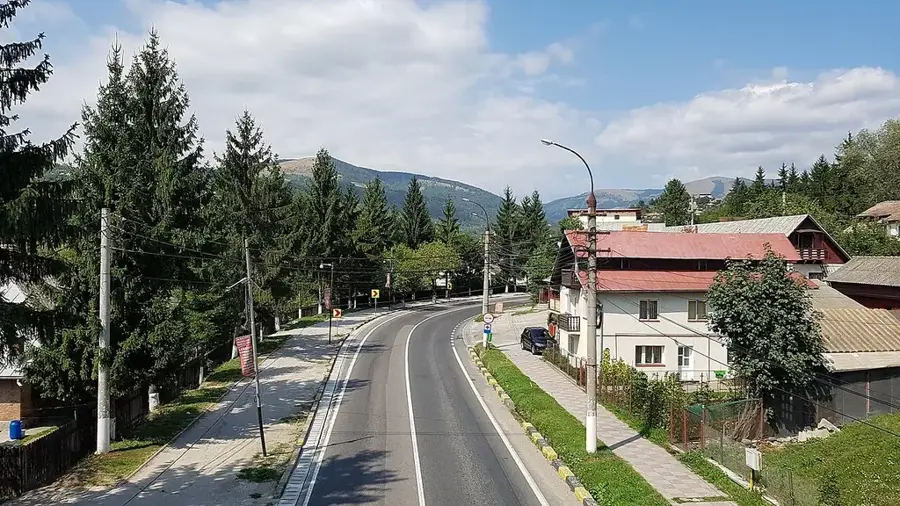
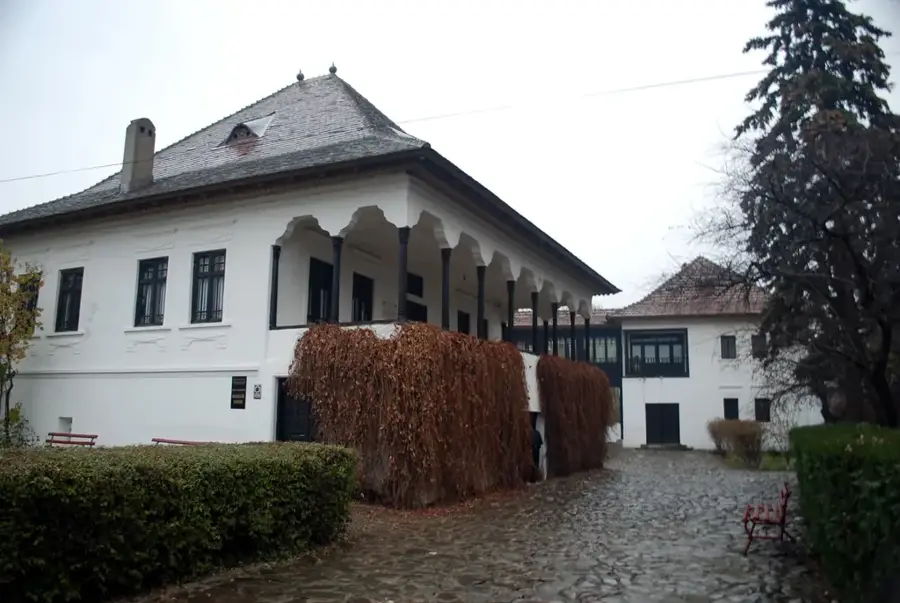
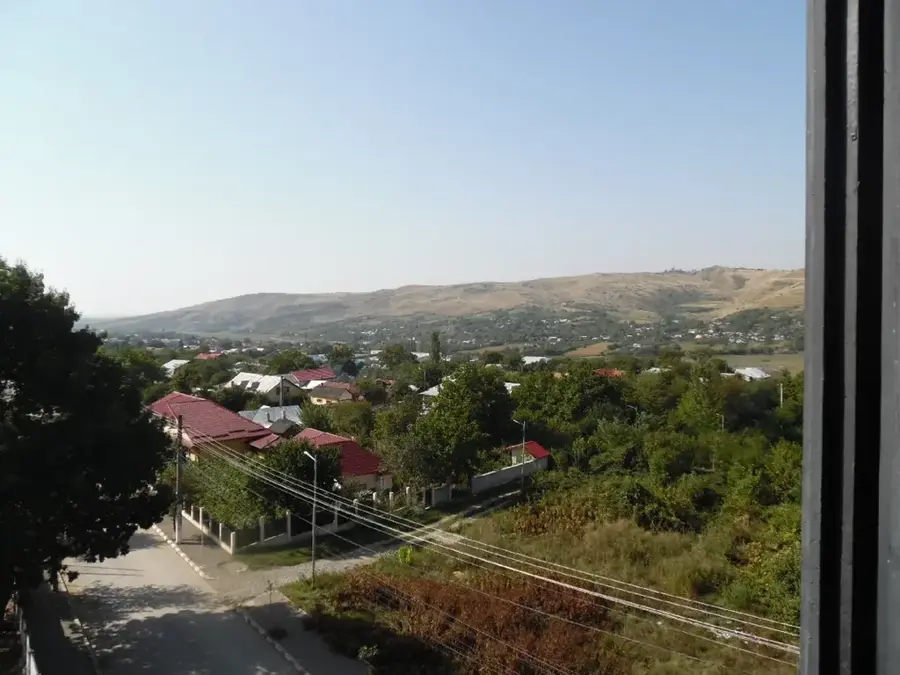
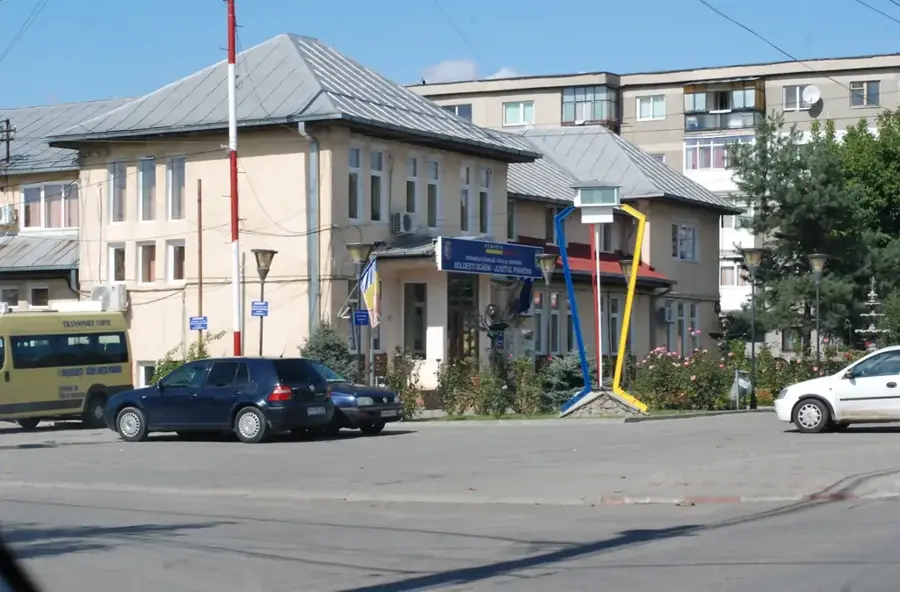
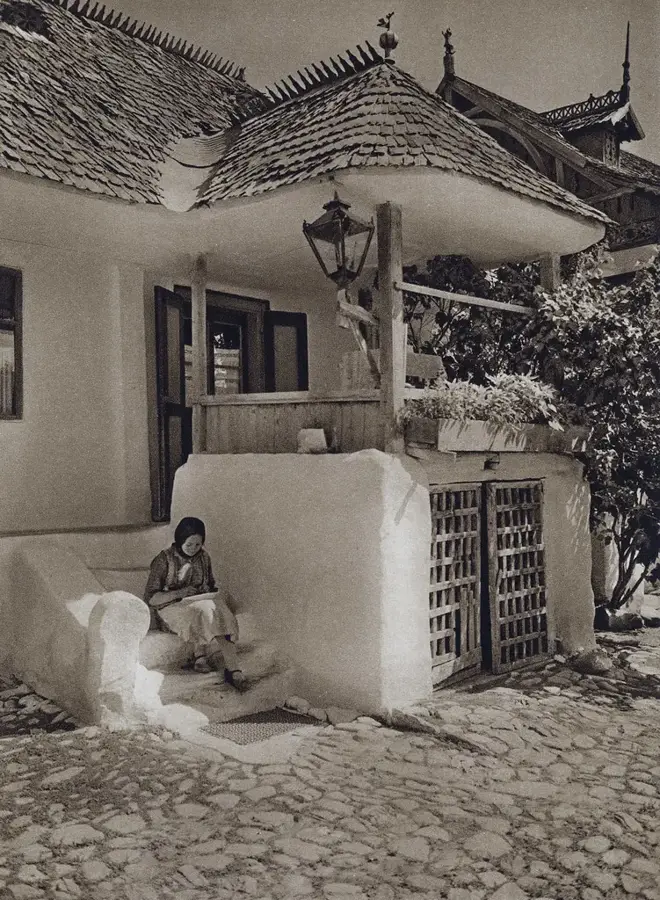
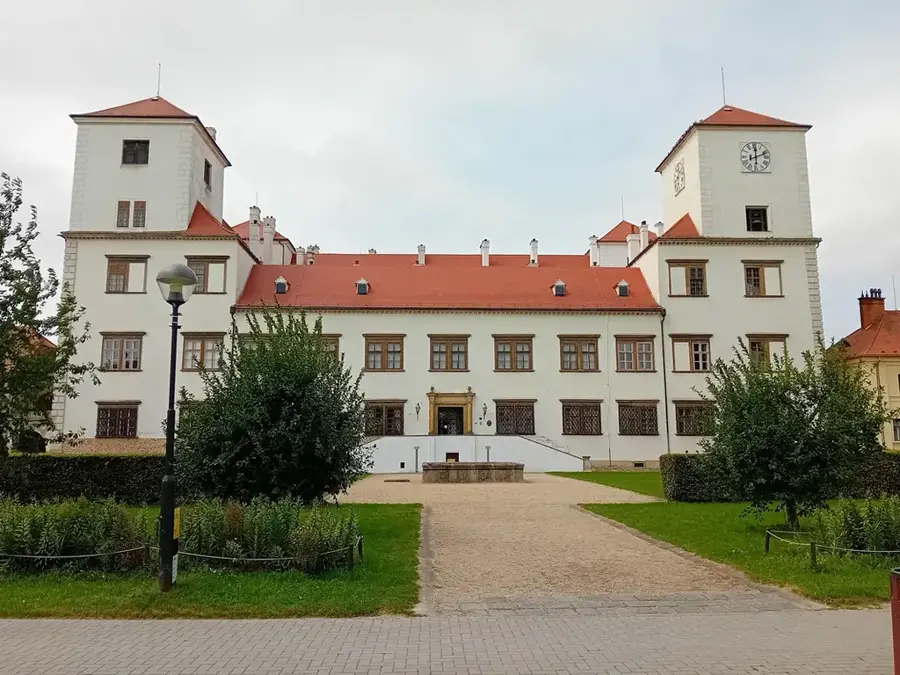
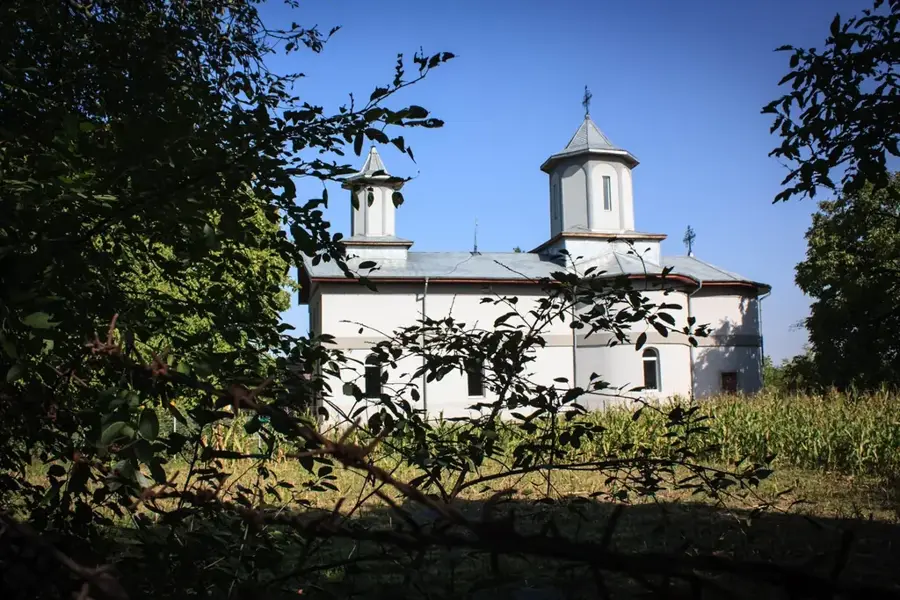
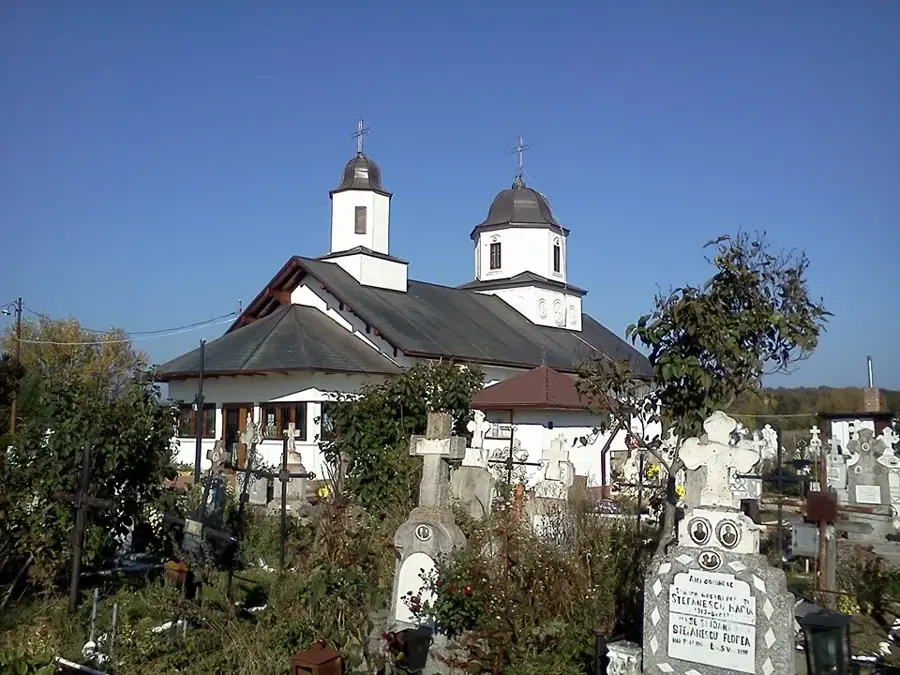
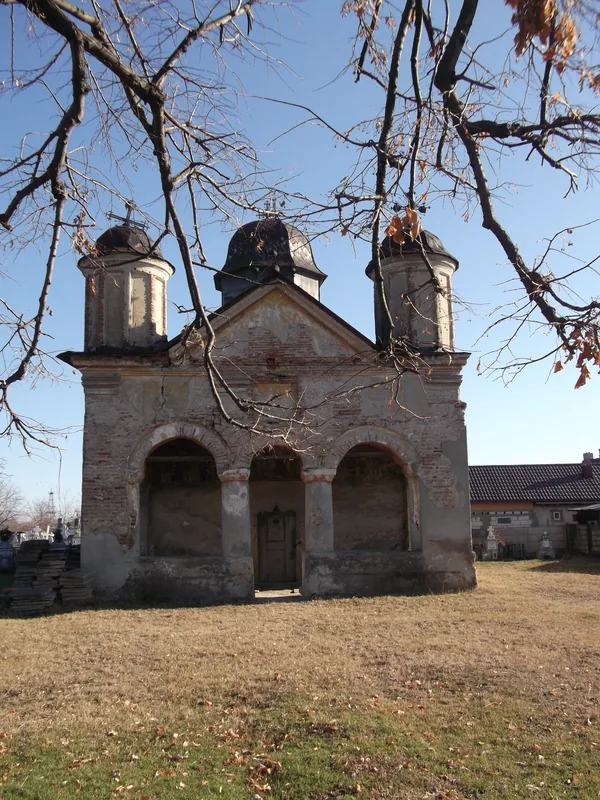
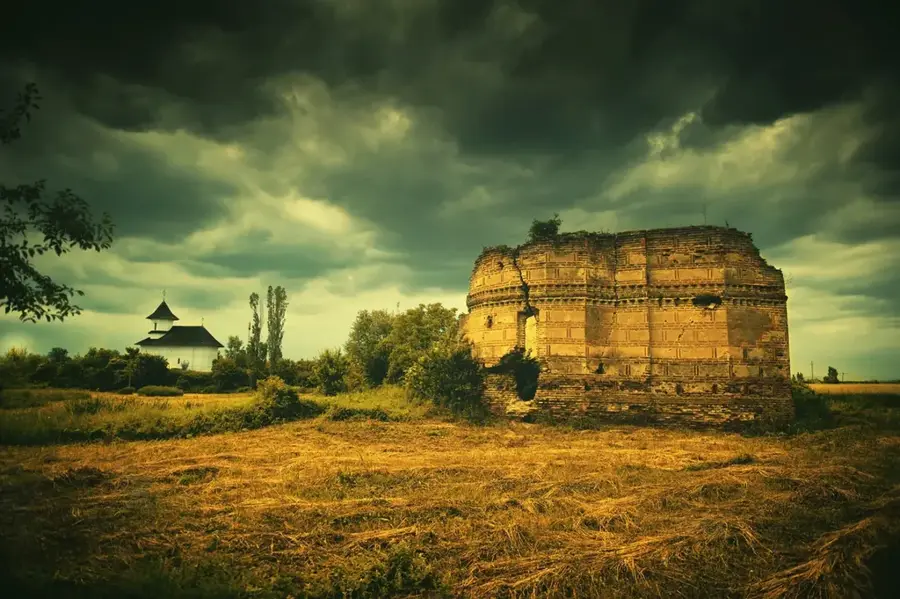
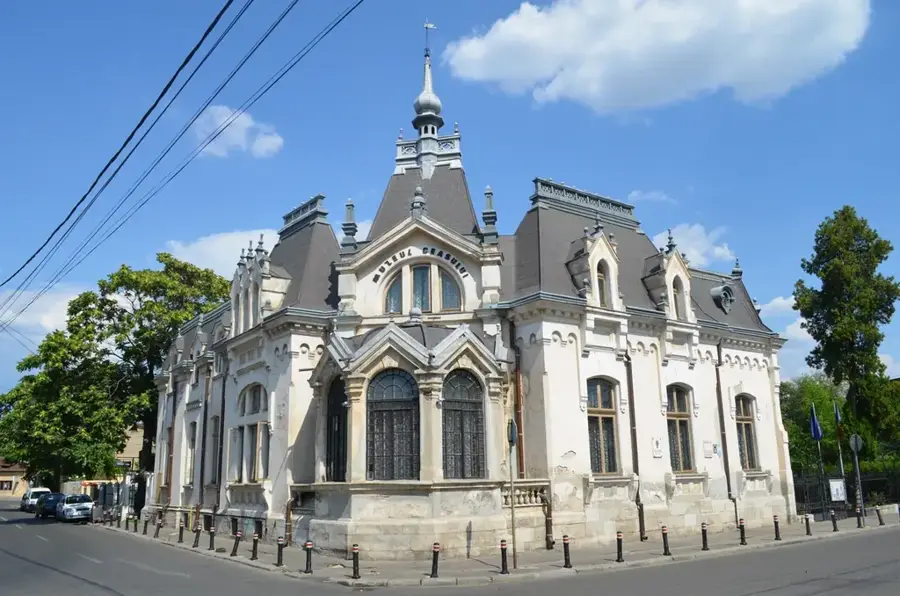
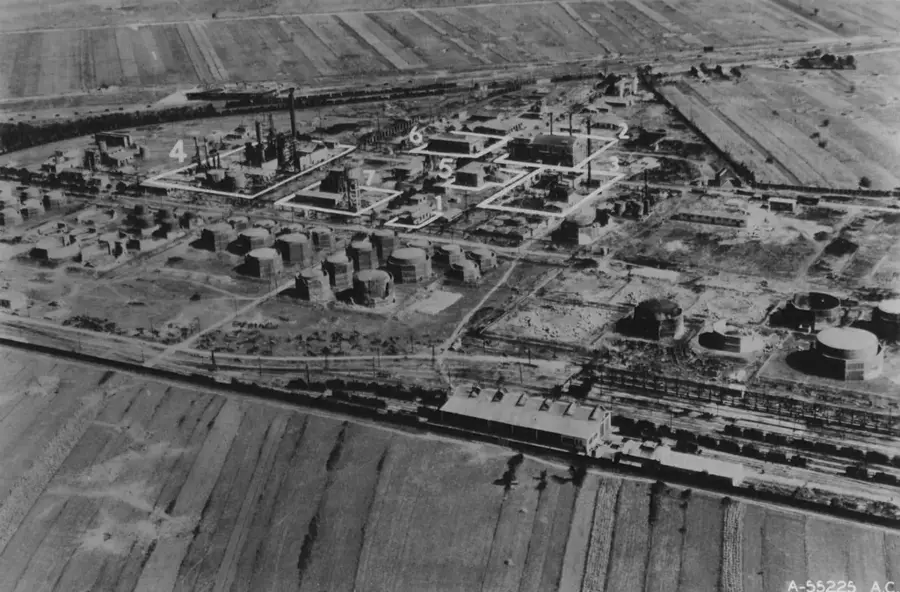
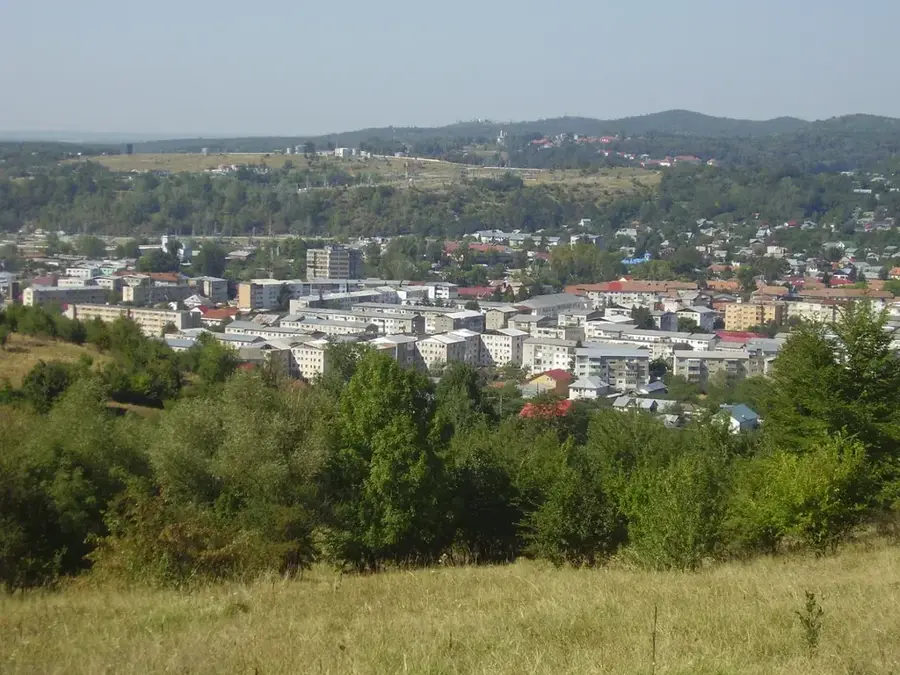
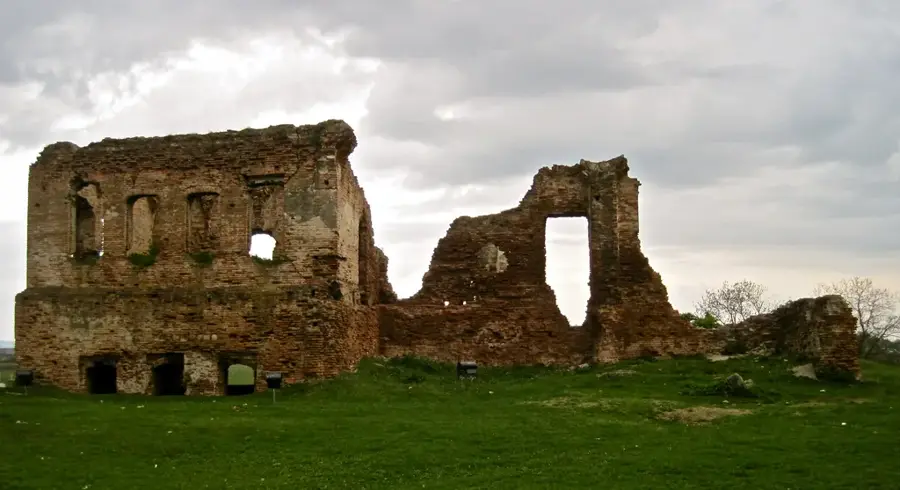
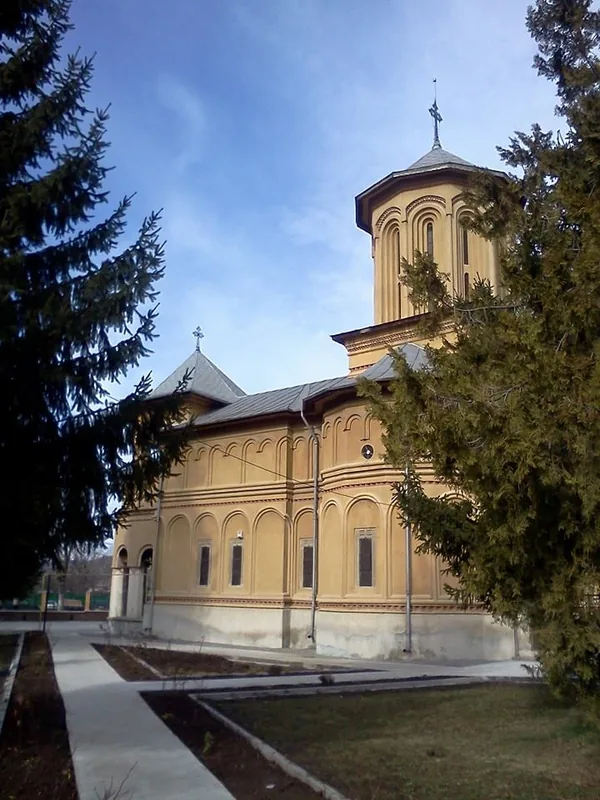
Filipeștii de Pădure is a historically significant commune in the western part of Prahova County, located about 30 kilometers from Ploiești near the border with Dâmbovița County. The settlement is inextricably linked to the legacy of the Cantacuzino family, one of the most influential noble families in Wallachian history. In the 17th century, the boyar Matei Cantacuzino built a grand palace here, whose monumental ruins still stand as a testament to the splendor of the Wallachian Renaissance. Another outstanding monument is the Church of the Three Hierarchs, built in 1688 and famous for its interior frescoes painted by the renowned artist Pârvu Mutu. Beyond its cultural importance, the commune was a major center for lignite mining in the 19th and 20th centuries, which shaped its economic structure and urban landscape. The commune consists of the villages of Filipeștii de Pădure, Ditrești, Minieri, and Siliștea Dealului. Today, the area balances its rich noble heritage with modern industrial growth, hosting factories in the food and light manufacturing sectors that have replaced the former mining industries.
The most pleasant time to visit is Jun, Aug, Sep.
| Jan | Feb | Mar | Apr | May | Jun | Jul | Aug | Sep | Oct | Nov | Dec | |
|---|---|---|---|---|---|---|---|---|---|---|---|---|
| Avg °C | -2 | 0 | 5 | 11 | 17 | 21 | 24 | 24 | 18 | 12 | 6 | 0 |
| Rain mm | 40 | 34 | 39 | 47 | 70 | 89 | 75 | 52 | 52 | 58 | 42 | 46 |
Notable places around
Where do you start? We build the route here, with stops and country notes along the way.
© OpenStreetMap contributors · OpenRouteService
Your walk begins in the green heart of Filipeștii de Pădure, the Central Park. In the morning, you'll explore the historic center, visiting the Town Hall, the Heroes' Monument, and the old Church of the Holy Three Hierarchs. The highlight of the day is the visit to the Pană Filipescu Mansion, offering a deep insight into the region's aristocratic past. The day concludes with a relaxing stroll and a hearty Romanian lunch.
Your bike tour takes you through the heart of Filipeștii de Pădure, past historic buildings like the Town Hall and the old church. After a deep dive into history at the Pană Filipescu Mansion, you'll cycle out of town to discover the industrial heritage of the coal mine and the natural beauty of the Provița Valley. The tour combines culture with nature, offering a varied exploration of the area, concluding with a late lunch.
By car, you'll cluster your visits for maximum efficiency. The morning is dedicated to the historic heart of Filipeștii de Pădure, where you'll park and explore the church, the magnificent mansion, and the town center on foot. In the afternoon, you drive to the outskirts to visit the industrial heritage of the coal mine and take a scenic drive through the Provița Valley. This plan combines convenient travel with immersive walking explorations.