Targsoru Vechi Commune Day
In late October the commune celebrates its Commune Day with cultural programmes, folk dances and concerts, in a locality known for its archaeological reservation.
PlizioGo
Try this salty sheep cheese directly from local producers or at village markets.
A hearty meat dish traditionally served in the region with plenty of garlic and polenta.
Cured and smoked meat that pairs perfectly with a glass of local red wine.
Visit occasional fairs for handmade pottery and traditional regional textiles.
Only 15 minutes away, you can find antiques and vintage items on weekends.
Buy fresh vegetables and fruits directly from stalls along the main road.
A walk among the Roman ruins gives a profound sense of peace and history.
A very well-maintained and silent space, good for reflection.
The banks of this small stream are great for a quiet walk in the shade.
Water temperature…
In late October the commune celebrates its Commune Day with cultural programmes, folk dances and concerts, in a locality known for its archaeological reservation.
Every year on 27 July the Targsoru Vechi archaeological reserve opens its gates to the public with guided tours of the excavation site. Organised by the Prahova County Museum of History and Archaeology.
On Epiphany, January 6, villagers keep the old custom of the Horse Baptism, with decorated horses, races and folk traditions.
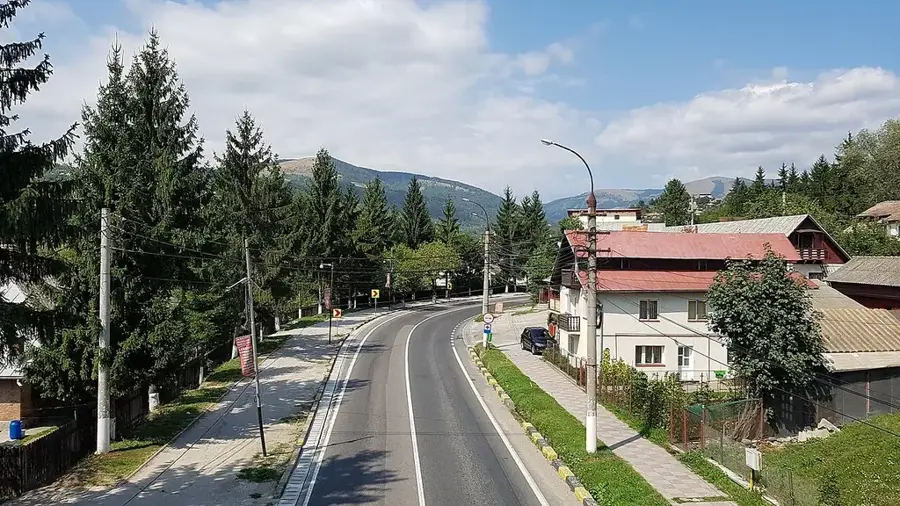
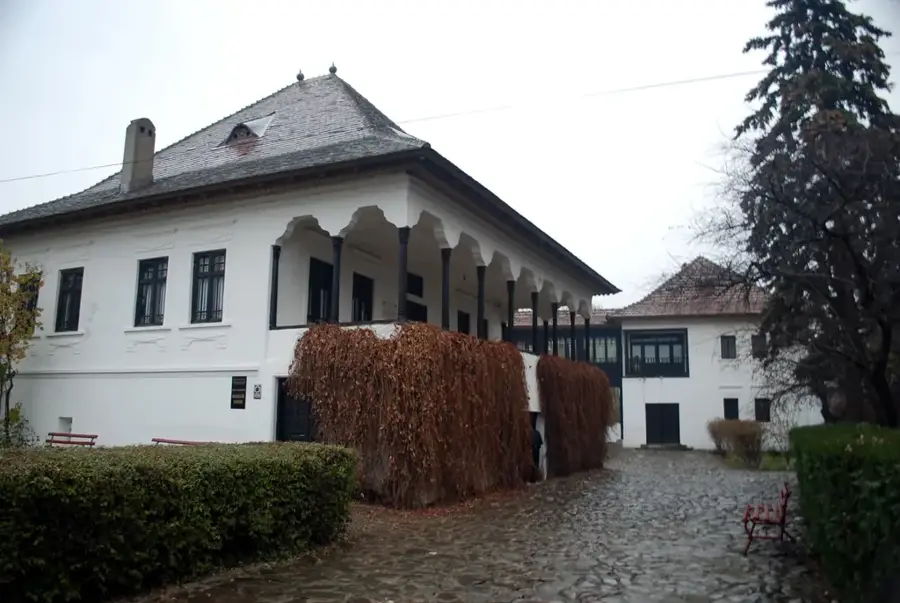
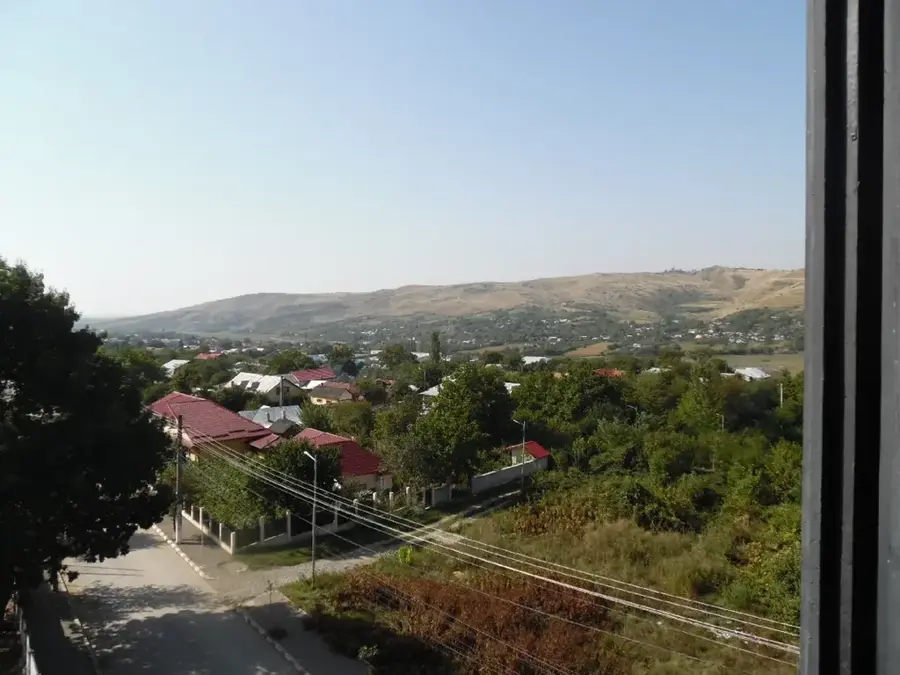
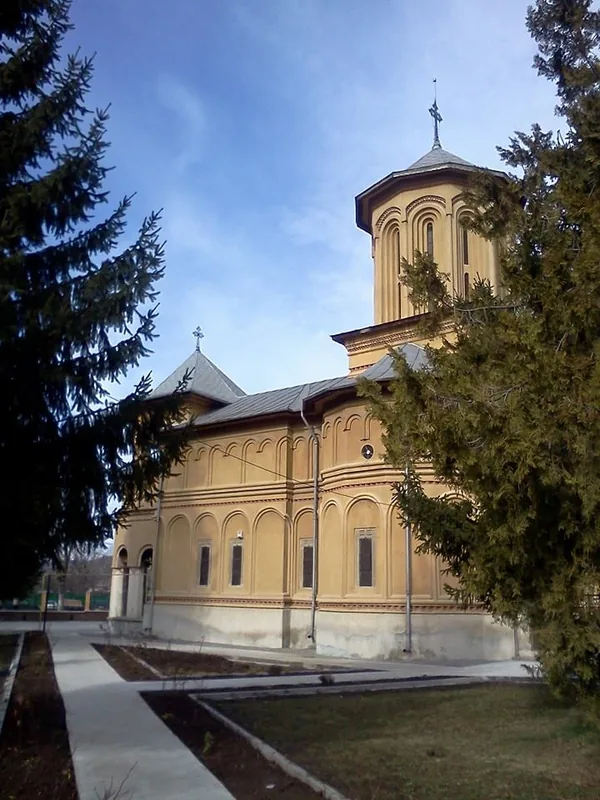
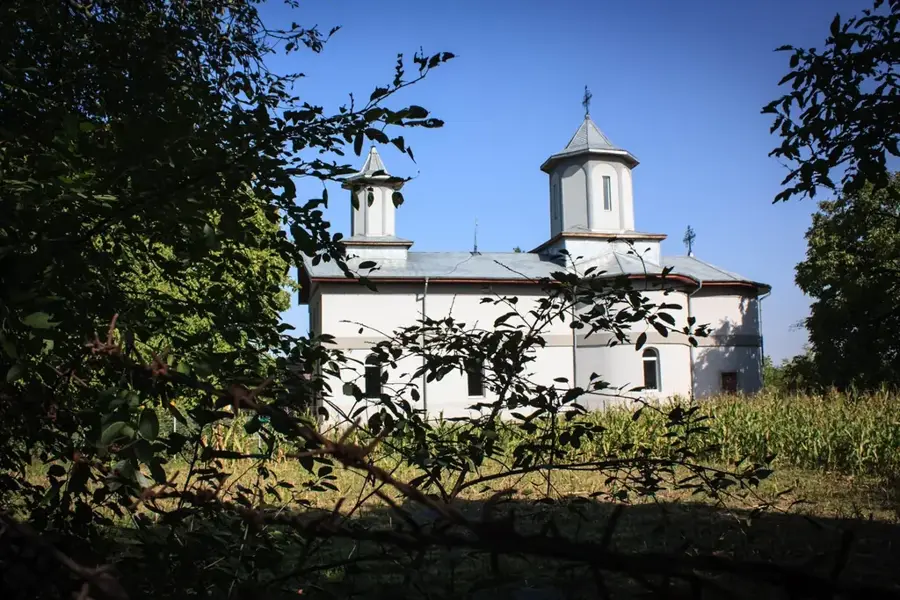
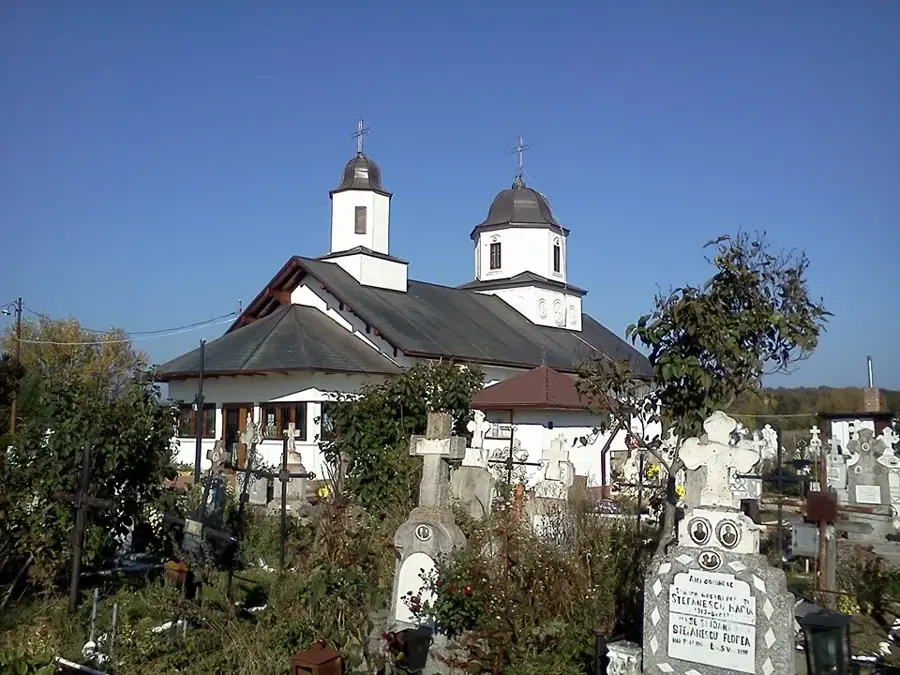
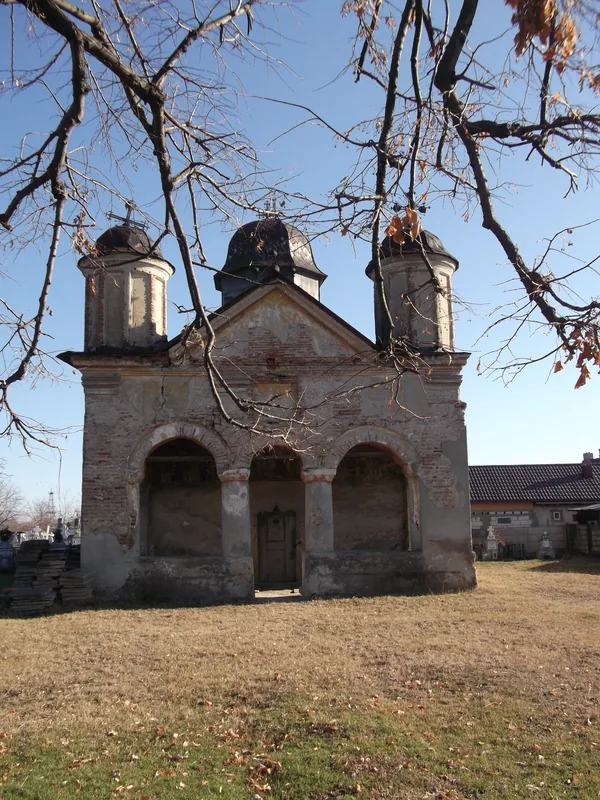
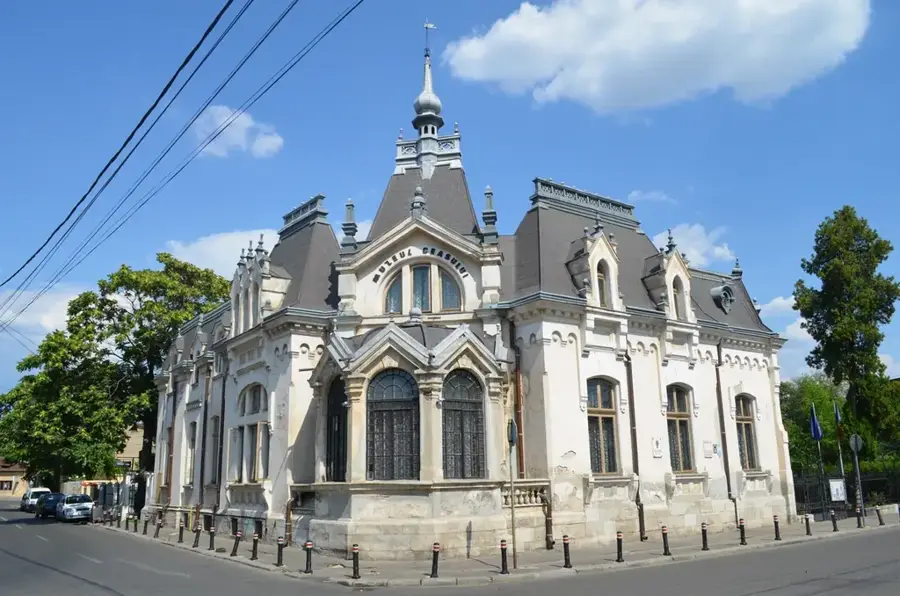
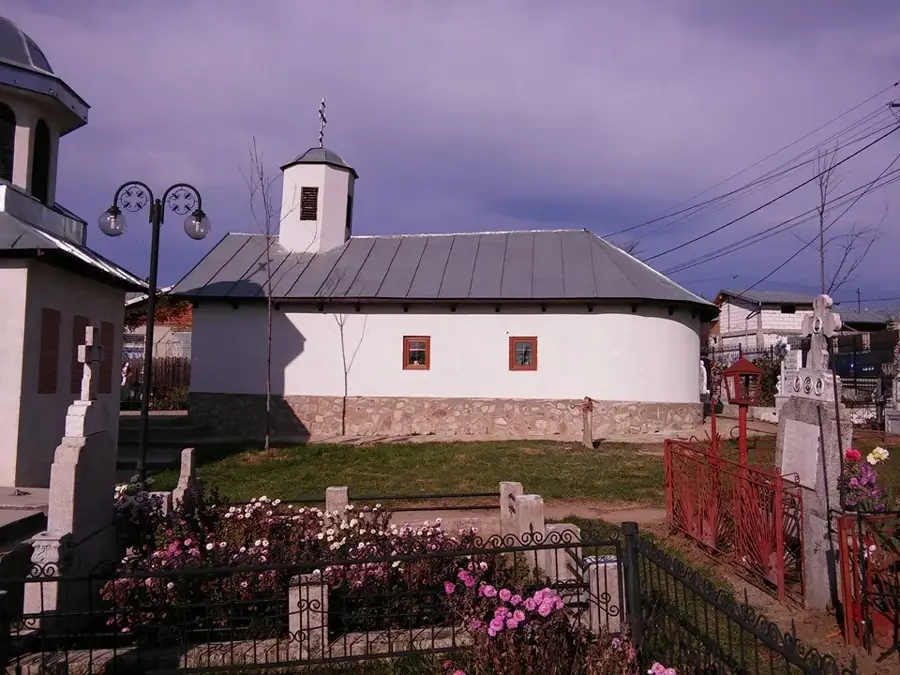
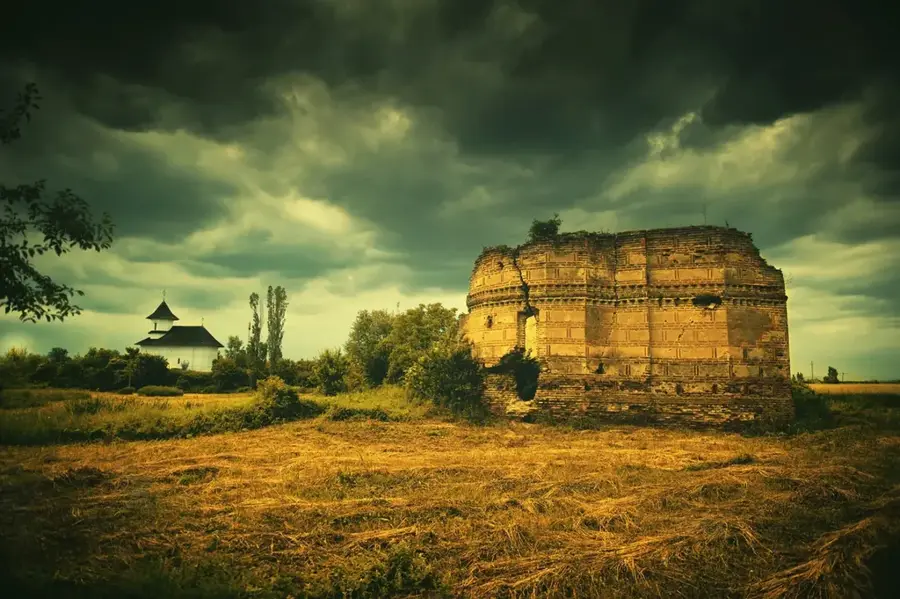
Târgșoru Vechi is a commune of exceptional historical and archaeological importance in Prahova County, located about 10 kilometers southwest of Ploiești. Often referred to as the 'Troy of Prahova,' the site contains settlement layers spanning from the Neolithic and Bronze Age to the late Middle Ages. A key feature is the 2nd-century AD Roman castrum, which was part of the defensive border system of the Roman province of Dacia. During the medieval period, Târgșor flourished as a major trading hub and a princely residence for Wallachian rulers, including Mircea the Elder and Vlad the Impaler. Today, the Târgșoru Vechi Archaeological Reserve preserves the ruins of the Princely Court and several historic churches, such as the Princely Church of Saint Pantelimon. The commune consists of the villages of Târgșoru Vechi, Stăncești, Strejnicu, and Zahanaua, and is crossed by the Leaot River. In addition to its historical wealth, the commune is a modern suburban area with significant agricultural activity and is home to the Strejnicu airfield, contributing to its regional prominence.
The most pleasant time to visit is Jun, Aug, Sep.
| Jan | Feb | Mar | Apr | May | Jun | Jul | Aug | Sep | Oct | Nov | Dec | |
|---|---|---|---|---|---|---|---|---|---|---|---|---|
| Avg °C | -2 | 0 | 5 | 11 | 17 | 21 | 24 | 24 | 18 | 12 | 6 | 0 |
| Rain mm | 40 | 34 | 39 | 47 | 70 | 89 | 75 | 52 | 52 | 58 | 42 | 46 |
See what it looks like near Târgșoru Vechi right now.
Ploiesti: Centru: Ploieşti - Distrito de Prahova, Rumanía · 6.6 km · Open webcam on Windy · Webcams provided by Windy.com
Notable places around
Where do you start? We build the route here, with stops and country notes along the way.
© OpenStreetMap contributors · OpenRouteService
Your day begins in the heart of history at the Archaeological Reserve. In the morning, you'll explore Roman vestiges and medieval churches. After lunch, delve deeper into the past at the museum. The afternoon is dedicated to the ruins of noble mansions and national heroes, concluding a day full of discovery.
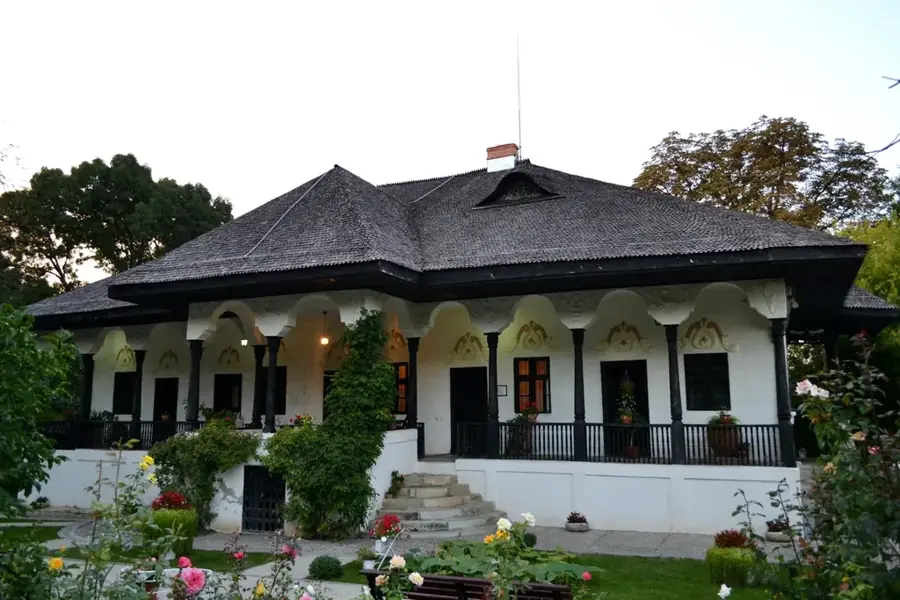
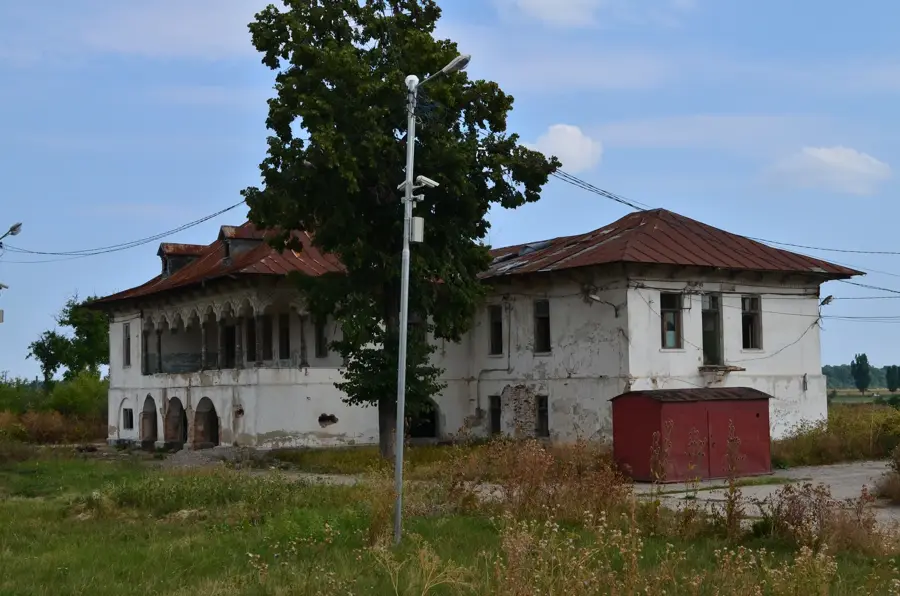
Start your morning at the archaeological reserve, where the wet ruins evoke a mystical atmosphere under grey skies. An umbrella is vital on the open paths between the Roman baths and church ruins. At noon, Turnu Monastery provides a peaceful and dry sanctuary. Its walls offer a welcome break from the wind of the Prahova plain. In the afternoon, the site museum is the ideal place to escape the rain and study the excavated artifacts in comfort. The Moruzi Mansion ruins look particularly atmospheric in the mist. Finish your walk at the Monument of Michael the Brave before heading to a dry spot for the evening.
Experience the frosty silence of ancient Târgșoru Vechi in the morning. Hoarfrost on the Roman foundations gives history a crystal-clear clarity. At noon, seek warmth inside Turnu Monastery. The low winter sun hits the whitewashed walls, creating a scene of profound serenity. In the afternoon, limit your time outside and head to the museum. The sun sets early, around 16:30, over the Wallachian horizon. The evening arrives quickly as you stand by the Monument of Michael the Brave, feeling the heroic past in the cold winter wind.
On two wheels, you'll effortlessly traverse the vast archaeological area. The morning is for swiftly moving between Roman ruins and medieval churches. After an informative museum visit at noon, the afternoon bike ride takes you to the remnants of nobility, concluding with a tribute to Romanian history.
Cycling in the rain requires caution on the unpaved paths of the reserve. Mud splashes as you glide between ancient foundations. At noon, you reach Turnu Monastery, where you can take a quick breather and park your bikes under the archway. In the afternoon, the museum offers a welcome break from the wet saddle. Pass by the Moruzi Mansion ruins quickly on your way back. The day ends with a cool ride past the monument, with water on the road reflecting the dim lights.
A winter cycling tour through Târgșoru Vechi is a true athletic challenge. The cold wind blows unchecked across the plain as you head toward the ancient ruins. At noon, you reach the monastery, where the sun briefly dispels the frost. Moving keeps you warm, but keep your breaks short. In the afternoon, the museum provides a necessary stop to revive frozen fingers. The Moruzi Mansion ruins look particularly lonely under the winter sky. The tour ends at sunset near the monument. The quick ride back provides a final adrenaline rush in the frosty air.
In the morning, drive to the Archaeological Reserve, park your car, and begin your journey back in time on foot. The entire day is a single walk through history, from Roman baths to medieval churches and noble ruins. In the afternoon, after a comprehensive tour, you return to your car, filled with impressions of a bygone era.
Enjoy the drive through the rainy Prahova plain. Your car provides perfect protection as you head toward the archaeological reserve. At noon, park close to Turnu Monastery. The short distance from the car to the entrance is manageable even without an umbrella if you're quick. In the afternoon, park right next to the museum. Watch from your dry seat as the rain washes the ancient stones of the Moruzi Mansion. The tour ends at the Monument of Michael the Brave before you comfortably head home in your heated vehicle.
Begin your winter tour comfortably in your pre-heated car. The archaeological reserve lies peacefully under a layer of frost in the morning sun. At noon, Turnu Monastery offers a spiritual stop. The contrast between the cold outside and the silence inside is impressive. In the afternoon, park at the museum and enjoy the warmth of the exhibits. The Prahova plain looks vast and majestic in the winter light. The tour ends at the Monument of Michael the Brave as early dusk sets in, before you turn up the heat for the drive home.
A protected area containing settlement layers from the Neolithic to the Middle Ages, functioning as an open-air museum.