Drajna Commune Days
Annual commune celebration in June in the sub-Carpathian commune with folk music, traditions and community events in the Teleajen valley.
PlizioGo
Seasoned and smoked sheep meat, a specialty of the hilly region.
Polenta with cheese, traditionally roasted over hot coals.
The area is famous for its delicious local apples and plums.
Look for local weavers selling traditional hand-woven rugs.
Buy fresh fruit directly from producers at roadside stalls.
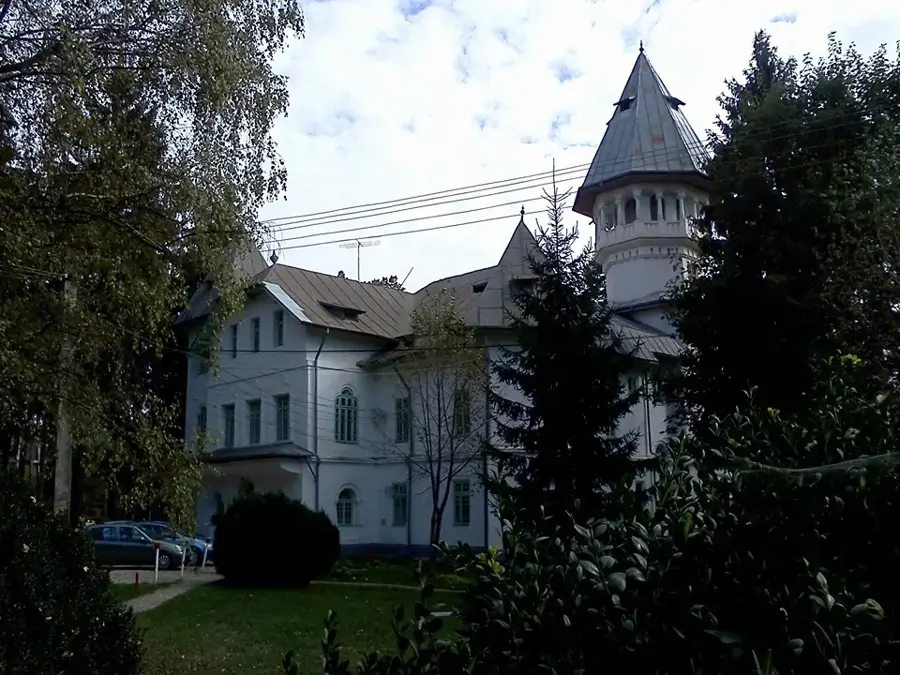
A peaceful spot with a historic aura and a vast view.
The manor's park provides cool shade and absolute silence.
Water temperature…
Annual commune celebration in June in the sub-Carpathian commune with folk music, traditions and community events in the Teleajen valley.
The pediatric ward of the Mizil hospital will suspend its activity starting June 1, 2026, for rehabilitation works. The hospital management confirmed that this is a temporary measure and the department will not be permanently closed.
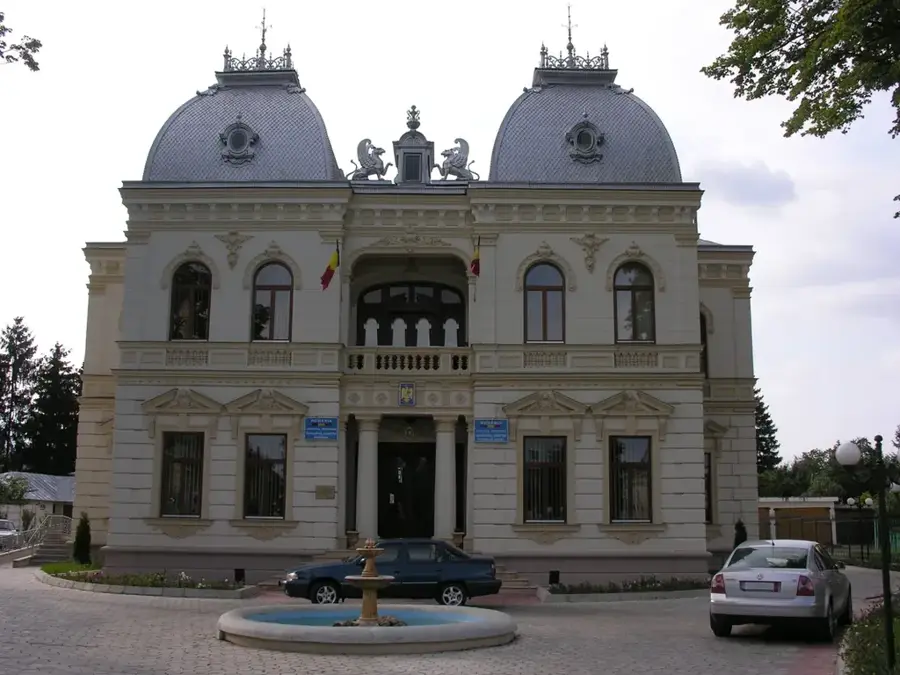
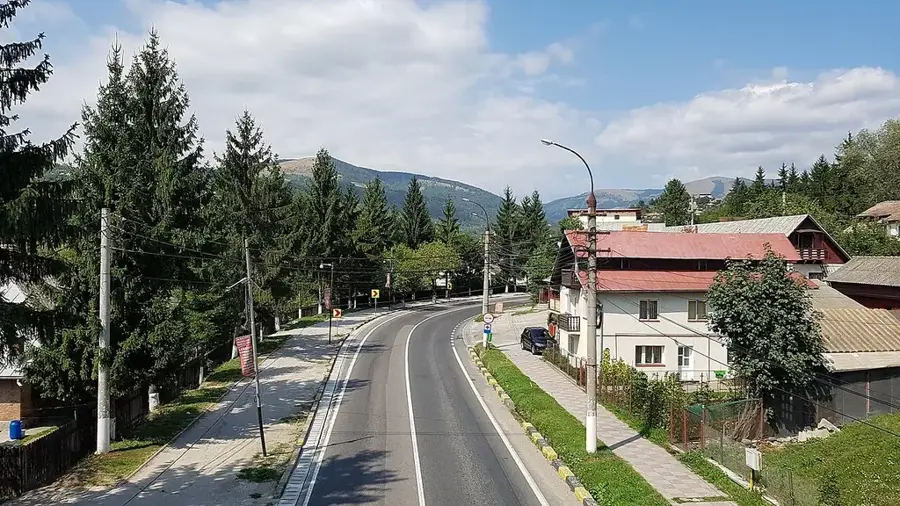
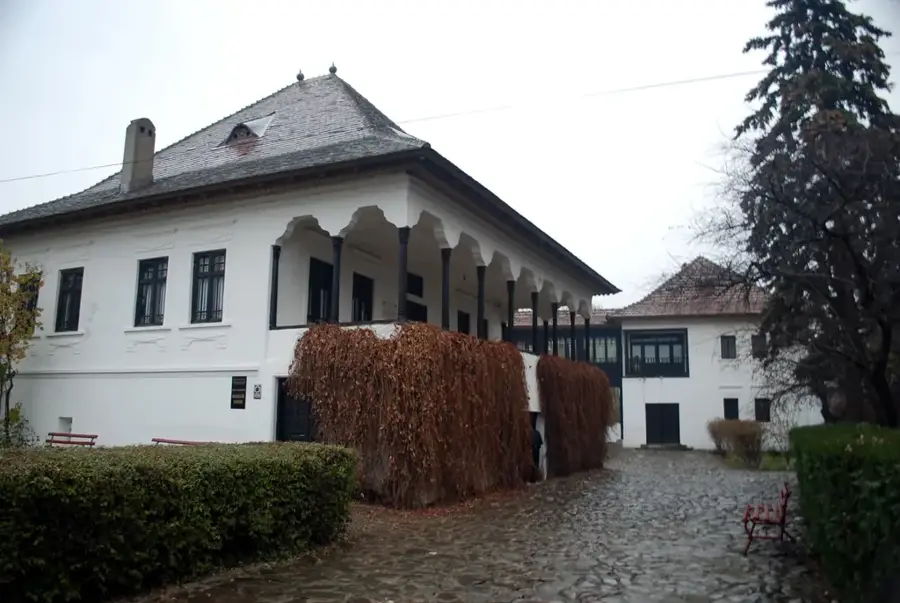
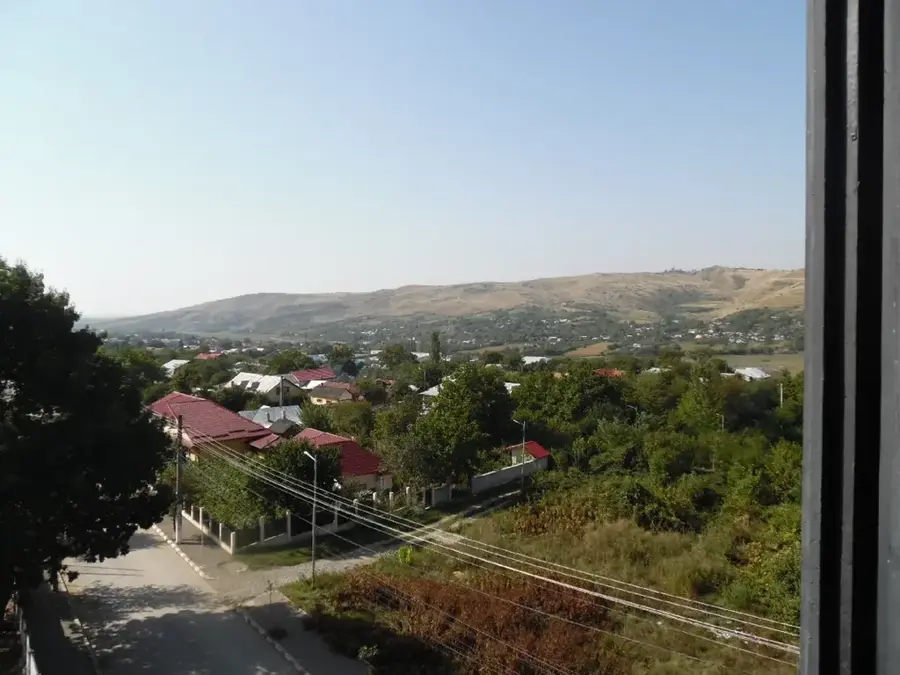
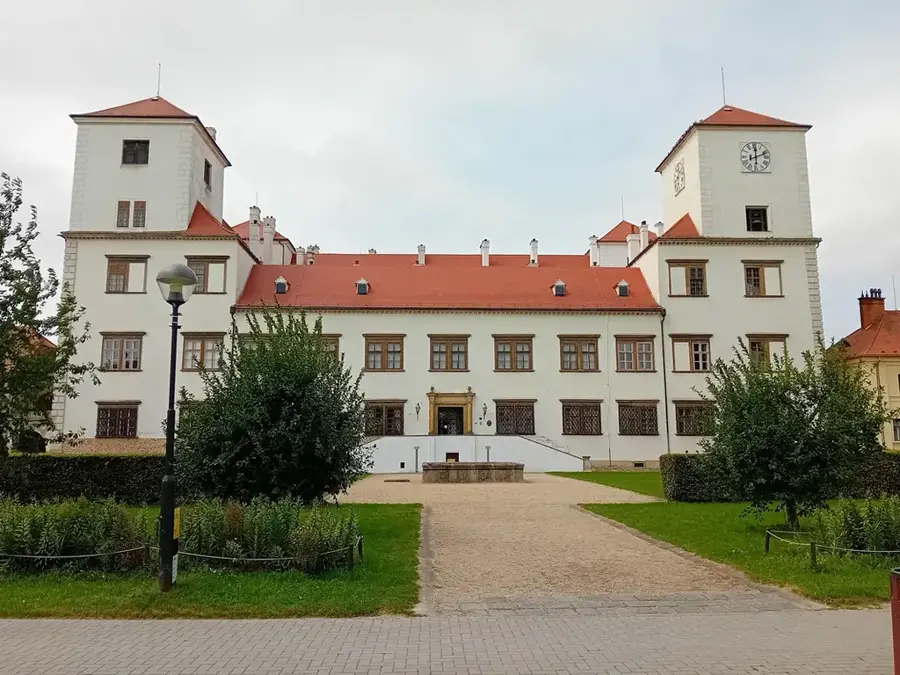
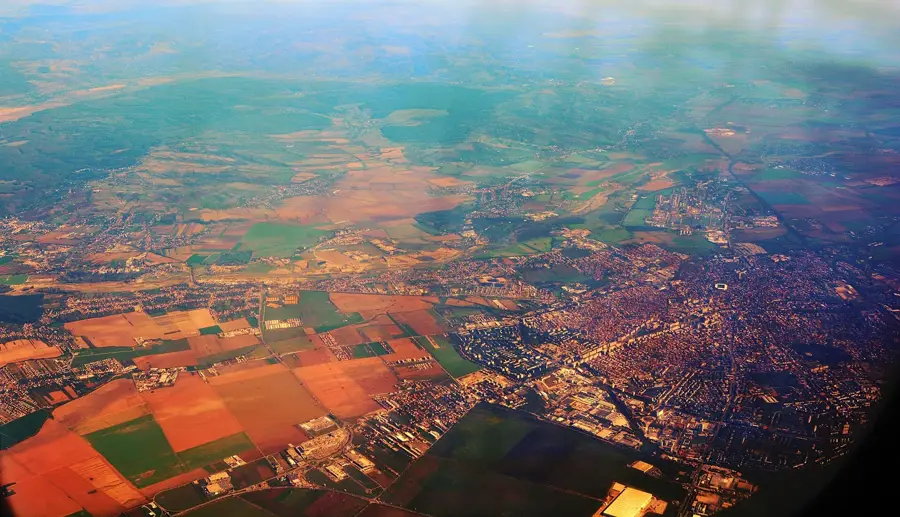
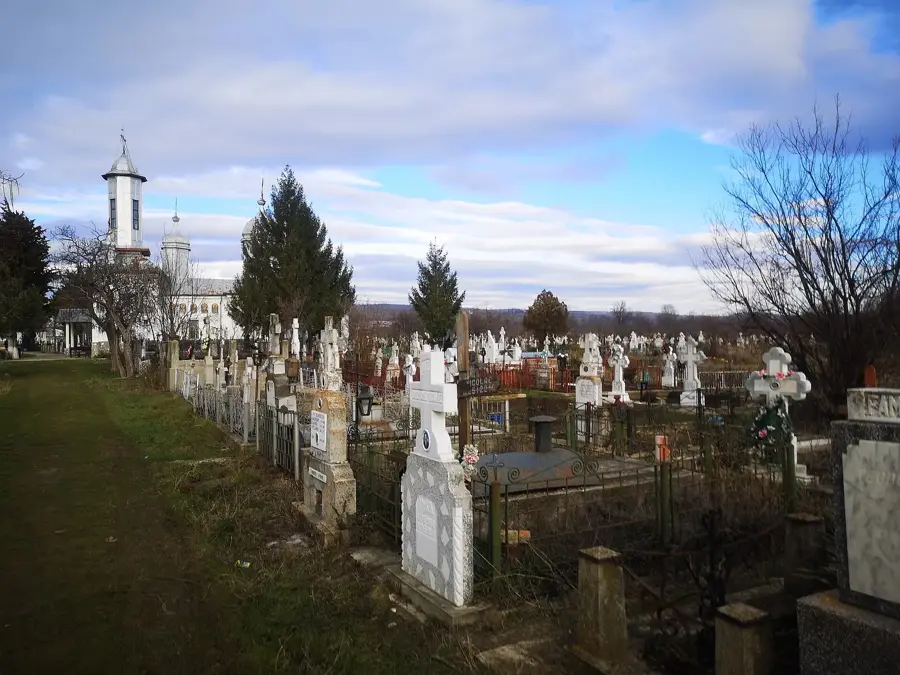
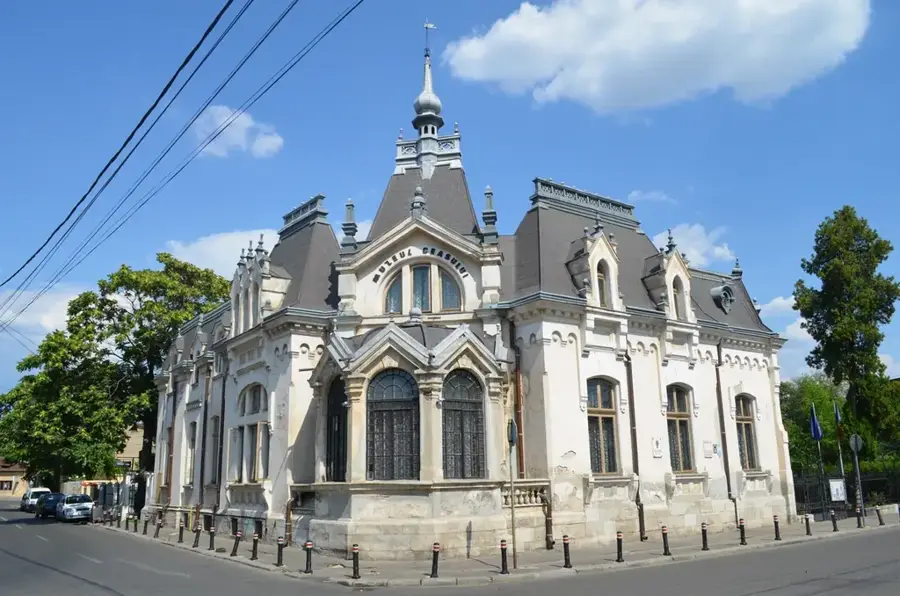
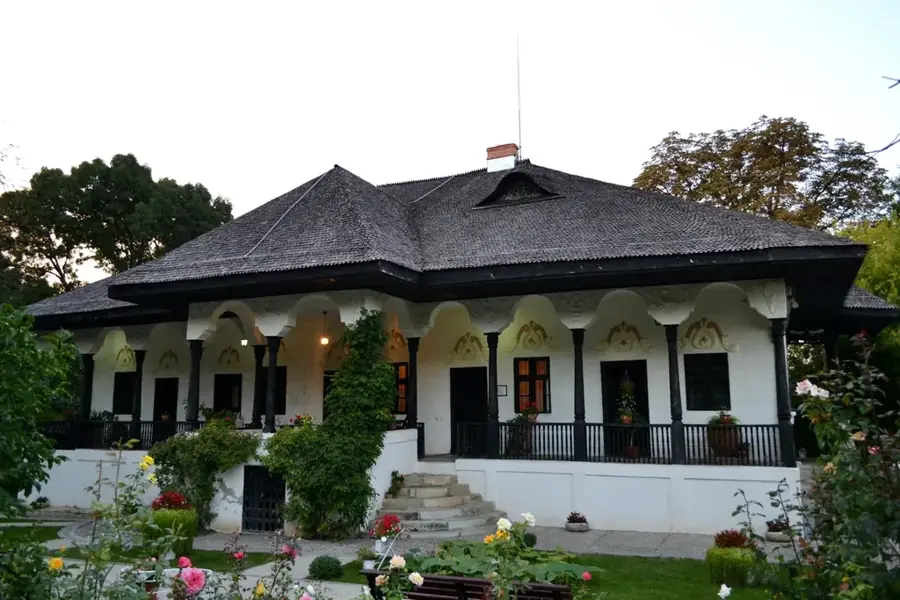
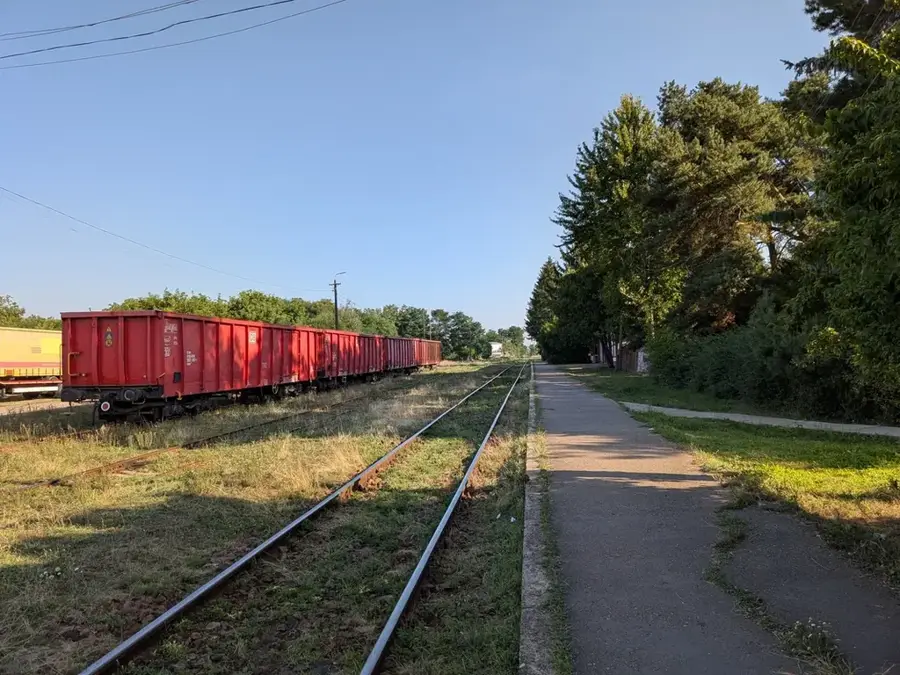
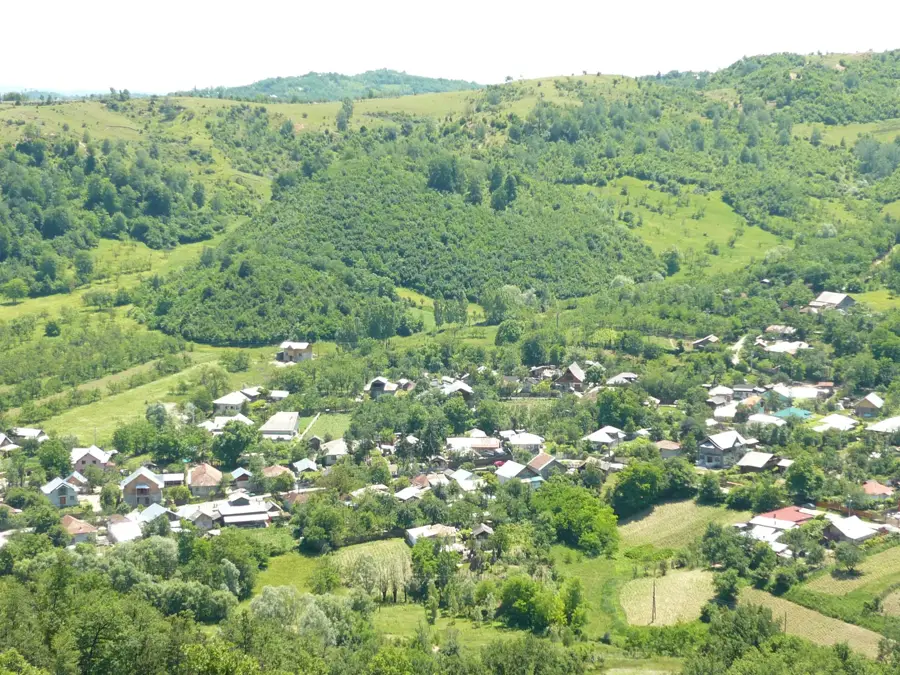
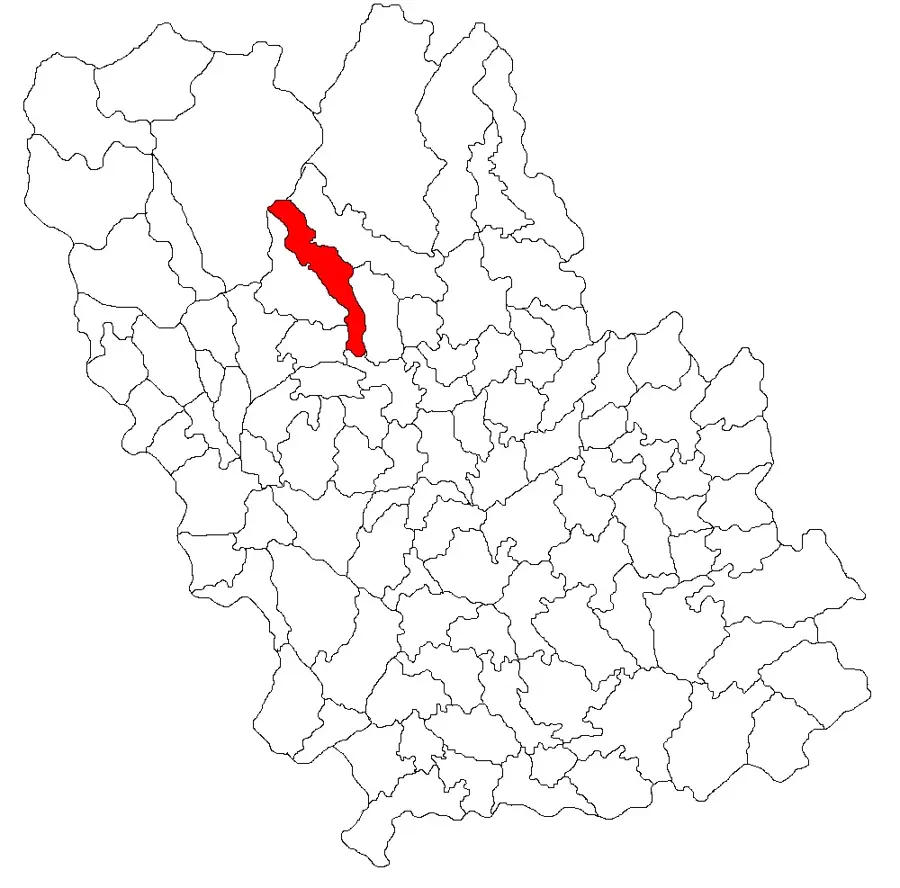
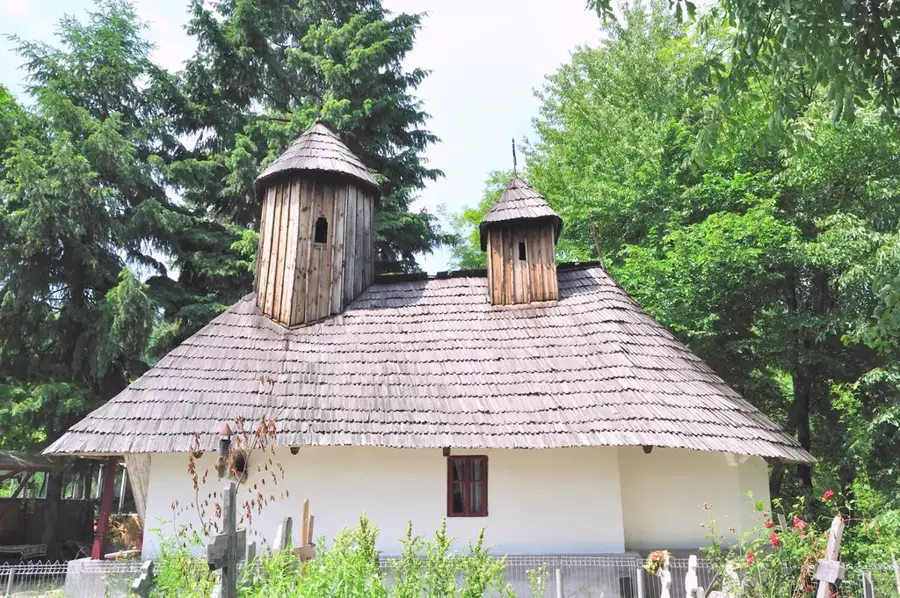
Drajna is a historically significant commune in Prahova County, located about 35 kilometers from Ploiești on the banks of the Teleajen River. The area's history stretches back to antiquity, as it hosts the remains of a 2nd-century Roman castrum built during Emperor Trajan's reign to defend the province of Dacia. Another major landmark is the Filipescu-Kretzulescu Mansion, a 19th-century architectural masterpiece surrounded by a lush dendrological park. Today, Drajna is also recognized as a climatic health resort, where the mild weather and exceptionally clean air are considered beneficial for respiratory health. The community takes pride in preserving traditional crafts, such as textile weaving and the carving of folk masks for winter celebrations. The local economy is based on agriculture, fruit growing, and an expanding agrotourism sector. Its rolling sub-Carpathian landscape has various hiking opportunities to nearby historical sites and natural viewpoints, blending ancient history with scenic beauty.
The most pleasant time to visit is Jun, Aug, Sep.
| Jan | Feb | Mar | Apr | May | Jun | Jul | Aug | Sep | Oct | Nov | Dec | |
|---|---|---|---|---|---|---|---|---|---|---|---|---|
| Avg °C | -2 | 0 | 5 | 11 | 17 | 21 | 24 | 24 | 18 | 12 | 6 | 0 |
| Rain mm | 40 | 34 | 39 | 47 | 70 | 89 | 75 | 52 | 52 | 58 | 42 | 46 |
Notable places around
Where do you start? We build the route here, with stops and country notes along the way.
© OpenStreetMap contributors · OpenRouteService
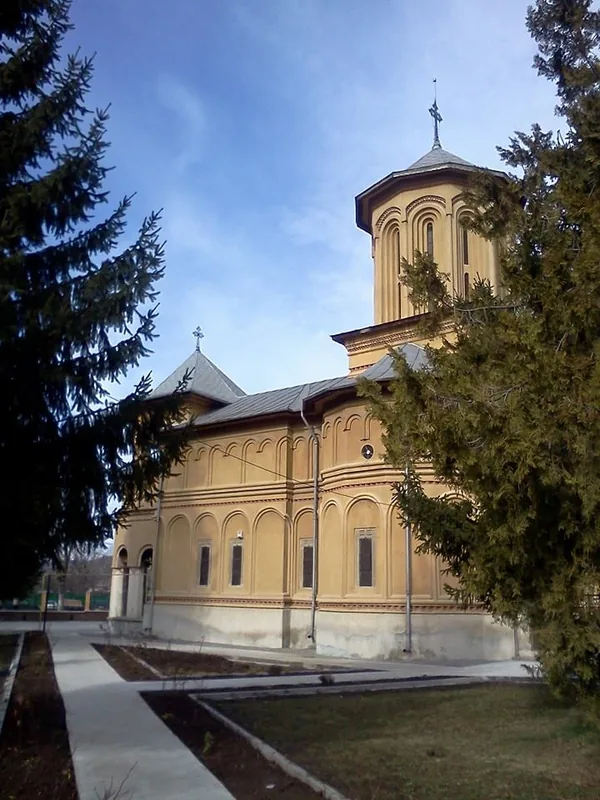
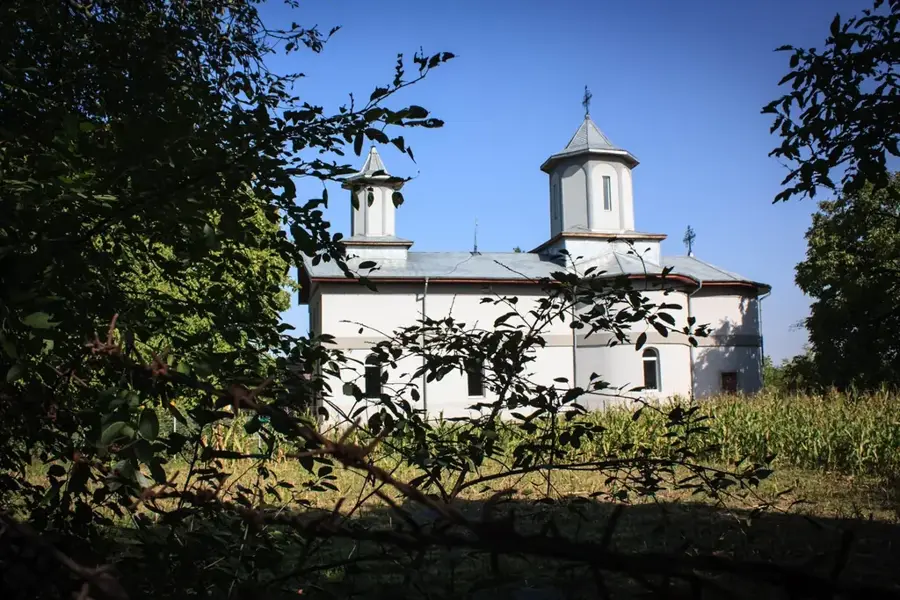
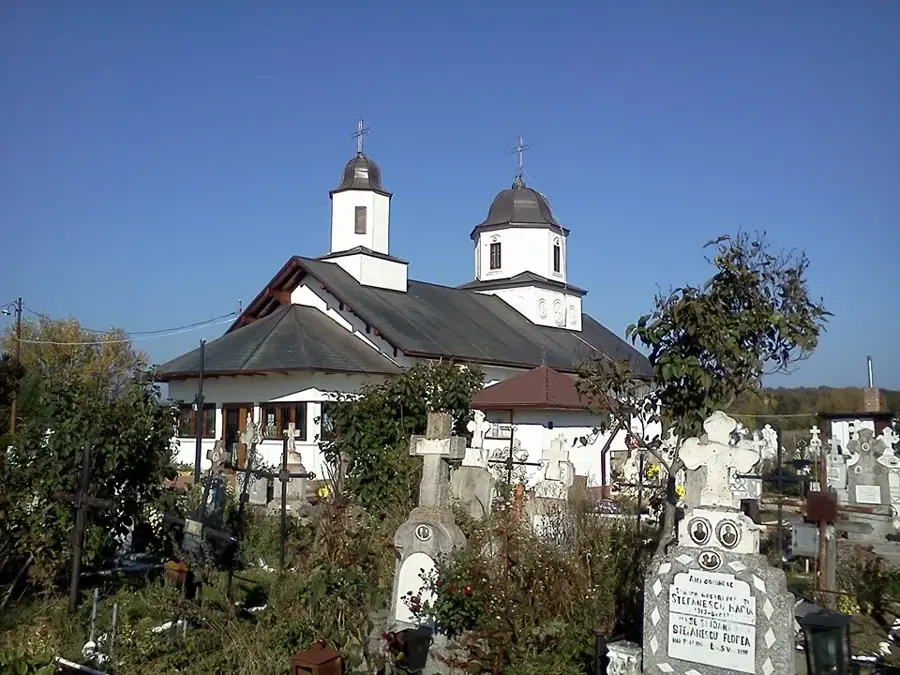
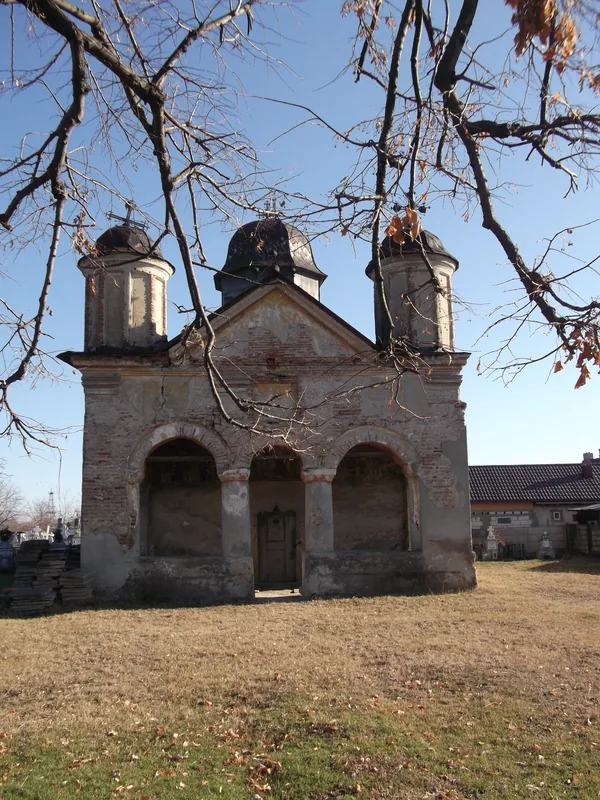
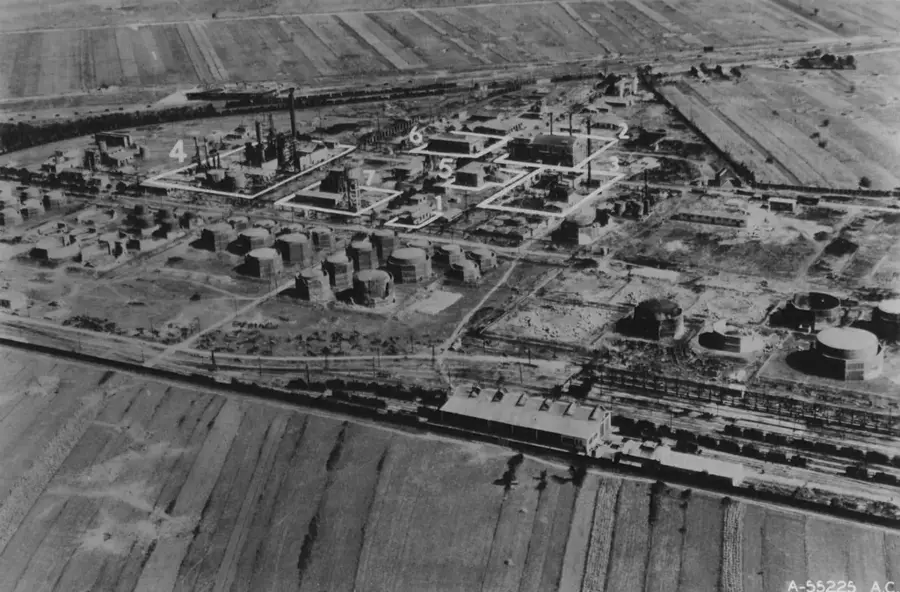
The morning in Drajna begins at the Heroes' Monument, followed by exploring the elegant Filipescu Mansion and the spiritual Saint Demetrius Church. At midday, a walk takes you to the Church of the Nativity of Mary, showcasing a different architectural style. The afternoon is dedicated to industrial history at the Warthiadi Watermill before you conclude the day with a relaxing, late lunch at a scenic guesthouse in the Teleajen Valley. In the evening, enjoy the tranquility of the rural surroundings.
The morning starts rainy at the monument, but Filipescu Mansion soon provides dry shelter in its historical halls. At noon, we seek refuge in the churches of Drajna, where the quiet interiors welcome us. In the afternoon, we brave the weather at the Warthiadi Mill under an umbrella. The evening ends cozily, warming up with a hearty meal in the Teleajen Valley.
On a cold winter morning, the monument looks particularly imposing in the frosty landscape. Filipescu Mansion offers welcoming warmth while touring the exhibits. At noon, a special silence fills the churches before we visit the snowy Warthiadi Mill. As the sun sets early, we enjoy dinner in the valley by candlelight and fireplace.
The bike tour starts at the Filipescu Mansion and quickly leads to the Warthiadi Watermill. In the morning, you'll climb the hill to the Roman fort, enjoying history and a fantastic view. After lunch nearby, you'll descend into the Teleajen Valley for a relaxing ride. In the afternoon, visit Saint Demetrius Church in the village center. The day concludes with a challenging climb up Cârlig Hill, rewarding you with a breathtaking sunset.
The bike tour starts briskly at the mansion, with waterproof gear being mandatory today. We cycle carefully towards the Warthiadi Mill on wet side roads. At noon, the Roman Fort of Drajna de Sus offers little shelter, so we move our break to a dry restaurant. In the afternoon, we pedal through the misty Teleajen Valley before ending at the church.
The winter tour requires good preparation against the cold at the mansion. We cycle to the Warthiadi Mill through frosty air, keeping warm on the inclines. The fort at Drajna de Sus offers a grand view of the snowy Carpathians. Since it gets dark early, we shorten the valley stay and reach the church in time for the sunset at Cârlig Hill.
Your car day starts in the north at the Roman fort and the nearby mill. In the morning, you drive to the center of Drajna, park, and explore the Filipescu Mansion and church on foot, followed by lunch. The afternoon is dedicated to nature: a drive to Cârlig Hill for panoramic views, then a relaxing walk in the Teleajen Valley. This route combines short drives with pleasant walks.
The journey starts safely in the car at the Roman fort while rain beats against the windshield. We use paved roads to reach Warthiadi Mill to avoid mud. At noon, we comfortably reach the center of Drajna and visit the churches while staying dry. In the afternoon, we take a scenic drive to Cârlig Hill, enjoying the view protected from the car.
In a heated car, we explore the frosty fort of Drajna de Sus. The drive to Warthiadi Mill offers great views of snow-covered fields. We park comfortably in the center for visiting the mansion and churches. The highlight is the scenic drive to Cârlig Hill in the warm light of the early sunset before ending the day in the valley.
Lookout points around Drajna providing spectacular views of the river valley and the surrounding Subcarpathian rolling hills.