Plizio Visual Lab
Dâmbovița Fortress
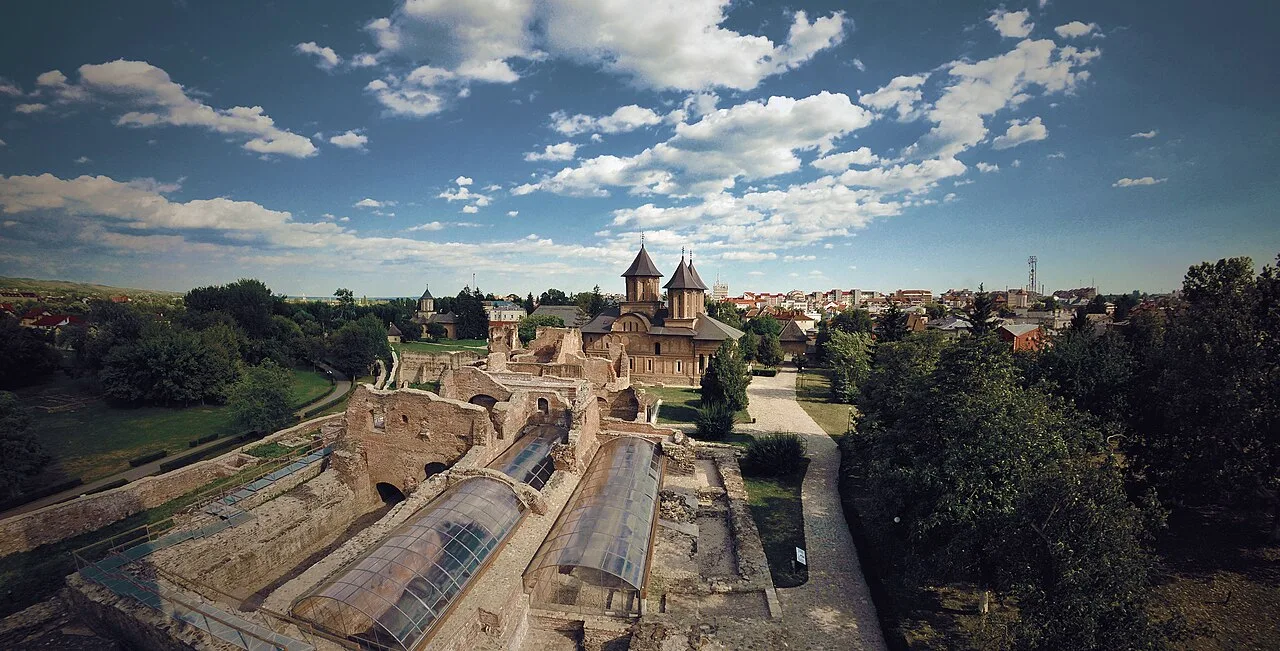
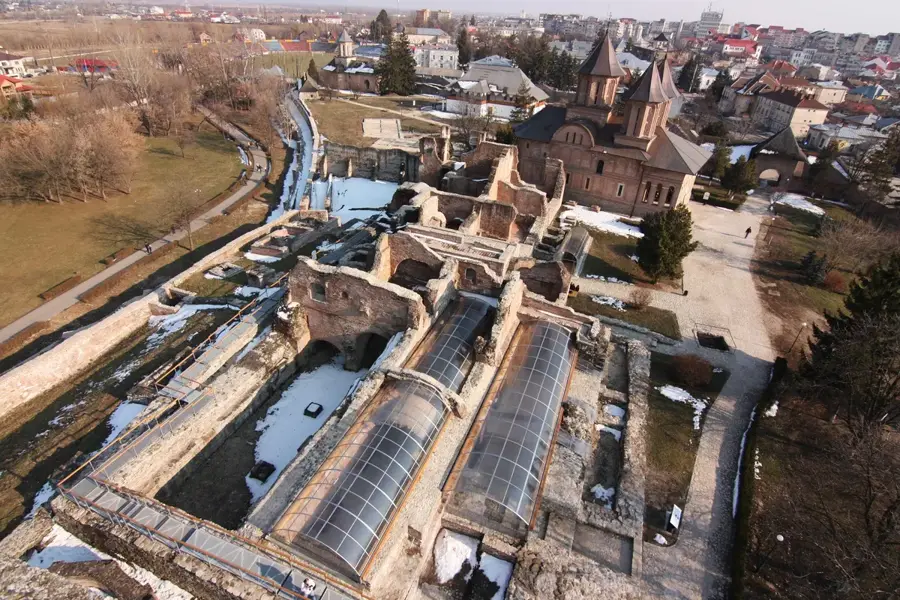
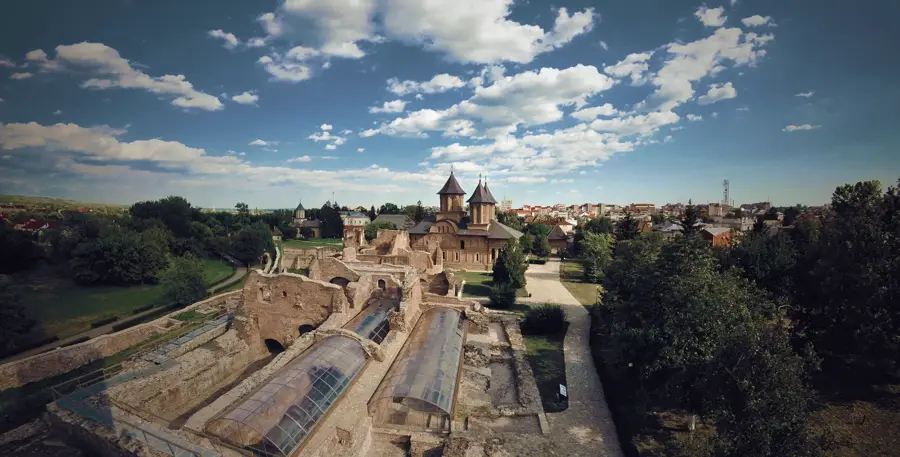
The Dâmbovița Fortress, widely known as Poenari Fortress, is located in Argeș County on a narrow ridge overlooking the Argeș River valley and the Transfăgărășan route. While its foundations date back to the 13th century, the fortress achieved historical prominence in the 15th century when Vlad the Impaler significantly expanded and fortified it as a strategic stronghold and refuge. Due to its dramatic position atop a steep cliff, the fortress was virtually impregnable and provided total surveillance over the Carpathian mountain passes. Accessing the ruins requires climbing over 1,400 concrete steps, highlighting the fortress's legendary inaccessibility. Although a severe earthquake in 1888 caused parts of the northern walls to collapse into the valley below, the remaining massive brick and stone structures still stand as a testament to Wallachian military engineering. Today, it is a global tourist destination for those exploring the historical origins of the Dracula legend and Romania's medieval past.
- Location: Dâmbovița, Romania
- Top sights: Constantin Basarab Brâncoveanu și fiii săi · Centrul Vechi · Primăria Muncipiului Târgoviște
- Nearby: Pucioasa (16 km)
Best time to visit & climate
The most pleasant time to visit is Jun–Aug.
| Jan | Feb | Mar | Apr | May | Jun | Jul | Aug | Sep | Oct | Nov | Dec | |
|---|---|---|---|---|---|---|---|---|---|---|---|---|
| Avg °C | -2 | 0 | 5 | 10 | 16 | 20 | 23 | 23 | 17 | 11 | 5 | 0 |
| Rain mm | 44 | 38 | 45 | 53 | 79 | 99 | 87 | 60 | 58 | 61 | 45 | 50 |
📋 Practical info
Geography
Facts
- Reaching the ruins requires climbing exactly 1,480 concrete steps.
- The fortress is situated at an altitude of approximately 850 meters above sea level.
- Vlad the Impaler ordered the fortification of the site in 1457.
- The enclosure walls measure up to 3 meters in thickness at their base.
- An earthquake in 1888 caused a significant portion of the northern wall to fall.
- The fortress was definitively abandoned by military forces in the 17th century.
Explore nearby
Notable places around


Route planner — Car & Motorhome
Where do you start? We build the route here, with stops and country notes along the way.
© OpenStreetMap contributors · OpenRouteService
Sights in the town Dâmbovița Fortress (10)
Centrul Județean de Cultură "Vasile Cârlova"
County culture center in Târgoviște, Romania. Theatre venue.
"Vasile Blendea" Museum🏛 museum
Museum in Târgoviște, Romania. Dedicated to artist Vasile Blendea.
Stelea Art Galleries🏛 museum
Art gallery in Târgoviște, Romania. Exhibitions.
Metropolitan Bishopric' Complex🏛 museum
Museum complex in Târgoviște, Romania. Displays religious art.
Complexul Muzeal Curtea Domnească
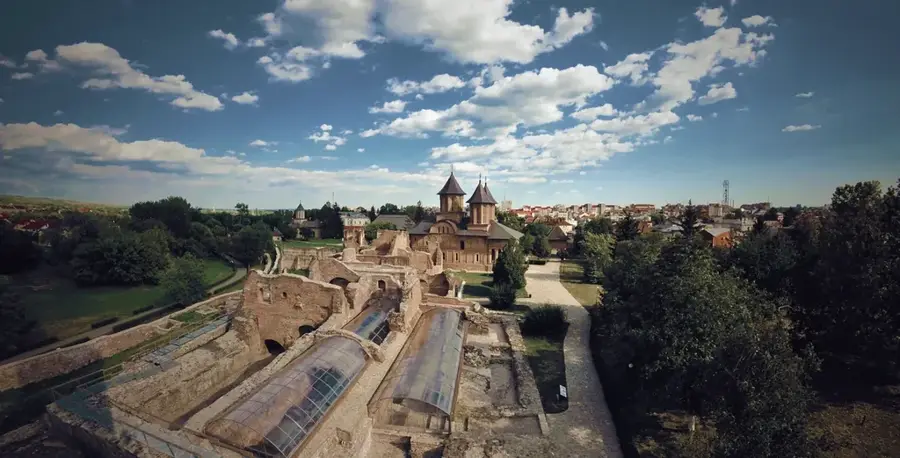
Archaeological site in Târgoviște, Romania. Ruins of the princely court.
Curtea Domnească
Princely court in Târgoviște, Romania. Historic ensemble.
Sights nearby
Frequently asked questions
Which fortress does the name 'Cetatea Dâmbovița' refer to?
Was it a residence of Vlad the Impaler?
What can be visited today on site?
When was the fortress destroyed?
Are there guided tours?
Dâmbovița Fortress: where is it located?
Dâmbovița Fortress: what is there to see?
Dâmbovița Fortress: when is the best time to visit?
Dâmbovița Fortress: why is it worth visiting?

Nearby cities
History & landmarks
More places