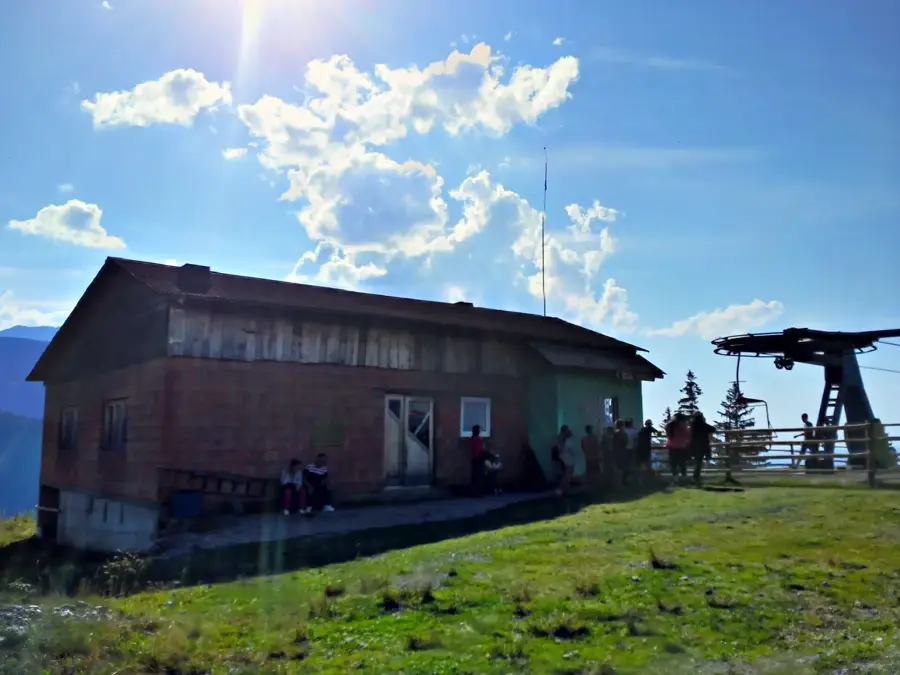
Mining Museum🏺 historical
An exhibition dedicated to the centuries-old tradition of ore extraction in the Rodna Mountains, featuring old tools and mineral collections.
🌐 complexulmuzealbn.ro🕒 unknown
Plizio Visual Lab
A traditional shepherd's dish made of cornmeal, cheese, and butter. Try it at local mountain guesthouses.
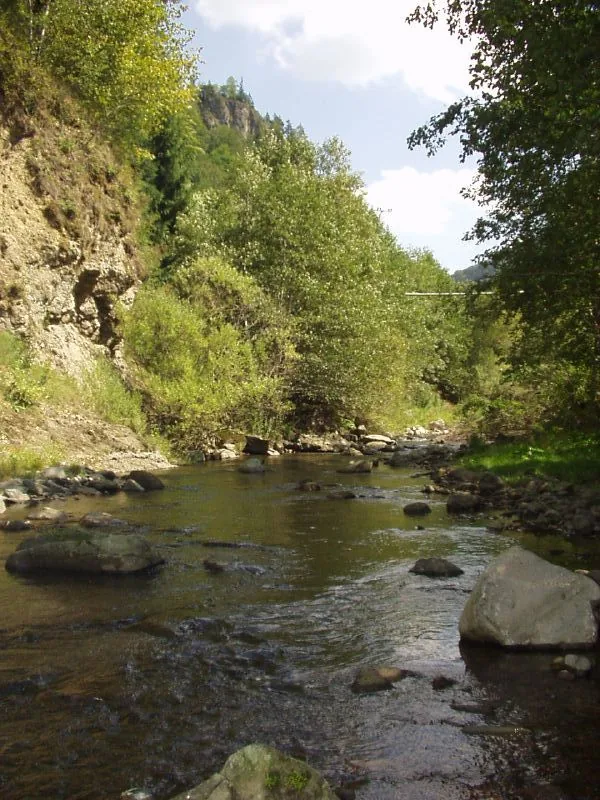
Fresh local trout, typically grilled or fried, often found in eateries near the mountain streams.
Savory fried dough filled with local cheese, an excellent quick snack from local bakeries.
Look for fresh Telemea and Cașcaval directly from nearby sheepfolds or local markets.
Traditional wool socks and sweaters handcrafted by local artisans make great souvenirs.
In late summer, locals often sell fresh berries and mushrooms by the main roads.
Peaceful spots for a relaxing walk just outside the bustling center.
The area around the old ruins features a quiet, historical atmosphere.
Water temperature…
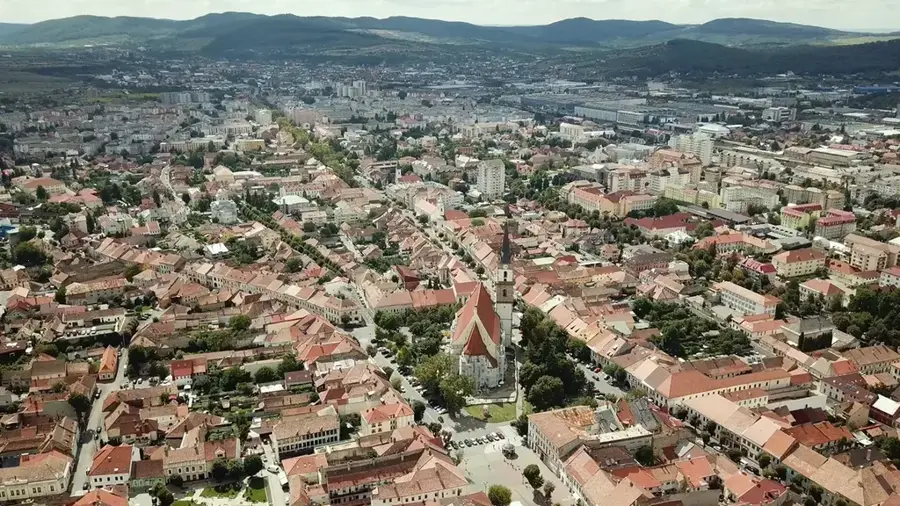
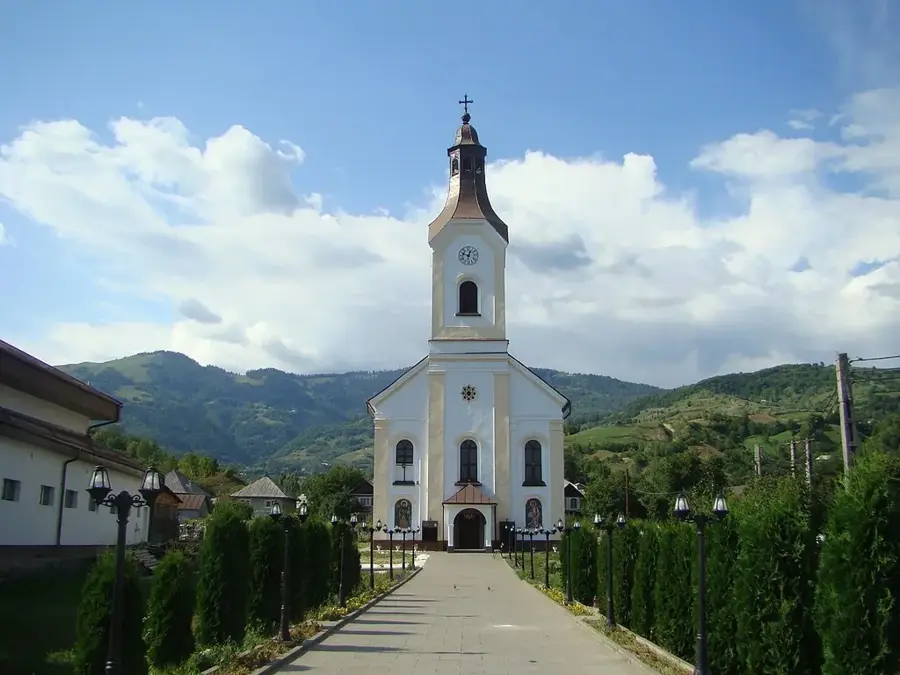
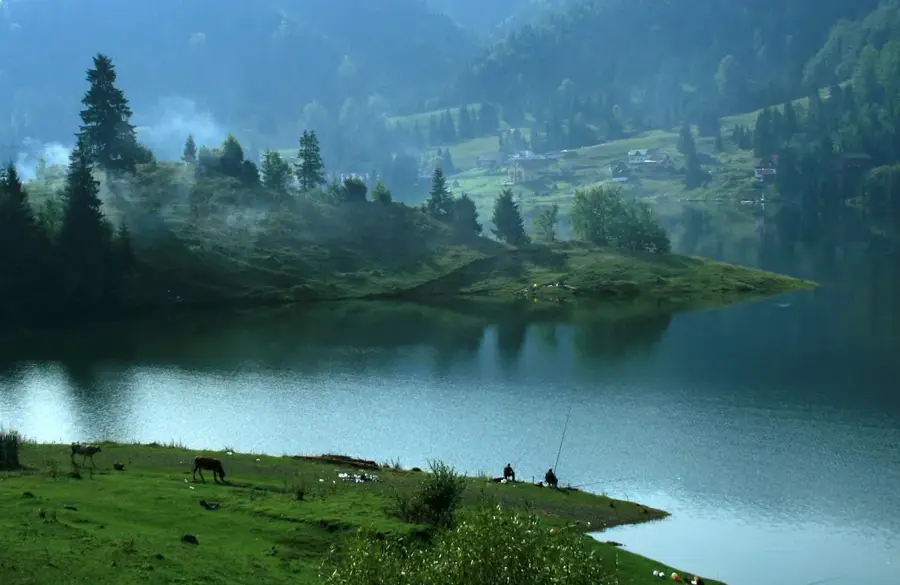
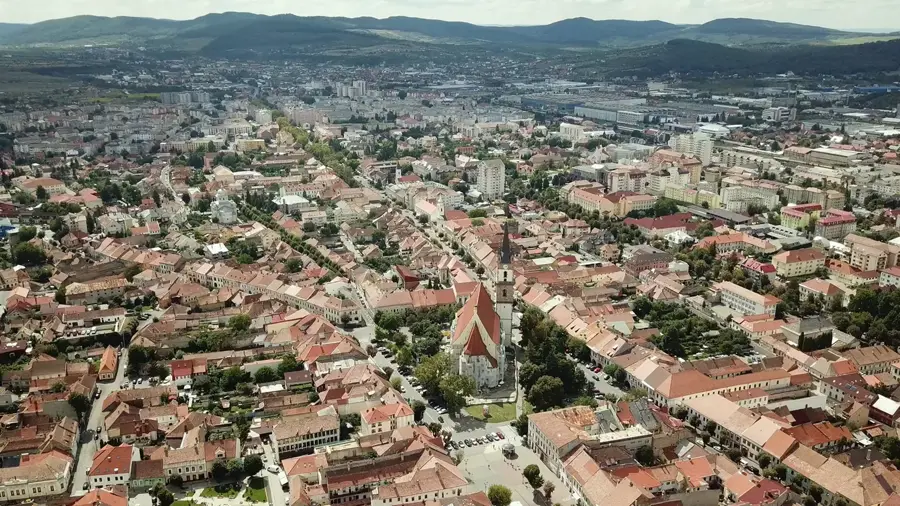
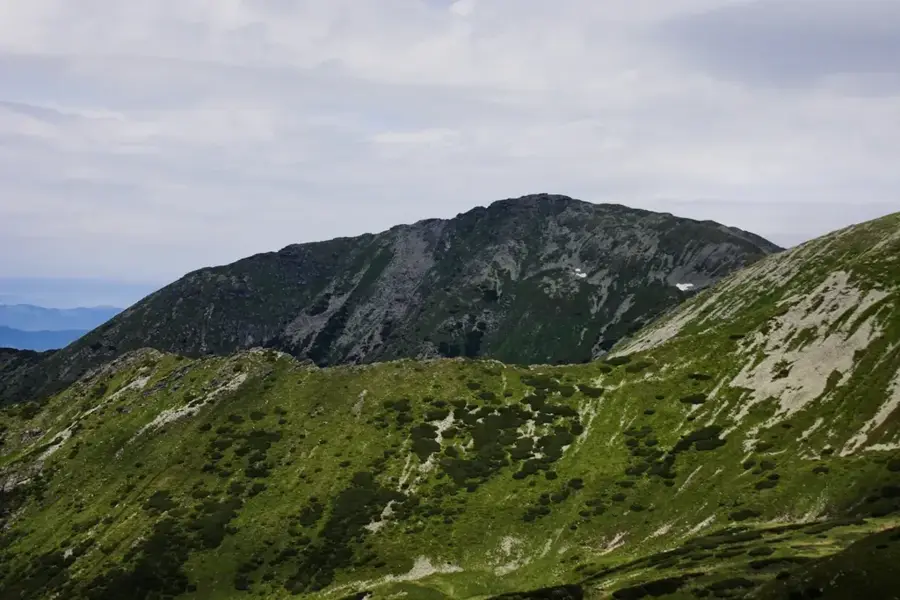
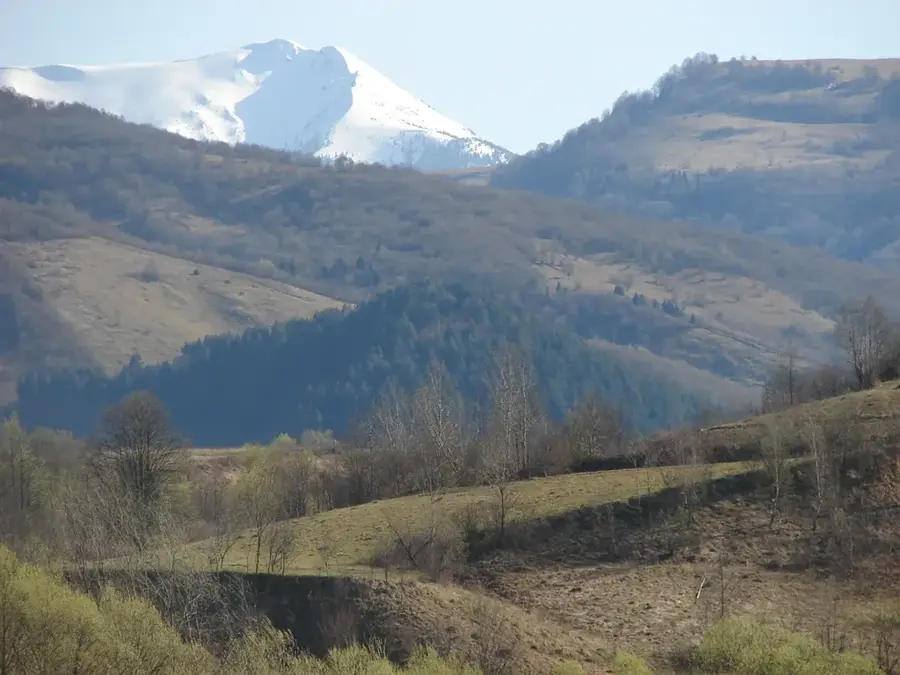
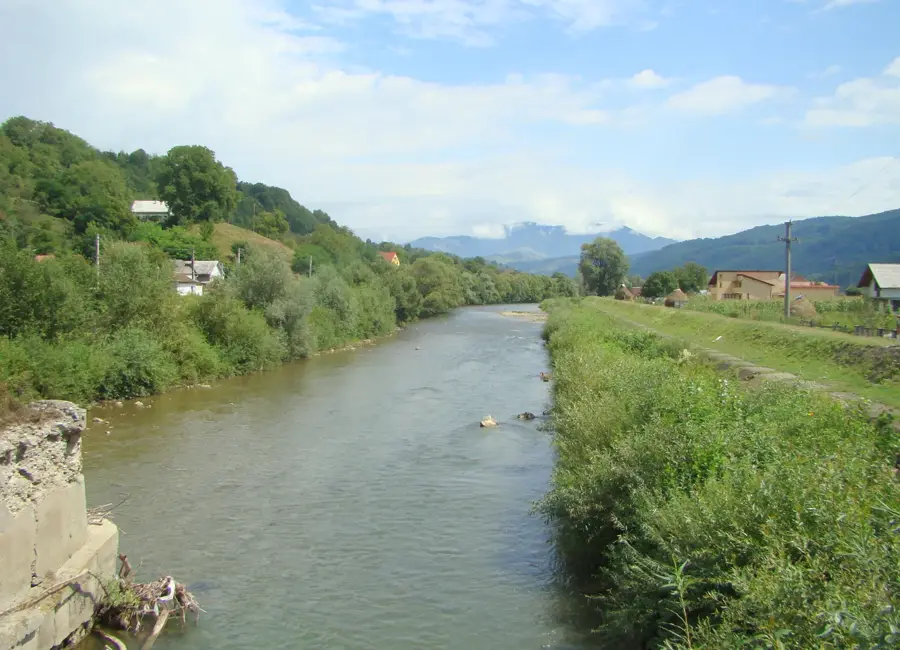
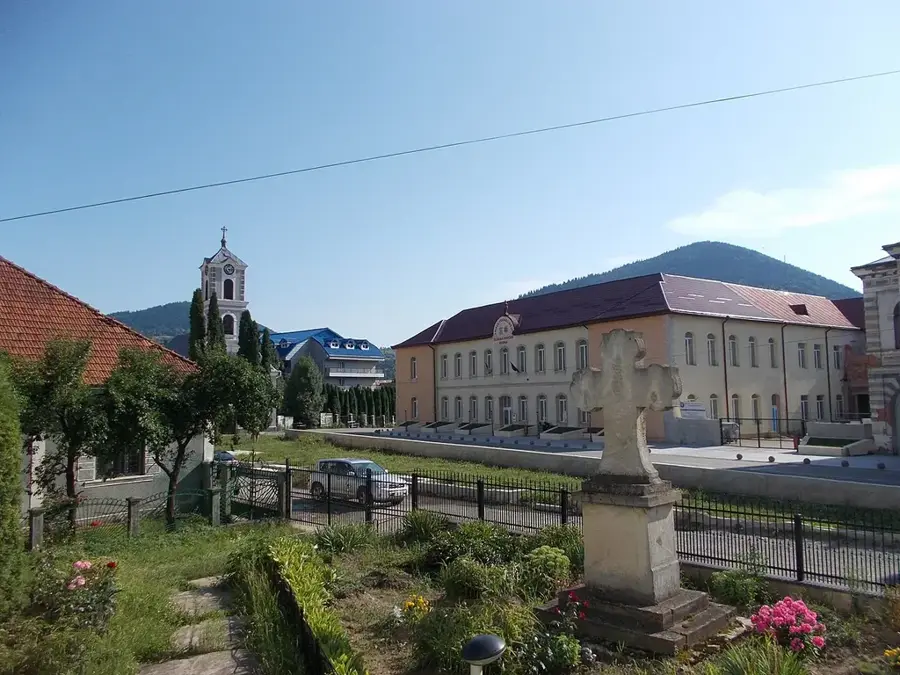
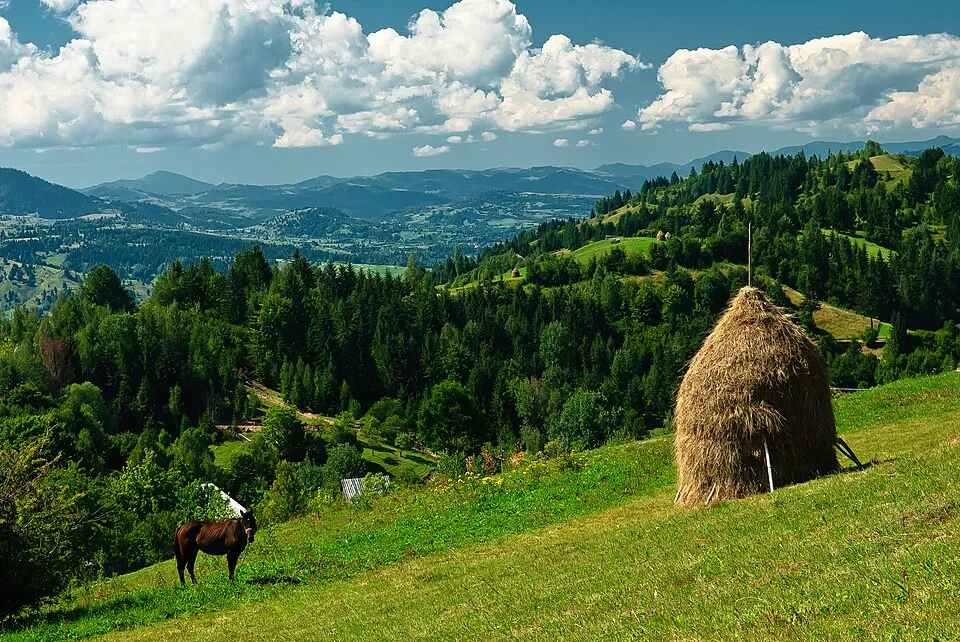
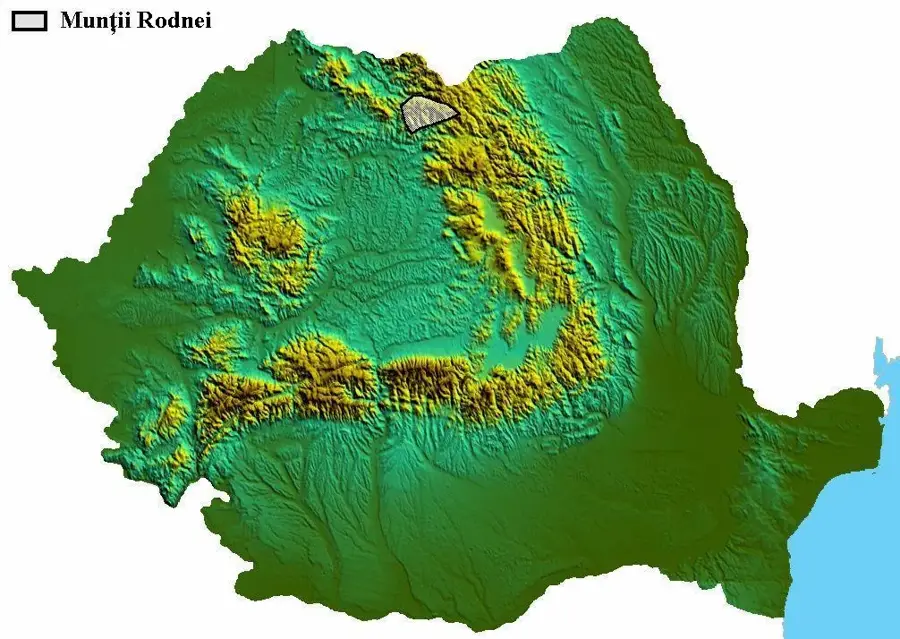
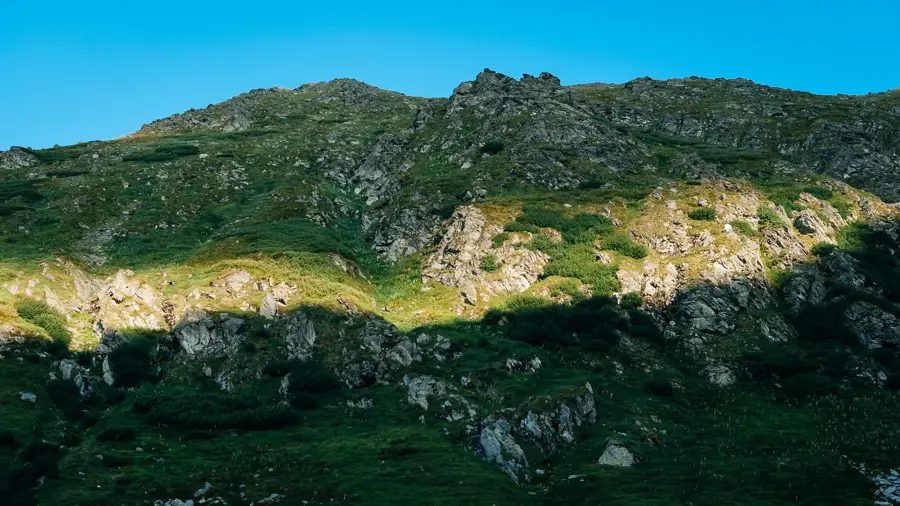
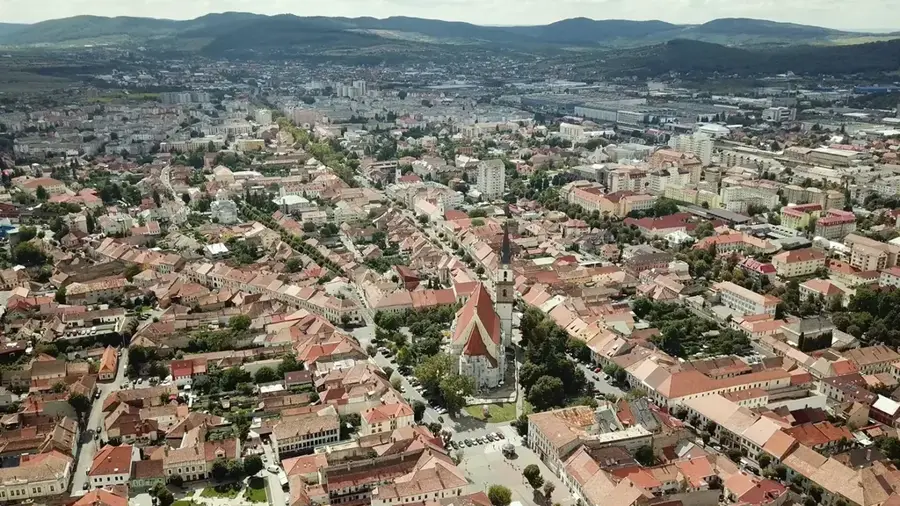
Rodna, located in the northern reaches of Bistrița-Năsăud County, is one of the most historically significant mountain settlements in the Eastern Carpathians. Its origins as a premier mining center for silver and lead date back to antiquity, leading to its status as a prosperous royal mining town during the Middle Ages. The settlement's trajectory was violently altered by the Mongol invasion of 1241, an event that nearly wiped out the population; today, the haunting ruins of the 13th-century Dominican cathedral stand as a stark reminder of that era's grandeur and tragedy. The influence of German (Saxon) settlers was pivotal in establishing the town's mining infrastructure and distinctive architectural style. Geographically, Rodna serves as the primary gateway to the Rodna Mountains National Park, home to the highest peaks in the Eastern Carpathians and numerous glacial lakes and waterfalls. The local economy has shifted from heavy mining to sustainable forestry and alpine tourism, as the area is a haven for hikers and naturalists. Despite modern changes, Rodna retains a deep connection to its multicultural roots, where Romanian, Saxon, and Hungarian influences converge in local folklore, crafts, and the resilient spirit of this historic gateway town.
The most pleasant time to visit is Jul–Sep.
| Jan | Feb | Mar | Apr | May | Jun | Jul | Aug | Sep | Oct | Nov | Dec | |
|---|---|---|---|---|---|---|---|---|---|---|---|---|
| Avg °C | -7 | -5 | -1 | 5 | 11 | 14 | 16 | 16 | 11 | 6 | 1 | -5 |
| Rain mm | 41 | 44 | 56 | 62 | 105 | 124 | 113 | 82 | 67 | 64 | 48 | 48 |
Notable places around
Where do you start? We build the route here, with stops and country notes along the way.
© OpenStreetMap contributors · OpenRouteService
An exhibition dedicated to the centuries-old tradition of ore extraction in the Rodna Mountains, featuring old tools and mineral collections.