Plizio Visual Lab

Sado Estuary Nature Reserve

Plizio editorial teamData Sources
wildlife
—°1
Sado Estuary Nature Reserve (Portugal)

Weather…

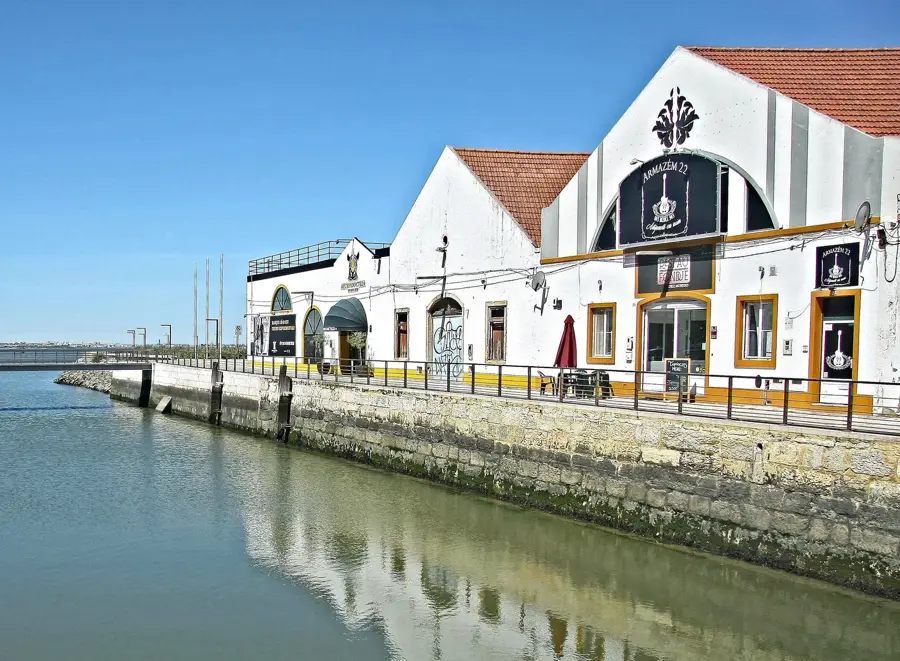
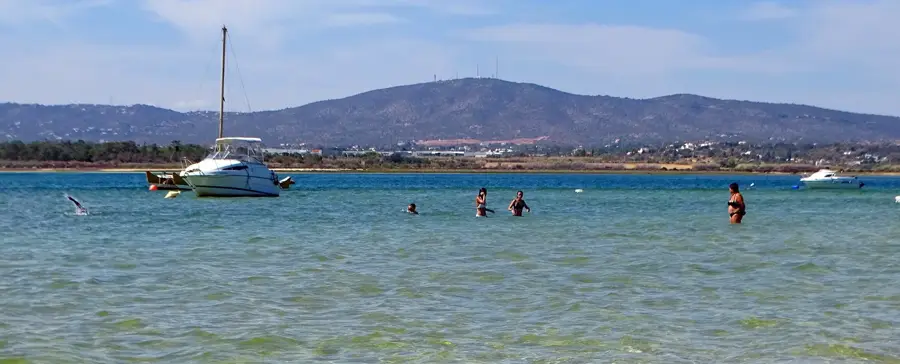
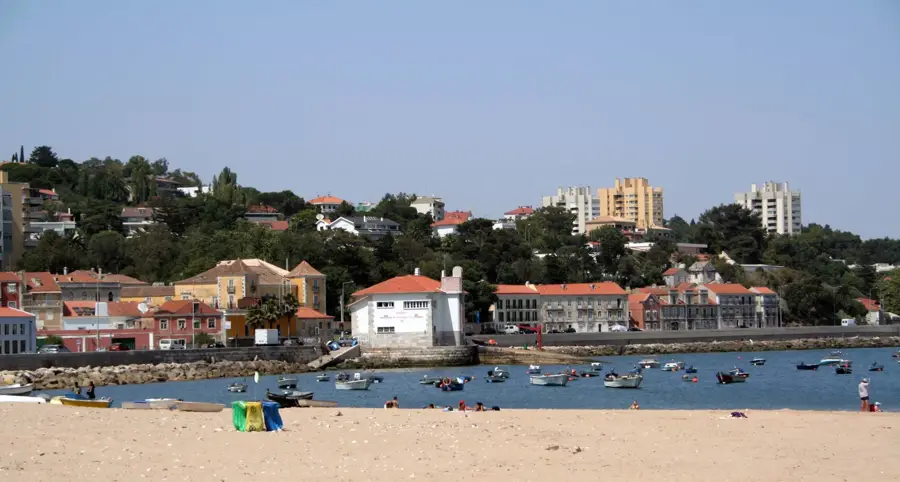
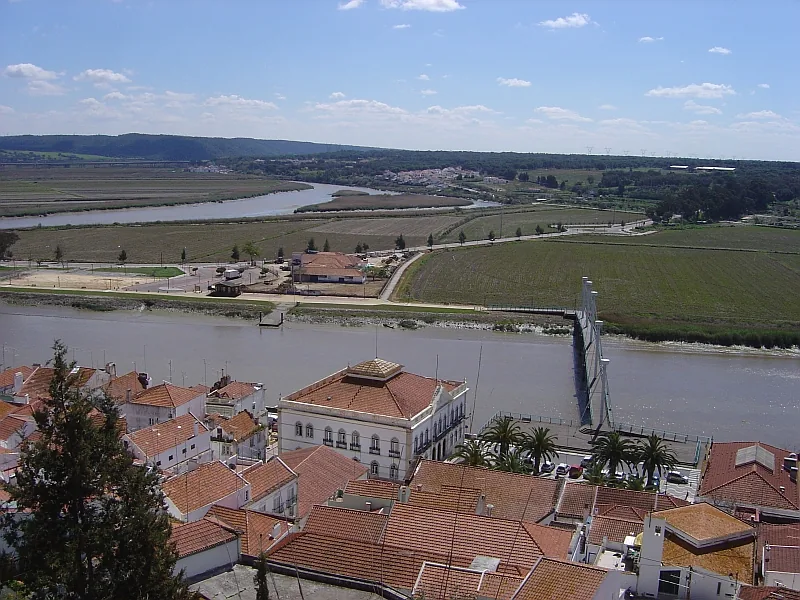
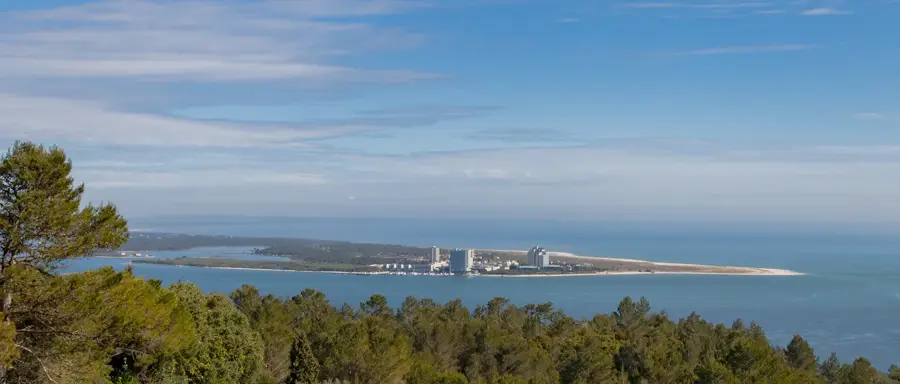
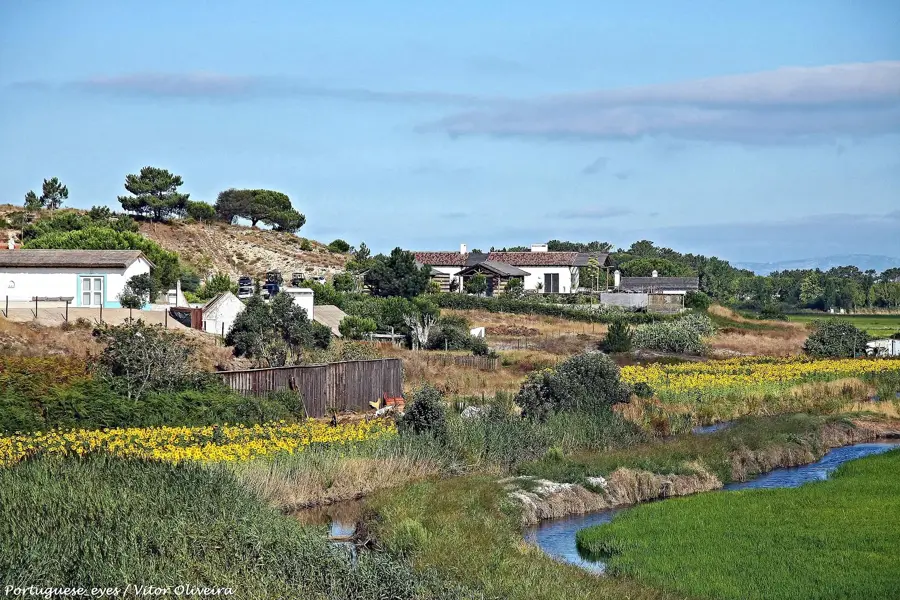
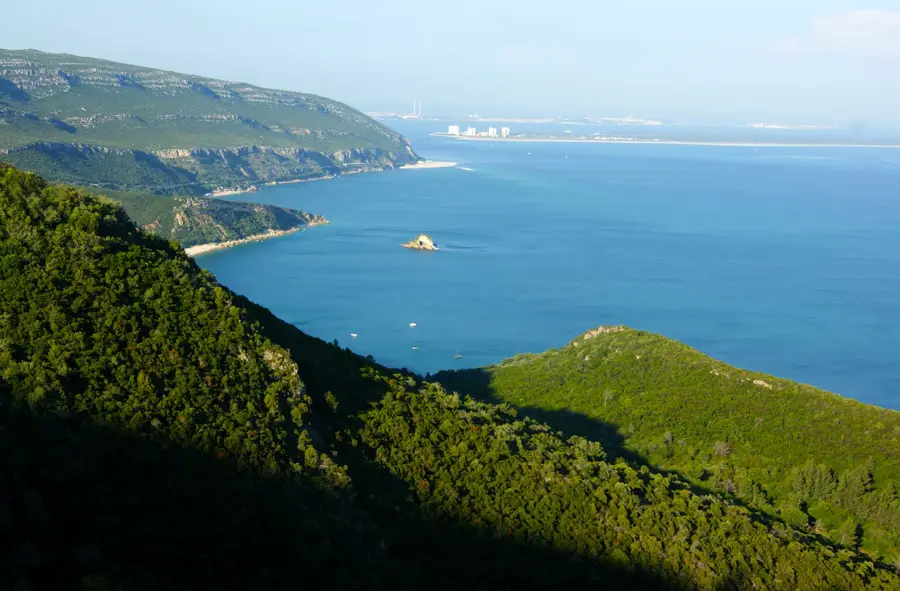
The Sado Estuary Nature Reserve near Setúbal is one of Portugal's most important wetlands. It includes salt marshes, mudflats, and dunes. The area is known for its population of dolphins living in the river. It hosts many bird species, including flamingos, storks, and sea eagles. Vegetation consists of halophytes and pine forests. The reserve was designated in 1980 and is part of the Natura 2000 network. There are observation towers and walking trails. Traditional fishing and rice cultivation are important. The area is also significant for oyster farming. The landscape is flat with channels. The climate is Mediterranean. The reserve is an important center for environmental education and research. Water quality is regularly monitored.

Best time to visit & climate

The most pleasant time to visit is Jun, Jul, Sep.

JanFebMarAprMayJunJulAugSepOctNovDec
Avg °C111113151822232422191411
Rain mm6051605434133528788661

📋 Practical info

📅
Best season
The best time to observe dolphins in the Sado Estuary is from April to October, when sightings are most frequent. In spring and summer the water is calmer and visibility is better.
🌅
Best time of day
Early morning boat trips offer the best chance to see dolphins, as the animals often hunt closer to the surface then. Late afternoon tours are also popular when the sun is lower.
📜
Etiquette
Keep a distance of at least 50 metres from the dolphins during the boat trip to avoid disturbing them. Do not feed or touch the animals; this can permanently impair their natural behaviour.
🎒
What to bring
Binoculars are very helpful to spot dolphins in the distance. A waterproof camera or phone with good zoom is recommended to capture the moments.
🧭
Getting there
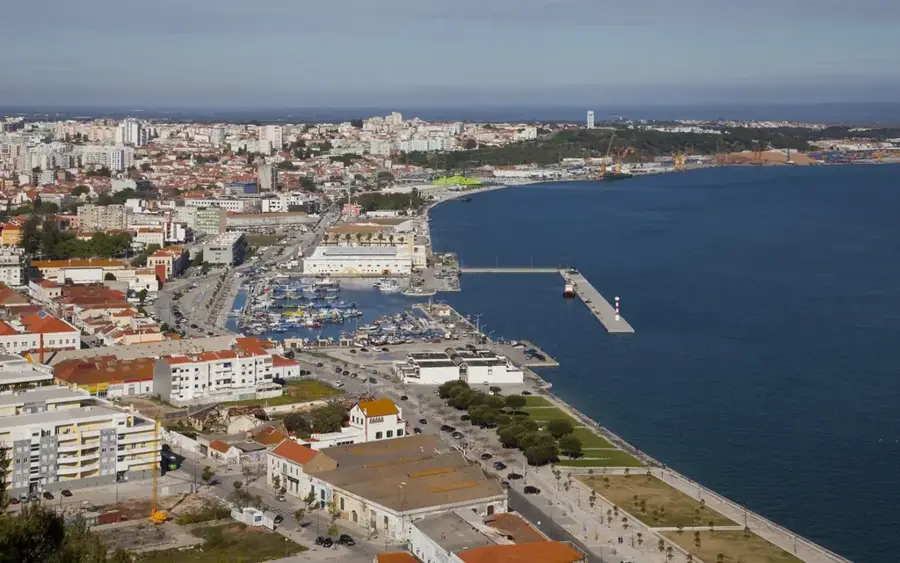
The Sado Estuary is located near the city of Setúbal, about 50 km south of Lisbon. Most dolphin-watching tours depart from the port of Setúbal or the Tróia peninsula.
🦌
What to expect
Dolphins are wild animals - there is no guarantee of seeing them, though chances are high in this area. Plan at least two hours for the boat trip and enjoy the scenery.

Geography

Coordinates
38.45000, -8.76670

Facts

  • The reserve covers 23,000 hectares.
  • The dolphin population consists of about 30 individuals.
  • Over 250 bird species have been recorded.
  • The maximum water depth is 15 meters.
  • Rice fields cover 1,000 hectares.
  • Annual oyster production is 50 tons.

Explore nearby

Notable places around

Route planner — Car & Motorhome

Where do you start? We build the route here, with stops and country notes along the way.

Vehicle
Only stops with (optional):

© OpenStreetMap contributors · OpenRouteService

Sights in the town Sado Estuary Nature Reserve (1)

Estuario do Sado Nature Reserve🌿 nature

An important nature reserve in the Sado River estuary, known for its dolphins.

🕒 24/7

Sights nearby

Frequently asked questions

Can you really see dolphins here?
Yes, the Sado is home to one of Europe's few sedentary groups of bottlenose dolphins.
What is the best way to observe the dolphins?
Special boat tours for dolphin watching are offered from Setúbal or Troia.
What other animals live in the Sado estuary?
The area is rich in birds, including flamingos, ospreys, and white storks.
Are there beaches there?
Yes, the Troia peninsula features kilometers of fine sand beaches right at the estuary.
Do you have to pay for the nature reserve?
Access to the grounds is free; boat tours and some guided hikes have a fee.
Sado Estuary Nature Reserve: where is it located?
Sado Estuary Nature Reserve is located in Portugal.
Sado Estuary Nature Reserve: when is the best time to visit?
The most pleasant time to visit is Jun, Jul, Sep.
Sado Estuary Nature Reserve: why is it worth visiting?
The Sado Estuary Nature Reserve near Setúbal is one of Portugal's most important wetlands.
View on map → The Top 50 Attractions → Most beautiful beaches → OpenStreetMap →
Europe
Explore with Plizio Discover more places in Europe
More places in Portugal →

Nearby cities

History & landmarks