Plizio Visual Lab
Gouveia Mining Zone
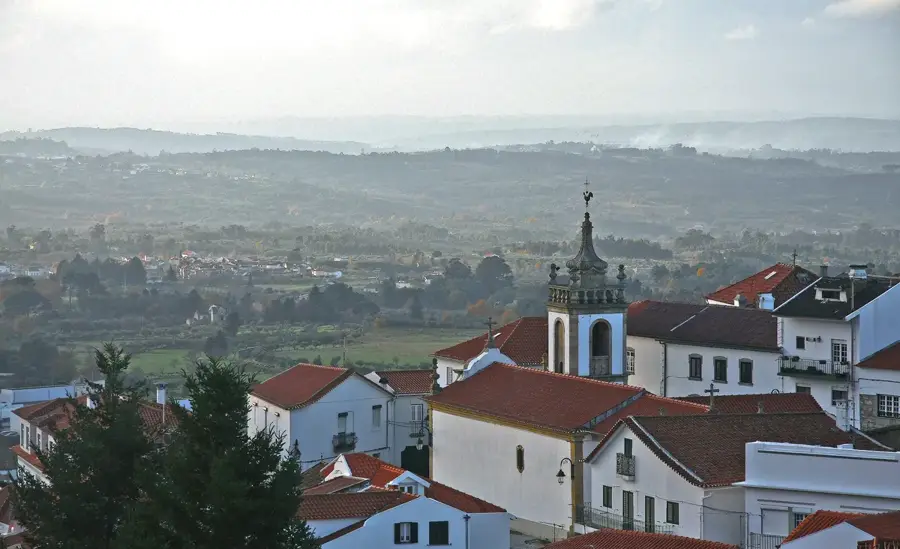
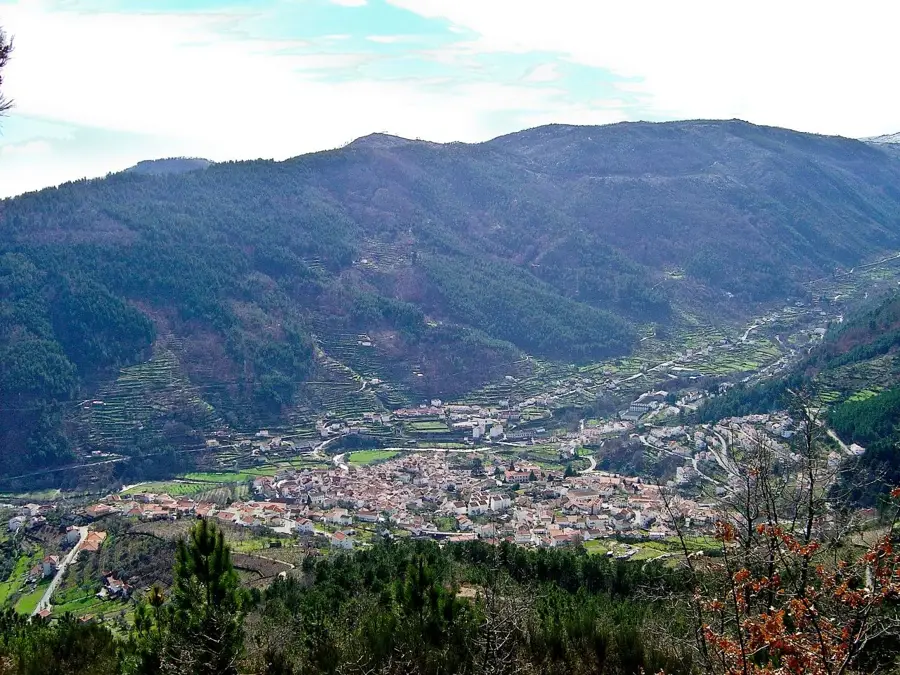
The Gouveia mining zone played a crucial role in the industrial development of the Beira Alta region during the 20th century. Particularly during World War II, the area experienced an unprecedented boom due to the extraction of tungsten (wolfram), which was strategically vital for the armaments industry across Europe. In addition to tungsten, mines around Gouveia produced tin and other ores, attracting thousands of workers from all over the country. The decline of mining activities in the 1980s forced the town to undergo a significant economic restructuring. Today, many former mining sites are subjects of environmental remediation projects or serve as industrial monuments documenting the era's technological progress. Gouveia has successfully pivoted toward light industry and ecological tourism, while still utilizing its geological resources for specialized niche applications. The history of mining remains a core component of local identity and has permanently shaped the social fabric of the community. Modern research is currently investigating the potential for extracting rare earth elements from old mine tailings.
- Location: Portugal
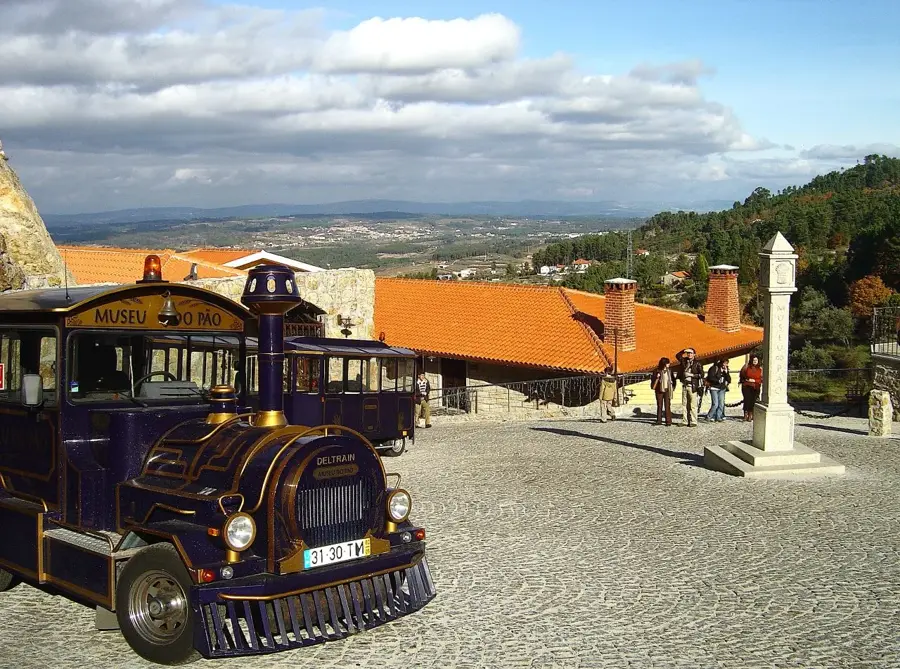
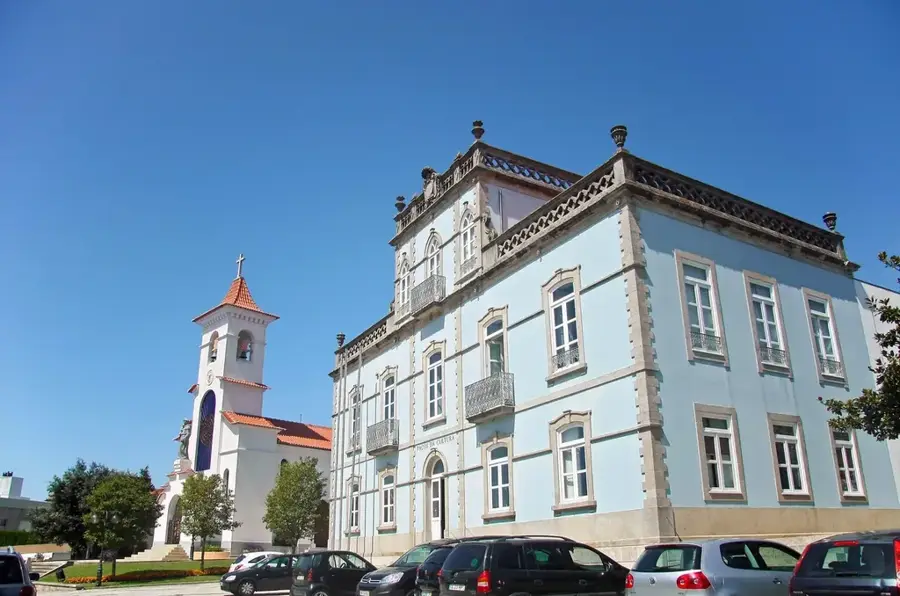
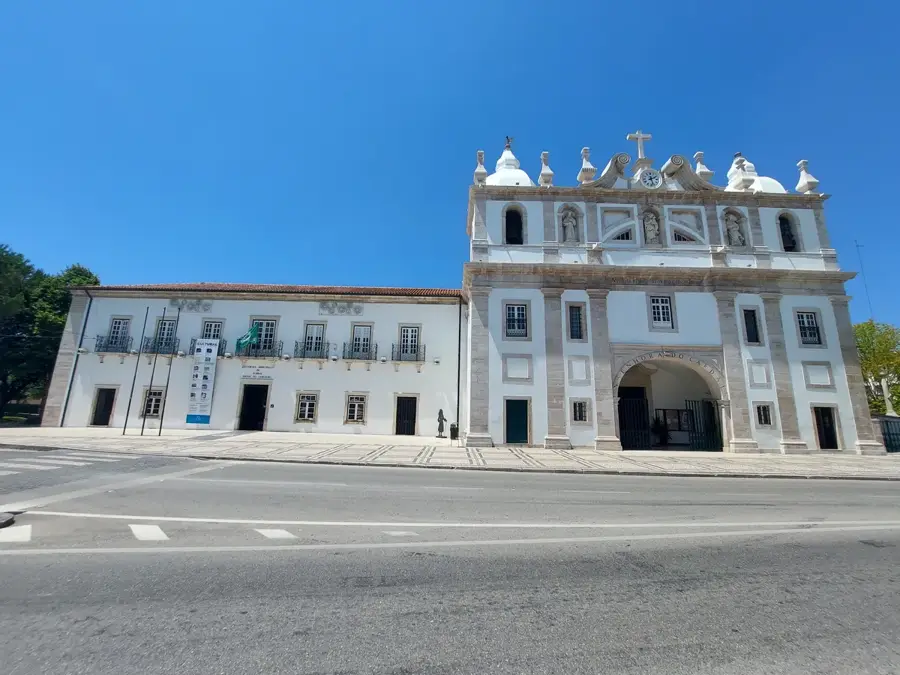
- Top sights: Museu a Miniatura Aurtomóvel · Câmara Municipal de Gouveia · Pelourinho de Gouveia
- Nearby: Belmonte (26 km)
Best time to visit & climate
The most pleasant time to visit is Jun–Aug.
| Jan | Feb | Mar | Apr | May | Jun | Jul | Aug | Sep | Oct | Nov | Dec | |
|---|---|---|---|---|---|---|---|---|---|---|---|---|
| Avg °C | 5 | 6 | 8 | 11 | 15 | 19 | 22 | 22 | 19 | 14 | 8 | 6 |
| Rain mm | 140 | 105 | 118 | 102 | 62 | 31 | 12 | 20 | 48 | 146 | 140 | 129 |
📋 Practical info
Geography
Facts
- Gouveia was a primary location for tungsten production during WWII.
- Tin has been mined in the region since ancient times.
- The mining boom led to a massive influx of population in the 1940s.
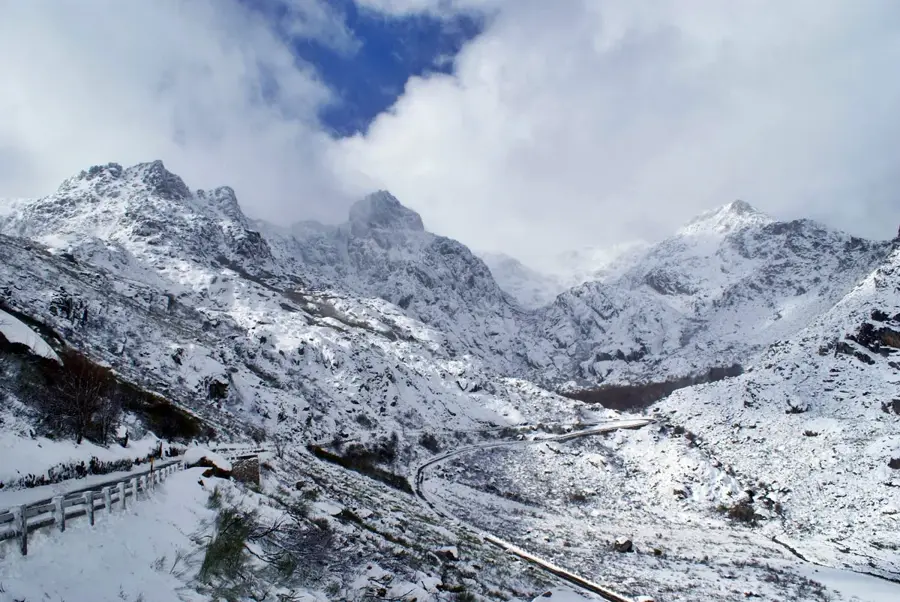
- The region's geology is defined by the Serra da Estrela granite massif.
- Former mining sites are now utilized for educational and geological tourism.
- The closure of the major mines occurred between 1982 and 1985.
Explore nearby
Notable places around
Route planner — Car & Motorhome
Where do you start? We build the route here, with stops and country notes along the way.
© OpenStreetMap contributors · OpenRouteService
Sights in the town Gouveia Mining Zone (7)
Convento de São Francisco⛪ monastery
Franciscan convent in Gouveia, a former 17th-century religious house.
Parque Ecológico de Gouveia
Ecological park in Gouveia, housing native animal species and nature trails.
Museu da Aldeia de São Paio🏛 museum
Village museum in Gouveia, showcasing traditional life in the region.
Sights nearby
Frequently asked questions
Are there active mines in Gouveia?
What ores were formerly mined here?
Can you visit old mining facilities?
Is there a mining museum nearby?
How did mining shape Gouveia?
Gouveia Mining Zone: where is it located?
Gouveia Mining Zone: what is there to see?
Gouveia Mining Zone: when is the best time to visit?
Gouveia Mining Zone: why is it worth visiting?

Nearby cities
History & landmarks