Plizio Visual Lab
Dom Pedro Bridge
Plizio editorial teamData Sources
bridge
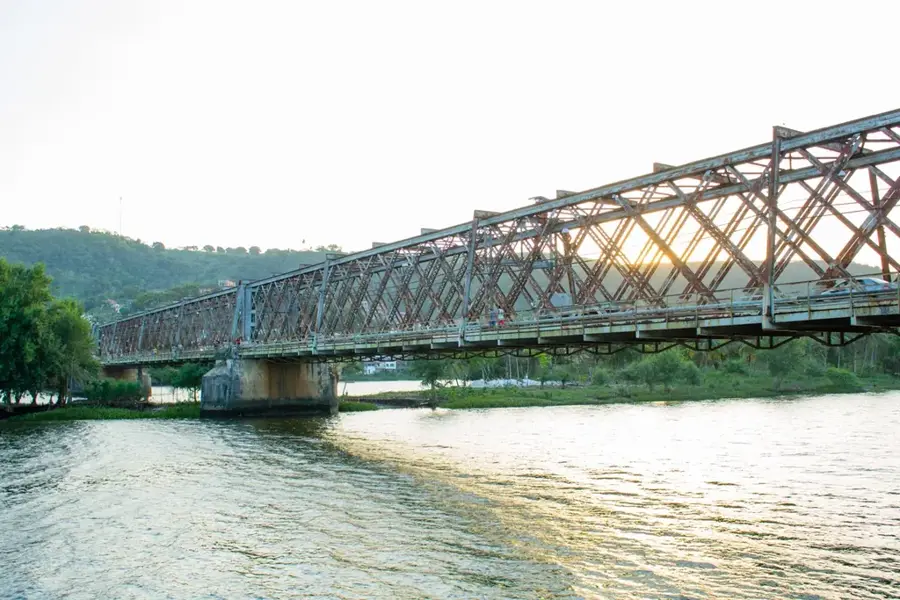
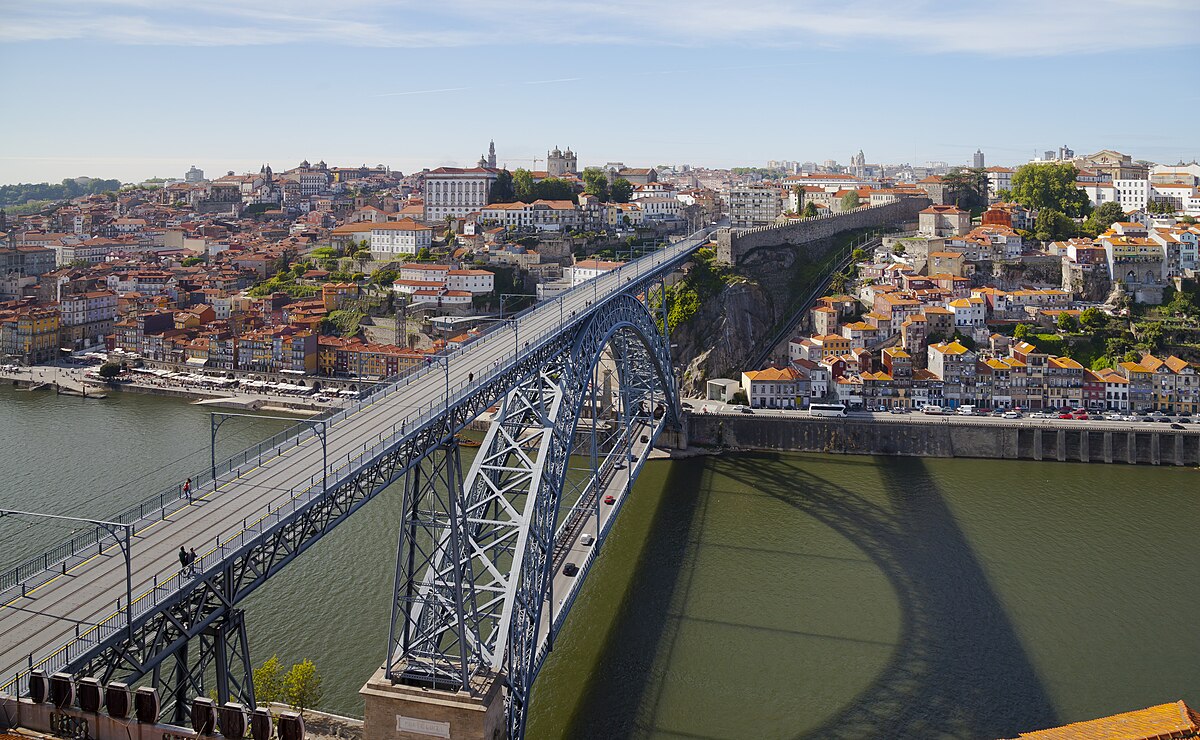
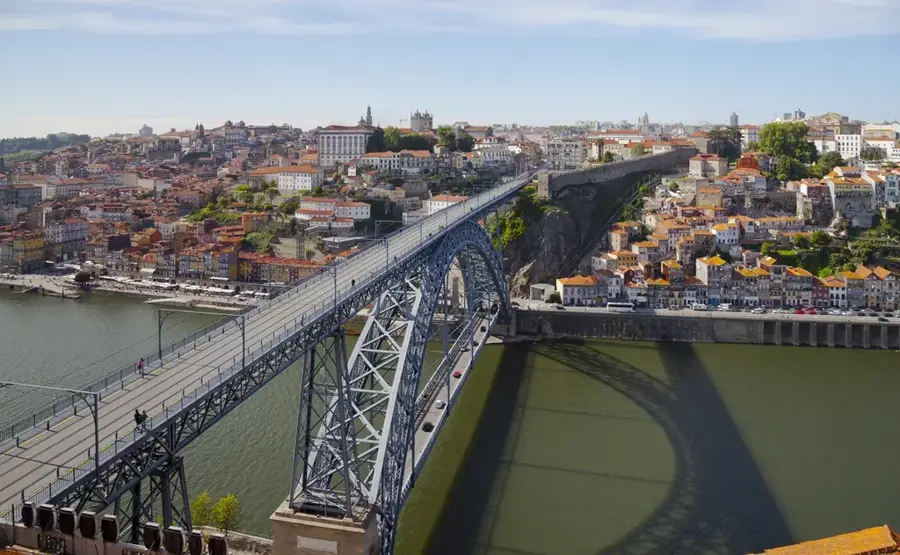
The Dom Luís I Bridge in Santarém, often associated with the name of Dom Pedro V, is a historic lattice girder bridge spanning the Tagus River and one of Portugal's most significant 19th-century engineering feats. Inaugurated in 1881, the bridge replaced an outdated pontoon bridge, securing the vital link between Santarém and the southern part of the country. Stretching over 1,200 meters in length, it was one of the longest iron bridges in Europe at the time of its opening. The structure consists of massive iron girders resting on stone pillars, serving as an impressive example of industrial architecture from that era. Although named after King Luís I, the initiative for its construction began under his predecessor, Dom Pedro V. The bridge continues to play a central role in regional transport and stands as a major symbol of the modernization of Portuguese infrastructure in the 19th century. It gives a magnificent view of the city of Santarém perched on a hill above the river.
- Location: Portugal
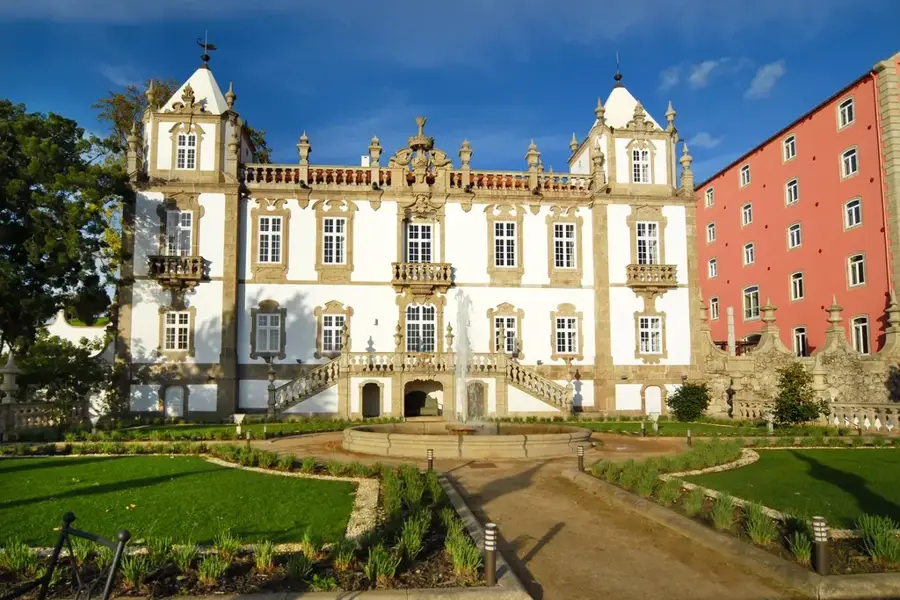
- Top sights: Igreja do Terço · Palácio dos Marqueses de Abrantes · Teatro Nacional São João
- Nearby: Gondomar (6 km)
Best time to visit & climate
The most pleasant time to visit is Jul–Sep.
| Jan | Feb | Mar | Apr | May | Jun | Jul | Aug | Sep | Oct | Nov | Dec | |
|---|---|---|---|---|---|---|---|---|---|---|---|---|
| Avg °C | 11 | 11 | 12 | 14 | 16 | 18 | 20 | 20 | 19 | 17 | 13 | 11 |
| Rain mm | 138 | 97 | 112 | 91 | 60 | 32 | 13 | 22 | 49 | 137 | 137 | 122 |
📋 Practical info
Visiting
The Dom Pedro Bridge in Porto is a public railway and pedestrian bridge that can be crossed at any time. It connects the two banks of the Douro and is freely accessible.
Typical hours
The bridge is open 24/7 for pedestrians. Trains run on schedule, but the pedestrian walkway is always accessible.
Photography
The bridge gives spectacular views over Porto and Gaia, convenient for panoramic photography. Best photographed at sunset for golden light conditions.
Time needed
A pedestrian crossing over the bridge takes about 10 to 15 minutes. For photos and enjoying the view, allow 20 to 30 minutes.
Combine with
The bridge connects Porto with Vila Nova de Gaia, where the Port wine cellars can be visited. The Ribeira riverside promenade in Porto is also directly accessible.
Getting there
The bridge is reachable on foot from the Ribeira in Porto in a few minutes. Alternatively, take the metro to São Bento station and walk down.
Insider tip
Walk across the bridge to Gaia and enjoy a glass of Port wine with a view of Porto. The sunset from the bridge is wide-open.
Geography
Facts
- 1,213 meters is the total length of the bridge.
- 1881 was the year it was solemnly inaugurated.
- 10,000 tons of iron were used in its construction.
- Tagus (Tejo) is the river crossed by the bridge at Santarém.
- Dom Pedro V initiated the planning for this permanent bridge.
- 7 main sections make up the iron lattice structure.
Explore nearby
Notable places around
Route planner — Car & Motorhome
Where do you start? We build the route here, with stops and country notes along the way.
Vehicle
Only stops with (optional):
© OpenStreetMap contributors · OpenRouteService
Sights in the town Dom Pedro Bridge (10)
União das Freguesias de Cedofeita, Santo Ildefonso, Sé, Miragaia, São Nicolau e Vitória - Polo da Sé
Administrative office of the parish union in Porto.
🌐 uf-centrohistoricodoporto.pt🕒 Mo-Fr 09:00-13:00,14:00-17:00
Muralhas Fernandinas (troço da Rua da Madeira)
Section of Porto's medieval city wall.
Antiga Fábrica de Máquinas Agostinho Ricon Peres
Former machine factory in Porto.
Vista sobre a Torre dos Clérigos
Viewpoint overlooking the Clérigos Tower.
Palacete Campos Navarro🏰 castle
Historicist townhouse in Porto.
Igreja de Santo Ildefonso
18th-century church in Porto.
Arqueossítio da Rua de Dom Hugo
Archaeological excavation site in Porto.
Sights nearby
Frequently asked questions
Where is this bridge located?
The bridge is located in Chaves and crosses the Tâmega River; it is an important Roman monument.
Can cars drive on the bridge?
No, today it is a pedestrian-only bridge to preserve the historic Roman-era structure.
How old is the bridge?
It was completed at the end of the 1st century AD under Emperor Trajan.
Are there inscriptions on the bridge?
Yes, there are two Roman milestones with inscriptions honoring emperors on the bridge.
Can I visit the bridge for free?
Yes, access to the bridge is free and open at all times for everyone.
Dom Pedro Bridge: where is it located?
Dom Pedro Bridge is located in Portugal.
Dom Pedro Bridge: what is there to see?
Highlights include Igreja do Terço, Palácio dos Marqueses de Abrantes, Teatro Nacional São João.
Dom Pedro Bridge: when is the best time to visit?
The most pleasant time to visit is Jul, Sep.
Dom Pedro Bridge: why is it worth visiting?
The Dom Luís I Bridge in Santarém, often associated with the name of Dom Pedro V, is a historic lattice girder bridge spanning the Tagus River and one of Portugal's most significant 19th-century engineering feats.

Explore with Plizio
Discover more places in Europe
More places in Portugal →
Nearby cities
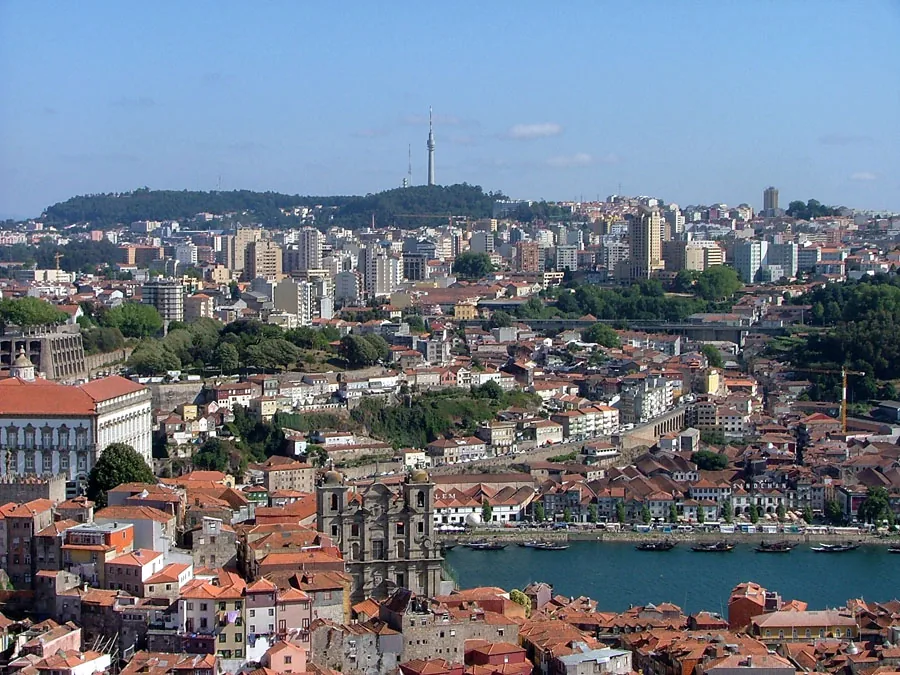
Vila Nova de Gaia
This city is located opposite Porto on the southern bank of the Douro.
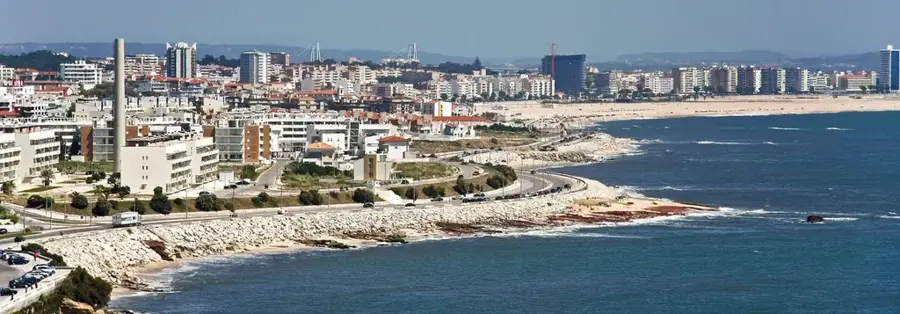
Figueira da Foz
This coastal city is located at the mouth of the Mondego River.
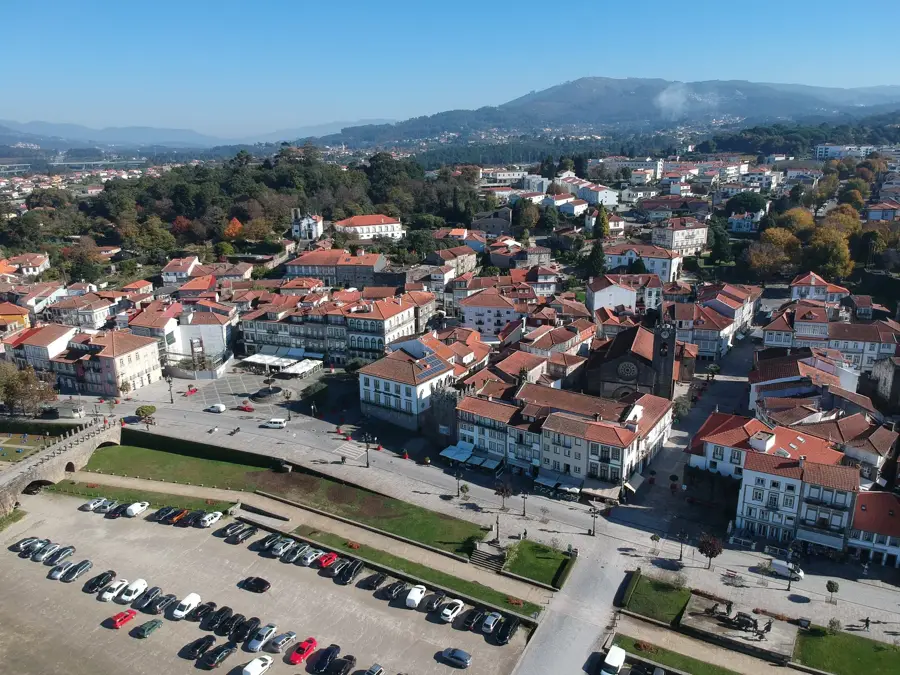
Ponte de Lima
Ponte de Lima is considered the oldest town in Portugal.
Ermesinde
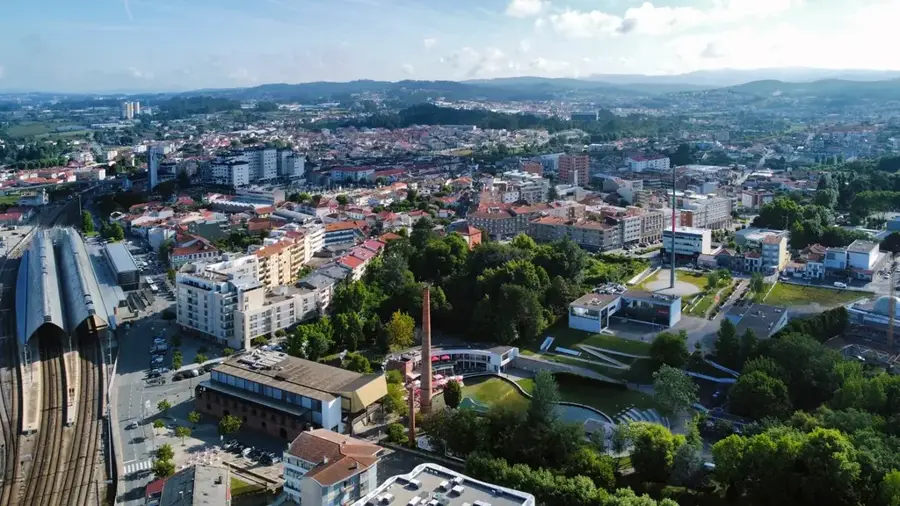
Ermesinde is a city in the Porto Metropolitan Area.
Espinho
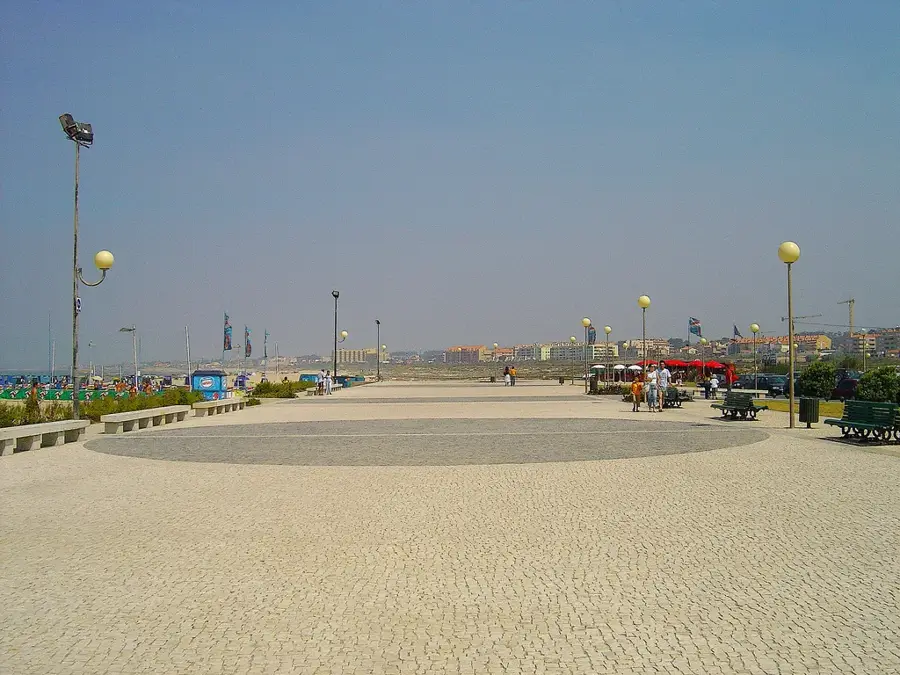
Espinho is a popular seaside resort south of Porto.
Póvoa de Varzim
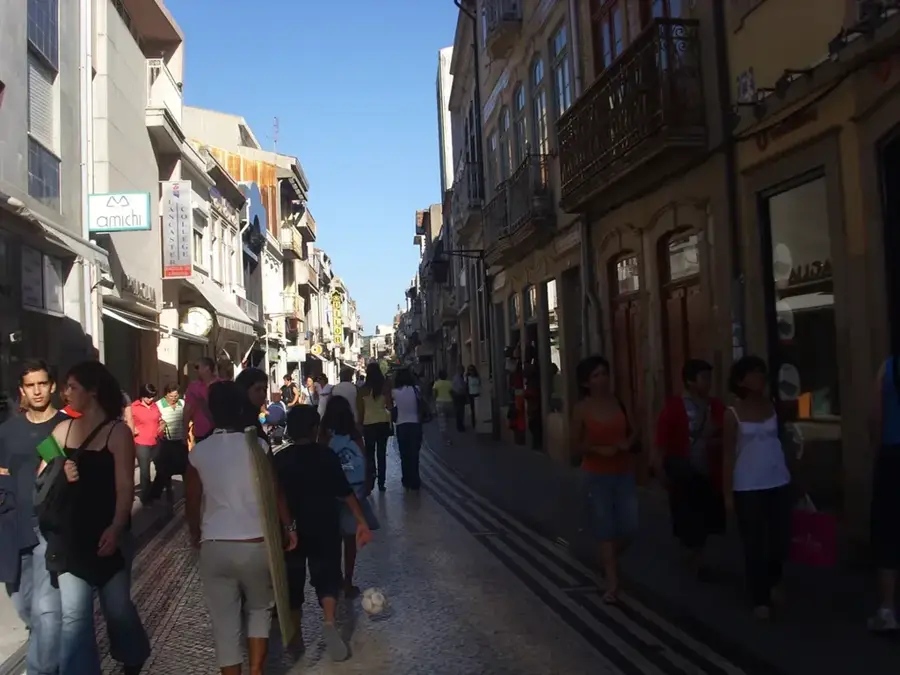
This coastal city in northern Portugal is a popular holiday destination with a strong fishing tradition and a major casino.
Matosinhos
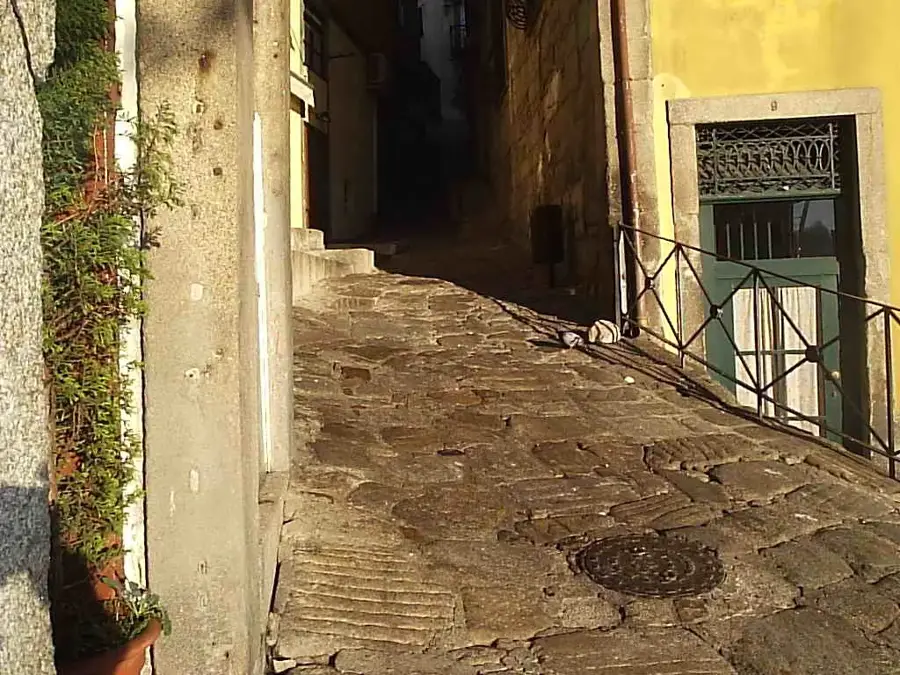
Matosinhos is a port city located just north of Porto.
Gondomar
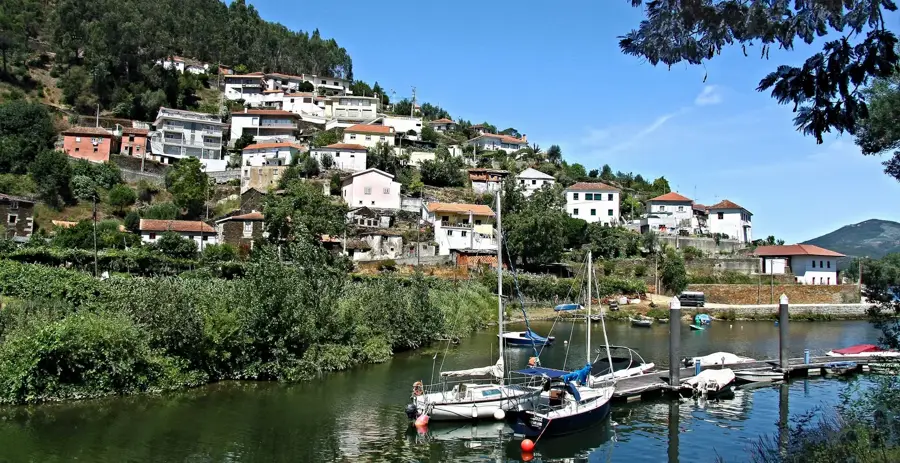
Gondomar is situated on the Douro River near Porto.
Vila do Conde
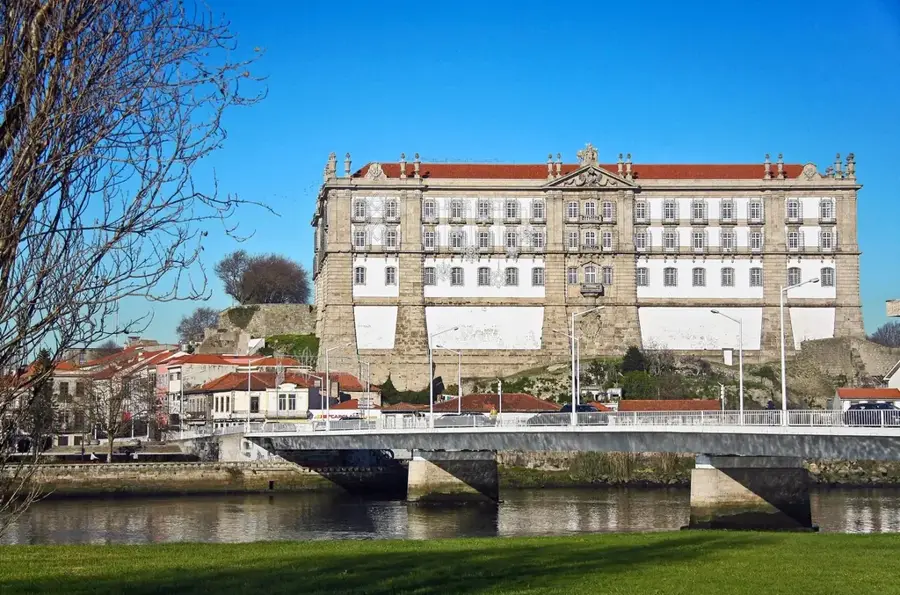
This historic city is located at the mouth of the Ave River.
Arcos de Valdevez
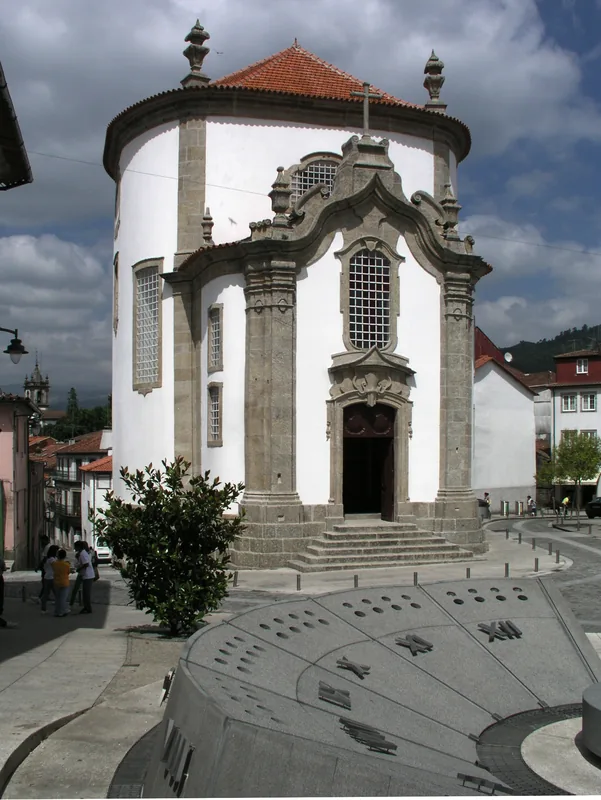
This town on the Vez River is a gateway to the Peneda-Gerês National Park.
São João da Madeira
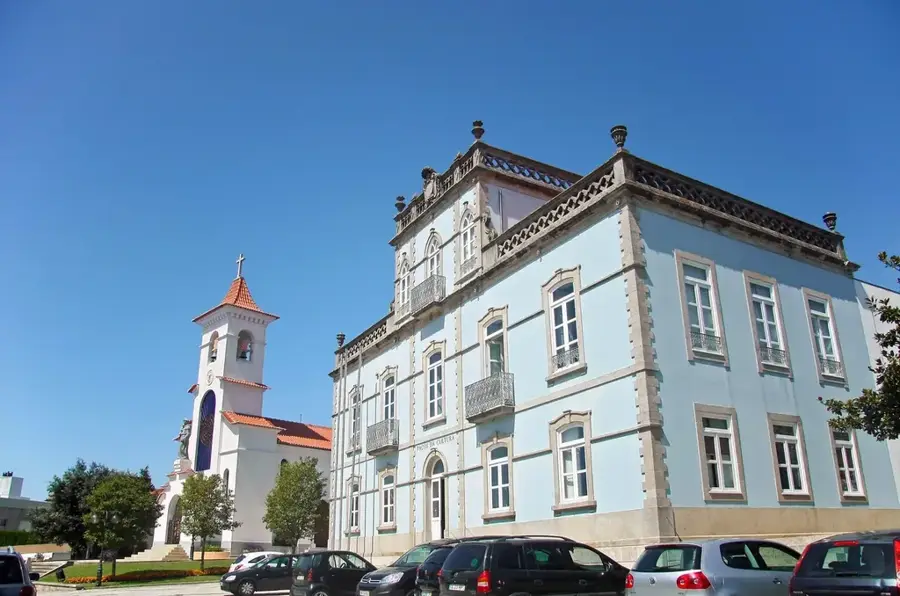
São João da Madeira is a city south of Porto.
Valongo
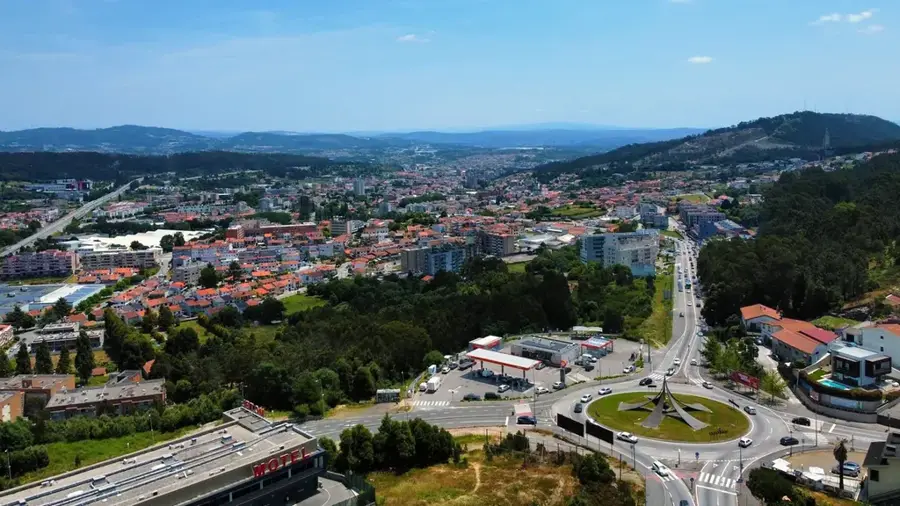
Valongo is a city in the Porto Metropolitan Area.
Trofa
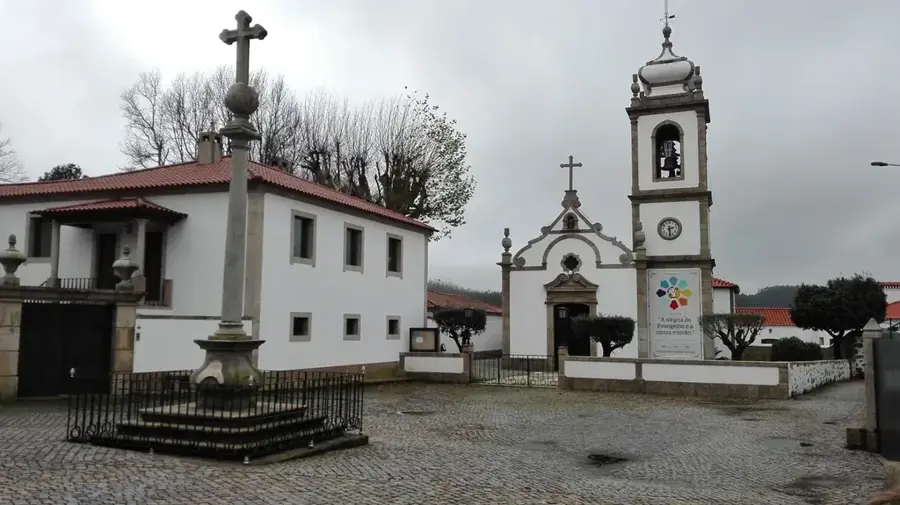
Trofa is a young city located north of Porto.
Barcelos
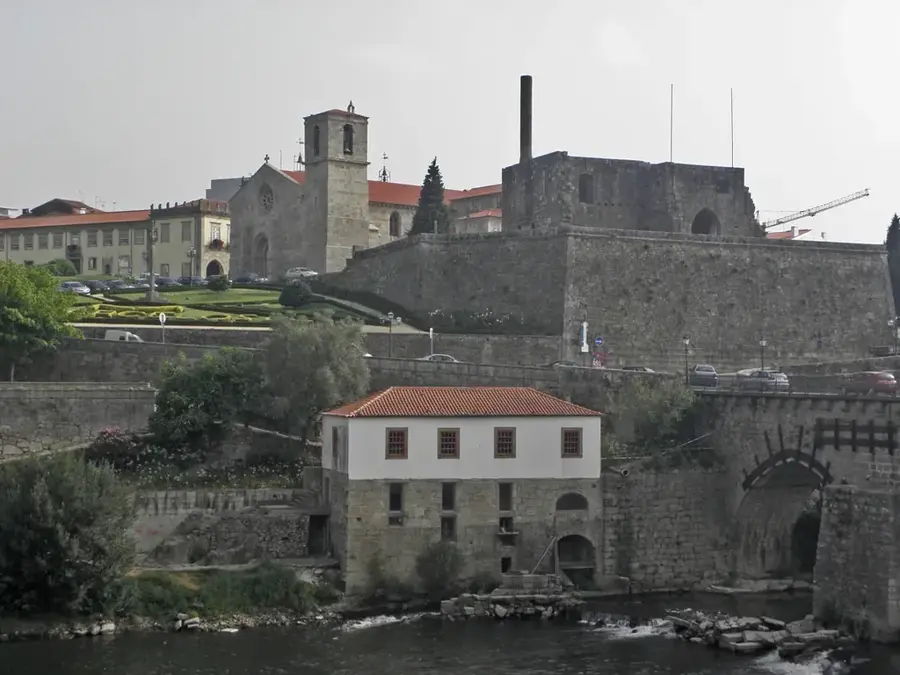
This northern Portuguese city is world-famous for its ceramic tradition.
Ovar
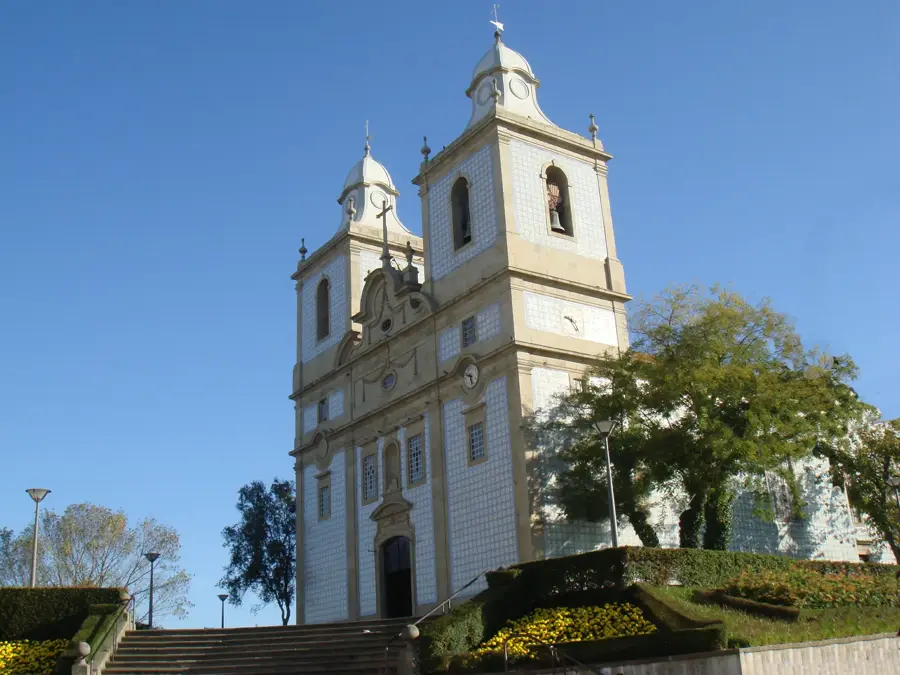
Ovar is a coastal city in the Aveiro District.