Plizio Visual Lab
Arequipa
ℹ️Practical info — Arequipa
▾
🌤 Weather — 5 days
📍 Nearby
Sights nearby
💡 Tips
- The city is at 2,335m altitude; rest on your first day and drink coca tea to acclimatize.
- The high-altitude sun is extremely intense; strong sunscreen and a hat are essential.
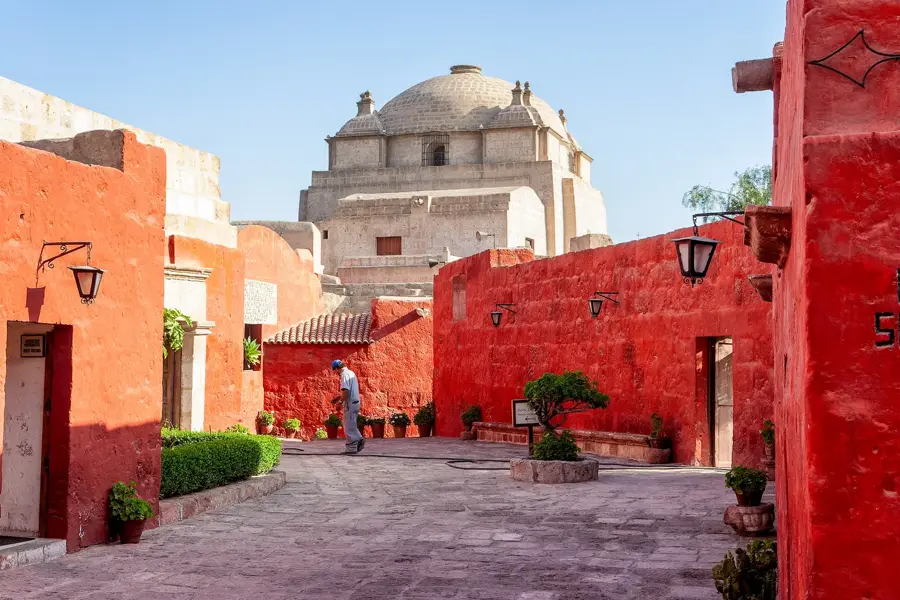
- Visit the Santa Catalina Monastery in the late afternoon for golden light and fewer crowds.
- For safety, use official taxi apps or ask your hotel to call a cab rather than hailing on the street.
- Free walking tours start at the Plaza de Armas; they are great for history, just remember to tip the guide.
🍽 Food
A spicy stuffed pepper often served with potato bake. Find it in traditional picanterías in the Yanahuara district.
A rich, hearty shrimp chowder available at established local restaurants.
An artisanal 'cheese ice cream' (actually milk, coconut, and cinnamon) sold by street vendors near the main square.
🛍 Shopping · 🧘 Quiet spots
A bustling historic market, first-rate for fresh fruits, local breads, and Peruvian spices.
Look for certified, high-quality alpaca sweaters and scarves in shops around the Santa Catalina Monastery.
A colonial complex offering authentic artisanal crafts, ceramics, and textiles.
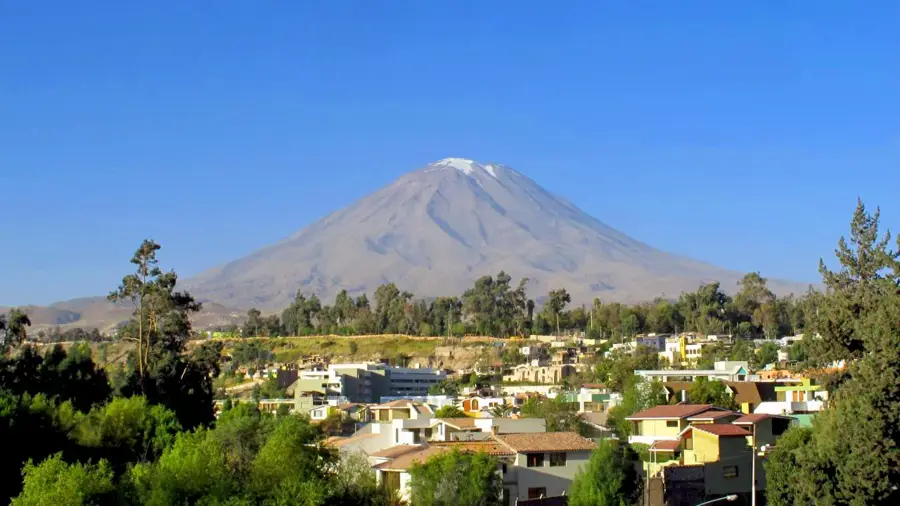
Features striking views of the Misti volcano, surrounded by peaceful colonial streets.
A free, tranquil eco-center where you can watch alpacas graze and learn about traditional weaving.
Enjoy the majestic white stone architecture in peace before the city wakes up.
Water temperature…
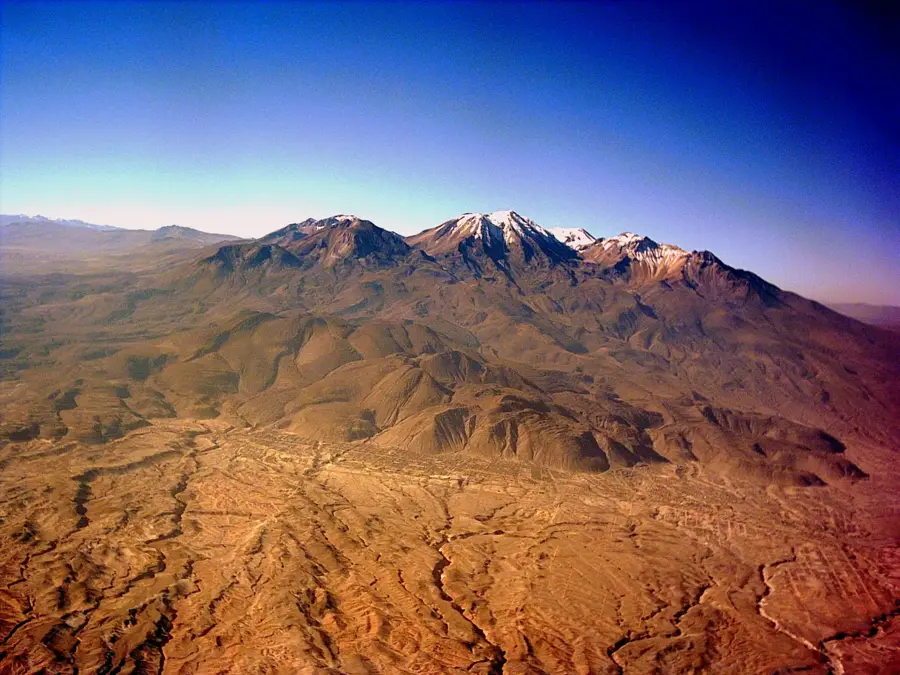
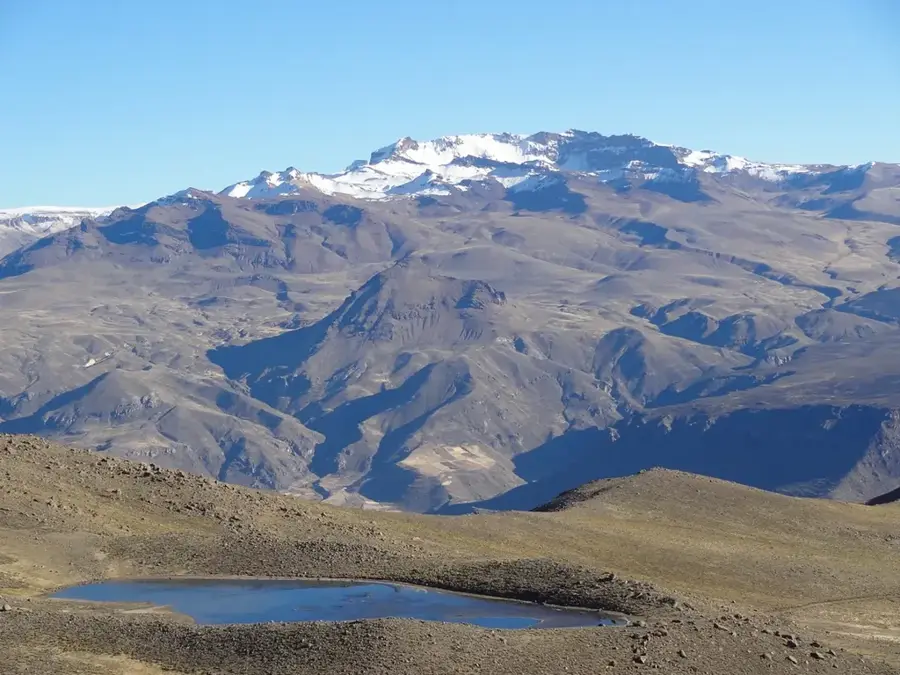
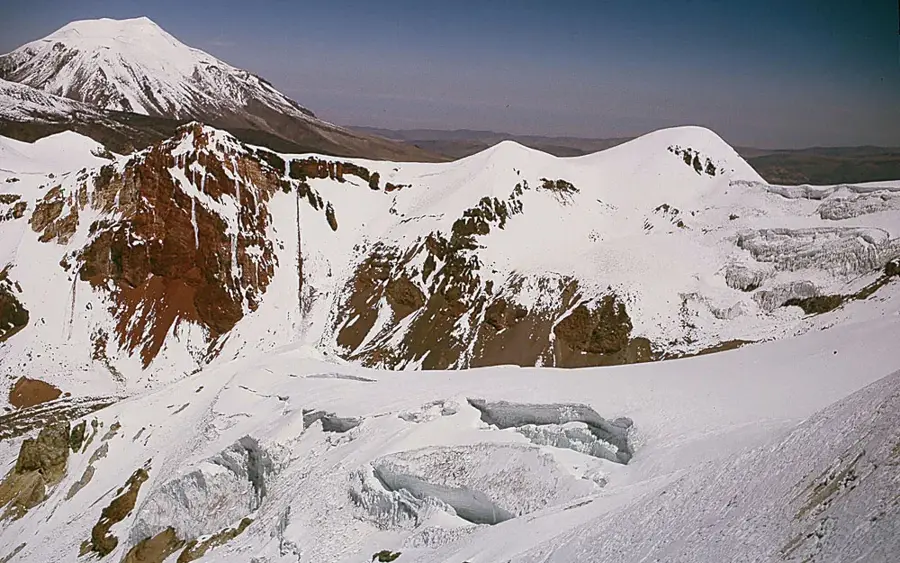
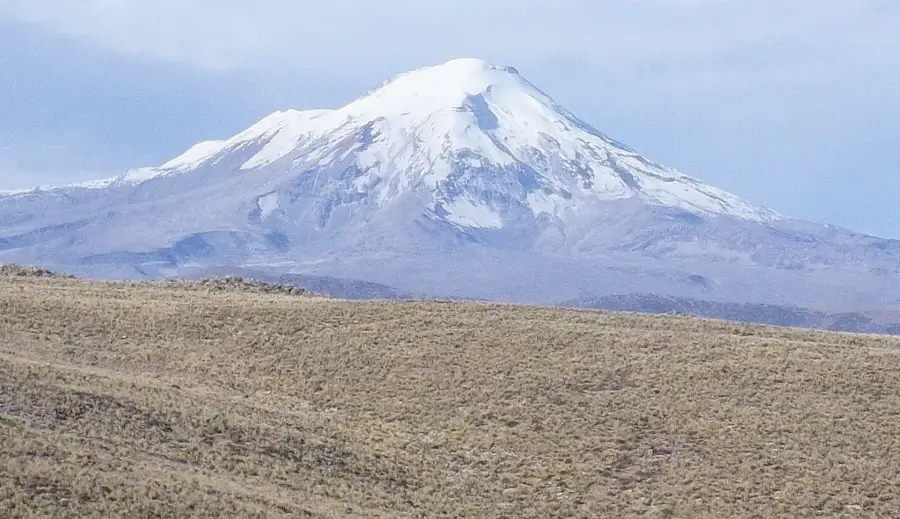
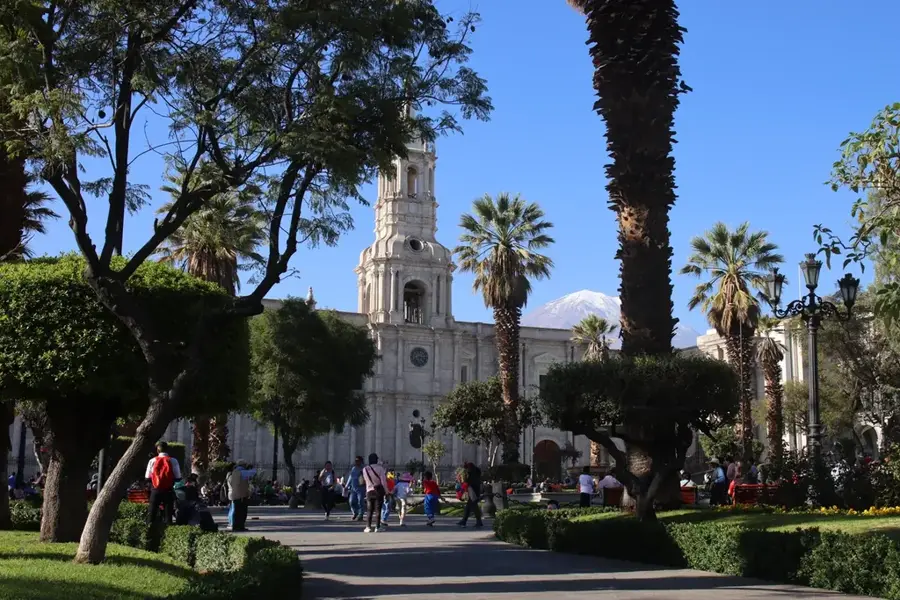
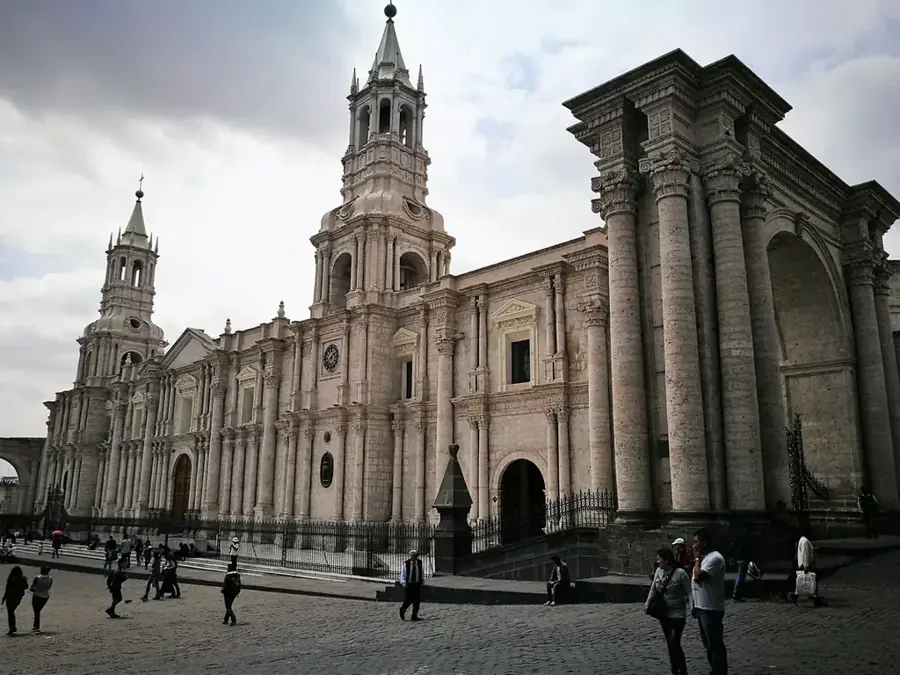
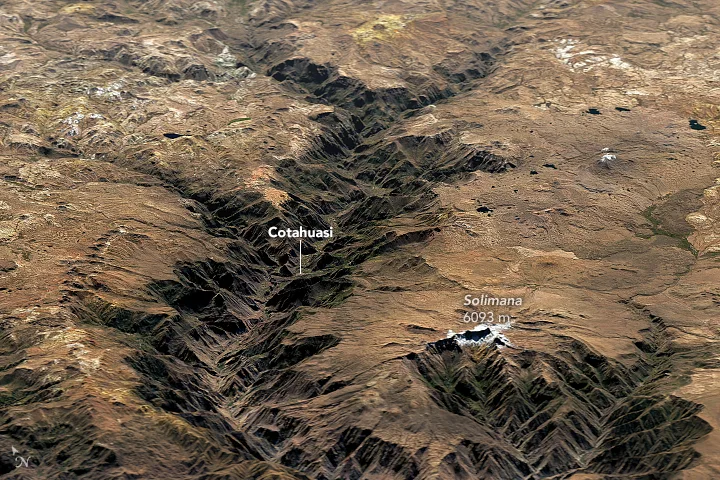
Arequipa, known as the 'White City,' is the second-largest city in Peru, situated at an elevation of 2,335 meters in the Andes. It owes its nickname to sillar, a white volcanic stone used to construct many buildings in its historic center. The city is overseen by three imposing volcanoes: Misti, Chachani, and Pichu Pichu, which define the skyline. Arequipa's historic center has been a UNESCO World Heritage site since 2000 and is home to the impressive Santa Catalina Monastery, a city within a city. The city was officially founded on August 15, 1540, by the Spanish, though it has a long history of prehistoric settlement. Arequipa is also a hub for the textile industry, particularly high-quality alpaca wool, and has a unique and highly praised cuisine. Geographically, it serves as the gateway to the Colca Canyon, one of the deepest canyons in the world, where the majestic condor can be observed. The combination of colonial architecture, volcanic landscape, and cultural depth makes Arequipa one of Peru's most important destinations.
- Location: Peru
- Top sights: Casa museo Mario Vargas Llosa · Palacio Mario Vargas Llosa · Museo de arte contemporáneo
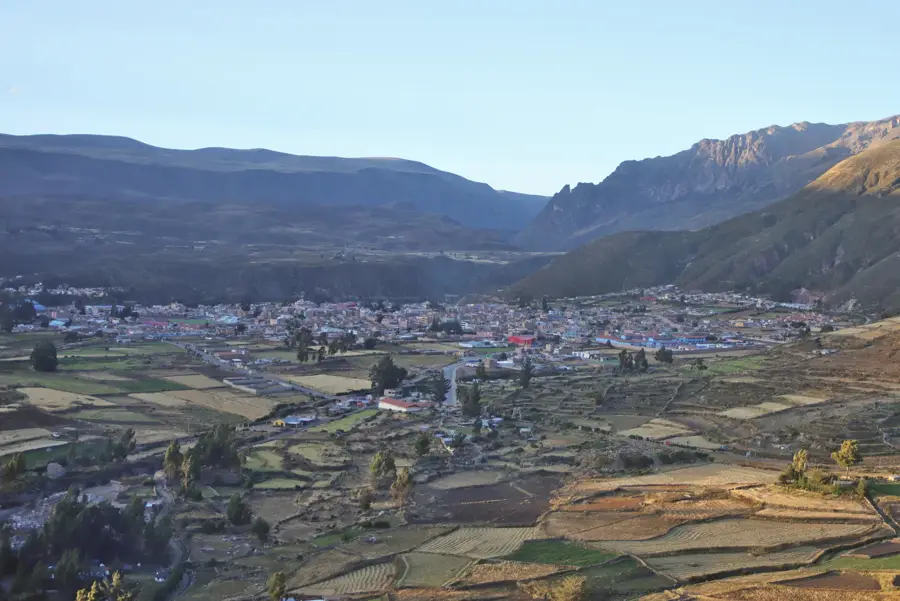
- Nearby: Chivay (28 km)
- Population: ~1.008.290 (2026)
Best time to visit & climate
The most pleasant time to visit is Apr, Oct, Nov.
| Jan | Feb | Mar | Apr | May | Jun | Jul | Aug | Sep | Oct | Nov | Dec | |
|---|---|---|---|---|---|---|---|---|---|---|---|---|
| Avg °C | 12 | 12 | 12 | 11 | 10 | 10 | 9 | 10 | 11 | 12 | 12 | 12 |
| Rain mm | 35 | 47 | 25 | 6 | 2 | 0 | 2 | 1 | 3 | 7 | 4 | 16 |
Geography
Facts
- Arequipa is located at an elevation of 2,335 meters above sea level.
- The Misti Volcano (5,822 m) is the city's most iconic landmark.
- The city was officially founded on August 15, 1540.
- Its historic center was inscribed as a UNESCO World Heritage site in 2000.
- Santa Catalina Monastery covers a sprawling area of 20,000 square meters.
- The city is the global capital for the production of alpaca wool.
Explore nearby
Notable places around
Route planner — Car & Motorhome
Where do you start? We build the route here, with stops and country notes along the way.
© OpenStreetMap contributors · OpenRouteService
Sights in the town Arequipa (7)
Frequently asked questions
What is the landmark of Arequipa?
What is the best season?
Which local dish must I try?
How do I get to Arequipa?
Is the city suitable for children?
Arequipa: where is it located?
Arequipa: what is there to see?
Arequipa: when is the best time to visit?
Arequipa: why is it worth visiting?
Nearby cities
History & landmarks
Nature
More places