Plizio Visual Lab

Mount Sartaba
Plizio editorial teamData Sources
Mountain
—°9
Mount Sartaba (Palestinian Territories)

Weather…

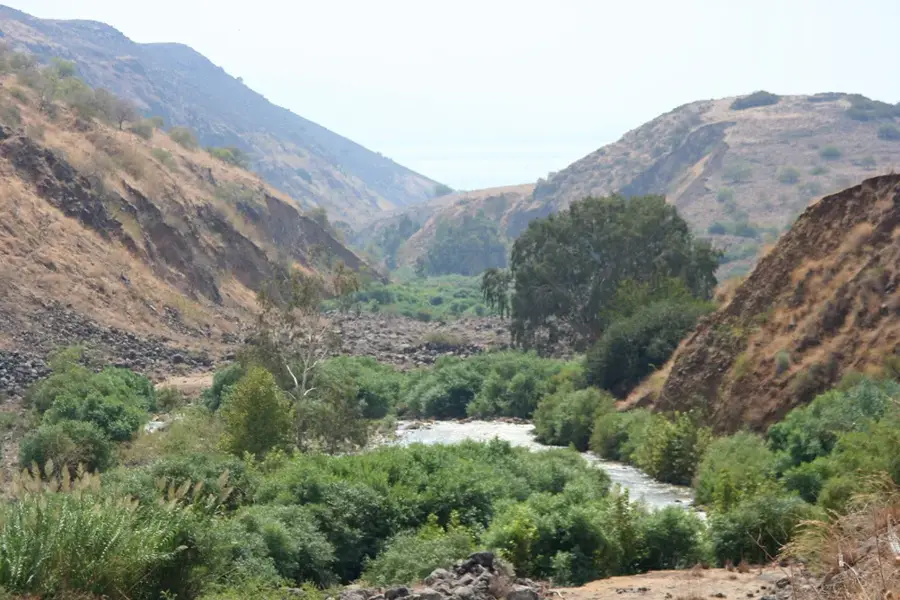
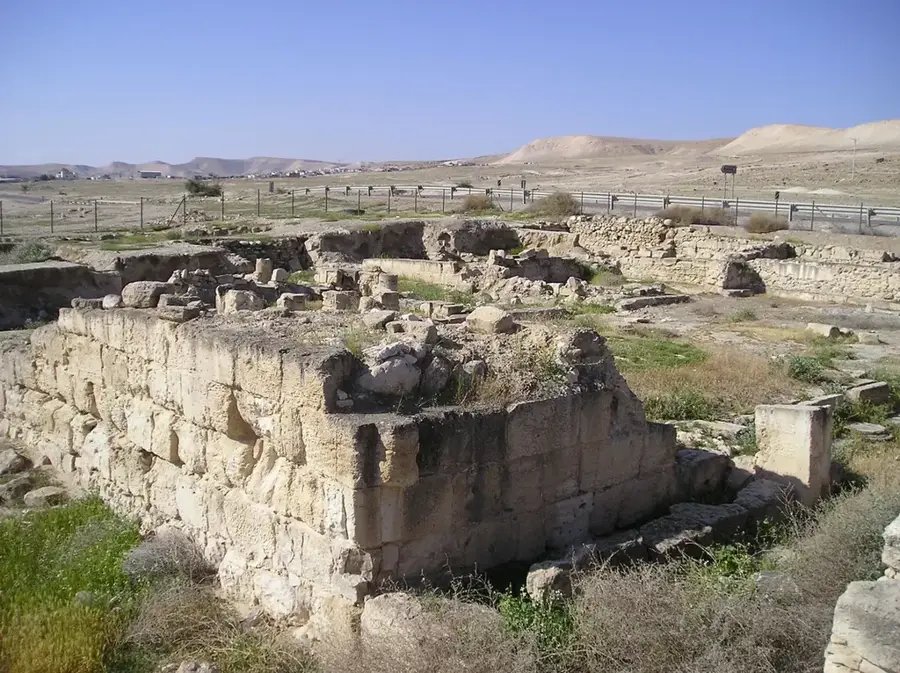
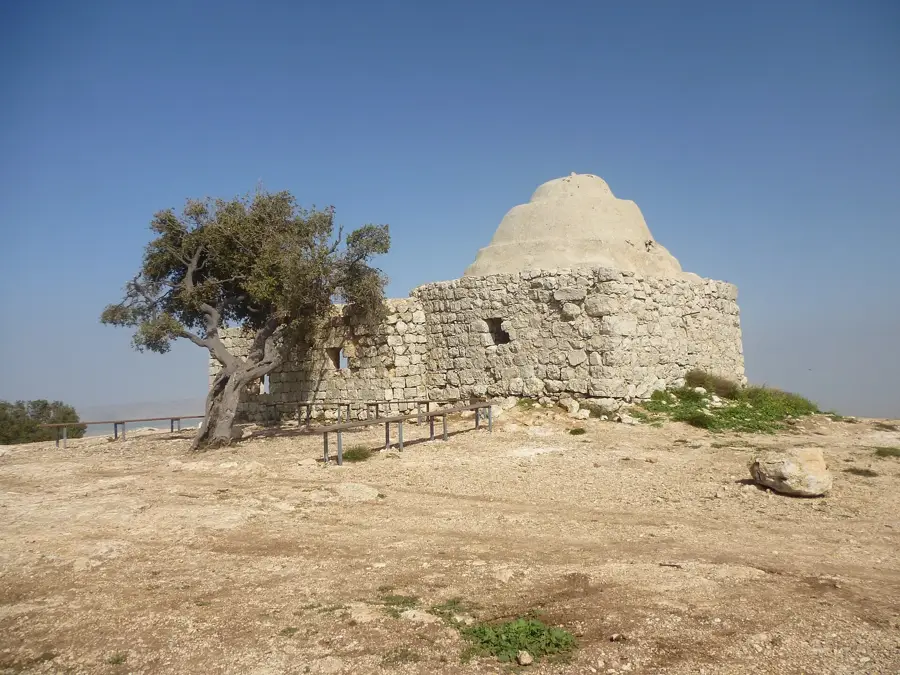
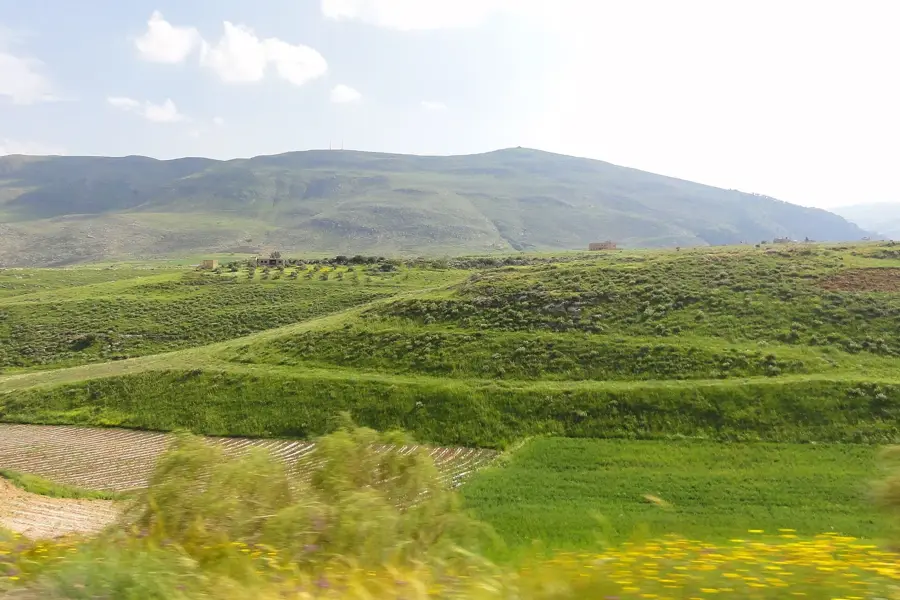
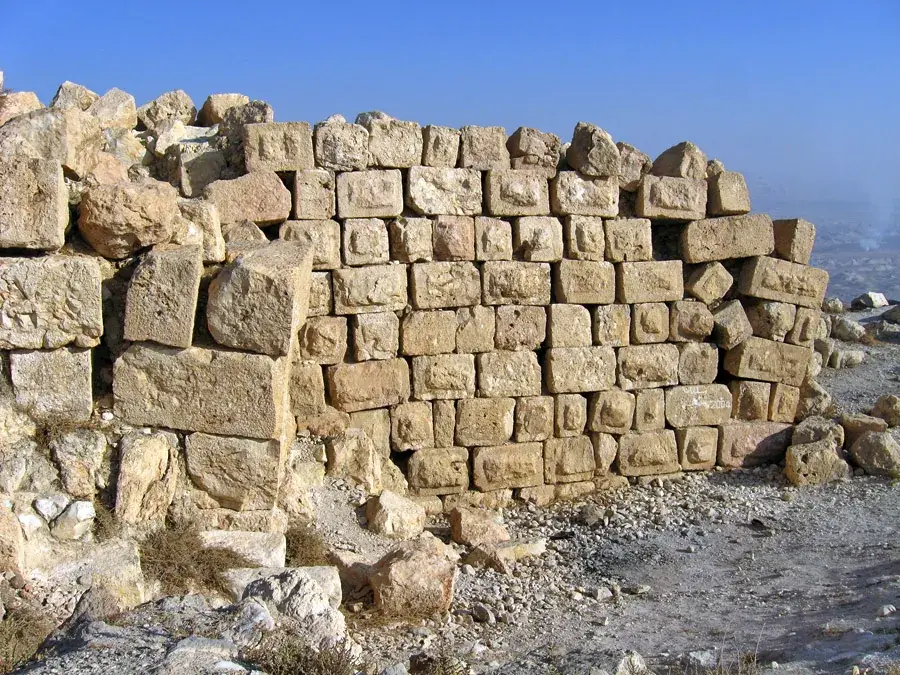
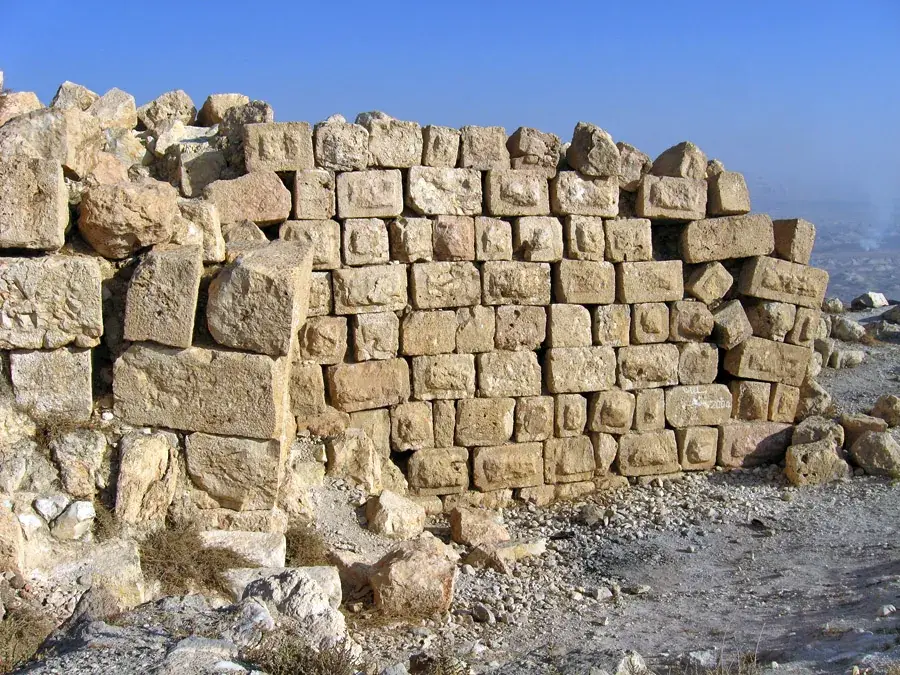
Mount Sartaba, also known as Alexandrium, is a prominent archaeological site rising sharply above the Jordan Valley. Its distinctive conical peak served as the location for a formidable Hasmonean fortress, originally established by King Alexander Jannaeus in the 1st century BCE. Beyond its defensive capabilities, Sartaba was a vital node in the ancient Jewish communication network. According to the Mishnah, it was the second station in a chain of mountaintop signal fires used to announce the start of a new month and religious festivals, a system that extended as far as Babylonia. Excavations on the summit have revealed significant remains of masonry, massive water cisterns, and complex aqueducts that transported water up the steep slopes. The site remains a powerful symbol of regional history, offering visitors unparalleled views of the winding Jordan River and the mountains of Gilead across the border, making it a destination for history enthusiasts and hikers alike.

Best time to visit & climate

The most pleasant time to visit is Apr, May, Oct.

JanFebMarAprMayJunJulAugSepOctNovDec
Avg °C111316202428303028241814
Rain mm635832156101182952

📋 Practical info

🧭
Getting there
The mountain is typically approached from the adjacent segment of the Jordan Valley highway, where dirt roads divert towards the steep, cone-shaped base, leading to arduous trails heading straight up to the ancient ruins.
📅
Best season
Mid-winter to early spring is the only advisable window for a visit. The intense, relentless heat of the Jordan Valley from late spring through autumn makes climbing this exposed, shadowless peak extremely dangerous.
⛰️
Terrain & paths
The hike involves a grueling, relentlessly steep ascent over loose rocks, scree, and thorny vegetation. There are no maintained staircases, requiring scrambling in places and demanding excellent cardiovascular fitness.
🎒
What to bring
Essential gear includes top-tier hiking boots with aggressive tread, a massive supply of water (at least 4-5 liters per person), high-energy foods, trekking poles for descent stability, and comprehensive sun protection.
🅿️
Parking
Visitors generally park off the main road or near nearby agricultural settlements at the bottom. It is vital to ensure vehicles are securely locked and do not obstruct local farming machinery or ongoing military patrols.
⚠️
Safety
This is an extreme hike. Heat exhaustion, dehydration, and falls on the slippery, steep scree are major risks. Unexploded ordnance may exist off-trail in the region, so wandering away from the visible path is forbidden.
⏱️
Time needed
Achieving the summit to view the Hasmonean ruins and carefully descending takes between four and six hours. The slow pace dictated by the extreme gradient and heat requires dedicating at least a solid half day.

Geography

Coordinates
32.09440, 35.46280

Facts

  • Rises about 650 meters above the level of the Jordan Valley
  • Summit plateau hosts the ruins of Alexandrium fortress
  • Steep western flank drops almost vertically
  • Geologically part of the transition zone to the Jordan Rift
  • Provides 360-degree views to Jericho and Transjordan
  • Ancient water conduits still visible on the slopes

Explore nearby

Notable places around
Route planner — Car & Motorhome

Where do you start? We build the route here, with stops and country notes along the way.

Vehicle
Only stops with (optional):

© OpenStreetMap contributors · OpenRouteService

Sights in the town Mount Sartaba (9)

Orev Viewpoint🌿 nature

A panoramic lookout point offering sweeping views of the Jordan Valley and the desert landscape.

Sartava;Sartaba🌿 nature

A historic peak featuring the ruins of a Hasmonean fortress and panoramic views of the Jordan Valley.

Gilgal, the camp of the 12 tribes🏺 historical

A biblical monument commemorating the first camp of the Israelites after crossing the Jordan River.

Habikka memorial🏺 historical

A striking monument in the Jordan Valley dedicated to soldiers who fell in the region's conflicts.

Gilgal I🏺 historical

An early Neolithic archaeological site famous for its well-preserved ancient structures and findings.

Sartaba🌿 nature

A protected area surrounding the distinctive cone-shaped mountain, home to unique desert flora and fauna.

Fasayel Mosque📍 landmark

A community mosque serving the village of Fasayel, located near the ruins of the ancient Herodian palace.

Fasayel new mosque📍 landmark

A newly constructed mosque with a white facade serving the expanding community in the Jordan Valley.

Fasayal Mosque📍 landmark

A place of worship located in the arid landscape of the Fasayel settlement in the Jordan Valley.

Sights nearby

Frequently asked questions

Is the climb to Sartaba strenuous?
Yes, the climb is steep and exposed.
Is there shade on the way?
Hardly any; be sure to bring a hat.
Is the view worth it?
Yes, there is a fantastic view of the Jordan Valley.
What is the best time of day to hike?
Early morning to avoid the midday heat.
Are there ruins at the top?
Yes, there are remains of an ancient Hasmonean fortress.
Mount Sartaba: where is it located?
Mount Sartaba is located in Palestinian Territories.
Mount Sartaba: what is there to see?
Highlights include Orev Viewpoint, Sartava;Sartaba, Gilgal, the camp of the 12 tribes.
Mount Sartaba: when is the best time to visit?
The most pleasant time to visit is Apr, May, Oct.
Mount Sartaba: why is it worth visiting?

Mount Sartaba, also known as Alexandrium, is a prominent archaeological site rising sharply above the Jordan Valley.
View on map → The Top 50 Attractions → OpenStreetMap →
Asia
Explore with Plizio Discover more places in Asia
More places in Palestinian Territories →

Nearby cities

History & landmarks