Plizio Visual Lab
Kur Throne Village
ℹ️Practical info — Kur Throne Village
▾
🌤 Weather — 5 days
📍 Nearby
Sights nearby
💡 Tips
- The impressive Ottoman-era fortified manor houses are best photographed in the late afternoon sun.
- This is a small, historical site with limited tourist infrastructure; bring your own water and snacks.
- Exploring the narrow stone alleys requires careful footing due to uneven surfaces.
- Respect the privacy of residents, as some of the historic buildings are still inhabited.
🍽 Food
Best brought in a thermos or occasionally offered by hospitable locals.
Stock up in nearby Tulkarm as dining options are very limited on-site.
Sometimes possible if you can arrange a meal with a local family in advance.
🛍 Shopping · 🧘 Quiet spots
Occasionally available directly from residents.
Buy fresh produce from small roadside stands nearby.
Enjoy the elevated views from these historic structures.
The inner courtyards of the historic manors provide a quiet retreat.
Water temperature…
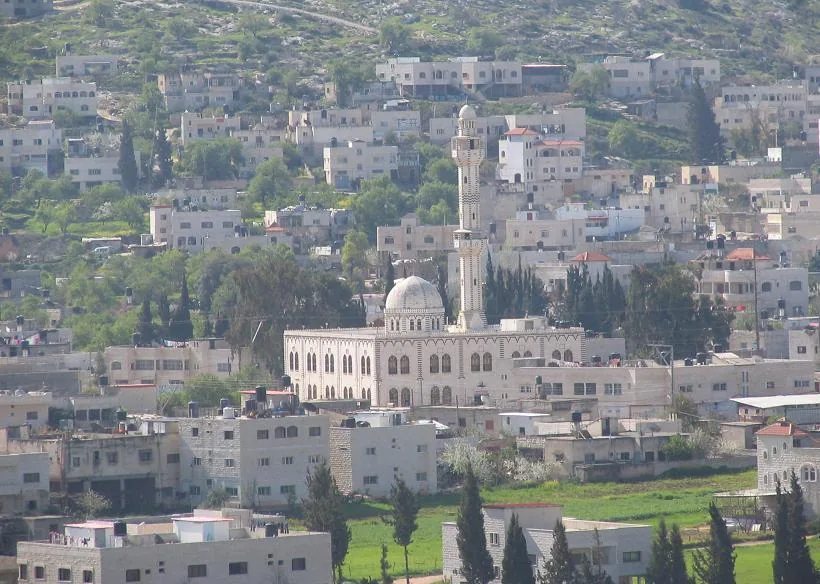
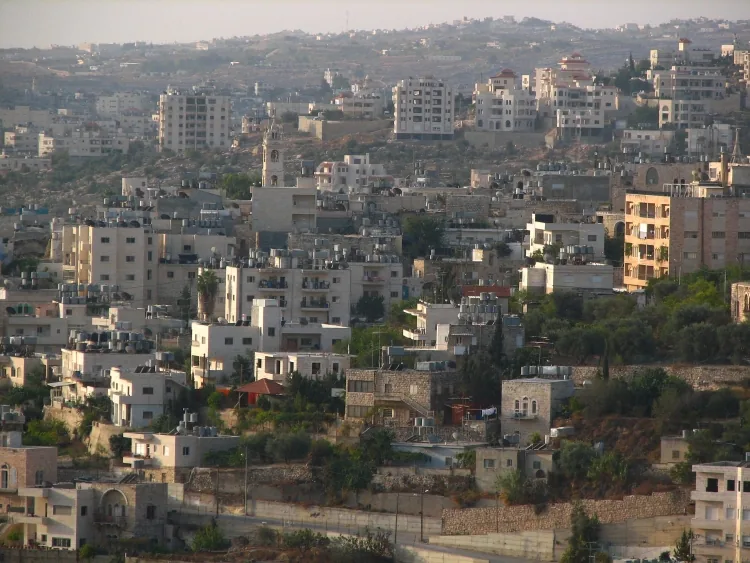
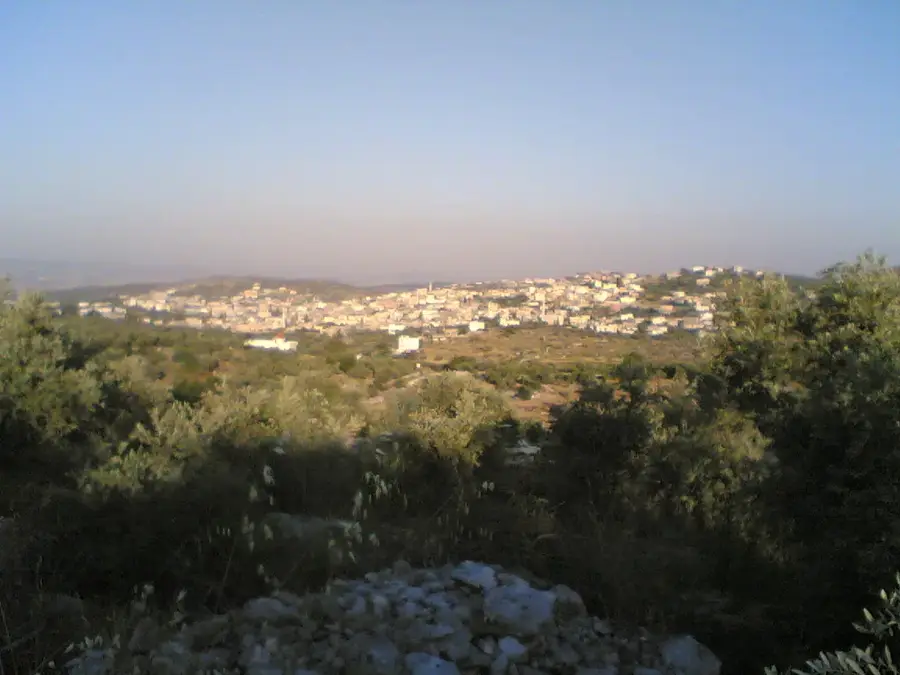
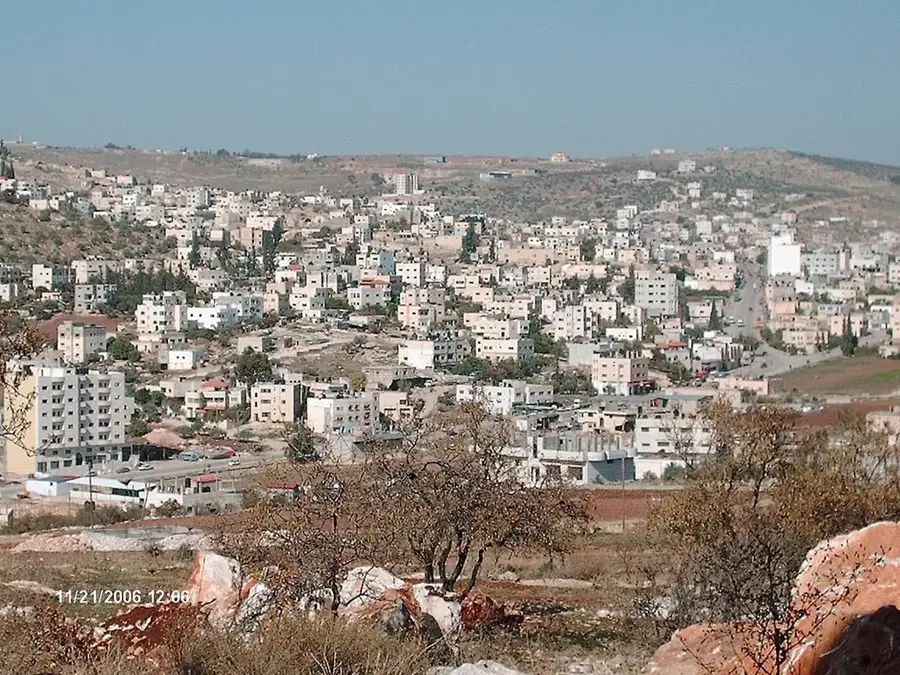
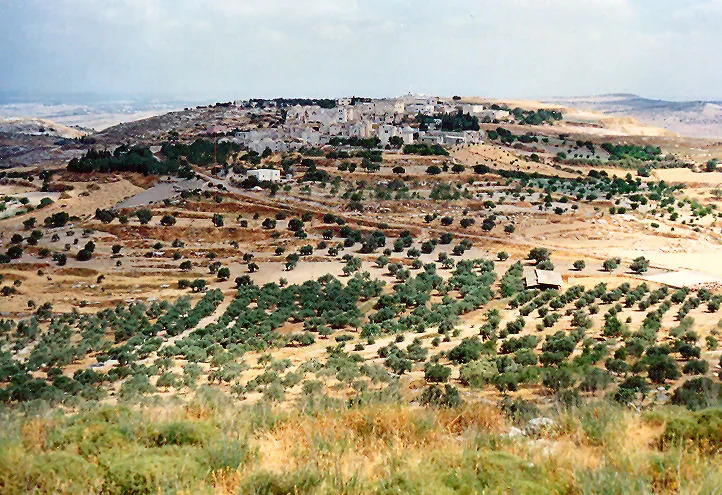
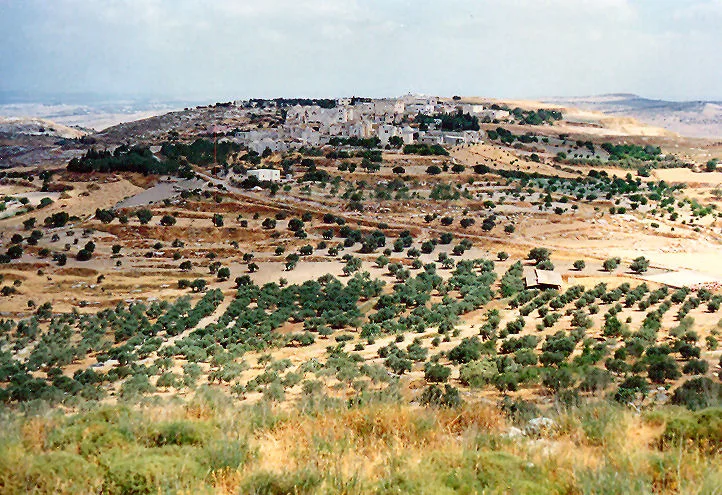
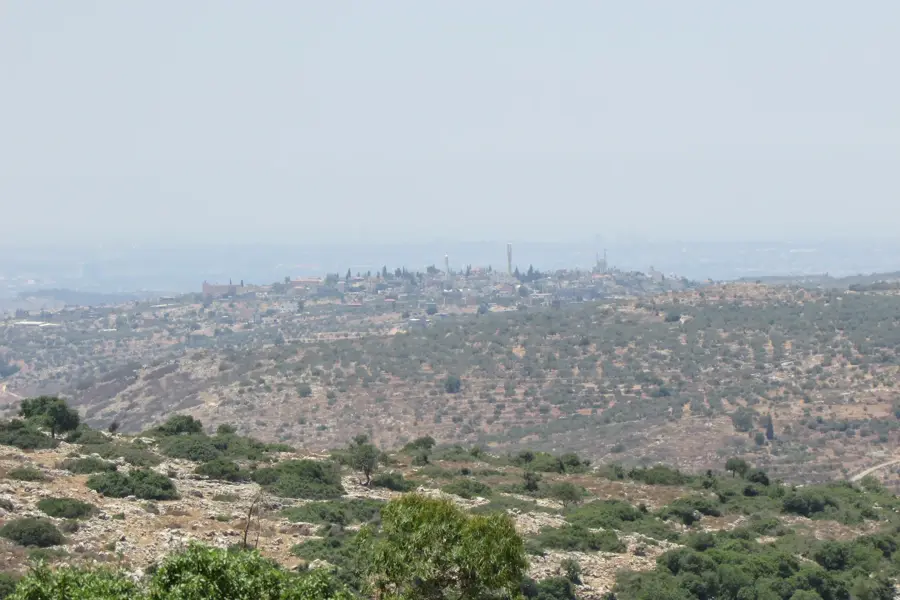
Kur is an extraordinary example of a Palestinian 'Throne Village', located in the northern West Bank south of Tulkarm. During the Ottoman era, these villages served as the administrative seats of powerful local clans who acted as tax collectors and regional rulers. The skyline of Kur is defined by its massive, palace-like stone residences known as 'qasrs', built primarily by the influential Jayyusi clan during the 18th and 19th centuries. These fortified manor houses feature thick limestone walls, arched gateways, and spacious courtyards, symbolizing the wealth and authority of the feudal lords of the time. Situated atop a hill for strategic defense, the village has sweeping views of the surrounding olive groves and terraced landscapes. Today, Kur stands as a significant cultural heritage site, preserving a unique architectural style that blends domestic comfort with defensive necessity, providing a rare window into the social hierarchy of Ottoman-era Palestine.
- Location: Palestinian Territories
- Nearby: Jayyous (7 km)
- Population: ~1.444 (2023)
Best time to visit & climate
The most pleasant time to visit is May, Jun, Oct.
| Jan | Feb | Mar | Apr | May | Jun | Jul | Aug | Sep | Oct | Nov | Dec | |
|---|---|---|---|---|---|---|---|---|---|---|---|---|
| Avg °C | 11 | 12 | 15 | 18 | 22 | 25 | 27 | 27 | 26 | 23 | 18 | 14 |
| Rain mm | 88 | 62 | 37 | 21 | 5 | 1 | 1 | 0 | 2 | 14 | 46 | 83 |
Geography
Facts
- One of the 24 'Throne Villages' in Palestine
- Ancestral seat of the influential Jayyousi clan
- Main palaces date back to the 18th century
- The village is strategically situated on a hilltop
- Stone houses often feature thick defensive walls
- Located in the Tulkarm governorate
Explore nearby
Notable places around
Route planner — Car & Motorhome
Where do you start? We build the route here, with stops and country notes along the way.
© OpenStreetMap contributors · OpenRouteService
Sights in the town Kur Throne Village (1)
Frequently asked questions
What characterizes a throne village?
What is the architecture like in Kur?
Is the village touristy?
What is the best season for Kur?
Do I need a car?
Kur Throne Village: where is it located?
Kur Throne Village: when is the best time to visit?
Kur Throne Village: why is it worth visiting?

Nearby cities