Plizio Visual Lab
Jabalia
ℹ️Practical info — Jabalia
▾
🌤 Weather — 5 days
📍 Nearby
Sights nearby
💡 Tips
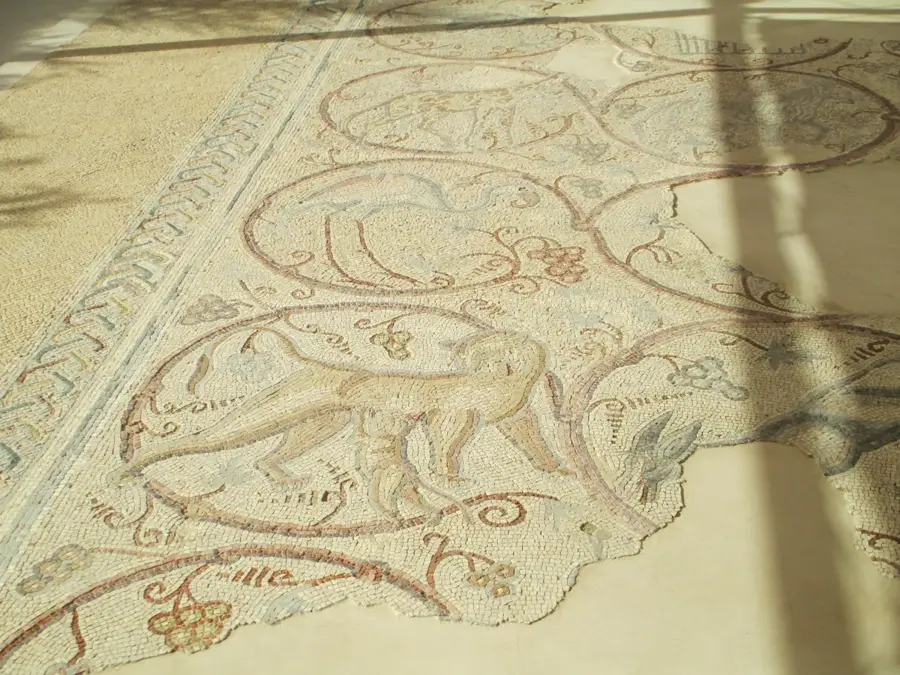
- Visit the Byzantine church site to admire the well-preserved ancient mosaics.
- Jabalia is densely populated; getting around on foot or via local taxi is most efficient.
- Visit the markets early in the morning for the freshest agricultural products.
- The locals are very welcoming; don't hesitate to engage in polite conversation.
- Look out for the local nurseries and gardens that characterize the area's outskirts.
🍽 Food
An 'upside-down' rice dish with meat and vegetables, often eggplant.
Try the oranges and lemons grown in the fertile lands nearby.
A local dish made with lentils and pomegranate juice.
🛍 Shopping · 🧘 Quiet spots
The best place for fresh produce and seasonal fruits.
Traditional basketry is still practiced by some local artisans.
Pick up fresh flatbread directly from traditional clay ovens.
The area around the Byzantine ruins is a calm spot for reflection.
The northern edges of the city offer open green spaces.
Small green pockets within the neighborhoods offer a bit of quiet.
Water temperature…
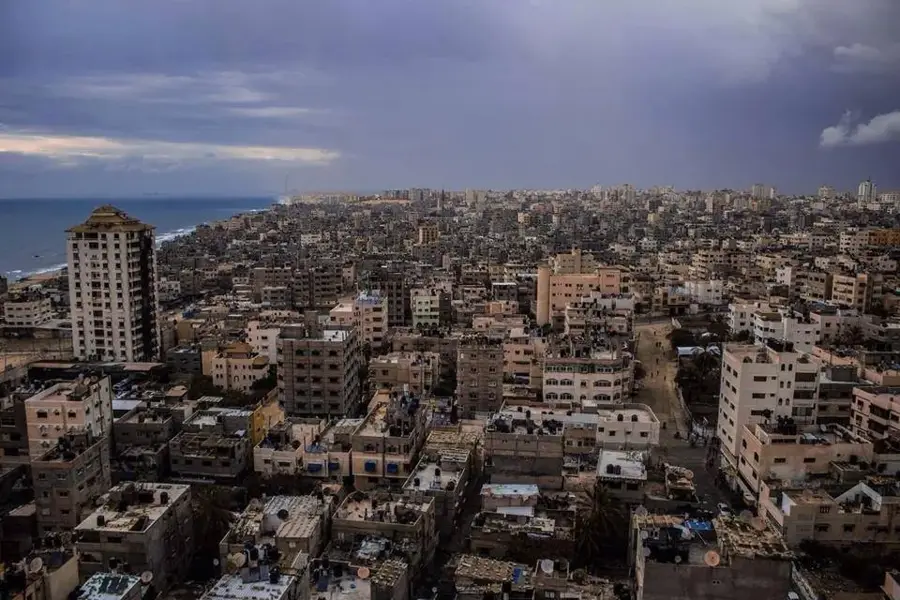
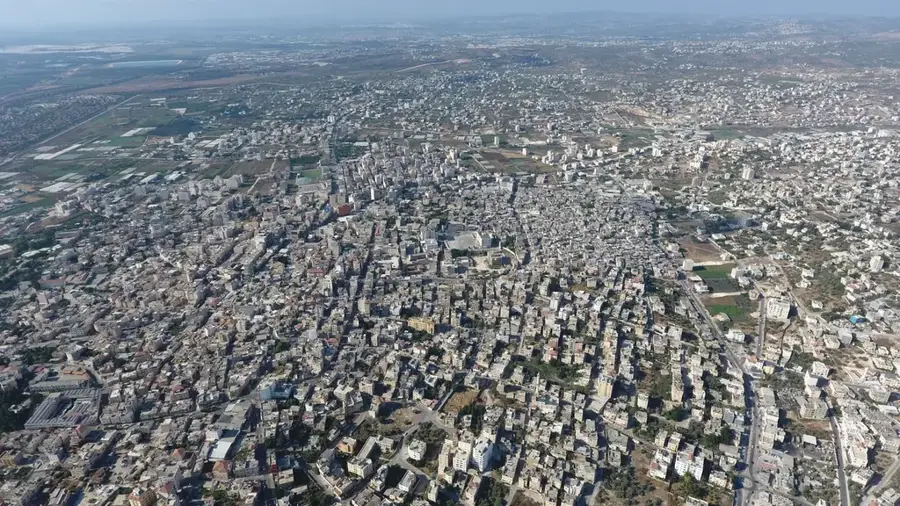
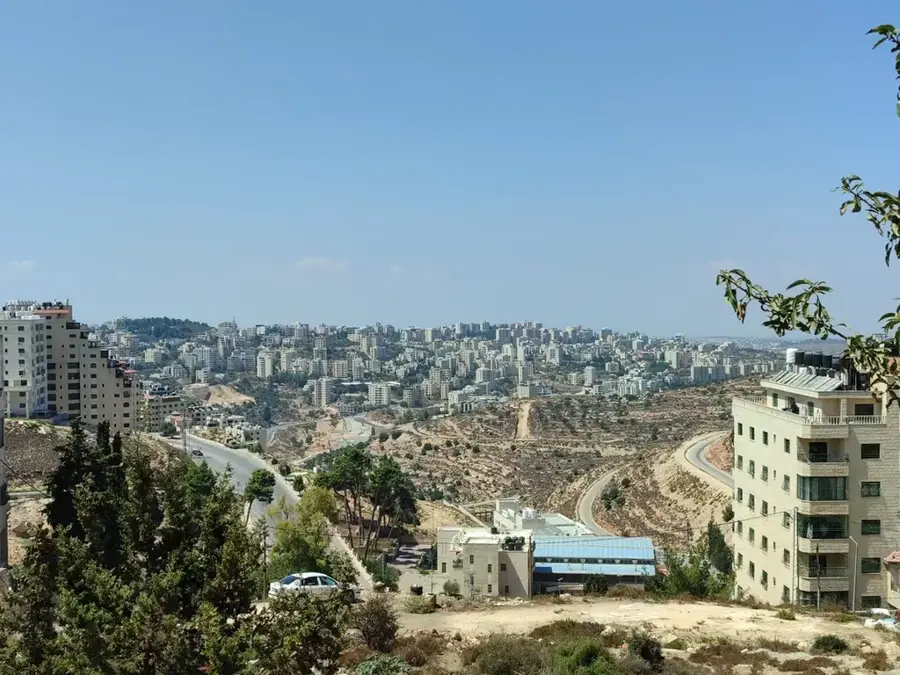
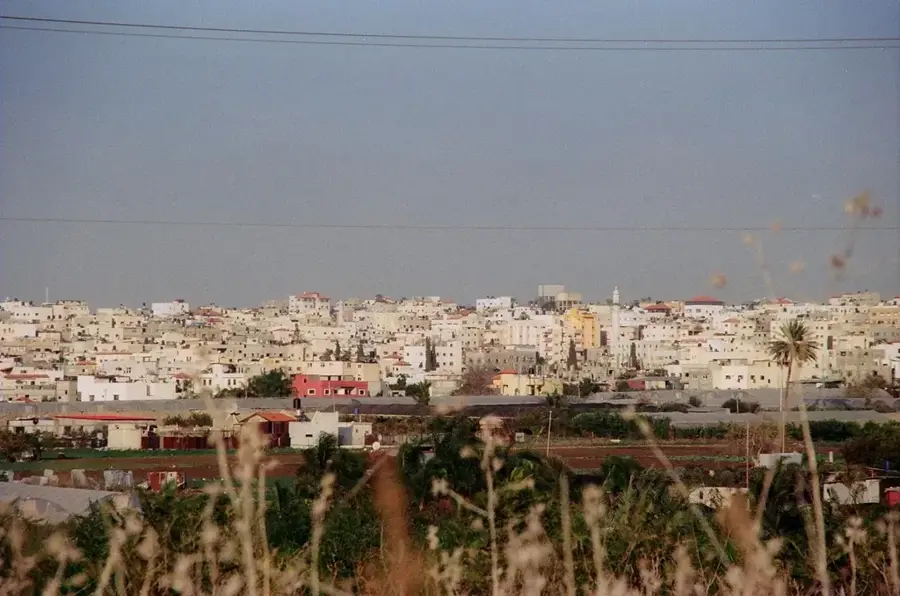
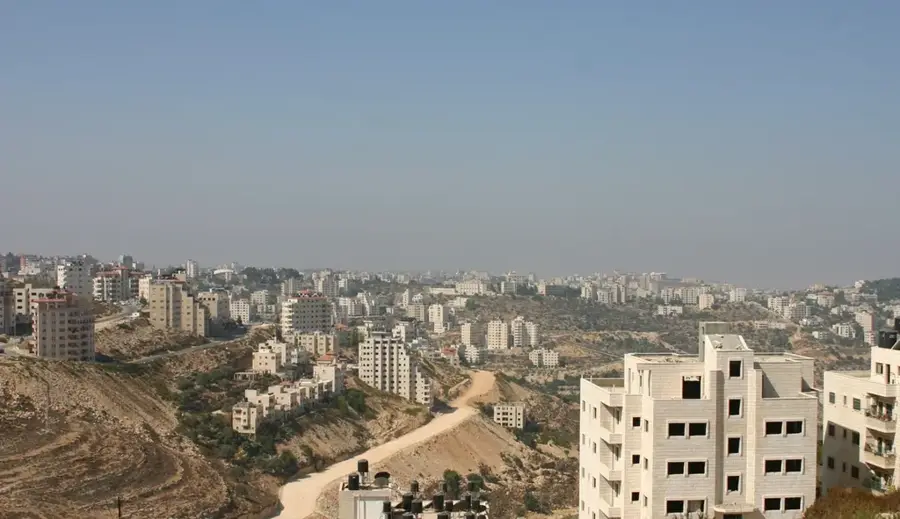
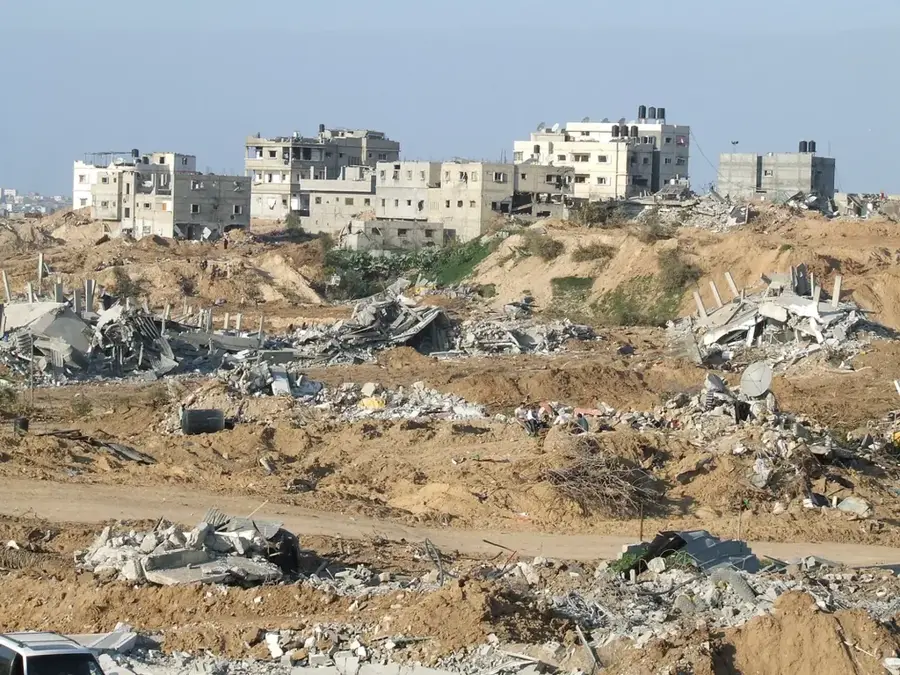
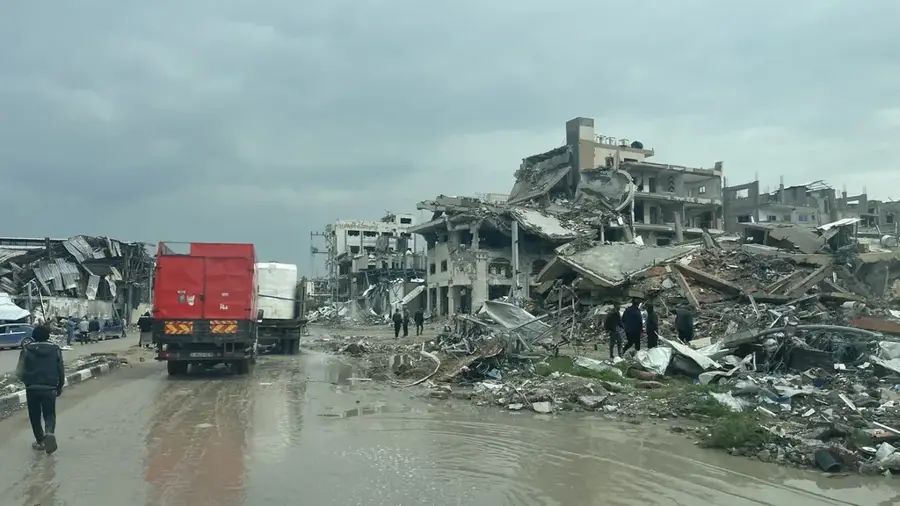
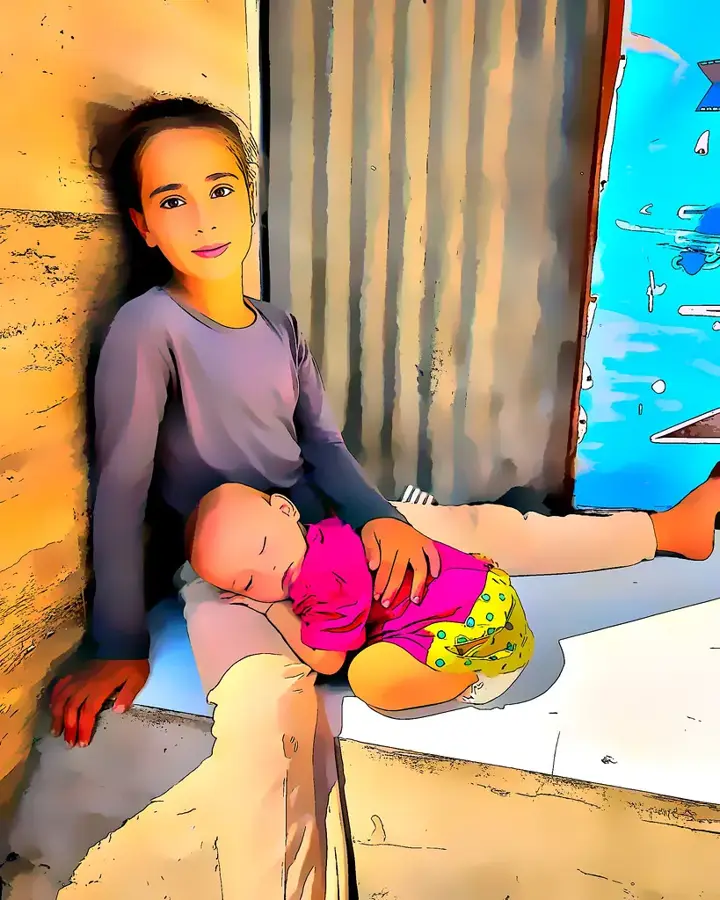
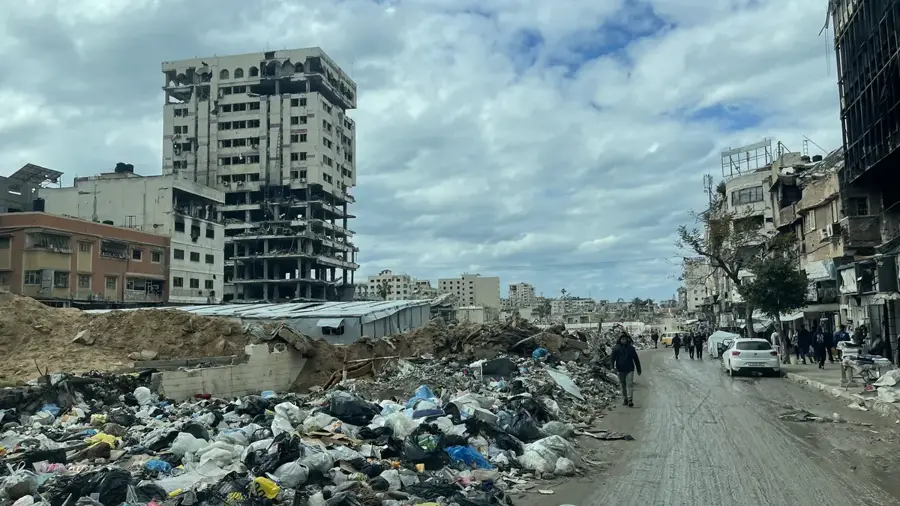
Jabalia is a historic city located in the northern Gaza Strip, boasting a legacy that stretches back to the Byzantine era. It is home to one of Palestine's most significant archaeological discoveries: a 5th-century Byzantine church featuring exquisite floor mosaics that depict intricate flora, fauna, and geometric patterns. In modern times, Jabalia is characterized by its large refugee camp, the biggest in the Gaza Strip, making it an area of immense human density and cultural resilience. Despite the urban pressures, the surrounding lands have long been celebrated for their fertility, with local farmers maintaining a tradition of intensive agriculture, particularly growing citrus fruits and vegetables. Its location near the Mediterranean coast has historically influenced its trade and climate. Jabalia serves as a powerful reminder of the region's complex layers of history, where ancient Christian heritage coexists with the pressing social realities of the present day. For scholars, the Byzantine mosaics remain a primary point of interest, showcasing the artistic sophistication of late antiquity.
- Location: Palestinian Territories
- Top sights: Jabalia Byzantine Church · Al-Rahma Mosque · El Salah Mosque
- Nearby: Beit Hanoun (4 km)
- Population: ~168.568 (2023)
Best time to visit & climate
The most pleasant time to visit is Apr, May, Nov.
| Jan | Feb | Mar | Apr | May | Jun | Jul | Aug | Sep | Oct | Nov | Dec | |
|---|---|---|---|---|---|---|---|---|---|---|---|---|
| Avg °C | 15 | 15 | 17 | 19 | 22 | 25 | 27 | 28 | 27 | 25 | 21 | 17 |
| Rain mm | 55 | 34 | 22 | 11 | 2 | 0 | 1 | 0 | 0 | 13 | 37 | 45 |
Geography
Facts
- Home to the largest refugee camp in Palestine
- Ruins of a 5th-century Byzantine church on site
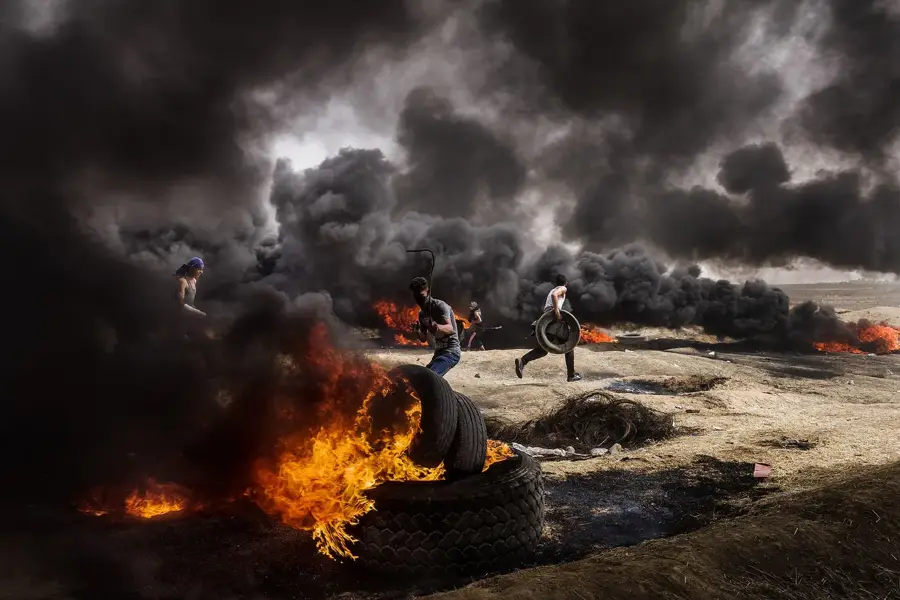
- Starting point of the First Intifada in 1987
- Located within the North Gaza Governorate
- Immediate proximity to the Erez border crossing
- Population consists largely of registered refugees
Explore nearby
Notable places around
Route planner — Car & Motorhome
Where do you start? We build the route here, with stops and country notes along the way.
© OpenStreetMap contributors · OpenRouteService
Sights in the town Jabalia (4)
Frequently asked questions
What is Jabalia mainly?
Are there historical buildings there?
Is the city touristy?
How is the infrastructure?
Best time for a visit?
Jabalia: where is it located?
Jabalia: what is there to see?
Jabalia: when is the best time to visit?
Jabalia: why is it worth visiting?

Nearby cities