Plizio Visual Lab

Arraba Palaces

Plizio editorial teamData Sources
palace
—°4
Arraba Palaces (Palestinian Territories)

Weather…

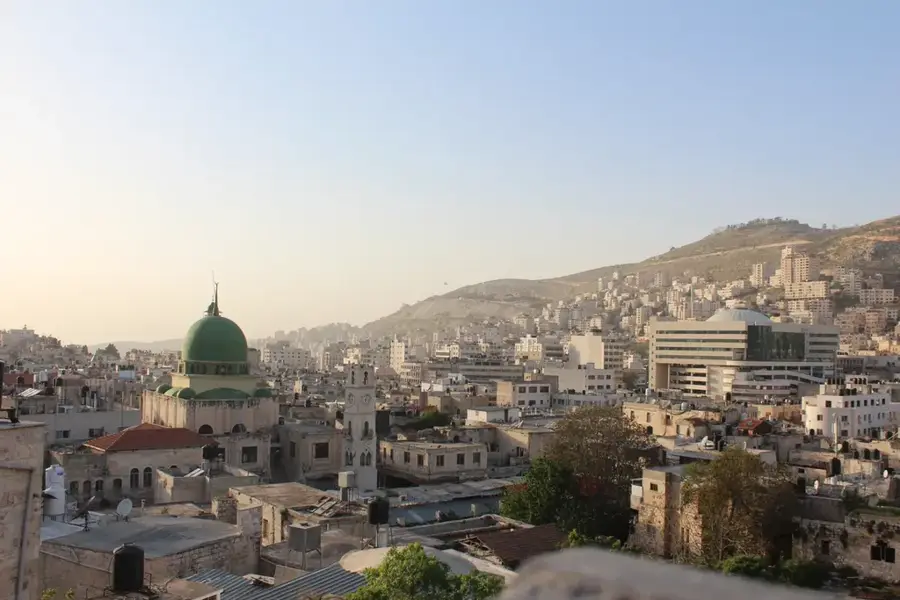
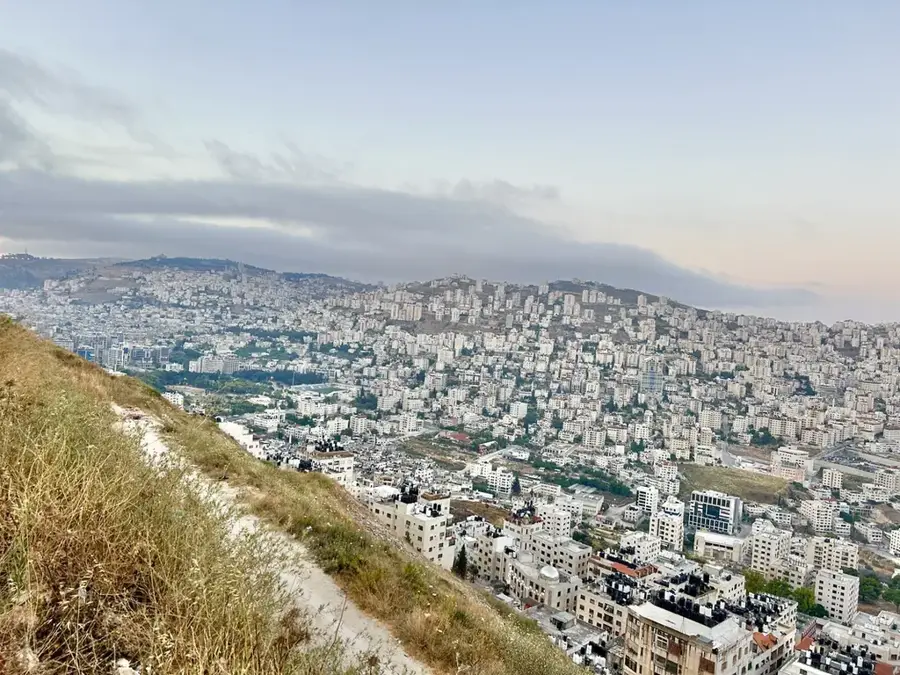
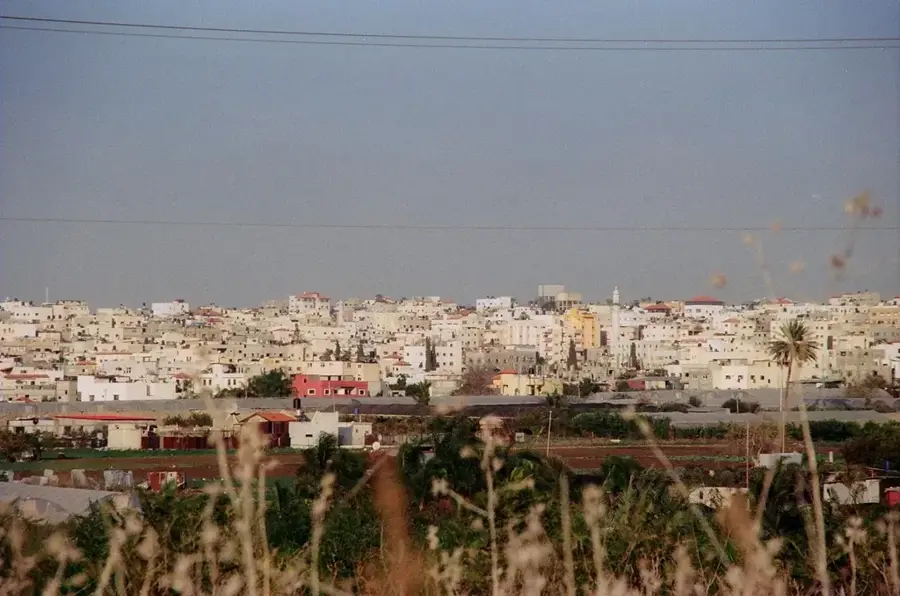
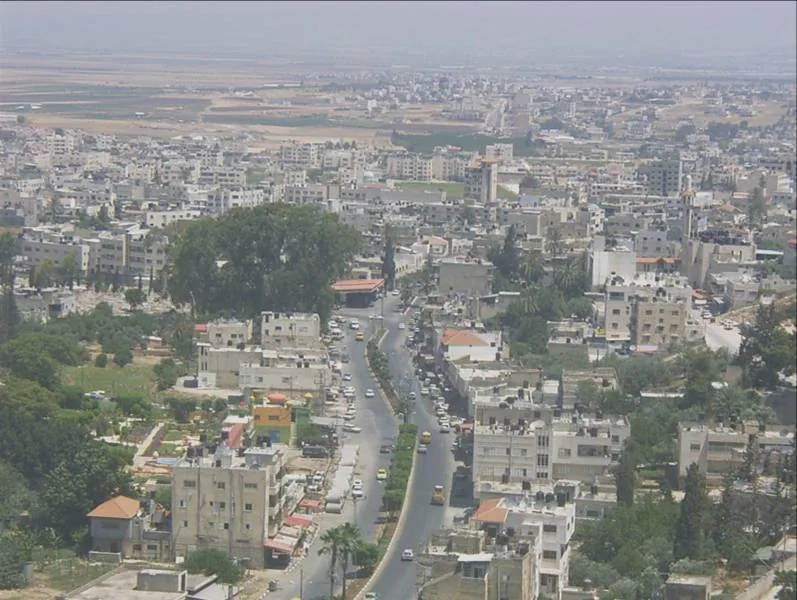
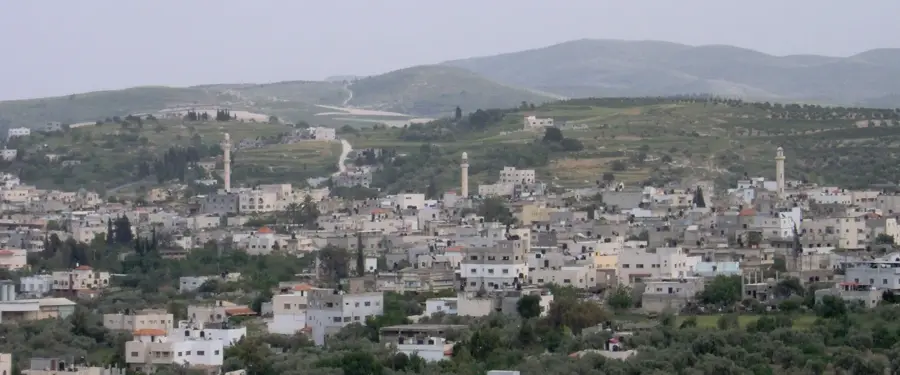
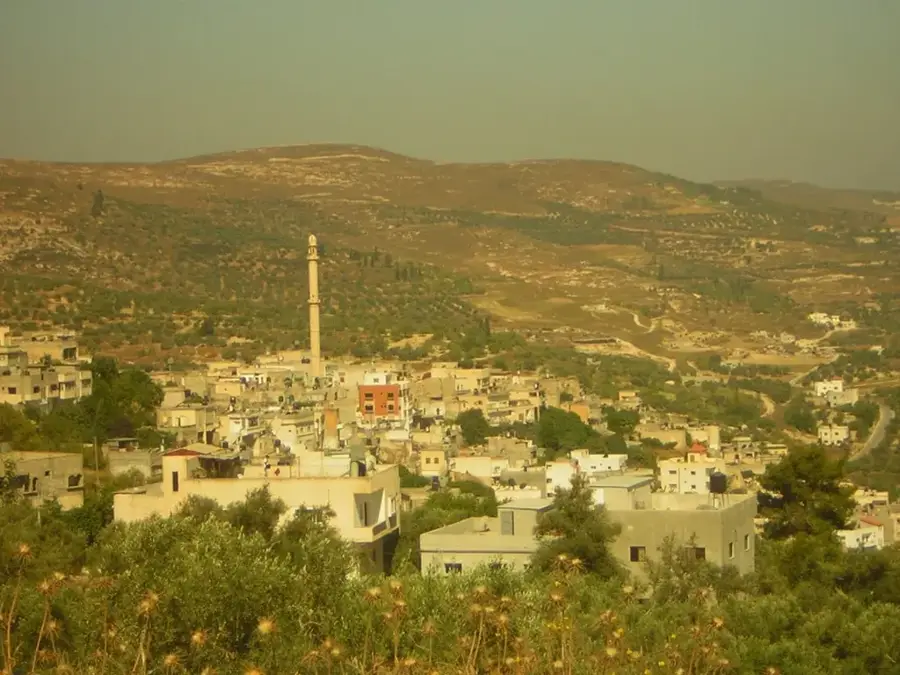
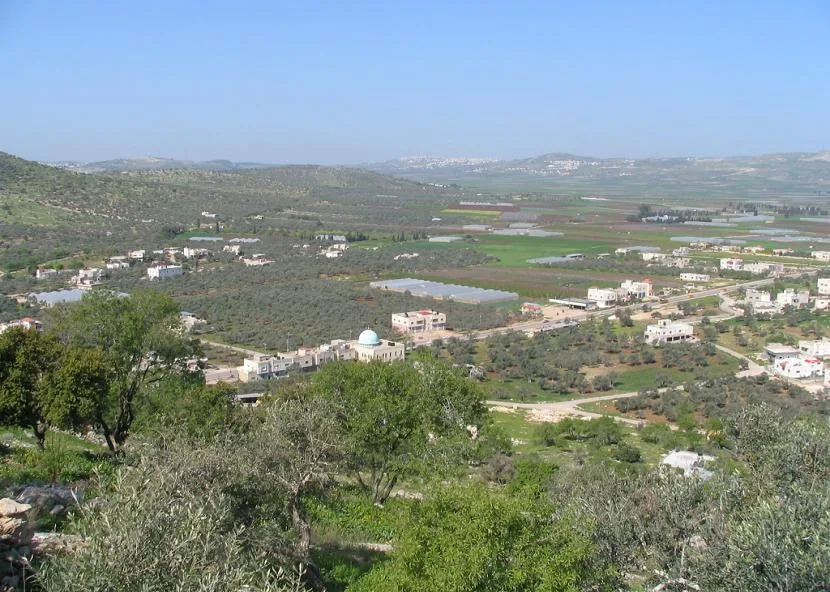
The Arraba Palaces in the northern West Bank are magnificent examples of Ottoman architecture and the political influence of local ruling clans. During the 18th and 19th centuries, Arraba was one of Palestine's 'Throne Villages' (Qura al-Karasi), from which powerful families like the Abd al-Hadi clan governed the surrounding districts. The palace complex features Ottoman Baroque elements, characterized by thick stone walls, ornate arched portals, and spacious courtyards. In recent years, several of these grand buildings have been meticulously restored to preserve Palestinian cultural heritage and now serve as community and arts centers. The architecture reflects a unique blend of defensive fortifications and residential luxury, designed to showcase the status of the ruling elite. Exploring the narrow streets around the palaces has a profound glimpse into the feudal history of Palestine and Arraba's former significance as a major commercial and administrative hub.

Best time to visit & climate

The most pleasant time to visit is May, Jun, Oct.

JanFebMarAprMayJunJulAugSepOctNovDec
Avg °C131315182225272726241915
Rain mm118884723711121857104

📋 Practical info

🚪
Visiting
The magnificent Ottoman-era palaces of Arraba can typically be admired from the outside as you walk through the historic center of the town. Access to the interior of these richly decorated family residences is usually restricted or depends on specific cultural events and restoration status.
🕒
Typical hours
The exteriors of the palaces are visible at any time of day, but the best light for appreciating their architectural details is during standard daylight hours. If any specific palace interiors are occasionally opened to the public, it is typically during daytime hours on non-holiday weekdays.
📷
Photography
Taking photographs of the ornate stone facades, arched windows, and historic alleyways from the public streets is generally welcomed and highly recommended. If you happen to gain access to any interior courtyards, always ask for permission before photographing private or residential areas.
⏱️
Time needed
A leisurely walking tour to admire the architecture of the various palaces scattered throughout Arraba's historic core generally takes about one to two hours. Visitors with a deep interest in Ottoman architecture may wish to spend extra time studying the intricate decorative stonework.
Combine with
A visit to Arraba fits perfectly with an exploration of other historic towns in the northern West Bank, such as Jenin, which is famous for its bustling markets and historic sites. You can also combine this with a scenic drive through the surrounding olive groves and agricultural landscapes.
🧭
Getting there
Arraba is most easily reached by private car or by taking a shared taxi (servees) from the nearby major city of Jenin. Navigating the narrow and winding streets of the old town is best done on foot, so it is advisable to park your vehicle on the outskirts of the historic center.
💡
Insider tip
Respect the local community's privacy by maintaining a considerate noise level while wandering through the residential historic center. Since these are often still living neighborhoods, dressing modestly and greeting locals warmly can greatly enhance your overall visiting experience.

Geography

Coordinates
32.40420, 35.20250

Facts

  • The Abd al-Hadi family once owned and managed over 60 villages in Palestine.
  • There are a total of 13 surviving palaces from this era in Arraba.
  • Hussein Abd al-Hadi, governor of Sidon, commissioned the grandest structures.
  • Some of the palaces feature secret underground passages for use during emergencies.
  • The architecture blends imperial Ottoman styles with local building traditions.
  • The largest building in the complex contains more than 30 separate rooms.

Explore nearby

Notable places around

Route planner — Car & Motorhome

Where do you start? We build the route here, with stops and country notes along the way.

Vehicle
Only stops with (optional):

© OpenStreetMap contributors · OpenRouteService

Sights in the town Arraba Palaces (4)

Mohammed abu salah home📍 landmark

A local attraction in Arraba, one of the Palestinian 'throne villages' with a rich architectural heritage.

Tal alfarah🌿 nature

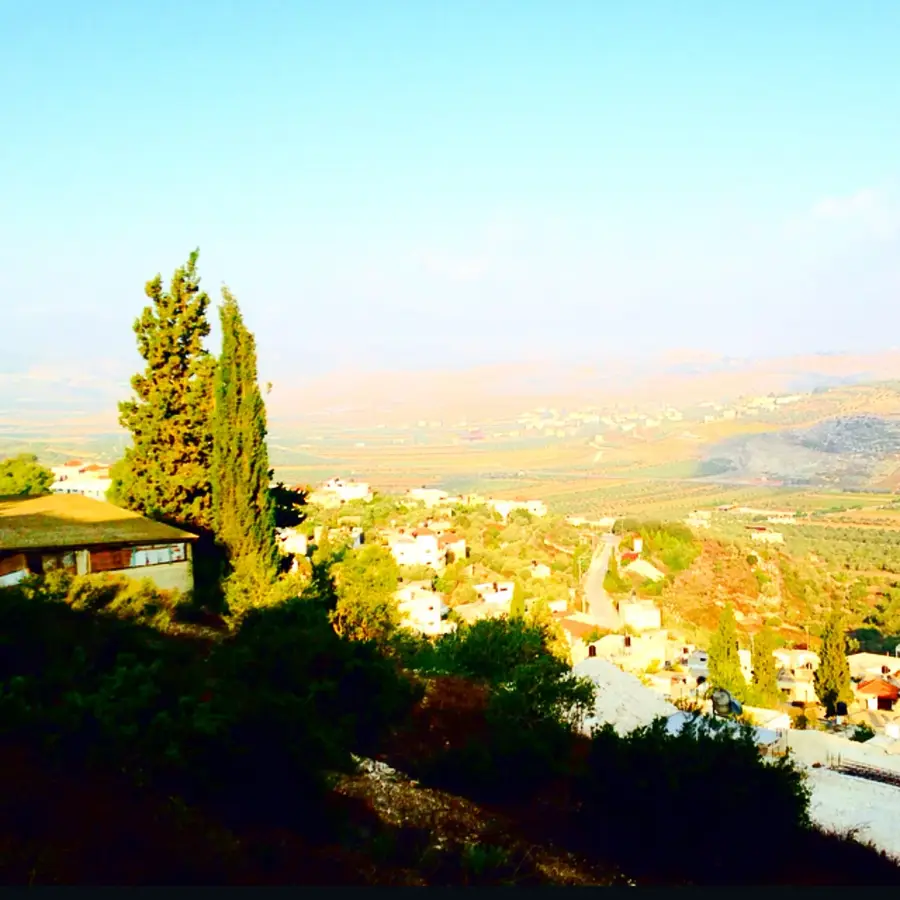
A viewpoint in Arraba offering a panorama over the terraced hills and palaces of the Abdel-Hadi clan.

Al Rama Mosque📍 landmark

A mosque located near the historic Al-Rama neighborhood, known for its ancient olive trees.

Al Mansura Mosque📍 landmark

A place of worship in Arraba, surrounded by the traditional architecture of the Qazaq region.

Sights nearby

Frequently asked questions

What characterizes the palaces of Arraba?
Arraba is famous for its unique, large stone palace houses of local clan leaders from the 18th and 19th centuries.
How much time is needed for the visit?
Plan for about 2 hours to explore the impressive architecture of the various palace buildings.
Is the place well developed for tourism?
No, there is little tourist infrastructure; it is an authentic, inhabited place.
Do I have to pay an entrance fee?
No, as the palaces are mostly privately or community-owned, there are no official entrance fees.
When is the best time to visit?
Weekday mornings are quiet and good for photographing the architecture in peace.
Arraba Palaces: where is it located?
Arraba Palaces is located in Palestinian Territories.
Arraba Palaces: what is there to see?
Highlights include Mohammed abu salah home, Tal alfarah, Al Rama Mosque.
Arraba Palaces: when is the best time to visit?
The most pleasant time to visit is May, Jun, Oct.
Arraba Palaces: why is it worth visiting?
The Arraba Palaces in the northern West Bank are magnificent examples of Ottoman architecture and the political influence of local ruling clans.
View on map → The Top 50 Attractions → OpenStreetMap →
Asia
Explore with Plizio Discover more places in Asia
More places in Palestinian Territories →

Nearby cities

History & landmarks