Plizio Visual Lab

Bat Necropolis
Plizio editorial teamData Sources
ruin
—°4
Bat Necropolis (Oman)

Weather…

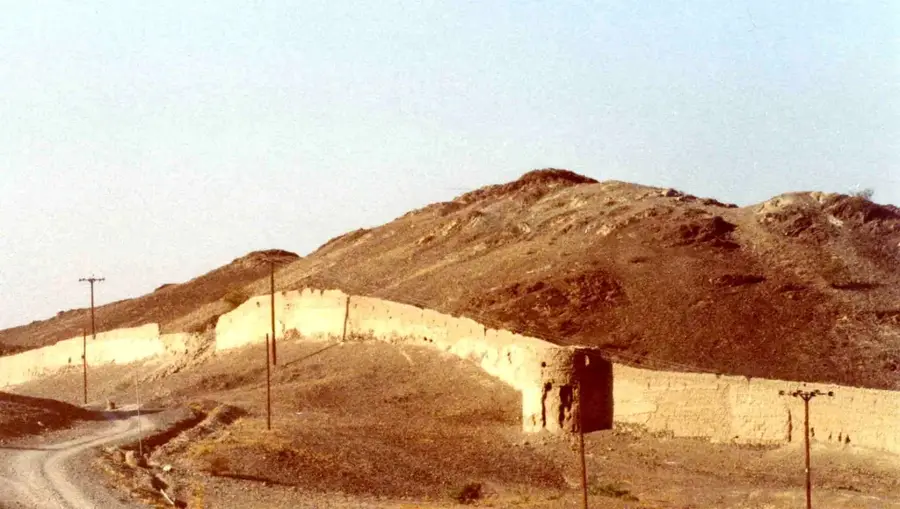
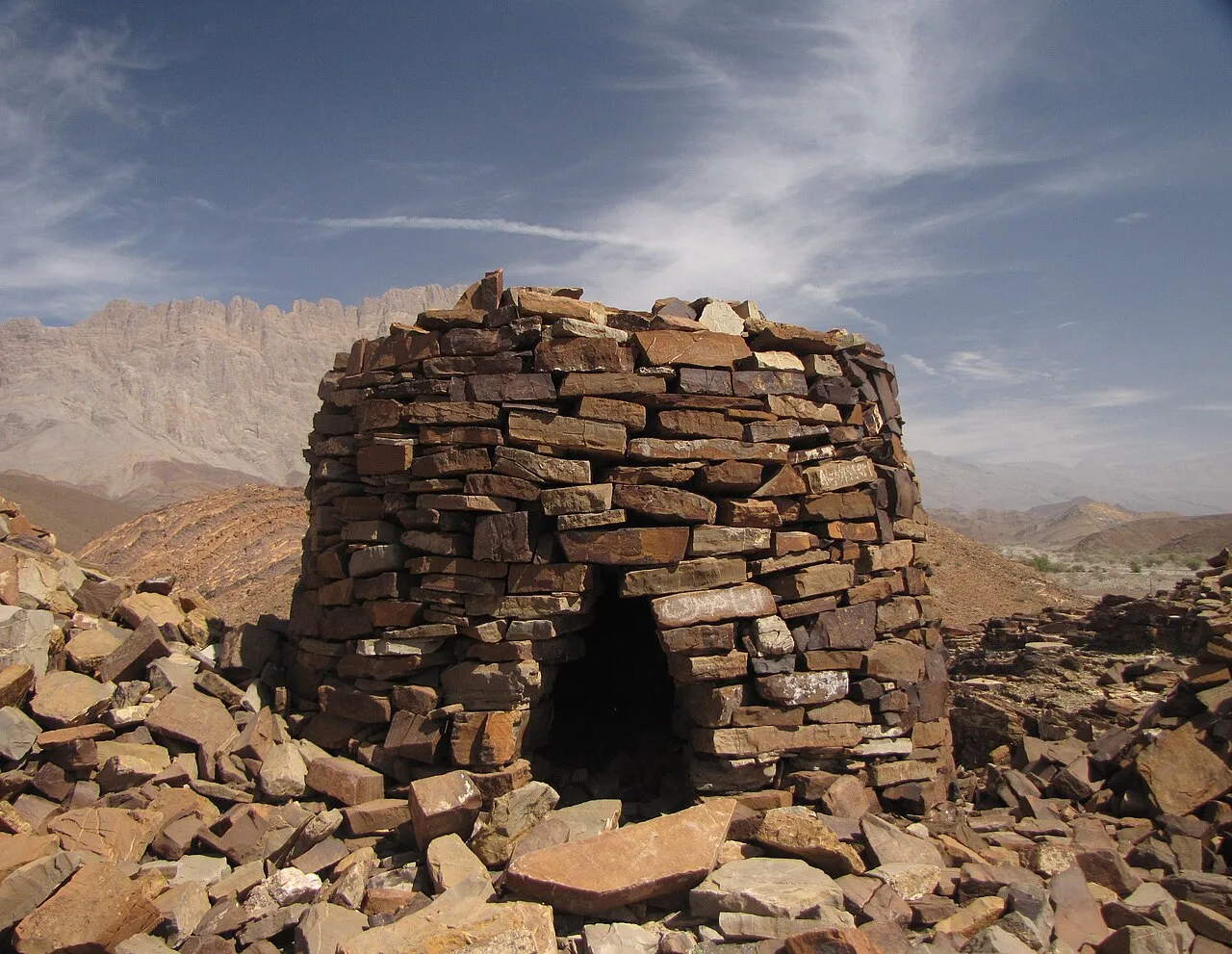
The Bat Necropolis, along with the associated sites of Al-Khutm and Al-Ayn, forms one of the world's most complete ensembles of settlements and tombs from the 3rd millennium BC. Inscribed as a UNESCO World Heritage site in 1988, these locations in the Omani interior testify to a thriving Bronze Age culture enriched by copper trade with Mesopotamia. At Bat, the 'beehive tombs' are particularly striking, constructed from flat stone slabs without mortar and remaining remarkably well-preserved to this day. Al-Ayn provides an impressive row of perfectly aligned tombs set against the dramatic backdrop of the Jebel Misht mountain, making it one of the most photographed heritage sites in the country. Archaeological finds in the settlements, including pottery and tools, demonstrate the early inhabitants' advanced knowledge of agriculture and irrigation. With minimal tourist infrastructure on-site, the monuments retain an authentic and nearly untouched atmosphere. The study of these sites has fundamentally reshaped the understanding of early trade routes between the Arabian Peninsula and the great civilizations of antiquity.

Best time to visit & climate

The most pleasant time to visit is Feb, Nov, Dec.

JanFebMarAprMayJunJulAugSepOctNovDec
Avg °C182024293436373734302420
Rain mm117171064563358

📋 Practical info

🚪
Visiting
The vast archaeological terrain and impressive ancient beehive tombs can be freely explored on foot by interested visitors. Because this is an entirely open-air site without formal modern tourist infrastructure, you are completely responsible for your own safety among the ancient ruins.
🕒
Typical hours
While there are generally no strict gates or official opening hours, it is safest to limit your exploration strictly to daylight hours. Visiting early in the morning or during the late afternoon helps you entirely avoid the punishing midday heat that characterizes this arid region.
📷
Photography
The dramatic landscape dotted with these distinct Bronze Age stone structures provides exceptional opportunities for impressive historical photography. The long shadows cast over the terrain during the golden hour create a spectacular contrast that highlights the ancient stonework.
⏱️
Time needed
Dedicated enthusiasts often spend between one to two hours hiking between the various dispersed tomb structures and ancient settlement areas. A brief stop of thirty minutes is also entirely sufficient if your main goal is simply to observe the largest structures near the road.
Combine with
Maximise your historical excursion by also driving to other culturally related archaeological excavation sites that might be situated in this broader inland territory. Finding a nearby historic desert town provides a base where you can explore traditional regional architecture.
🧭
Getting there
Access to this remote site requires driving, and having a sturdy capable vehicle is strongly advised to safely navigate the rough, unpaved tracks. Given the scarcity of clear road signs, having a pre-downloaded offline map is virtually essential for reaching the location without getting lost.
💡
Insider tip
Because there is absolutely no shade and no facilities available anywhere near the area, it is vital that you bring an abundant supply of drinking water and adequate sun protection. Sturdy walking boots are also a must, as the rocky ground surrounding the ancient structures is rough.

Geography

Coordinates
23.27220, 56.74580

Facts

  • UNESCO World Heritage Site since 1988
  • Dates back to the Bronze Age (3rd millennium BC)
  • Famous for its unique beehive-shaped tombs
  • Evidence of early copper trade with Mesopotamia
  • The Al-Ayn site is set against the Jebel Misht mountain
  • Consists of three separate archaeological areas

Explore nearby

Notable places around

Route planner — Car & Motorhome

Where do you start? We build the route here, with stops and country notes along the way.

Vehicle
Only stops with (optional):

© OpenStreetMap contributors · OpenRouteService

Sights in the town Bat Necropolis (4)

Bat Archaeological Site🏺 historical

A UNESCO World Heritage site featuring well-preserved beehive-shaped tombs from the 3rd millennium BC.

Jabal al Alan🌿 nature

A prominent mountain overlooking the valley that houses the ancient necropolis of Bat.

Archaeological Tower of Al Khutm🏺 historical

Remains of a massive stone circular tower part of the prehistoric complex at Al Khutm.

Bat Necropolis🏺 historical

A vast prehistoric burial ground consisting of numerous stone beehive-shaped graves.

Sights nearby

Frequently asked questions

What is special about the necropolises of Bat?
It is a prehistoric site dating back to the 3rd millennium BC, part of the UNESCO World Heritage.
Is the site easy to find?
A rental car with GPS is highly recommended, as the site is somewhat isolated in the desert.
Is there an entry fee?
Currently, access to the ruins is mostly free and not controlled by ticket booths.
What equipment should one bring?
Good footwear, sun protection, and sufficient water are essential for the terrain.
When is the best time to visit?
The winter months are well-suited as summer temperatures in this area are extremely high.
Bat Necropolis: where is it located?
Bat Necropolis is located in Oman.
Bat Necropolis: what is there to see?
Highlights include Bat Archaeological Site, Jabal al Alan, Archaeological Tower of Al Khutm.
Bat Necropolis: when is the best time to visit?
The most pleasant time to visit is Feb, Nov, Dec.
Bat Necropolis: why is it worth visiting?

The Bat Necropolis, along with the associated sites of Al-Khutm and Al-Ayn, forms one of the world's most complete ensembles of settlements and tombs from the 3rd millennium BC.
View on map → The Top 50 Attractions → OpenStreetMap →
Asia
Explore with Plizio Discover more places in Asia
More places in Oman →

Nearby cities

Nature

More places