Plizio Visual Lab

Notodden Industrial Cluster
Plizio editorial teamData Sources
Industrial site
—°6
Notodden Industrial Cluster (Norway)

Weather…

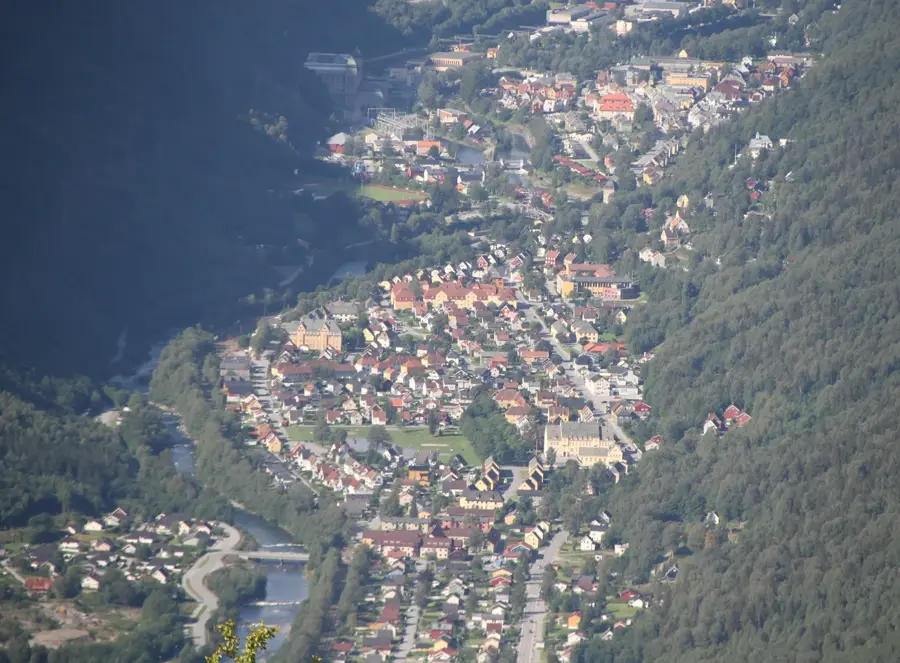
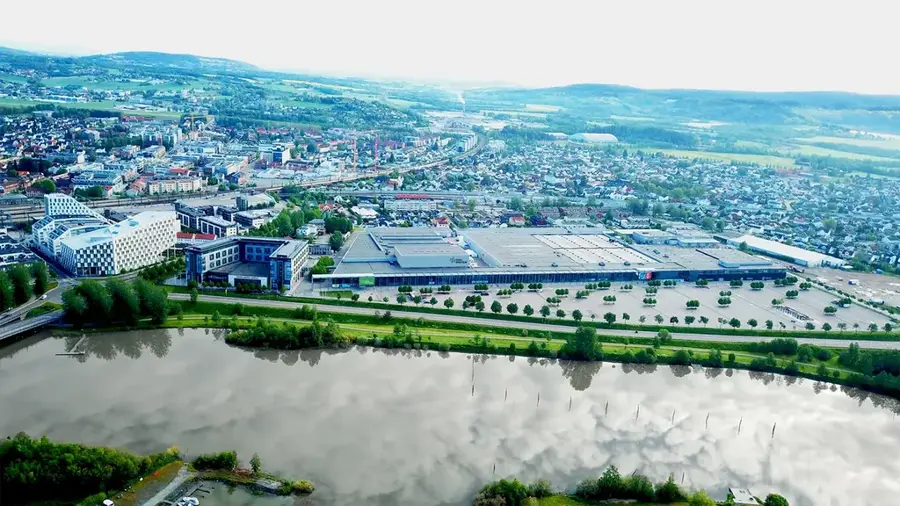
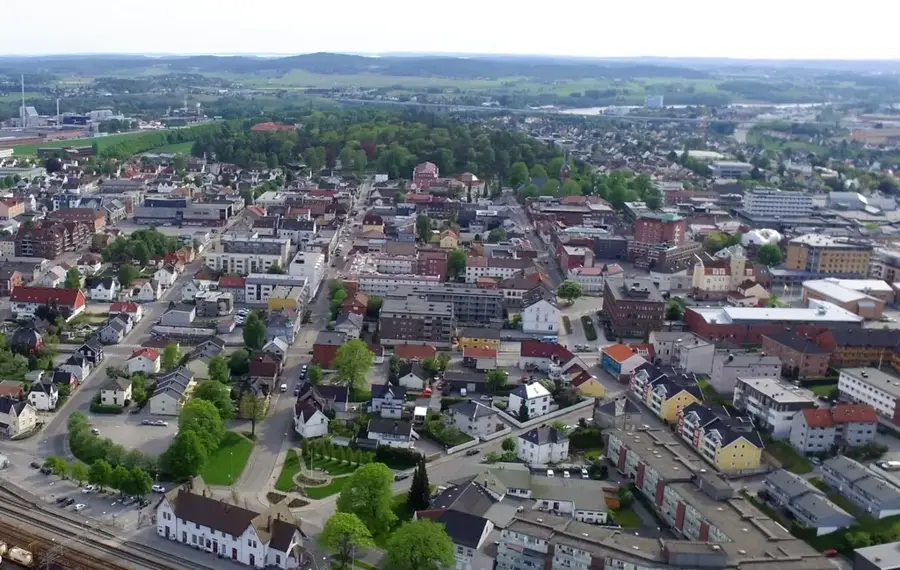
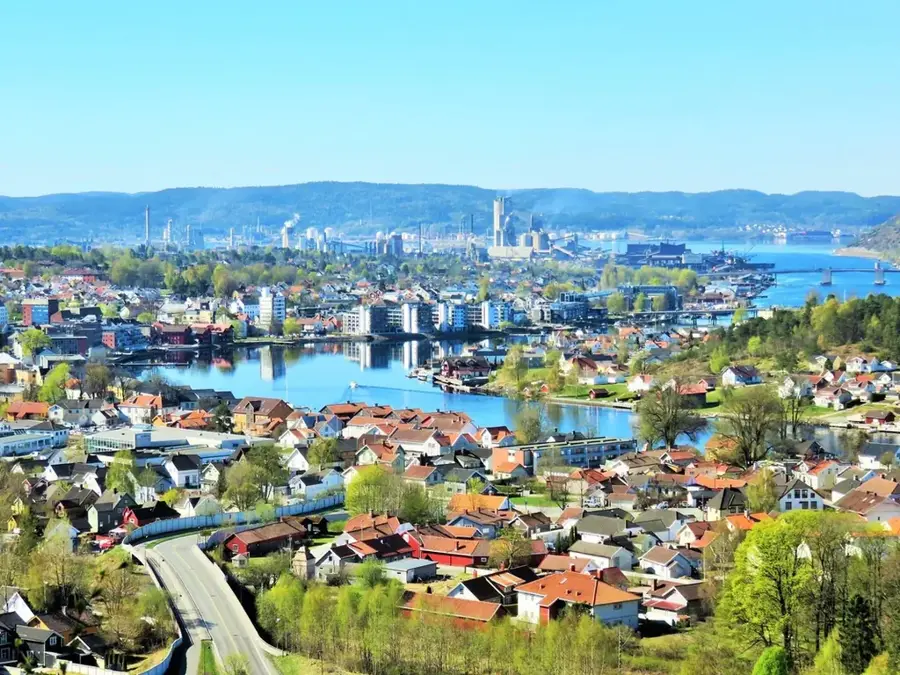
The Notodden industrial cluster is globally recognized as the birthplace of Norsk Hydro and plays a fundamental role in Norway's industrial history. It was here in 1905 that Kristian Birkeland and Sam Eyde developed the Birkeland-Eyde process for fixing atmospheric nitrogen to produce mineral fertilizers. This technological breakthrough laid the foundation for modern Norwegian chemical manufacturing and global food production. Harnessing the massive hydroelectric power of the Tinnelva river was essential for the energy-intensive operations of the earliest factories. Since 2015, Notodden, along with Rjukan, has been designated as a UNESCO World Heritage site, underscoring the universal significance of this pioneering achievement. Today, the site hosts a modern technology and knowledge center specializing in renewable energy and maritime technologies, while the historic industrial facilities are preserved as monuments to a transformative era, documenting the evolution toward a knowledge-based economy.

Best time to visit & climate

The most pleasant time to visit is Jun–Aug.

JanFebMarAprMayJunJulAugSepOctNovDec
Avg °C-5-5-239131514104-1-4
Rain mm103797278107110128136119137122101

📋 Practical info

🏭
What is this place?
The Notodden Industrial Cluster was historically significant for the chemical industry, especially fertiliser production and hydropower utilisation. Today it hosts technology and mechanical engineering companies that build on the industrial heritage. The cluster symbolises the shift from traditional chemistry to modern engineering.
🚪
Visiting
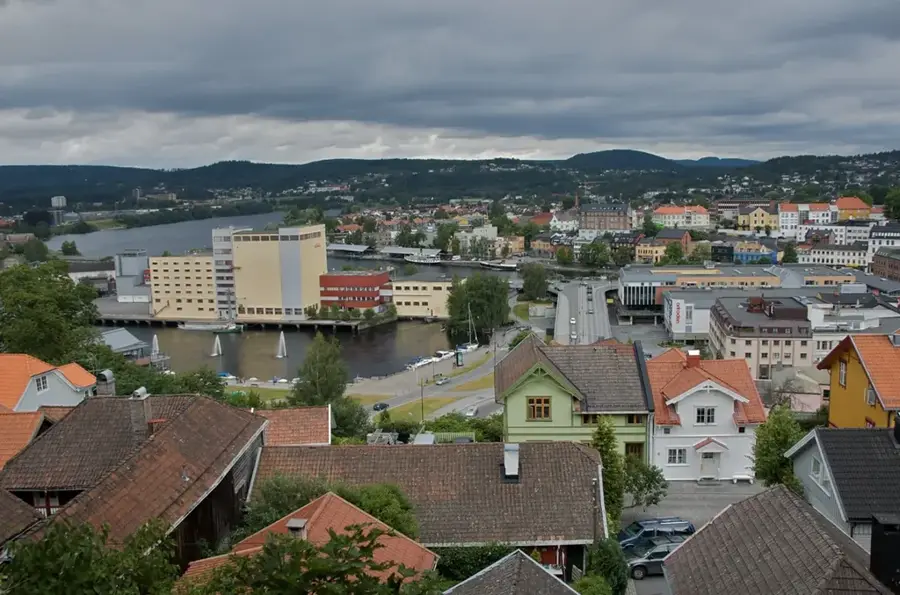
The current industrial buildings are mostly in active use and not freely accessible. However, some historical facilities and the Notodden Industrial Museum offer insights into the site's past. From outside, one can see the old factory facades and the impressive waterfall infrastructure.
👀
Where to view it
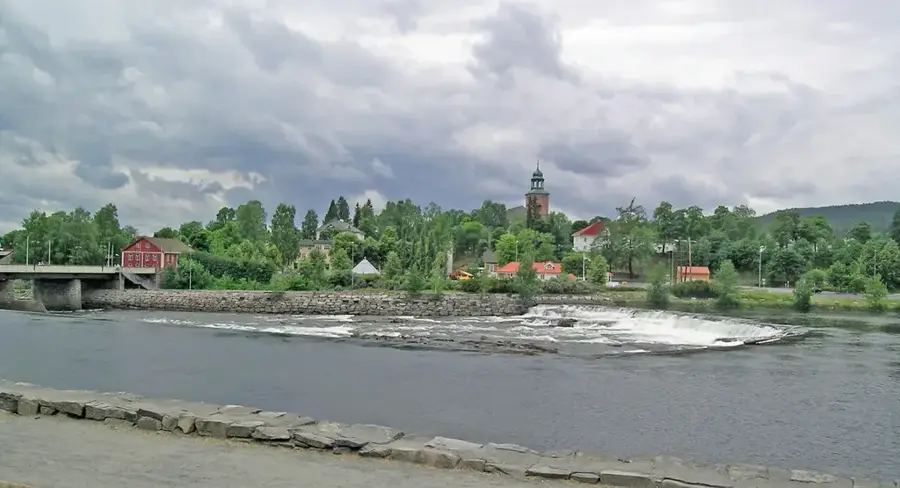
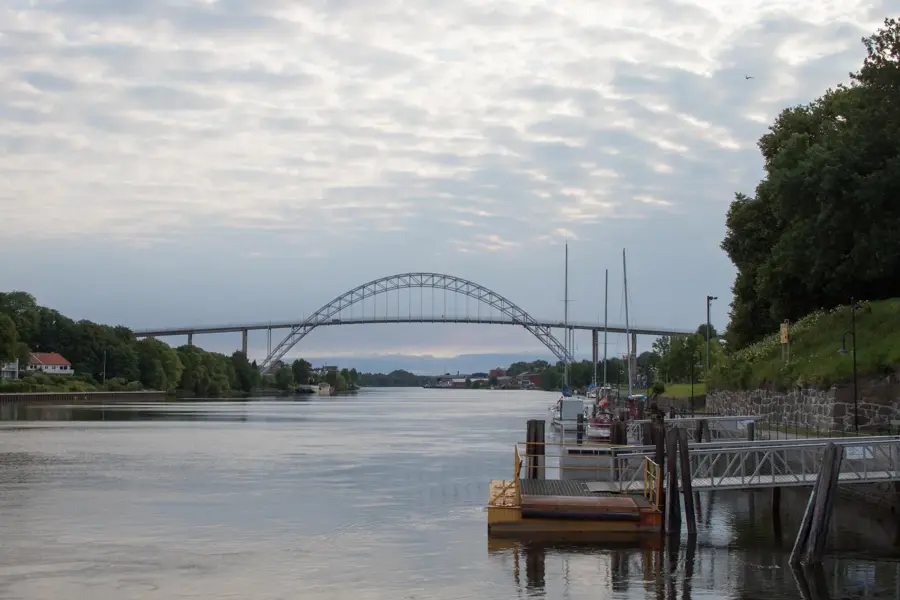
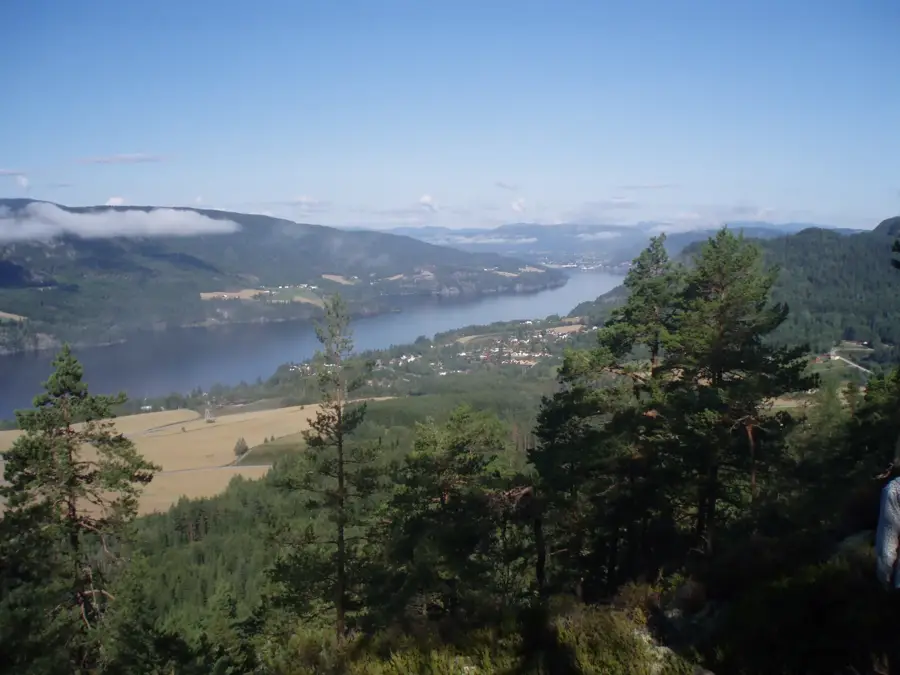
An excellent viewpoint over the cluster and surrounding landscape is the road above the town or the bridge at Tinnefossen waterfall. From there, one has a direct view of the historic factories and the river that provided hydropower. The car park near the museum also features a good perspective.
🧺
Local products
Historically, fertilisers and chemical products were made here; today local firms produce technology components and machinery. Travellers can see product examples and authentic exhibits from the chemical era in the museum. Current products are often found on the regional technology market.
📆
Active season
The premises operate year-round, with production typically running on weekdays. The museum has seasonal opening hours, mostly in summer months and for special events. The historical sites are accessible from outside all year.
Nearby
Combine the industrial visit with the nearby Telemark Canal, offering an impressive flight of locks. Notodden town itself invites a stroll through the city centre with cafés and the Industrial Museum. The surrounding forests and lakes are also suitable for hikes.

Geography

Coordinates
59.56300, 9.25500

Facts

  • The first factory for nitrogen fixation was established in Notodden in 1905.
  • The Birkeland-Eyde process revolutionized global mineral fertilizer production.
  • Notodden has been part of the UNESCO World Heritage site Rjukan-Notodden since 2015.
  • The city is home to the Tinfos hydroelectric plant, a pioneering energy project.
  • Today, the site focuses on maritime technologies and renewable energy solutions.
  • The industrial cluster was instrumental in the founding of the Norsk Hydro company.

Explore nearby

Notable places around
Route planner — Car & Motorhome

Where do you start? We build the route here, with stops and country notes along the way.

Vehicle
Only stops with (optional):

© OpenStreetMap contributors · OpenRouteService

Sights in the town Notodden Industrial Cluster (6)

Semsøyene naturreservat🌿 nature

A nature reserve near Notodden preserving important local ecosystems.

Telemark Art Museum - World Heritage Centre🏛 museum

Art museum and world heritage centre in Notodden combining art and industrial history.

Bok & Blueshuset🏛 museum

A cultural center in Notodden housing a library, cinema, and a blues museum.

Eikeskardet🌿 nature

A viewpoint near Notodden offering views over the town and the landscape.

Mikrofonen🏺 historical

A monument in Notodden, often associated with the town's significant blues tradition.

Galleri Grette🏛 museum

An art gallery in Notodden exhibiting works by local and national artists.

Sights nearby

Frequently asked questions

Why is Notodden part of the UNESCO World Heritage?
Together with Rjukan, it was recognized for its pioneering role in the electrochemical industry.
What invention made Notodden world-famous?
The Birkeland-Eyde process for extracting nitrogen fertilizer from the air.
Can you visit the old industrial facilities?
Yes, the Telemark Business Park houses museums and historical buildings of the industrial heritage.
What is Notodden culturally known for?
Notodden is famous for its annual Blues Festival, one of the largest in Europe.
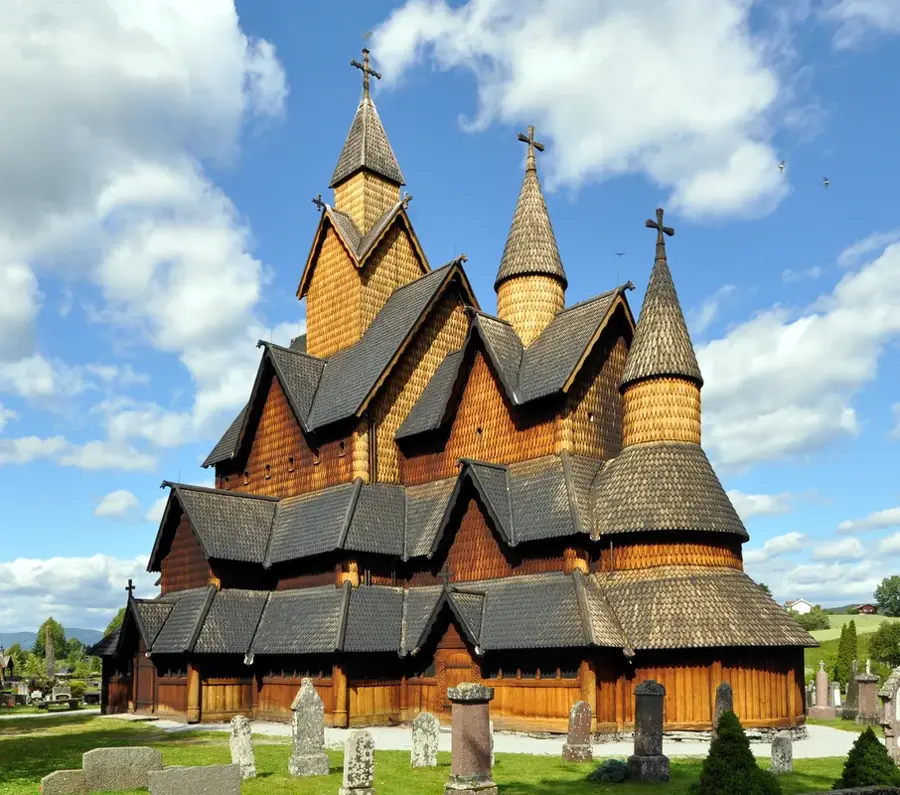
What is the Heddal Stave Church?
Norway's largest stave church, located just a few kilometers from Notodden.
Notodden Industrial Cluster: where is it located?
Notodden Industrial Cluster is located in Norway.
Notodden Industrial Cluster: what is there to see?
Highlights include Semsøyene naturreservat, Telemark Art Museum - World Heritage Centre, Bok & Blueshuset.
Notodden Industrial Cluster: when is the best time to visit?
The most pleasant time to visit is Jun, Aug.
Notodden Industrial Cluster: why is it worth visiting?

The Notodden industrial cluster is globally recognized as the birthplace of Norsk Hydro and plays a fundamental role in Norway's industrial history.
View on map → The Top 50 Attractions → Most beautiful beaches → OpenStreetMap →
Europe
Explore with Plizio Discover more places in Europe
More places in Norway →

Nearby cities

History & landmarks