Olavsdagene Sarpsborg
Annual festival in late July honouring the city's founder St Olav, with a Viking market in Landeparken, historical reenactments, parades and markets.
PlizioGo
Hearty Norwegian meat meals can be found in traditional restaurants in the town center.
Stop by a bakery for a 'skolebolle' (sweet roll with custard and coconut) or fresh bread.
Enjoy fresh salmon dishes at restaurants situated near the river or in the center.
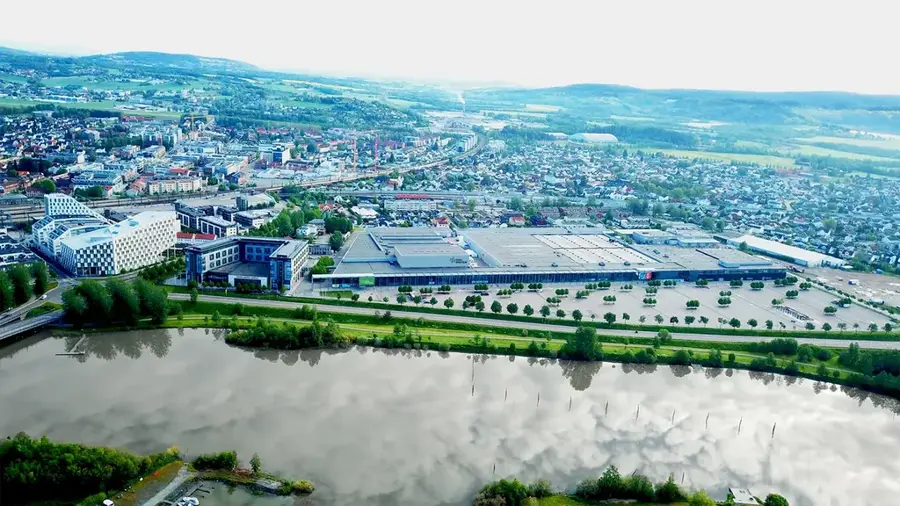
The main shopping mall at the edge of the city square, housing a wide variety of stores.
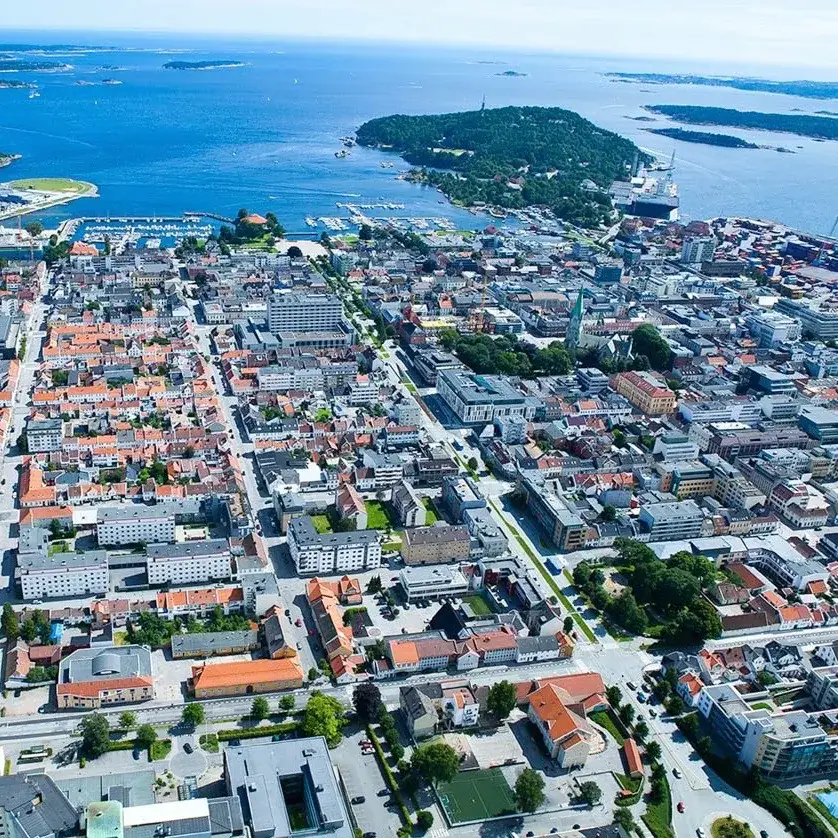
Stroll down the car-free streets in the center for independent boutiques and cafes.
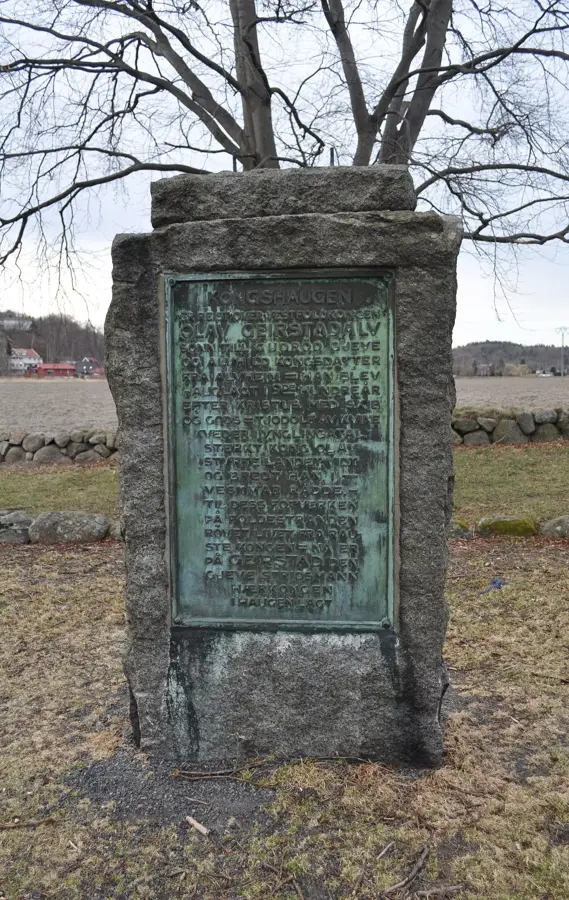
The green lung of the city, first-rate for a quiet stroll among the trees and historical monuments.
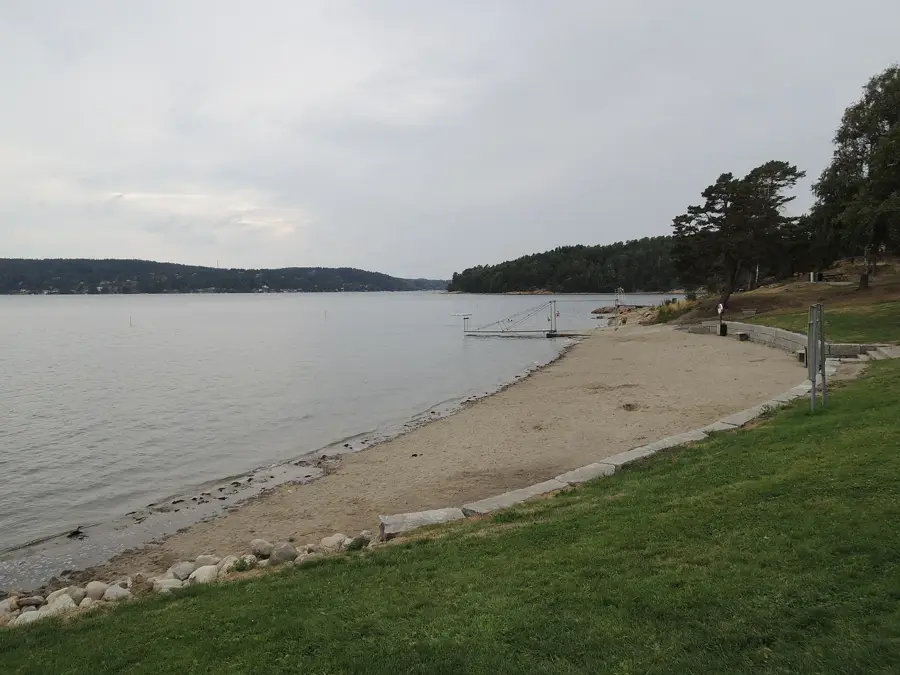
A beautiful lake just outside the center, convenient for a peaceful picnic or watching the sunset.
Water temperature…
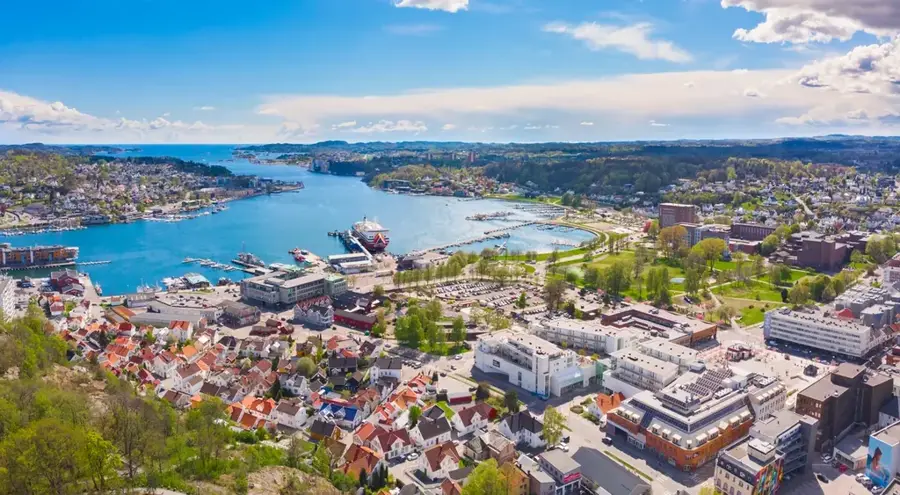
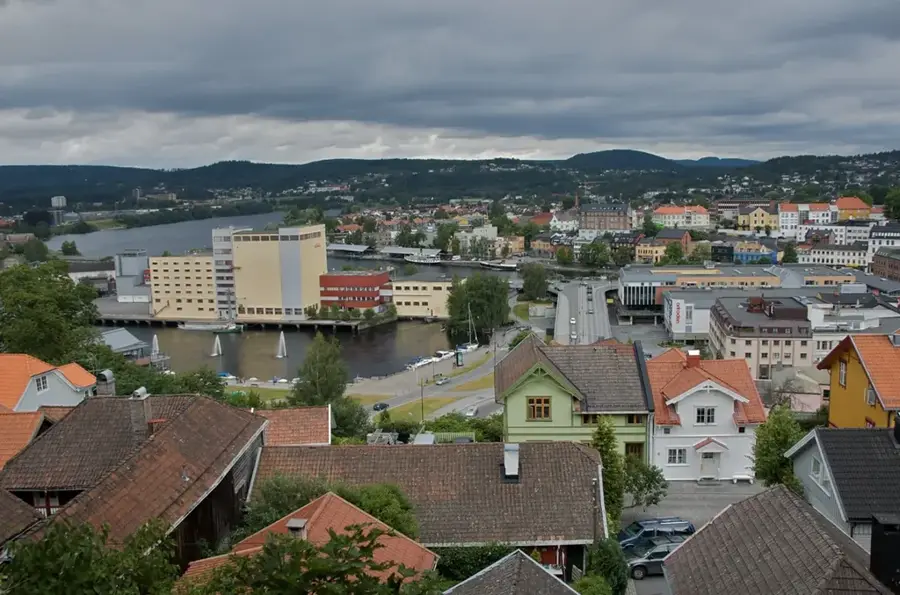
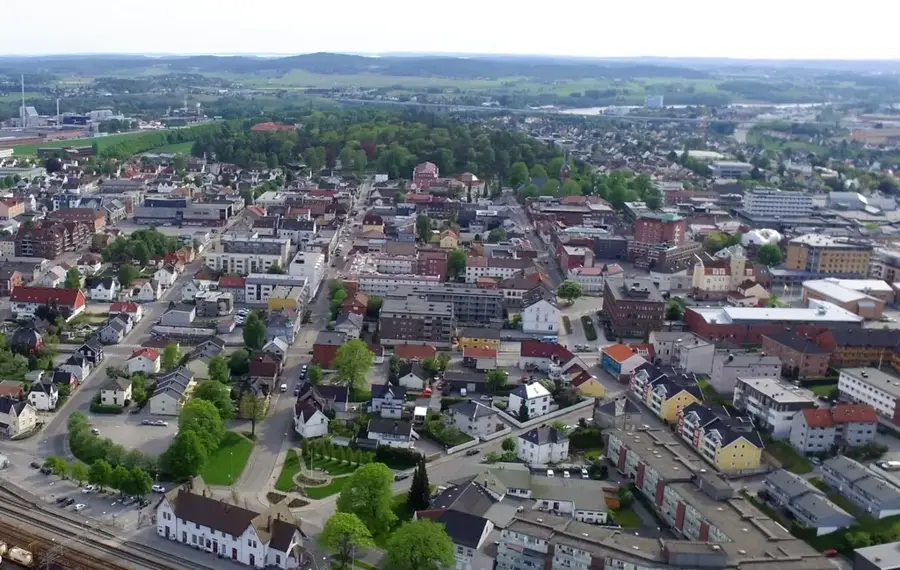
Sarpsborg is located in Østfold county in southeastern Norway, on the banks of the Glomma River. The city was founded in 1016 by King Olaf the Holy and served as Norway's first capital for a time. A defining natural feature is Sarpsfossen, one of Europe's most powerful waterfalls, whose energy has driven the region's industrial development for centuries. Sarpsborg was a pioneer site for the paper and pulp industry, with the Borregaard company still maintaining global significance today. Historical attractions such as the Borgarsyssel Museum showcase archaeological finds from the medieval city walls and the region's storied past. Today, the city is characterized by a blend of industrial heritage and modern service facilities. Culturally, Sarpsborg features a wide spectrum of events, from sports competitions to music festivals. Its proximity to the Swedish border and excellent connections to Oslo make Sarpsborg an attractive economic hub. Furthermore, the surrounding area is rich in prehistoric rock carvings, which are among the most significant in Scandinavia.
The most pleasant time to visit is Jun–Aug.
| Jan | Feb | Mar | Apr | May | Jun | Jul | Aug | Sep | Oct | Nov | Dec | |
|---|---|---|---|---|---|---|---|---|---|---|---|---|
| Avg °C | -4 | -3 | 0 | 6 | 11 | 15 | 17 | 16 | 12 | 6 | 2 | -2 |
| Rain mm | 80 | 61 | 53 | 58 | 82 | 86 | 102 | 116 | 90 | 105 | 97 | 80 |
See what it looks like near Sarpsborg right now.
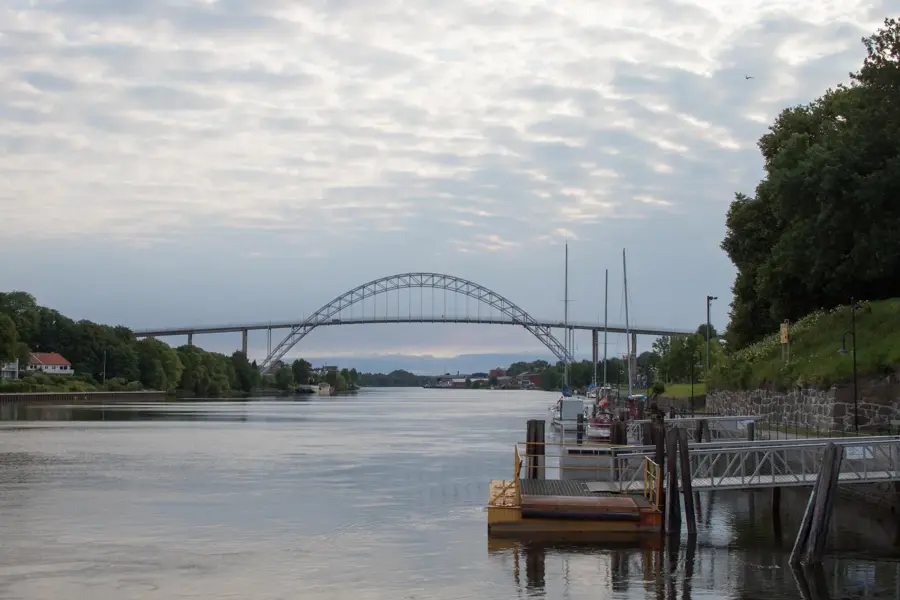
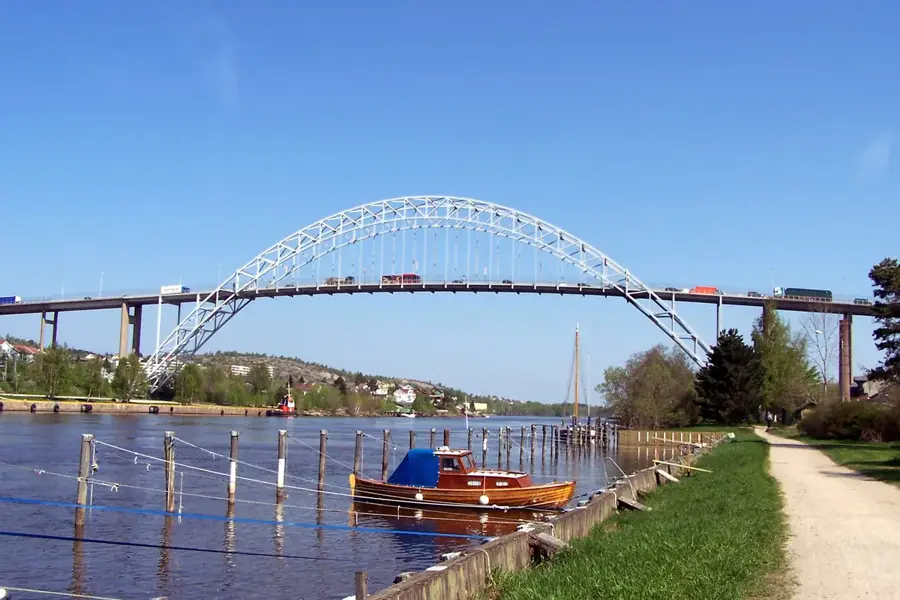
Sarpsborg › North: Sarpsbrua · 2.1 km · Open webcam on Windy · Webcams provided by Windy.com
Notable places around
Where do you start? We build the route here, with stops and country notes along the way.
© OpenStreetMap contributors · OpenRouteService
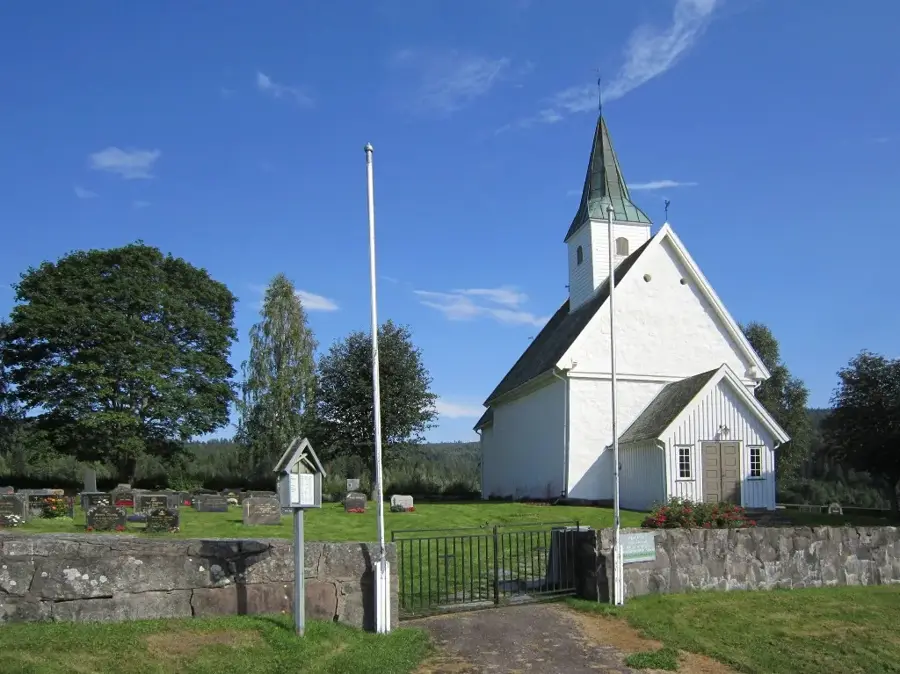
Start your day with a walk to Sarpsborg Church, followed by relaxing time in the green Kulås Park. In the morning, delve into local history at the Borgarsyssel Museum. After lunch, feel the power of the Sarpsfossen Waterfall. The afternoon concludes with an elegant visit to Hafslund Manor, strolling through its historic park. A day full of culture and nature, all within walking distance.
The day starts at Sarpsborg Church, where the rain drumming on the roof sets a calm pace. Walking through Kulåsparken requires a good umbrella, but the dense trees provide some natural cover. By noon, the Borgarsyssel Museum offers the perfect indoor sanctuary. Staying dry inside the historical exhibits allows for a deep dive into the city's Viking and industrial past. In the afternoon, the Sarpsfossen waterfall shows its dramatic side; the rain adds to the water volume, making the roar even more powerful. The mist blends with the falling rain. Ending at Hafslund Manor, the bright facade stands out against the grey sky. A quick dash to the entrance keeps the dampness at bay while enjoying the manor's grand architecture.
Cold wind whistles past the church as snow muffles the streets of Sarpsborg. The short daylight hours make the morning visit to the city center particularly precious. By noon, Kulåsparken becomes a winter wonderland. The low-hanging sun casts long shadows over the snow-covered burial mounds. In the afternoon twilight, Borgarsyssel Museum provides a warm haven. The illuminated ruins of St. Nicholas Church look almost mystical against the white snow. The day ends early in the dark at Sarpsfossen. The icy water roars between frozen banks before you find warmth and light near the Hafslund Manor estate.
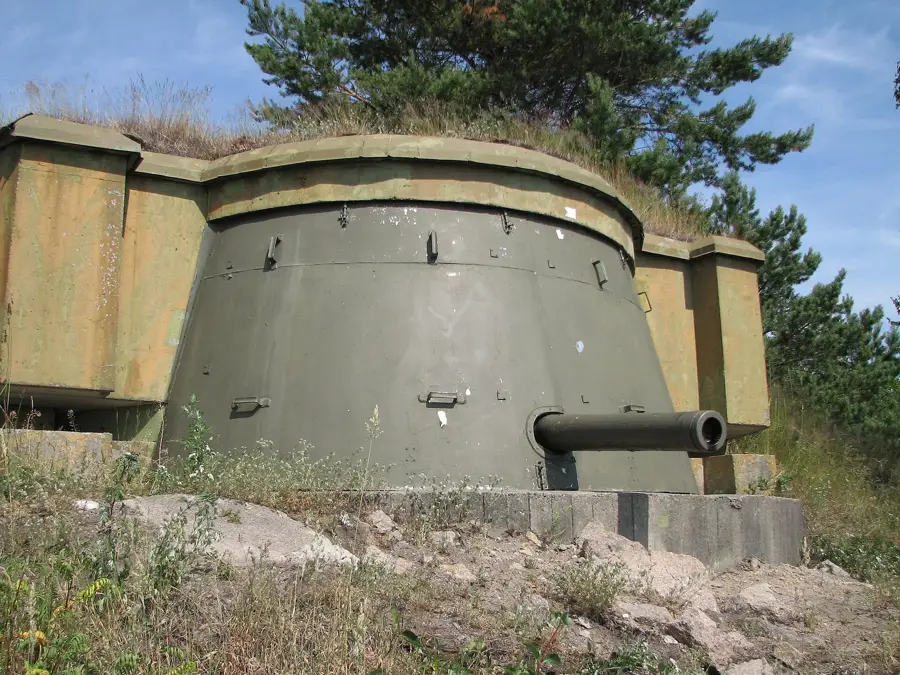
Hop on your bike and start at Sarpsborg Church. Cycle through Kulås Park before taking a longer break at Borgarsyssel Museum. After lunch, the path leads you to the impressive Sarpsfossen Waterfall. Explore Hafslund Manor and then enjoy a longer tour to the scenic Lake Tunevannet. The day ends with a historic trip to Greåker Fort, offering wide views.
Braving the rain on two wheels, we start at the city church. Kulåsparken offers winding paths that require caution under the wet autumn leaves. After a break at the museum, we pedal towards Sarpsfossen. The roar of the falls is so immense that the rain feels like a minor detail. The ride to Tunevannet lake is refreshing; the water looks calm and mysterious through the mist. The day ends with a quick spin back to the center, where modern bike lanes make commuting easy even in wet conditions.
Winter cycling requires courage and studded tires. Starting at the church, we glide over frozen asphalt into the quiet Kulåsparken. The cold at Sarpsfossen is biting, but the sight of ice floes in the Glomma river is worth every bit of effort. At Tunevannet, we experience the silence of frozen nature. Cyclists are rare here in winter, giving the trip an exclusive feel. The day ends with a climb to Greåker Fort, rewarded by a vast view over the snow-covered Østfold countryside.
Park in the center and explore Kulås Park, the church, and Borgarsyssel Museum on foot. In the morning, drive to Hafslund Manor, then walk to the nearby Sarpsfossen Waterfall. After lunch, a short drive takes you to the interactive Inspiria Science Center, ideal for families. The day concludes with a drive to Greåker Fort to watch the sunset over the region.
Rainy days in Sarpsborg are most comfortable by car. We start at Kulåsparken, where convenient roadside parking is available. After visiting the church, we drive to Borgarsyssel Museum. The car serves as a dry base while moving between the open-air exhibits. By noon, we reach Hafslund Manor. Looking out at the rain-soaked gardens from the warmth of the cabin is quite peaceful. The afternoon is dedicated to the Inspiria Science Center. It's the perfect place to stay dry for hours before ending at Greåker Fort.
Sarpsborg in winter is a drive through a sparkling white world. We start at Kulåsparken, where snow-laden trees line the parking area. After the church visit, we appreciate the seat heaters on the way to the museum. Østfold’s snowy countryside rolls past the windows. By noon, we reach Hafslund. The manor house in the snow is a quintessential Norwegian winter scene. The day ends at Inspiria and Greåker Fort. The drive up to the fort in the snow is a small adventure, but the panoramic view is worth the climb.