Plizio Visual Lab
Pyongyang
ℹ️Practical info — Pyongyang
▾
🌤 Weather — 5 days
📍 Nearby
Sights nearby
💡 Tips
- You must be accompanied by your official guides at all times when outside your hotel.
- Ask for permission before taking photos of locals or military personnel.
- The Pyongyang Metro is a highlight; you'll likely ride between Puhung and Yonggwang stations.
- Bring foreign currency (EUR, USD, or RMB) in small denominations, as local Won is not usually available to tourists.
🍽 Food
Famous at Okryu-gwan if your tour includes it.
Best enjoyed at the Taedonggang Microbrewery.
Usually arranged at designated tourist restaurants by your guides.
🛍 Shopping · 🧘 Quiet spots
One of the few places tourists can shop with locals and exchange currency.
Excellent souvenirs available at the Koryo Hotel or Yanggakdo Hotel shops.
A great place to see locals having picnics and dancing on weekends.
Scenic walks with your guides along the city's main waterway.
Water temperature…
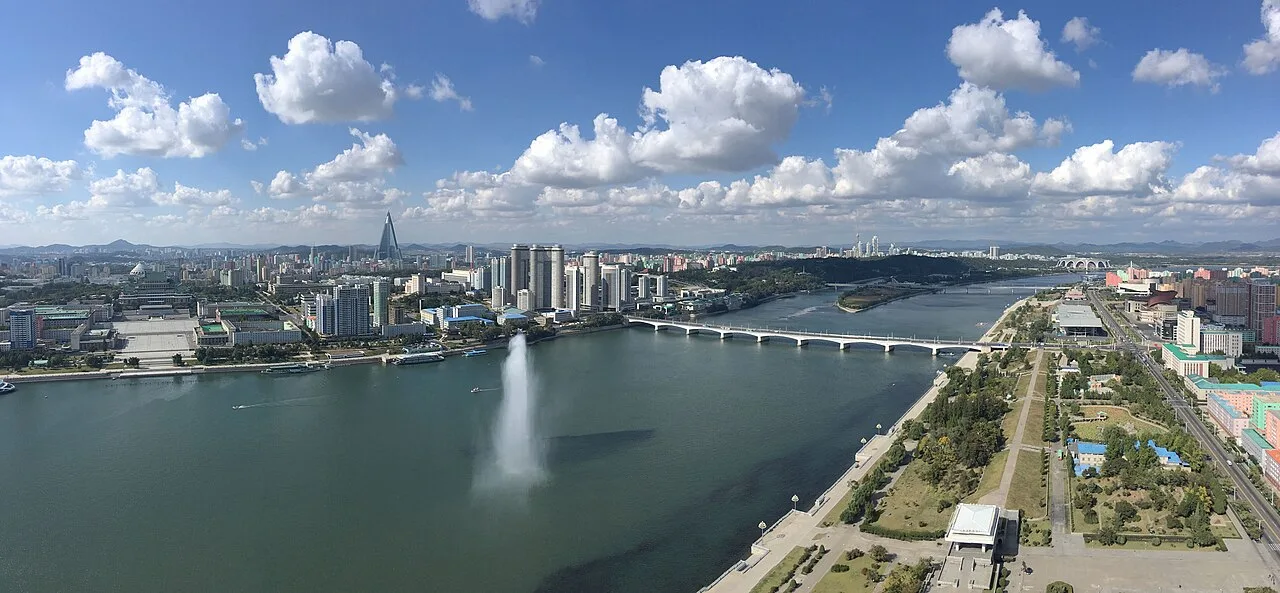
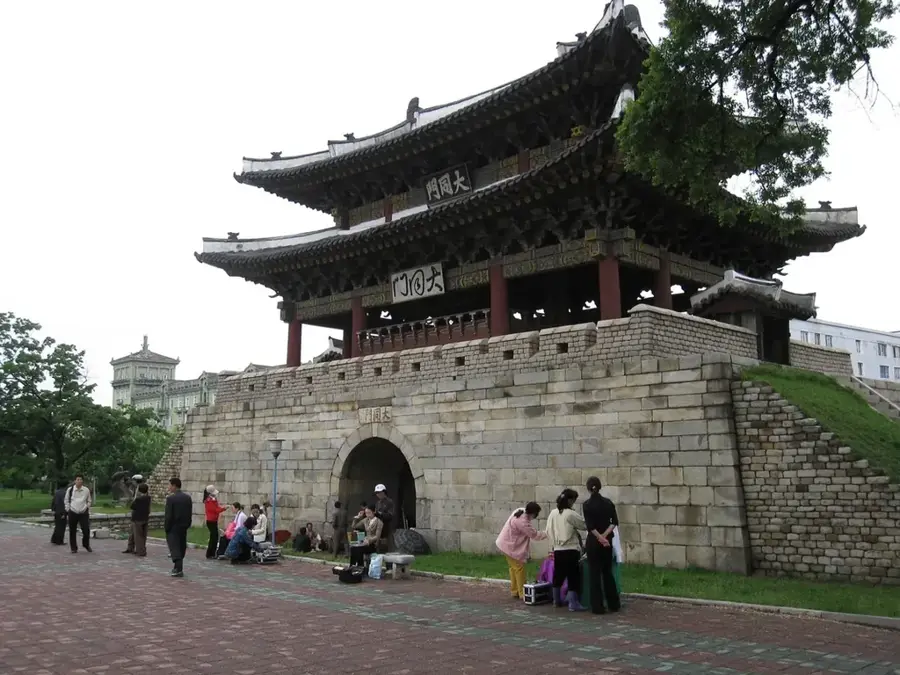
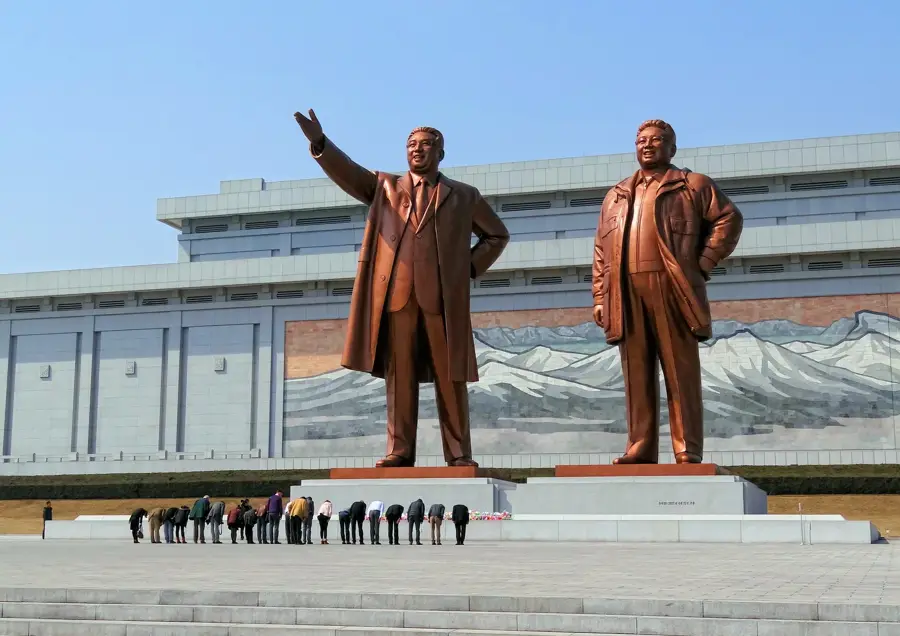
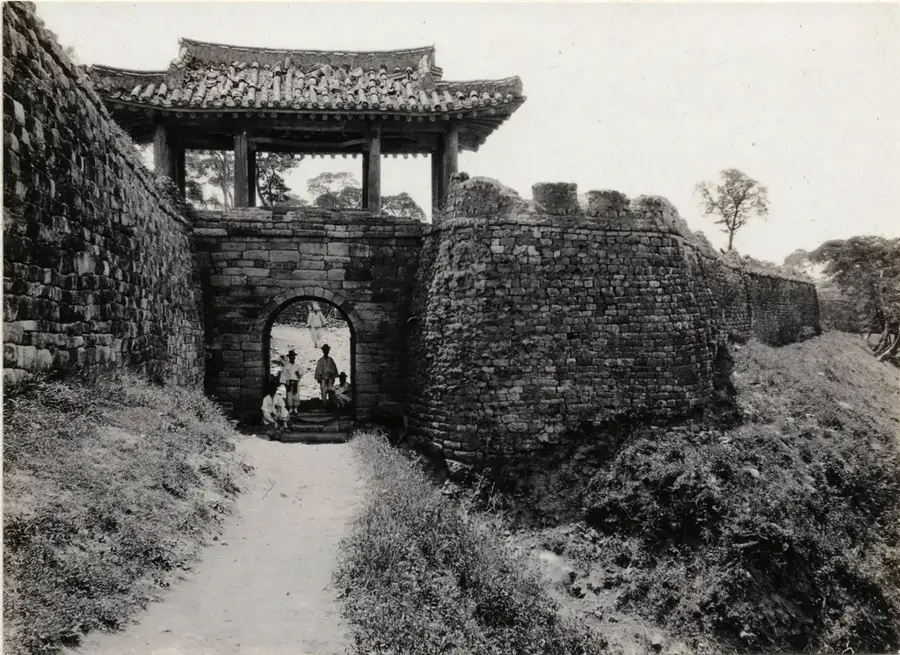
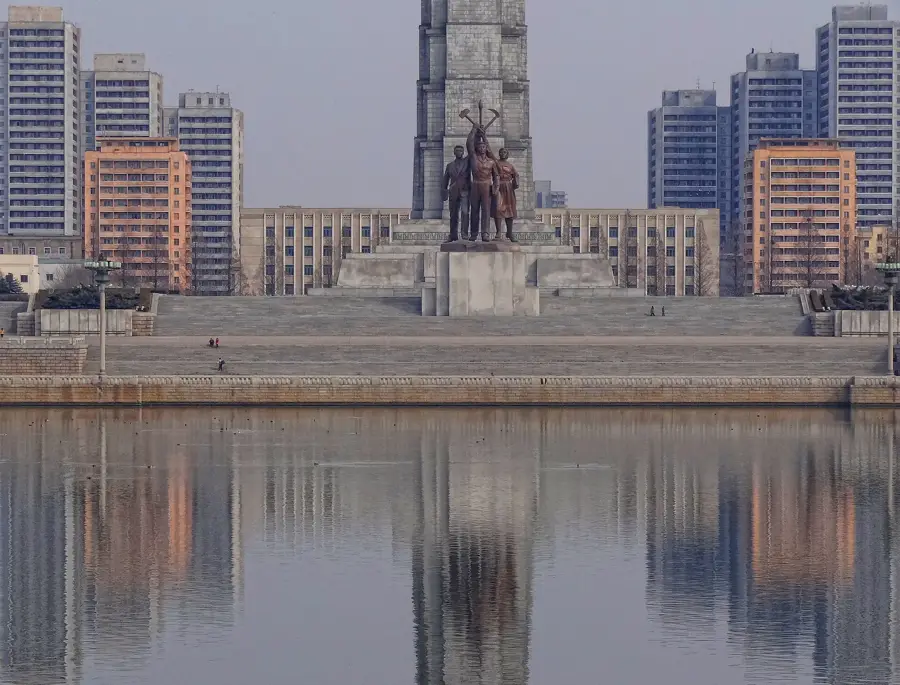
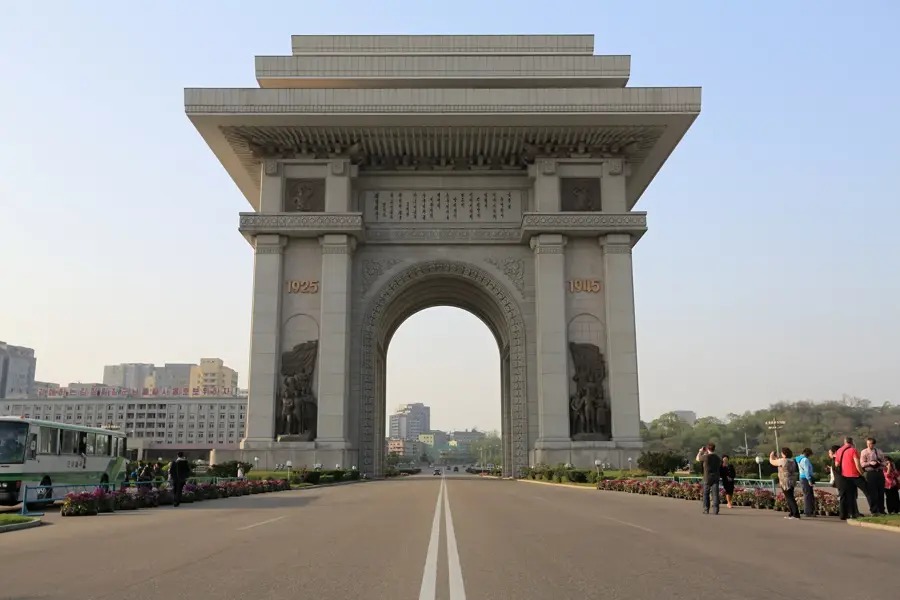
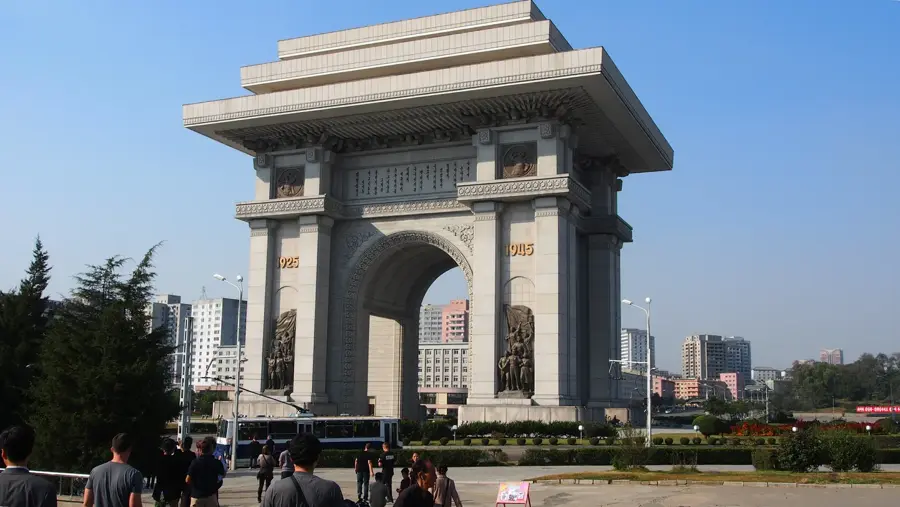
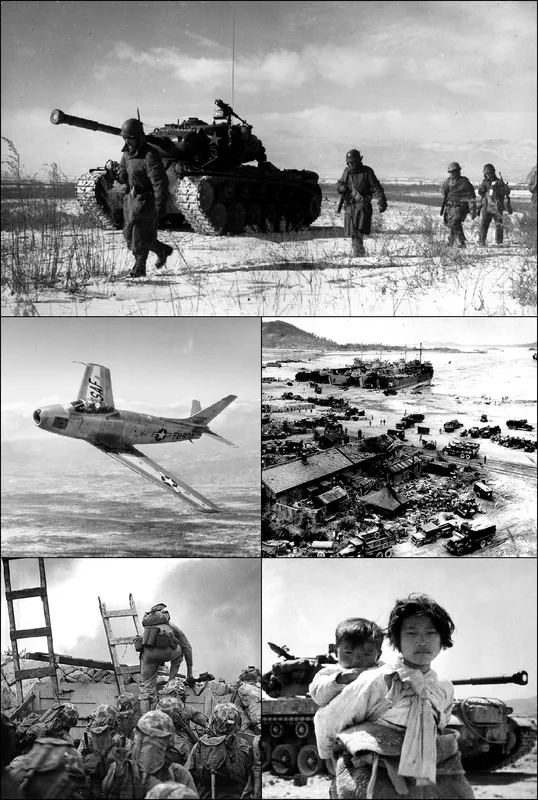
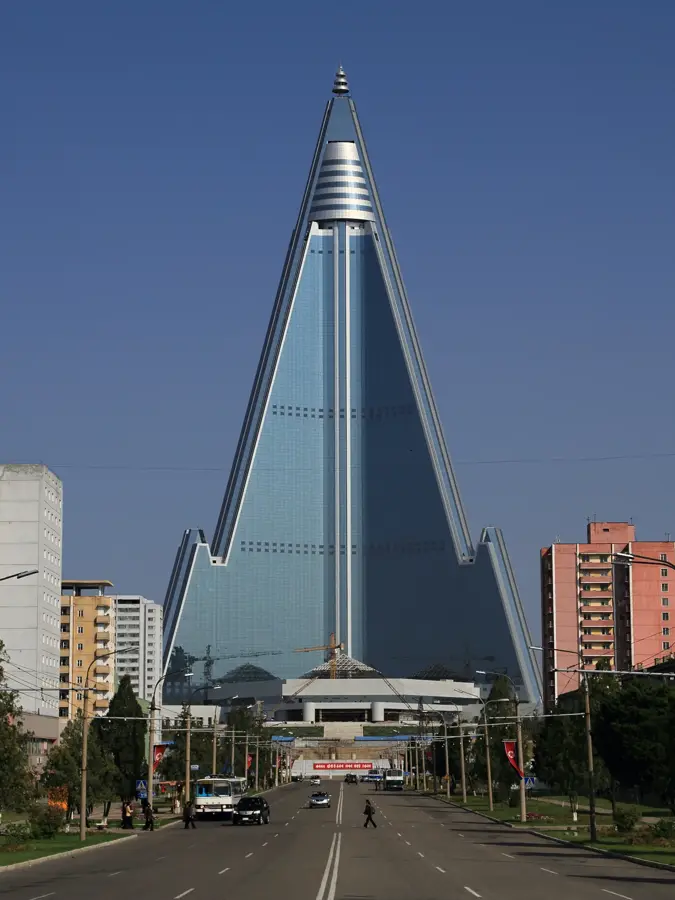
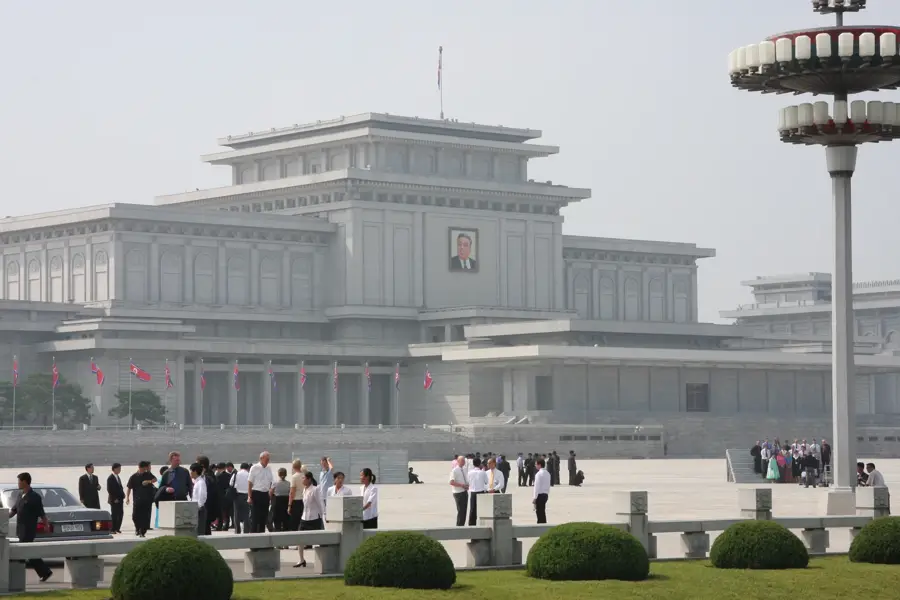
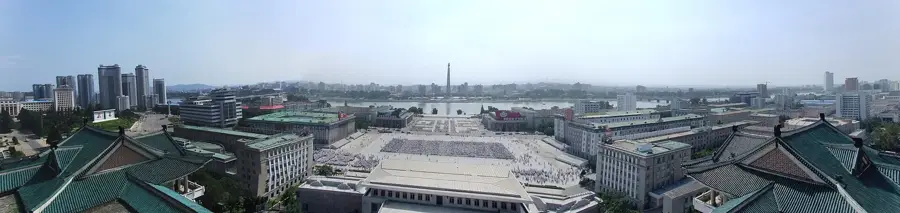
Pyongyang, the capital of North Korea, stands as a unique geopolitical anomaly, functioning as the ultimate showcase for the nation's Juche ideology. Historically known as the 'Willow Capital,' it has served as a strategic stronghold since the Gojoseon era and reached its pre-modern peak as the capital of the Goguryeo Kingdom. The modern city, however, is a product of post-1953 reconstruction, designed to rise from the ashes of the Korean War as a socialist utopia. The urban layout follows a rigid hierarchy, with the Grand People's Study House at its symbolic center, overlooking Kim Il-sung Square, where mass games and military parades take place. Architecturally, the city is defined by its verticality and scale, exemplified by the 105-story Ryugyong Hotel and the towering Arch of Triumph, which is larger than its Parisian counterpart. Pyongyang is the country's economic hub, concentrating the majority of North Korea's heavy industry, construction sectors, and its nascent tech industry located in the Unjong Park. The Taedong River divides the city, with several bridges connecting the historic west side to the industrial and residential east. Life in Pyongyang is distinctly different from the rest of the country, with residents enjoying access to consumer goods, amusement parks, and a reliable (by national standards) power grid. The education system is centered here, with top-tier institutions like the Pyongyang University of Foreign Studies training the country's diplomats. Cultural venues, such as the Moranbong Theatre and the Kumsusan Palace of the Sun, serve as sites of political pilgrimage. Despite the heavy surveillance and state control, the city has seen a rise in 'donju' (money masters) culture, leading to the emergence of coffee shops and supermarkets. Pyongyang remains a fortress of sovereign identity, a city where every monument, park, and building is meticulously crafted to tell a story of revolutionary struggle and national pride.
- Location: North Korea
- Top sights: Korean Central History Museum · Korean Art Museum · Taedong River Sunrise Revolutionary Historic Site
- Nearby: Mount Ryongak (15 km)
- Population: ~3.222.000 (2024)
Best time to visit & climate
The most pleasant time to visit is May, Jun, Sep.
| Jan | Feb | Mar | Apr | May | Jun | Jul | Aug | Sep | Oct | Nov | Dec | |
|---|---|---|---|---|---|---|---|---|---|---|---|---|
| Avg °C | -8 | -4 | 2 | 8 | 16 | 21 | 23 | 23 | 18 | 11 | 3 | -6 |
| Rain mm | 10 | 18 | 26 | 58 | 80 | 101 | 318 | 263 | 113 | 49 | 51 | 19 |
Geography
Facts
- Pyongyang was the capital of the Goguryeo Kingdom from 427 to 668 AD.
- The city's metro system has two lines: Chollima and Hyoksin.
- The Mirae Scientists Street was completed in 2015 to house employees of Kim Chaek University.
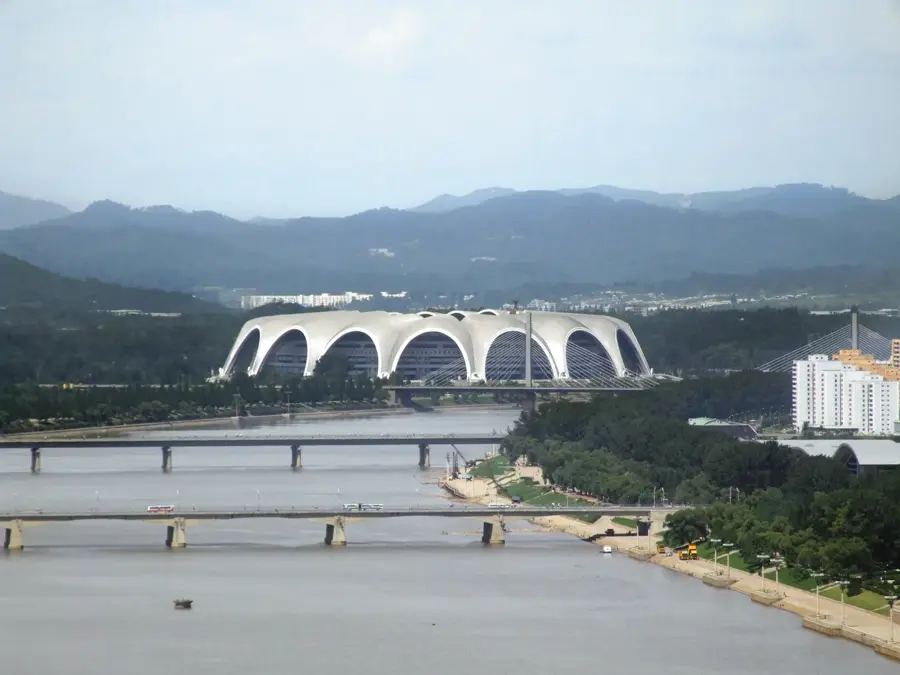
- Pyongyang's May Day Stadium regularly hosts the 'Arirang' Mass Games.
- The city has a dedicated district for foreign embassies called the Munsu-dong diplomatic compound.
- Average annual precipitation is around 940 mm, mostly falling during the summer months.
- The Juche Tower offers a panoramic view of the city and is topped by a 20-meter glowing torch.
- Pyongyang International Airport (Sunan) connects the city primarily to Beijing and Vladivostok.
Explore nearby
Notable places around
Route planner — Car & Motorhome
Where do you start? We build the route here, with stops and country notes along the way.
© OpenStreetMap contributors · OpenRouteService
Sights in the town Pyongyang (3)
Frequently asked questions
Can you visit Pyongyang as an individual tourist?
What is the most famous monument?
What is the food like in Pyongyang?
Is there a metro?
Is photography allowed everywhere?
Pyongyang: where is it located?
Pyongyang: what is there to see?
Pyongyang: when is the best time to visit?
Pyongyang: why is it worth visiting?

History & landmarks
Nature
More places