Plizio Visual Lab

East Pyongyang Thermal Power Plant

Plizio editorial teamData Sources
energy
—°3
East Pyongyang Thermal Power Plant (North Korea)

Weather…

The East Pyongyang Thermal Power Plant is a critical energy facility in the capital of North Korea, securing the electricity and district heating supply for vast parts of the eastern city area. It was constructed in the 1980s with international technical assistance, primarily from the Soviet Union, and is designed to operate on coal. In addition to generating electrical power, the plant plays a central role in providing hot water for the city's district heating network, which is particularly important for the population during the cold winter months. In recent years, modernization measures have been carried out to increase the efficiency of the boiler plants and reduce environmental impact through filtration systems. The facility is closely integrated into the city's industrial fabric, supplying process heat to numerous nearby factories. As a strategic asset, the power plant is under strict state control and undergoes regular maintenance to ensure the stability of the power grid in the capital. It is a prominent feature of the industrial panorama on the banks of the Taedong River.

Best time to visit & climate

The most pleasant time to visit is May, Jun, Sep.

JanFebMarAprMayJunJulAugSepOctNovDec
Avg °C-8-4281621232318113-6
Rain mm1018265880101318263113495119

📋 Practical info

🏭
What is this place?
This massive thermal installation is a cornerstone of the North Korean capital's infrastructure, supplying essential electricity and district heating to residential zones. The facility represents a monumental piece of mid-century industrial engineering that sustains the daily life of East Pyongyang.
🚪
Visiting
Access to the interior of the power plant is completely restricted to the general public due to strict national security protocols and industrial safety regulations. International tourists can only observe the sprawling complex from afar while passing by on officially sanctioned guided tours.
👀
Where to view it
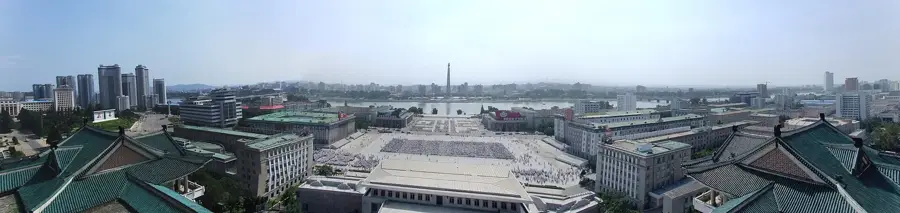
The towering smokestacks and imposing concrete structures are clearly visible from various elevated points along the Taedong River's eastern banks. Distant panoramic views of the industrial skyline can often be captured from prominent landmarks like the Juche Tower across the water.
🧺
Local products
As a strictly functional energy generation facility, there are no commercial products or consumer goods available for purchase in or around the immediate vicinity. The primary output is purely industrial electricity and hot water distributed directly to the urban grid.
📆
Active season
The thermal plant operates continuously twenty-four hours a day throughout the entire year to meet the demanding energy needs of the growing capital. Plumes of smoke or steam are usually most prominent during the harsh winter months when district heating demands are at their absolute highest.
Nearby
Viewing the industrial skyline is usually combined with organized visits to nearby political monuments, grand city squares, or cultural museums along the river. Approved itineraries often pair the external observation of the district with a broader architectural tour of Pyongyang's distinctive brutalist structures.

Geography

Coordinates
39.04000, 125.82000

Facts

  • Commissioning of the first generators took place in 1989.
  • Primary fuel is anthracite coal from domestic mines.
  • Supplies Pyongyang with electricity and industrial steam.
  • Features distinctive chimneys visible from a distance.
  • Cooperation with Russian technicians for maintenance work.
  • Important part of the national integrated power grid.

Explore nearby

Notable places around
Route planner — Car & Motorhome

Where do you start? We build the route here, with stops and country notes along the way.

Vehicle
Only stops with (optional):

© OpenStreetMap contributors · OpenRouteService

Sights in the town East Pyongyang Thermal Power Plant (3)

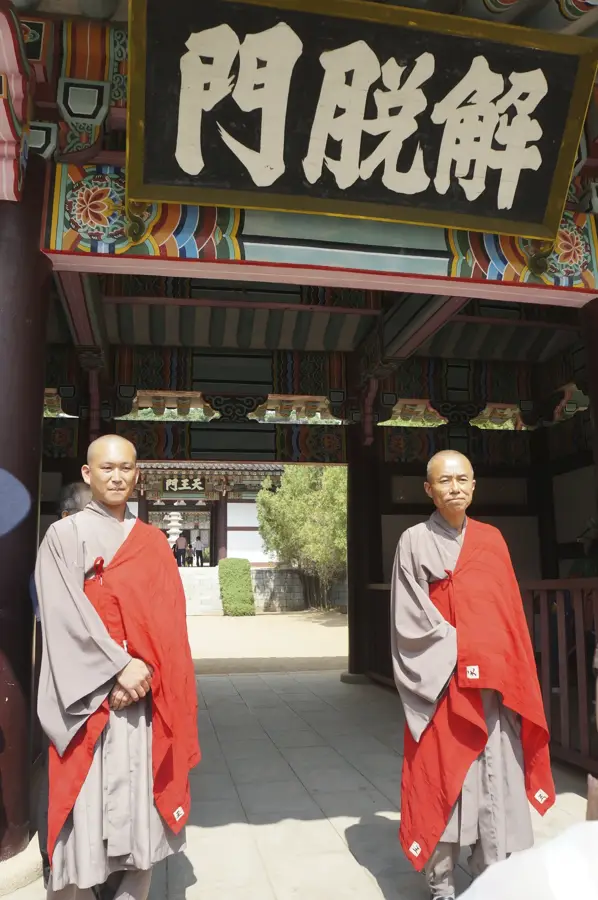
Kumgang Temple

Buddhist temple in North Korea, known for its traditional architecture.

Anhak Royal Palace Site

Archaeological site of an ancient palace, designated as national cultural heritage grade 2.

Ar-Rahman Mosque

Mosque in North Korea, serving the local Muslim community.

Sights nearby

Frequently asked questions

What is the role of the Pyongyang East Thermal Power Plant?
It supplies electricity and district heating to residential areas in the eastern part of the capital.
Where exactly in Pyongyang is it located?
It is located in the Sadong District on the east bank of the Taedong River.
What fuel does the power plant run on?
The power plant runs primarily on coal, which is delivered by rail from nearby mines.
Is it visible to tourists?
The distinctive chimneys can be seen from many points in Pyongyang, but the grounds themselves are not visited.
Are there alternative energy sources in Pyongyang?
Yes, solar panels are increasingly common on apartment balconies in the city for private energy supplementation.
East Pyongyang Thermal Power Plant: where is it located?
East Pyongyang Thermal Power Plant is located in North Korea.
East Pyongyang Thermal Power Plant: what is there to see?
Highlights include Kumgang Temple, Anhak Royal Palace Site, Ar-Rahman Mosque.
East Pyongyang Thermal Power Plant: when is the best time to visit?
The most pleasant time to visit is May, Jun, Sep.
East Pyongyang Thermal Power Plant: why is it worth visiting?

The East Pyongyang Thermal Power Plant is a critical energy facility in the capital of North Korea, securing the electricity and district heating supply for vast parts of the eastern city area.
View on map → The Top 50 Attractions → OpenStreetMap →
Asia
Explore with Plizio Discover more places in Asia
More places in North Korea →

Nearby cities

History & landmarks

Nature
More places