Plizio Visual Lab
Ibadan
ℹ️Practical info — Ibadan
▾
🌤 Weather — 5 days
📍 Nearby
Sights nearby
💡 Tips
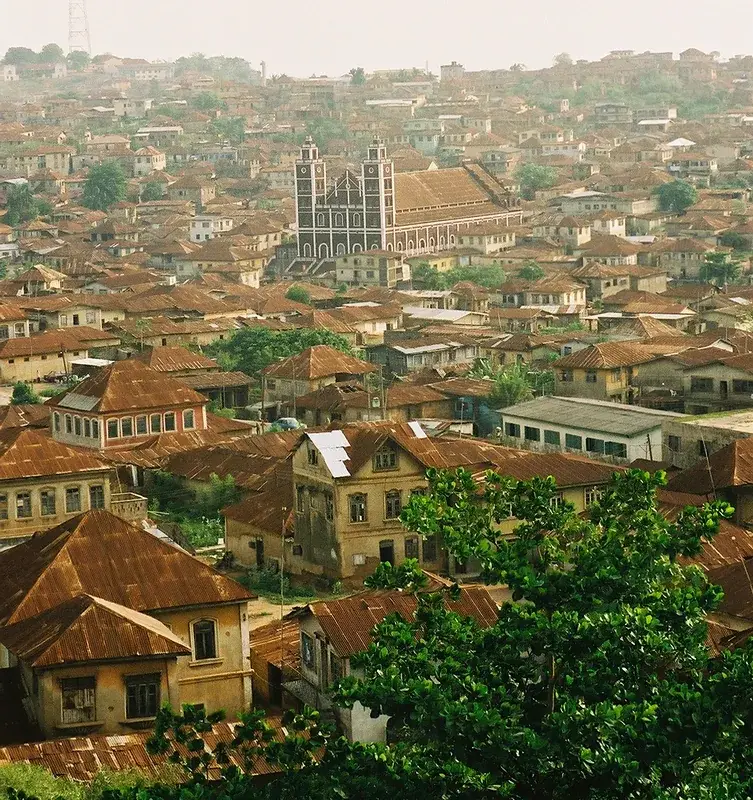
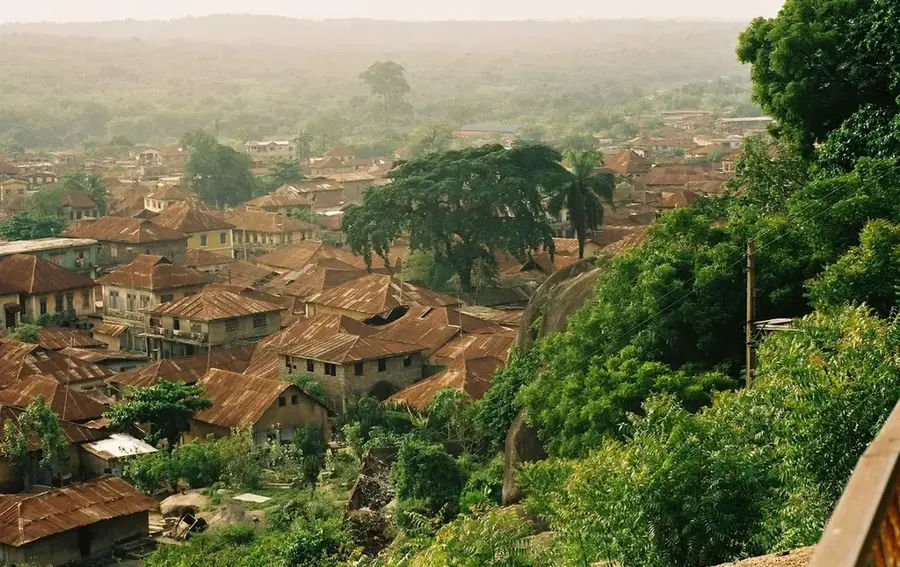
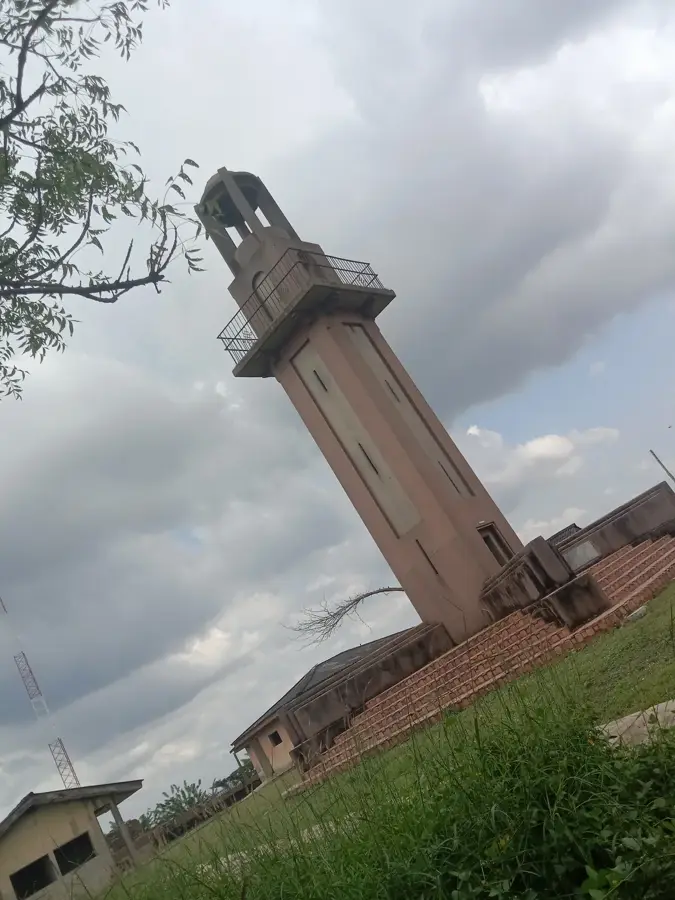
- Bower's Tower provides the best view of the city's iconic 'brown rusty roofs'.
- Public transport heavily relies on small shared taxis called 'micras', always agree on the fare before boarding.
- Amala and Ewedu is a must-try local staple, best enjoyed at bustling local eateries known as 'bukas'.
- Visit the University of Ibadan campus for a peaceful, historic atmosphere away from the city noise.
- Traffic around the Ring Road area can be heavy; plan your travel times carefully.
🍽 Food
Try it at a bustling local 'buka' (eatery) near the Bodija market area.
Spicy grilled meat found at evening street food hubs across the city.
Freshly tapped, available in outskirt villages or specialized local bars.
🛍 Shopping · 🧘 Quiet spots
The go-to place for traditional fabrics and wholesale goods in a lively setting.
Famous for traditional Yoruba herbs, local soaps, and beautiful Aso-Oke cloth.
A calm, green space located within the historic University of Ibadan campus.
A recreational park featuring mature trees and a small lake, first-rate for a quiet afternoon.
Water temperature…
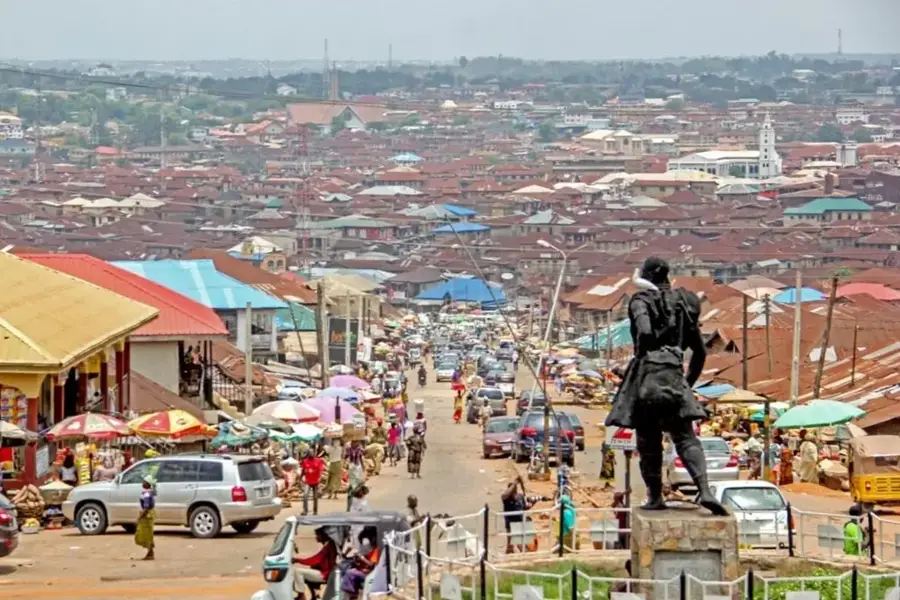
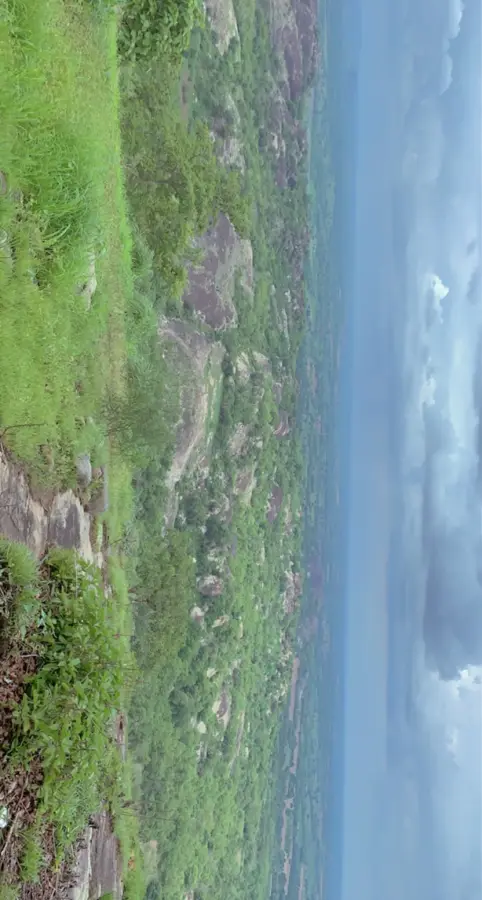
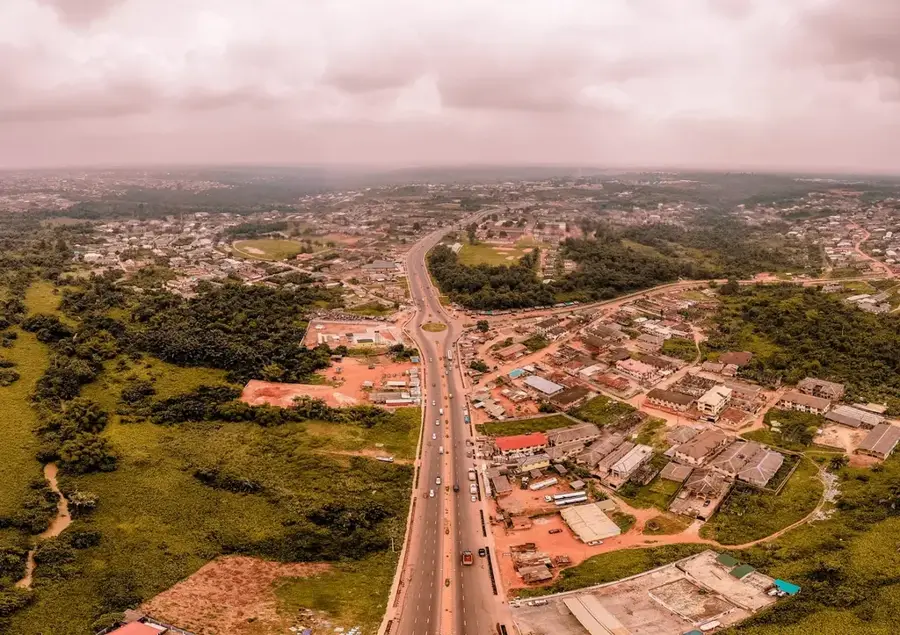
Ibadan, the capital of Oyo State, is one of Nigeria's most populous cities and historically the largest city in Sub-Saharan Africa by land area. Founded in 1829 as a war camp during the collapse of the Old Oyo Empire, it grew into a dominant military and political state. The city is famous for its panoramic landscape of rusty-brown rooftops, spread across seven legendary hills. This unique topography has shaped its development and earned it a special place in Nigerian literature and art. Ibadan served as the administrative headquarters of the Old Western Region and has remained a center of Yoruba culture and intellectualism for nearly two centuries. The economy of Ibadan is vast and multifaceted. Historically built on the cocoa trade, the city's prosperity is symbolized by the Cocoa House, which was the first skyscraper in tropical Africa. Today, Ibadan is a major center for commerce, manufacturing, and agriculture. It hosts several industrial estates and is a critical transit point for goods moving between the ports of Lagos and the northern hinterlands. The city's railway station and extensive road networks facilitate its role as a logistical hub. Significant investments in retail, with several modern malls and expansive traditional markets like Bodija and Gbagi, drive the local economy. Education is perhaps Ibadan's greatest legacy. It is home to the University of Ibadan, Nigeria's first university, established in 1948, which has produced some of the continent's most distinguished scholars and leaders. The city also hosts the International Institute of Tropical Agriculture (IITA), making it a global hub for agricultural research. Cultural landmarks include Mapo Hall, an architectural masterpiece atop Mapo Hill, and Bower’s Tower, which provides a 360-degree view of the sprawling metropolis. With its rich history, spirited social life, and status as an educational pioneer, Ibadan remains a quintessential African city where tradition and modernity coexist in a sprawling, energetic embrace.
- Location: Nigeria
- Top sights: Egbeda · Loyola College, Ibadan
- Nearby: Oyo (51 km)
- Population: ~3.649.000 (2026)
Best time to visit & climate
The most pleasant time to visit is Jan, Feb, Dec.
| Jan | Feb | Mar | Apr | May | Jun | Jul | Aug | Sep | Oct | Nov | Dec | |
|---|---|---|---|---|---|---|---|---|---|---|---|---|
| Avg °C | 24 | 26 | 26 | 26 | 26 | 25 | 24 | 24 | 25 | 25 | 26 | 25 |
| Rain mm | 23 | 26 | 66 | 126 | 180 | 242 | 230 | 189 | 310 | 211 | 54 | 19 |
Geography
Facts
- Ibadan was founded in 1829 as a settlement for Yoruba war lords.
- The University of Ibadan is often referred to as the 'First and the Best'.
- Cocoa House, completed in 1965, was once the tallest building in tropical Africa.
- The city is strategically located 128 km inland from Lagos.
- Ibadan is known for its seven hills: Mapo, Ake, Aremo, etc.
- The International Institute of Tropical Agriculture (IITA) is located here.
- Ibadan's main city hall, Mapo Hall, was commissioned in 1929.
- The city is the capital of Oyo State and a major center of Yoruba culture.
Explore nearby
Notable places around

Route planner — Car & Motorhome
Where do you start? We build the route here, with stops and country notes along the way.
© OpenStreetMap contributors · OpenRouteService
Sights in the town Ibadan (2)
Frequently asked questions
Is Ibadan worth a visit?
What is the climate there?
Are there sights?
How do you get to Ibadan?
What is typically local?
Ibadan: where is it located?
Ibadan: what is there to see?
Ibadan: when is the best time to visit?
Ibadan: why is it worth visiting?

Nearby cities

History & landmarks
Nature
More places