Plizio Visual Lab
Sagamu

ℹ️Practical info — Sagamu
▾
🌤 Weather — 5 days
📍 Nearby
Sights nearby
💡 Tips
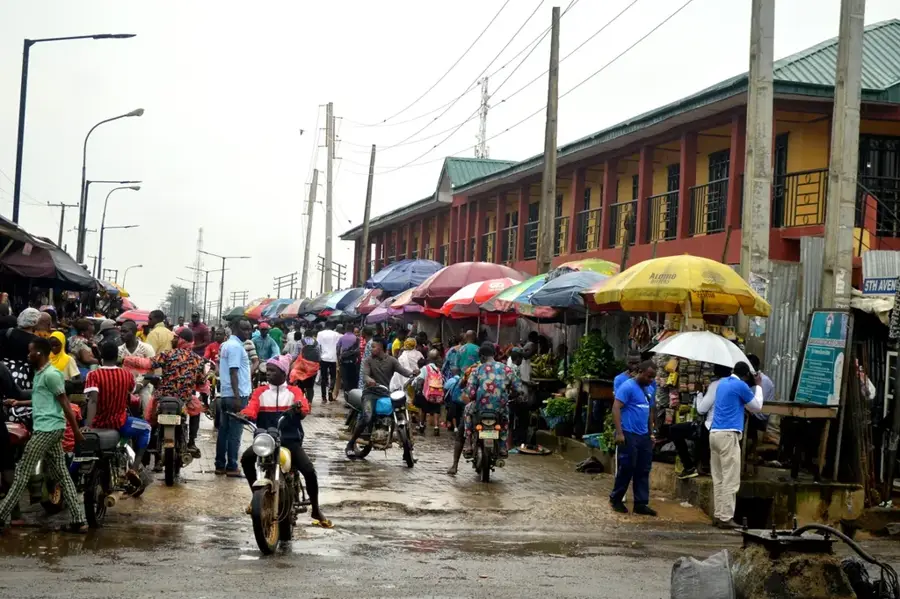
- Visit the Sabo Market, the heart of the kola nut trade, where merchants from across West Africa gather to trade.
- Observe the local tradition: kola nuts are a symbol of hospitality and are often offered to guests as a sign of welcome.
- Wear light, natural fabrics due to the high humidity levels in the region.
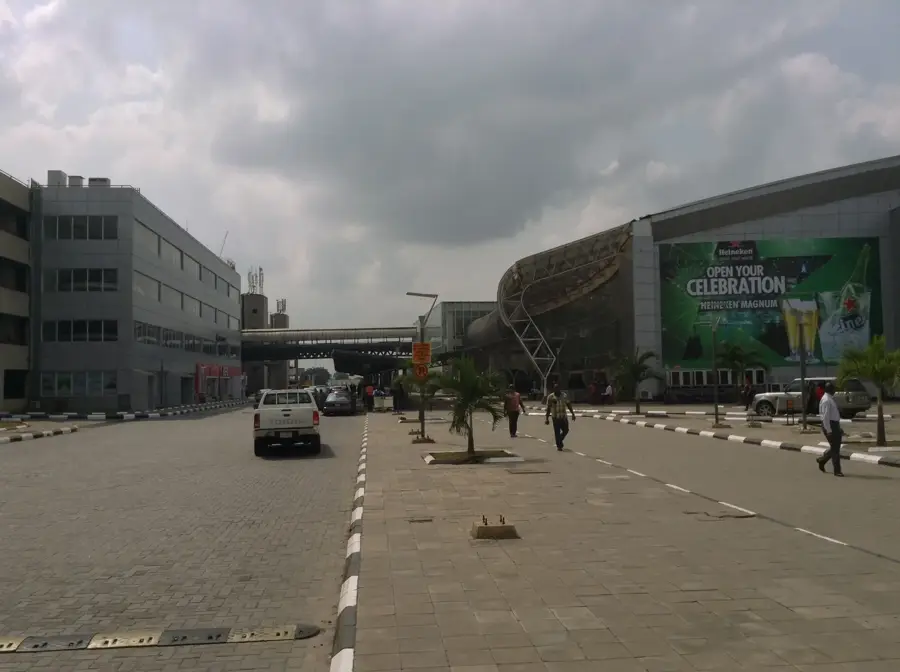
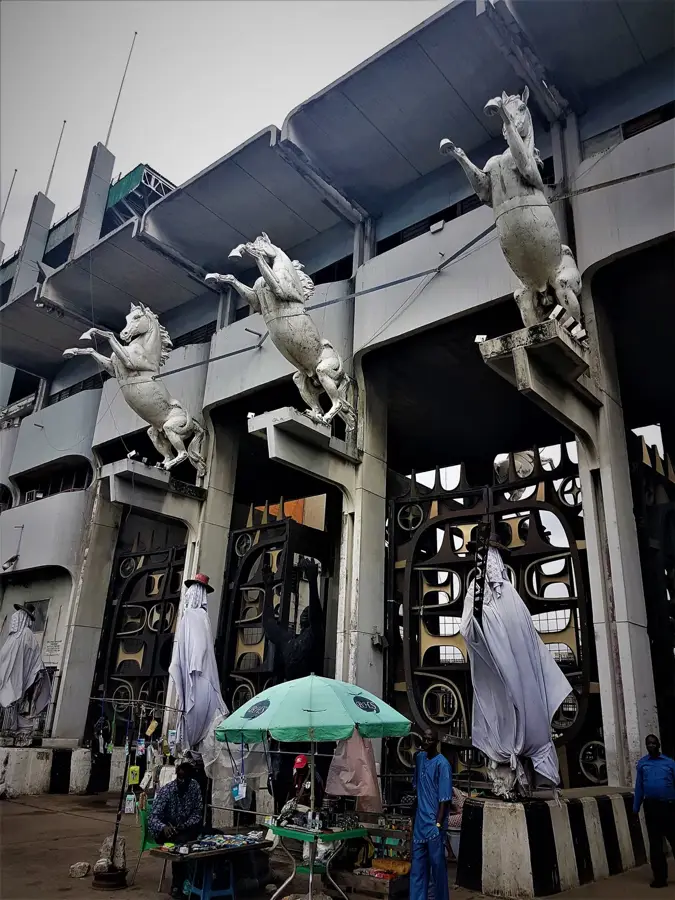
- The Sagamu Interchange is a major transport hub; use it as a base for easy travel to Lagos or Ibadan.
- Always agree on the fare with Okada (motorcycle taxi) riders before starting your journey.
🍽 Food
Try the local rice with spicy Ayamase stew, most authentic at the 'canteens' near Sabo Market.
Tender goat meat, a specialty of the Remo region, often served in a spicy sauce.
A long-standing local favorite known for its excellent catfish and goat meat dishes.
🛍 Shopping · 🧘 Quiet spots
Excellent for finding traditional fabrics and unique folk crafts.
A bustling hub for fresh agricultural produce and household items.
Has a relaxed, cozy atmosphere compared to the town's louder spots-handy for a quiet drink.
Located on the outskirts, it provides a more serene, landscaped environment.
Water temperature…
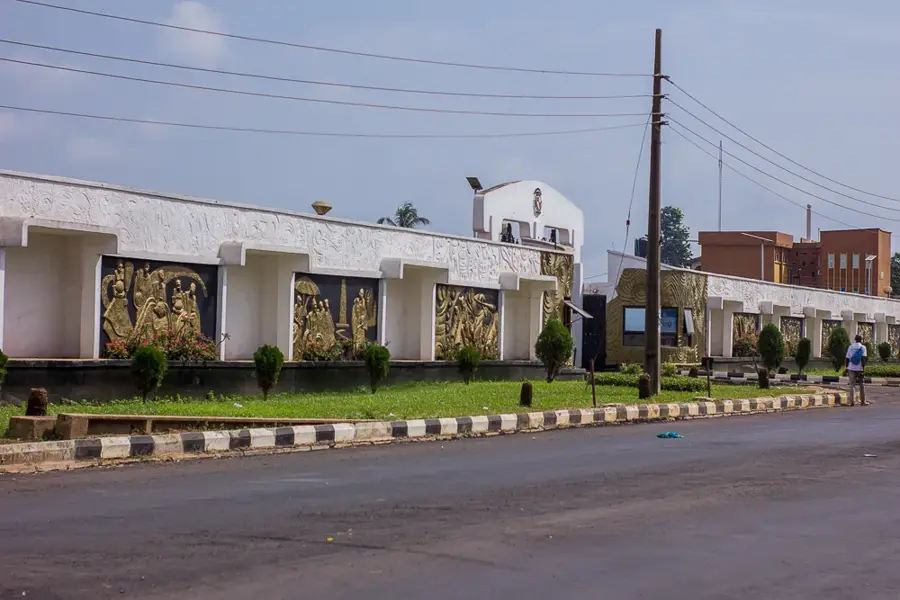
Sagamu is a prominent city in Ogun State, southwestern Nigeria, serving as the headquarters of the Remo Kingdom. The city emerged in the 19th century through the merger of several smaller settlements and is governed by the Akarigbo of Remoland. Sagamu is globally recognized as one of the most vital collection and trade centers for kola nuts, a commodity of immense cultural and economic importance in West Africa. The city hosts large industrial complexes, including major cement plants and consumer goods factories, making it an industrial backbone for the region. Geographically, Sagamu is situated at a strategic transportation junction where key expressways link Lagos with other parts of the country. Beyond industry, Sagamu is a center for medical education and research, notably through the Olabisi Onabanjo University Teaching Hospital. The city maintains its cultural identity through traditional festivals and the preservation of historic sites amidst ongoing urbanization.
- Location: Nigeria
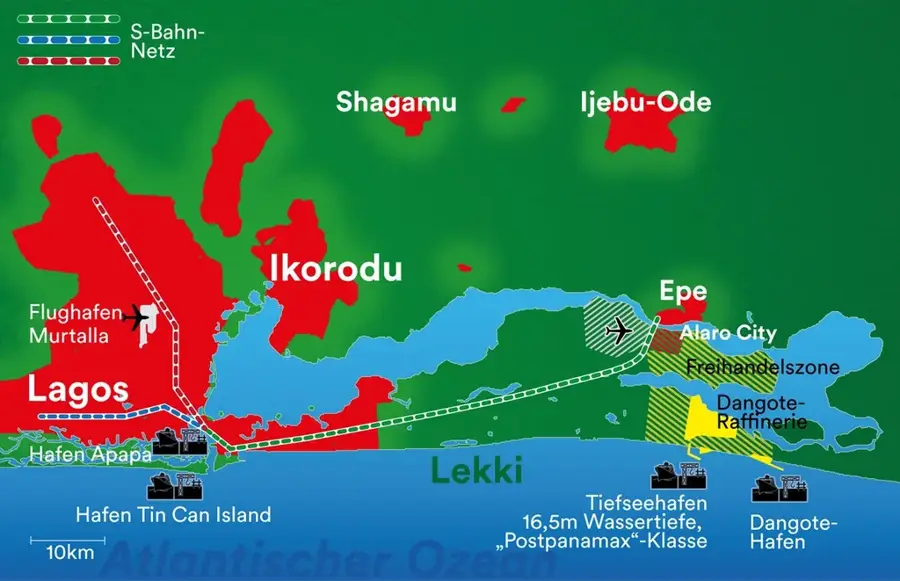
- Nearby: Ijebu-Ode (30 km)
- Population: ~214.558 (2016)
Best time to visit & climate
The most pleasant time to visit is Jan, Feb, Dec.
| Jan | Feb | Mar | Apr | May | Jun | Jul | Aug | Sep | Oct | Nov | Dec | |
|---|---|---|---|---|---|---|---|---|---|---|---|---|
| Avg °C | 25 | 26 | 27 | 27 | 26 | 25 | 25 | 24 | 25 | 26 | 26 | 25 |
| Rain mm | 27 | 31 | 70 | 127 | 188 | 253 | 242 | 168 | 298 | 217 | 70 | 23 |
Geography
Facts
- Sagamu was founded in 1872 by the confederation of 13 settlements.
- The city boasts the largest market for kola nuts in the world.
- One of Nigeria's largest cement plants, operated by Lafarge, is in Sagamu.
- The city serves as the seat of the Akarigbo, the paramount ruler of Remoland.
- Sagamu lies at the junction of the Lagos-Ibadan and Sagamu-Benin expressways.
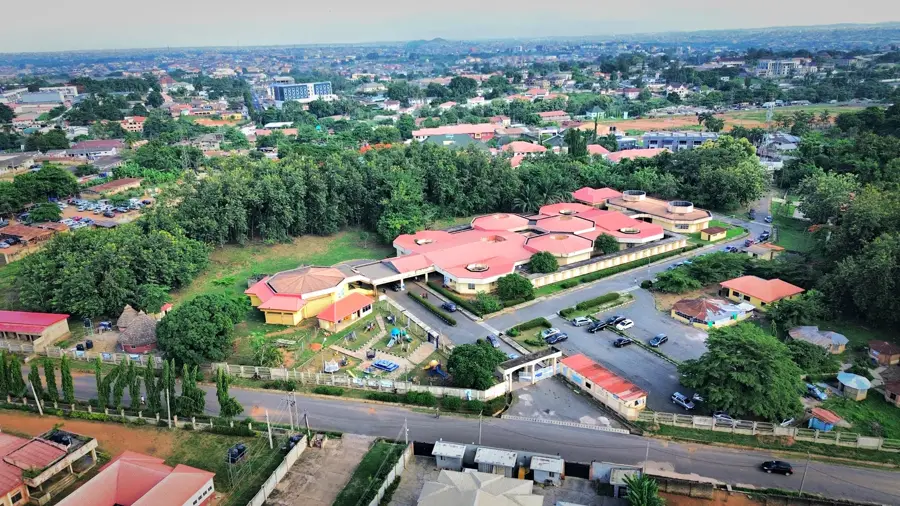
- The Olabisi Onabanjo University Teaching Hospital is located in the city.
Explore nearby
Notable places around

Route planner — Car & Motorhome
Where do you start? We build the route here, with stops and country notes along the way.
© OpenStreetMap contributors · OpenRouteService
Frequently asked questions
How long should you spend in Sagamu?
When is the best time to visit Sagamu?
What is the best way to travel to Sagamu?
What are typical dishes in Sagamu?
Is Sagamu a family-friendly destination?
Sagamu: where is it located?
Sagamu: when is the best time to visit?
Sagamu: why is it worth visiting?

Nearby cities



History & landmarks


Nature
More places